
Is your Samsung dishwasher leaking and causing a mess in your kitchen? You’re not alone, and the good news is that many leaks have simple fixes you can try yourself.
Whether the water is pooling under the appliance or dripping from the door, understanding the common reasons behind these leaks can save you time, money, and stress. You’ll discover easy ways to identify the source of the leak, practical steps to fix it, and tips to prevent future problems.
Don’t let a leaking dishwasher disrupt your daily routine—read on and take control of the situation now!
Common Leak Spots
Leaks in Samsung dishwashers often start from specific areas. Knowing these common leak spots helps you find and fix problems fast. Some parts wear out or get clogged over time. Others may loosen or break, causing water to escape. Regular checks keep your dishwasher running smoothly and dry.
Door Gasket Damage
The door gasket seals water inside during a wash. Over time, it can crack or tear. Dirt and debris also build up, breaking the seal. A damaged gasket lets water drip from the door edges. Clean the gasket gently and check for cracks. Replace it if you spot damage to stop leaks.
Drain Hose Issues
The drain hose carries water out of the dishwasher. Cracks or holes cause leaks under the machine. Loose hose connections also let water escape. Inspect the hose for any splits or damage. Tighten the connections to keep water flowing correctly. Replace the hose if leaks continue.
Pump And Filter Blockages
The pump pushes water through the dishwasher. Filters catch food and dirt to protect the pump. Blocked filters or pump problems cause water to back up and leak. Clean the filter regularly to avoid clogs. Check the pump for damage or wear. Fix or replace faulty parts to prevent leaks.
Water Inlet Valve Problems
The water inlet valve controls water flow into the dishwasher. A faulty valve leaks water inside or under the machine. Loose or broken valve connections also cause leaks. Test the valve for proper function. Tighten or replace the valve if it does not close fully. This stops water from dripping.
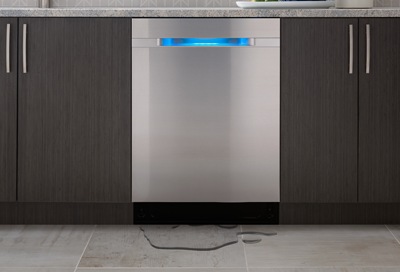
Credit: www.samsung.com
Inspecting The Door Seal
The door seal of a Samsung dishwasher plays a vital role in preventing water leaks. This rubber gasket forms a tight barrier between the door and the dishwasher frame. Over time, the seal can wear out, crack, or accumulate debris. These issues allow water to escape during wash cycles. Regular inspection of the door seal helps catch problems early. It keeps your dishwasher running smoothly and protects your kitchen floor from water damage.
Checking For Cracks And Tears
Start by carefully examining the rubber door seal. Look for any visible cracks or tears along its surface. Even small cracks can cause leaks. Press gently along the seal to feel for soft spots or breaks. Damaged areas weaken the seal’s ability to hold water inside. Replace the gasket if you find any cracks or tears. A new seal ensures a proper fit and stops leaks effectively.
Cleaning Debris And Residue
Debris and residue can build up on the door seal over time. Food particles, soap scum, and hard water deposits stick to the gasket. This buildup prevents the seal from closing tightly. Use a soft cloth dampened with mild soap and warm water to clean the rubber seal. Wipe all around the gasket, paying special attention to folds and corners. Removing dirt restores the seal’s flexibility and improves its grip.
Clearing Weep Holes
Weep holes are small drainage openings near the door seal. They allow water to drain away and prevent pooling inside the door frame. Sometimes, these holes get clogged with dirt or soap residue. Blocked weep holes cause water to collect and leak out of the dishwasher. Use a cotton swab or a soft brush to gently clear any blockages. Keeping weep holes clear helps water flow properly and reduces leaks.
Examining Drain Components
Examining the drain components is essential for fixing a Samsung dishwasher leak. Water can escape if any part of the drain system is damaged or clogged. Checking these parts helps identify the exact problem.
Focus on the drain hose, pump, and pump filter. Each one plays a key role in removing water from the dishwasher. Issues in any of these can cause leaks. Follow simple steps to inspect and repair them.
Inspecting Drain Hose Connections
Start by looking at the drain hose connections. Loose or cracked hoses often cause leaks. Check both ends of the hose for tightness. Make sure no cracks or holes appear on the hose surface. Replace the hose if you find damage. Secure the hose firmly to avoid water escaping during draining.
Replacing Faulty Drain Pump
The drain pump pushes water out of the dishwasher. A broken pump can leak water. Listen for strange noises during draining. These sounds may signal a pump problem. Turn off the power and access the pump. Look for cracks or leaks on the pump body. Replace the pump if it shows damage or stops working.
Cleaning The Pump Filter
The pump filter catches debris to protect the drain pump. A clogged filter can cause leaks or slow drainage. Remove the filter carefully. Rinse it under running water to clear dirt and food scraps. Clean the filter regularly to keep water flowing smoothly. After cleaning, put the filter back tightly to prevent leaks.
Detergent And Loading Tips
Proper detergent use and careful loading help prevent leaks in Samsung dishwashers. These simple steps reduce excess suds and pressure on seals. They ensure water stays inside during cycles. Follow these detergent and loading tips to keep your dishwasher running smoothly.
Using Proper Detergent Amounts
Use the detergent amount recommended by Samsung. Too much detergent causes extra foam and pressure. This can push water out of the door seal or vents. Less detergent helps maintain a tight seal and clean dishes.
Avoiding Excess Suds
Choose detergents made for dishwashers only. Avoid using regular dish soap or too many detergent pods. Excess suds can overflow and cause leaks. If suds appear, stop the cycle and wipe the inside dry.
Preventing Overloading
Load dishes without overcrowding the racks. Overloading blocks spray arms and traps water. This leads to water pooling and leaking from the door. Leave space for water and detergent to circulate freely.
Water Supply Checks
Checking the water supply is a key step when your Samsung dishwasher is leaking. The water supply system includes hoses and valves that bring water into the dishwasher. Problems in these parts often cause leaks.
Start by examining the hose connections. Loose or damaged hoses can cause water to drip. Next, test the water inlet valve. This valve controls water flow. If it is faulty, water may leak or flow at the wrong time.
Securing Hose Connections
Look closely at the water supply hose connected to the dishwasher. Make sure the hose is tightly attached at both ends. Check for cracks or holes in the hose that could cause leaks. Use a wrench to tighten any loose fittings gently. Avoid overtightening, which can damage the connections.
Inspect the drain hose as well. A loose or cracked drain hose may drip water during or after a wash cycle. Replace any damaged hoses with new ones that fit your Samsung model. Properly secured hoses prevent water from escaping during dishwasher operation.
Testing The Water Inlet Valve
The water inlet valve lets water into the dishwasher at the right times. A faulty valve may leak water continuously or fail to stop water flow. Unplug the dishwasher and turn off the water supply before testing.
Remove the valve and check for signs of damage or corrosion. Use a multimeter to test the valve’s electrical resistance. A reading outside the normal range means the valve is defective. Replace a damaged valve to stop water leaks and ensure proper dishwasher function.

Credit: www.youtube.com
Leveling And Installation
Proper leveling and installation of your Samsung dishwasher play a key role in preventing leaks. An uneven dishwasher can cause water to spill out during cycles. Correct setup ensures the appliance works efficiently and avoids damage.
Careful attention to leveling and placement can save you from costly repairs. Simple adjustments can stop leaks and improve performance.
Ensuring Proper Dishwasher Level
Check the dishwasher’s level using a spirit level. Place it on the top edge of the dishwasher. The bubble should be centered for perfect balance.
Test the level front to back and side to side. Small tilts can cause water to leak from the door or base.
Make adjustments until the dishwasher sits evenly. This helps the door seal tightly and water stays inside.
Adjusting Feet And Placement
Most Samsung dishwashers have adjustable feet at the bottom. Turn these feet to raise or lower each corner.
Adjust feet slowly and check the level after each turn. Ensure the dishwasher is stable and does not rock.
Position the dishwasher so it fits snugly in the cabinet space. Avoid gaps that let water escape or cause vibration.
Proper placement supports the dishwasher’s weight and prevents movement during cycles.
Quick Diy Fixes
Dealing with a Samsung dishwasher leaking can be stressful. Quick DIY fixes help stop leaks fast. These simple steps save time and money. You can try small repairs before calling a technician. Follow these easy methods to address common leak issues at home.
Temporary Door Seal Repairs
The door seal often causes leaks. Dirt or damage on the gasket lets water escape. Clean the seal with warm water and mild soap. Use a soft cloth to remove debris gently. For small cracks, apply a waterproof silicone sealant. Press the seal firmly back into place. This fix stops leaks temporarily until a full replacement is possible.
Replacing Simple Parts
Some leaks come from worn parts like hoses or clamps. Check the drain hose for cracks or loose connections. Tighten or replace damaged clamps to stop water from leaking. Inspect the spray arm for blockages or cracks. Replace it if broken. These parts are easy to find and install. Use basic tools and follow the dishwasher manual carefully.
When To Call A Professional
Leaks that continue after DIY fixes need expert help. Persistent leaks may mean a faulty pump or internal damage. Professionals have the right tools and experience. They can diagnose hidden problems quickly. Call a technician if the leak is large or hard to find. Early professional help prevents costly damage later.

Credit: www.reddit.com
Frequently Asked Questions
Why Is My Samsung Dishwasher Leaking From The Bottom?
Your Samsung dishwasher leaks from the bottom due to a worn or damaged door gasket. Check for cracks, tears, or debris on the rubber seal. Clean the gasket with mild detergent to ensure a tight seal. Also inspect drain hoses and pump for damage or loose connections.
Why Does My Samsung Washer Leak From The Bottom?
A Samsung washer leaks from the bottom due to damaged hoses, faulty drain pump, worn door gasket, clogged pump filter, over-sudsing, or improper leveling. Inspect and clean hoses, pump filter, and door seal. Tighten connections and use correct detergent to prevent leaks.
Why Is My Dishwasher Leaking Under The Floor?
Your dishwasher leaks under the floor due to a damaged door gasket, loose or cracked drain hose, faulty drain pump, or clogged pump filter. Check seals, hoses, and filters for damage or blockages. Tighten connections and clean components to stop leaks.
What Is The Most Common Problem With Samsung Dishwashers?
The most common problem with Samsung dishwashers is leaking, often caused by a worn or damaged door gasket.
Why Is My Samsung Dishwasher Leaking From The Bottom?
Leaks at the bottom often come from a damaged or dirty door gasket. Check and clean the gasket.
Conclusion
A leaking Samsung dishwasher can cause frustration and damage. Check the door gasket for cracks or dirt. Clean or replace it to stop leaks. Inspect hoses and pumps for any damage or loose connections. Keep the dishwasher level to avoid water spills.
Regular maintenance helps prevent leaks and extends appliance life. Quick action can save you costly repairs. Stay attentive to small signs of leakage. Your dishwasher will work better and last longer. Simple care makes a big difference.