
If your Rinnai hot water heater suddenly stops working and you don’t see any error code on the display, it can be a confusing and frustrating experience. You depend on hot water for daily routines—showers, washing dishes, and laundry. When nothing happens and there’s no code to guide you, finding the cause feels like looking for a needle in a haystack. But don’t worry; even without an error code, there are clear steps you can follow to diagnose and possibly fix the issue. This guide is here to help you understand what might be wrong, what you can safely do yourself, and when it’s best to call a professional.
You’ll find that many issues are not as mysterious as they seem. Often, something simple like a tripped breaker, closed gas valve, or lack of water flow is to blame. Sometimes, though, a problem is hidden—inside a sensor or behind a wall. This article will take you through the most common and uncommon reasons your Rinnai hot water heater isn’t working, even when the screen is blank and no error code appears. You’ll learn practical troubleshooting steps, see how different models compare, and find answers to questions that other homeowners often miss.
Common Reasons Rinnai Hot Water Heater Is Not Working (no Error Code)
It’s normal to expect an error code when something goes wrong, but what if there’s nothing on the display? Here are the most frequent causes behind a Rinnai hot water heater not working without any code.
1. No Power Supply
Without electricity, your Rinnai unit cannot function. This might be due to:
- A tripped circuit breaker in your home’s panel
- A blown fuse
- A loose or unplugged power cord
- A faulty outlet or GFCI (ground fault circuit interrupter) reset
Tip: Always check the breaker and outlet first. Sometimes, a power surge or high humidity can trip the GFCI. If resetting the breaker or GFCI restores power, the problem may be solved.
2. Gas Supply Issues
Rinnai heaters need a steady gas supply. If the unit has no error code, it may not be getting gas at all.
- The main gas valve is closed
- The gas meter or propane tank is empty
- Flexible gas lines are kinked or blocked
Insight: Many homeowners forget to open the gas supply after maintenance. If you recently had work done in your home, double-check the gas valves.
3. Water Supply Problems
If the heater senses no water flow, it won’t start heating.
- The main water valve is off
- Water filter inside the unit is clogged
- Frozen pipes in cold weather
Example: After a cold night, pipes may freeze, blocking water from reaching the unit. No flow means no operation, but no error code will show.
4. Internal Safety Switches
Rinnai units have internal safety switches that shut off the heater if something is wrong, like overheating or poor ventilation. Some of these switches don’t trigger a visible code.
- Overheat cut-off switch has tripped
- Flame rod or sensor is dirty or faulty
- Blocked vent or exhaust causing unsafe operation
Non-obvious Insight: If you smell gas or burning, do not reset the system—call a professional. Safety devices are there to protect you.
5. Control Panel Or Display Failure
Sometimes, the water heater is working, but the control panel is blank or malfunctioning.
- Loose wiring between display and unit
- Failed display board or remote controller
- Moisture inside the control panel
If hot water is available at the tap but the screen is blank, the issue could be the panel, not the heater.
6. Faulty Sensors
Sensors measure water temperature, flow, and gas pressure. If a sensor fails but does not short or open completely, it may not trigger a code but still prevent operation.
- Flow sensor stuck or dirty
- Thermistor or temperature sensor out of range
- Ignition sensor not working
Step-by-step Troubleshooting Guide
Diagnosing a Rinnai hot water heater with no error code takes patience and a clear plan. Here’s how to work through the problem safely.
Step 1: Check The Power Source
- Inspect the unit’s power plug and confirm it’s secure.
- Test the outlet using another device (like a phone charger).
- Reset the circuit breaker. If it keeps tripping, there may be an electrical fault.
- For outdoor units, check for water damage or corrosion at the outlet.
Step 2: Inspect The Gas Supply
- Make sure all gas valves (at the meter and near the unit) are open.
- For propane systems, check the tank level.
- Smell for gas leaks—if you detect gas, leave the area and call your utility provider immediately.
- If you recently changed suppliers or had service, ask if the gas was interrupted.
Step 3: Test The Water Flow
- Open a hot water tap fully—listen for the sound of flow in the pipes.
- If no water comes out, check the main water shutoff and the valve at the heater.
- Remove and clean the water filter (usually accessible behind a small panel).
- In winter, check exposed pipes for freezing.
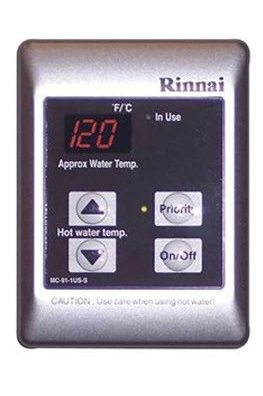
Step 4: Look At The Display And Controls
- Try pressing the On/Off or Reset button on the remote or main unit.
- If the screen is blank, open the panel and look for loose wires.
- For wall controllers, try a new battery (if applicable).
Step 5: Listen For Startup Sounds
- When you turn on a hot tap, you should hear clicks (ignition) or a fan.
- No sound at all means the unit isn’t starting; go back to power and water checks.
- If you hear clicking but no flame, gas may be the issue.
Step 6: Examine The Venting
- Check the vent/exhaust pipe outside for blockages (leaves, snow, animals).
- Make sure the air intake is not obstructed.
- For indoor units, ensure the vent is tightly connected.
Step 7: Call For Professional Help
If you’ve checked all the above and the heater still doesn’t work, it’s time to contact a licensed technician. Internal issues—like faulty PCBs, sensors, or safety switches—require special tools and knowledge.
Warning: Never open the gas compartment or try to bypass safety switches. Doing so can be dangerous and may void your warranty.
Credit: simcha.lt
Comparing Rinnai Models: Features That Affect Troubleshooting
Not all Rinnai hot water heaters are the same. Some models have advanced diagnostics, while older ones rely on simple indicators.
Here’s a quick comparison of key features:
| Model | Error Code Display | Remote Control | Freeze Protection | Self-Diagnosis |
|---|---|---|---|---|
| Rinnai V65e | Basic LED | Optional | Yes | No |
| Rinnai RL75iN | Digital | Included | Yes | Yes |
| Rinnai RUR98iN | Advanced Digital | Included | Yes | Yes |
| Rinnai V53DeP | LED | Optional | Limited | No |
Insight: Models with advanced digital displays will show more codes and self-diagnose more problems. Basic models may shut down silently if a sensor fails.
Uncommon Causes: What Most Homeowners Miss
There are some less obvious reasons your Rinnai hot water heater might stop working with no error code.
Rodent Or Insect Damage
Small animals can enter outdoor units, chewing wires or nesting near sensors. This can break connections without shorting them, so the unit simply does nothing.
Tip: Shine a flashlight inside the outdoor unit. Look for droppings, webs, or chewed wires.
Moisture Or Condensation
High humidity, heavy rain, or leaks can cause water to get inside the unit, especially in garages or basements. Moisture may corrode contacts, causing silent shutdowns.
Tip: If you see water drops or rust inside the cover, let the unit dry completely before restarting.
Loose Or Corroded Connections
Over time, vibration and temperature changes can loosen screws and connectors inside the heater. A wire that is just barely touching may not trigger an error, but the unit will not run.
Software Glitches
Some newer Rinnai models have firmware that can sometimes freeze or lock up. A power cycle (unplugging for 30 seconds) can reset the system.
Preventive Maintenance: How To Avoid No-code Shutdowns
To reduce the risk of your Rinnai hot water heater failing without warning, regular maintenance is important. Here’s what you should do:
- Clean the water filter every 6-12 months.
- Inspect the vent and air intake for blockages each season.
- Check for leaks and moisture inside and around the unit monthly.
- Test the power outlet and GFCI at least twice a year.
- Schedule a professional inspection every 1-2 years, especially before winter.
Practical Tip: Write the date of each maintenance step on a sticker near your heater. This helps you remember and shows service technicians your care history.
When To Diy, When To Call A Pro
Many homeowners can handle simple checks: power, water, gas, and cleaning the filter. But some problems require a certified technician:
- Gas line repairs
- Internal component replacement
- PCB (printed circuit board) diagnosis
- Warranty repairs
Example: If you find a loose wire outside the unit, you can usually tighten it. But if you must open sealed panels or access the gas manifold, stop and call for help.
Comparing Rinnai To Other Brands: Are No-code Issues Unique?
You might wonder if no error code shutdowns are unique to Rinnai. Here’s a comparison with other common brands:
| Brand | No-Code Shutdowns Common? | Typical Causes | Support Tools |
|---|---|---|---|
| Rinnai | Occasionally | Power, gas, sensors | Self-diagnosis, basic app |
| Noritz | Rare | Power, water | Advanced app, error logs |
| Takagi | Sometimes | Water, vent | Basic LED, error lights |
| Navien | Rare | PCB, sensors | Advanced diagnostics |
Insight: Most tankless heaters can fail silently if the main power or gas supply is interrupted. However, brands with more advanced diagnostics are less likely to leave you guessing.
Real-world Scenarios: How Homeowners Solved The Problem
Hearing real examples can help you relate to your own situation. Here are a few:
- Case 1: After a thunderstorm, a homeowner’s Rinnai heater stopped working with no display. The cause was a tripped GFCI. Resetting it restored function.
- Case 2: In winter, an owner noticed no hot water, but no code. The pipes feeding the unit had frozen. Thawing the pipes fixed the issue.
- Case 3: An outdoor unit was dead after a power outage. The fuse inside the unit had blown. An electrician replaced the fuse, and the system restarted.
- Case 4: The heater stopped after a new deck was built. Debris had blocked the vent. Clearing the vent allowed normal operation.

Credit: www.youtube.com
What To Tell The Technician
If you need to call for service, give the technician detailed information:
- Model and serial number of your unit
- What you’ve already checked (power, water, gas, filter)
- Any unusual sounds or smells
- When the problem started (after a storm, service, remodel)
- Photos of the unit and its surroundings
This helps the technician arrive prepared, saving you time and money.
Energy Efficiency And No-code Shutdowns
A Rinnai hot water heater is efficient only if it works reliably. Sudden, unexplained shutdowns can waste water and energy—especially if you run faucets waiting for hot water. Regular checks and quick troubleshooting keep your system running at peak performance.
Warranty And Support
Most Rinnai heaters have a warranty covering key parts for 5-12 years (check your manual). However, failures due to poor installation, DIY wiring, or skipped maintenance may not be covered.
Tip: Register your heater on the Rinnai website and keep a record of all service calls. If your unit is under warranty, always use authorized repair services.
Cost Of Repairs: What To Expect
If your Rinnai hot water heater needs professional help, costs can vary:
- Basic service call: $80-$150
- Replacing a blown fuse or sensor: $100-$250
- New display board or controller: $200-$400
- Major repairs (PCB, gas valve): $400-$800
Regular maintenance is much cheaper than emergency repairs. If your unit is over 10 years old, replacement may be more cost-effective.

Credit: www.david-chappell.com
Environmental Factors: Location Matters
Where your heater is installed can affect its reliability:
- Garage: Risk of moisture and freezing
- Outdoors: Exposure to pests, wind, and weather
- Crawl space: Harder to inspect regularly
Non-obvious Insight: Units installed in “dead” corners, with little airflow, are more likely to suffer from condensation-related issues and silent shutdowns.
Upgrading Your System: Is It Worth It?
If your Rinnai hot water heater is older or you have frequent no-code issues, consider upgrading to a new model. Newer units have:
- Advanced diagnostics and smartphone apps
- Improved freeze protection
- Better energy efficiency
Example: The Rinnai Sensei series has Wi-Fi connectivity to alert you to problems before you even notice a loss of hot water.
Rinnai Support Resources
Rinnai offers manuals and troubleshooting guides on their official site. For reliable information, visit the official Rinnai website.
Frequently Asked Questions
Why Does My Rinnai Hot Water Heater Have No Power But No Error Code?
This usually means a power supply problem. Common causes are a tripped breaker, blown fuse, or faulty GFCI outlet. Check your home’s electrical panel and the outlet used by the heater. If the unit is getting power but the display remains blank, the display board could be faulty.
Can A Rinnai Heater Fail Without Showing Any Error Code?
Yes, several issues can cause a silent failure: power loss, closed gas or water valves, a tripped internal safety switch, or a failed sensor. Many of these will not trigger an error code, especially on older or basic models.
How Do I Reset My Rinnai Hot Water Heater If There’s No Error Code?
To reset, locate the power plug and unplug the unit for 30 seconds, then plug it back in. If the unit has a remote control or reset button, press it according to the manual. If nothing happens, check the power and gas supply first.
Is It Safe To Open My Rinnai Hot Water Heater To Check For Problems?
You can safely remove the front panel to clean the water filter and check for visible wiring problems. However, do not open sealed compartments or touch gas connections. For anything inside the main housing or involving gas, call a professional.
How Often Should I Maintain My Rinnai Hot Water Heater To Avoid No-code Shutdowns?
At least once a year, clean the water filter, check the vent, and inspect for leaks. In cold climates, check before winter. Every 2 years, have a technician do a deep inspection. Regular maintenance helps prevent silent failures.
Conclusion
Keeping your Rinnai hot water heater working smoothly, even without an error code, is possible with a careful, step-by-step approach. With the right checks and timely maintenance, you can enjoy reliable hot water all year round. If you ever feel unsure or notice gas or burning smells, always choose safety and call a professional.