
Choosing the right water heater for your home can feel overwhelming. Should you go with propane or electric?
This decision affects your comfort, your energy bills, and even your carbon footprint. You want hot water on demand without wasting money or energy. You’ll discover the key differences between propane and electric water heaters. You’ll learn which option heats water faster, costs less to run, and fits best with your lifestyle in Austin, Texas.
By the end, you’ll feel confident about making the smartest choice for your home—and your wallet. Keep reading to find out which water heater wins the battle: propane vs electric.
Propane Water Heater Benefits
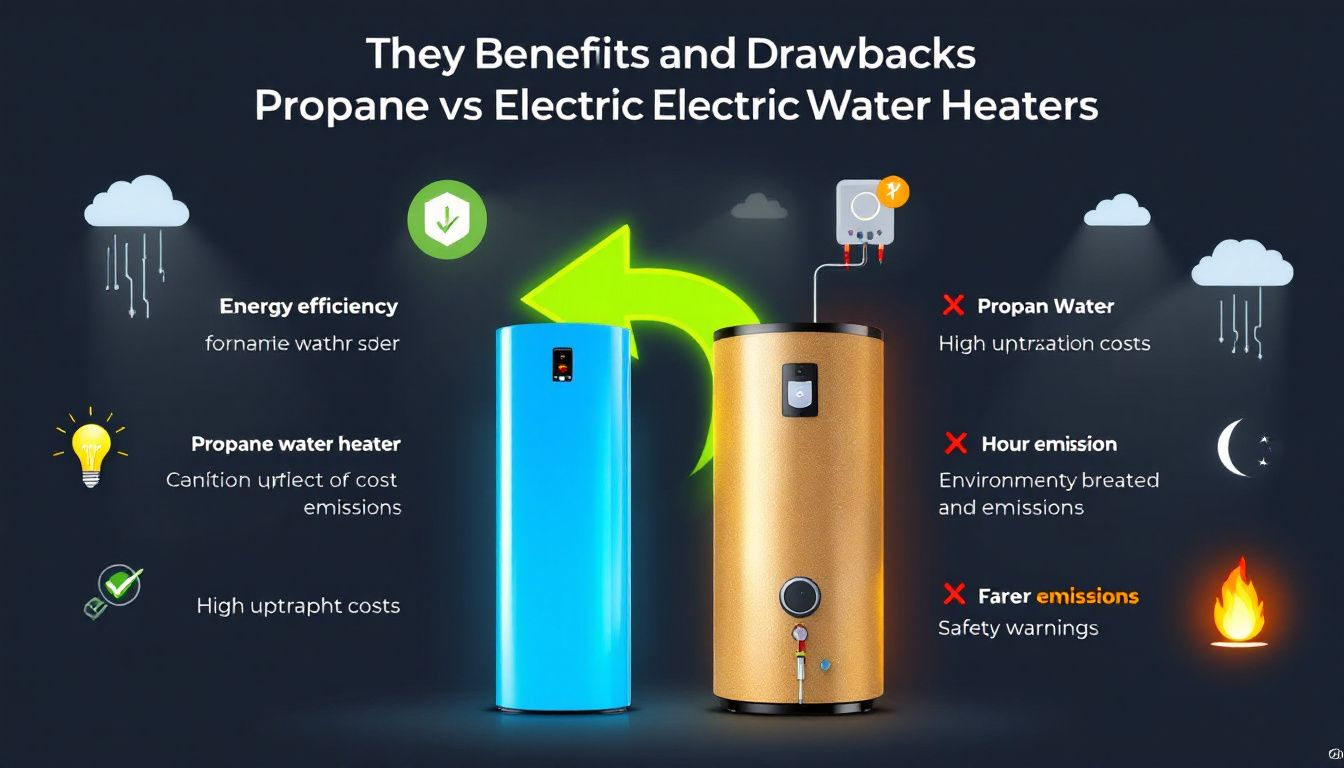
Propane water heaters offer several advantages that make them a popular choice for many homeowners. They provide efficient heating and can help reduce energy expenses. Their performance suits households with higher hot water needs.
Understanding the benefits of propane water heaters helps you decide which system fits your home best. Below are key benefits to consider.
Lower Operating Costs
Propane water heaters typically cost less to run than electric models. Propane burns hotter and more efficiently, using less fuel to heat water. This efficiency lowers your monthly energy bills. Over time, these savings can add up significantly.
Faster Recovery Rate
These heaters warm water faster than electric versions. Faster recovery means hot water is ready sooner after use. This feature is ideal for busy homes with multiple people needing hot water quickly. It reduces wait times and improves convenience.
Higher Heat Output
Propane produces a higher heat output compared to electricity. This allows the water heater to reach hotter temperatures faster. Higher heat output suits larger households or homes with high hot water demand. It ensures steady hot water supply during peak use.
Credit: www.bluewaterclimatecontrol.com
Electric Water Heater Benefits
Electric water heaters provide many benefits that attract homeowners. They are cost-effective and user-friendly. These units suit various home sizes and needs. Choosing electric can simplify your hot water setup.
Lower Upfront Cost
Electric water heaters usually cost less to buy. They require fewer parts and simpler technology. This lower price makes them ideal for tight budgets. You can save money at purchase without sacrificing quality.
Simpler Installation
Installing an electric water heater takes less time and effort. These units do not need fuel lines or vents. Electric models connect directly to your home’s power supply. This reduces labor costs and installation complexity.
Safer Operation
Electric water heaters have a safer profile than propane units. There is no risk of gas leaks or carbon monoxide. Electric units operate quietly and with fewer hazards. Safety is a key advantage for families and renters.
Cost Comparison
Choosing between a propane and an electric water heater involves understanding the cost differences. The price of the unit, energy bills, and savings over time all matter. This section breaks down those costs clearly.
Initial Investment
Electric water heaters usually cost less to buy and install. Propane units have a higher upfront price due to more complex parts. Installation for propane heaters can also be more expensive because of gas line setup and ventilation needs.
Monthly Energy Expenses
Electric heaters often lead to higher monthly energy bills. Propane burns hotter and heats water faster, using less fuel overall. This efficiency can lower your monthly costs, especially in areas where electricity rates are high.
Long-term Savings
Propane heaters save more money over several years due to better efficiency. Their faster recovery times reduce energy waste. Electric heaters may cost less now but can add up to higher bills later. Considering lifespan and fuel costs is key for real savings.
Efficiency And Performance
Choosing between a propane and an electric water heater depends heavily on efficiency and performance. These factors affect energy use, cost, and daily comfort. Understanding how each type works can help you pick the best option for your home.
Energy Conversion Rates
Propane water heaters convert fuel into heat at about 80 to 90 percent efficiency. This means most of the energy from propane becomes hot water. Electric water heaters have nearly 95 to 99 percent efficiency. They convert almost all electric power into heat. Still, electricity costs more per unit than propane. So, higher efficiency does not always mean lower costs.
Recovery Speed
Recovery speed shows how fast a heater warms cold water. Propane heaters usually heat water quicker. They can refill a tank in less time than electric models. This is useful for large families or heavy water use. Electric heaters take longer to recover. This delay can be inconvenient during busy mornings or nights.
Temperature Consistency
Temperature consistency means keeping water at a steady heat. Propane heaters often hold temperature well, even with high demand. Electric heaters may have small fluctuations in heat during heavy use. Some electric models use advanced technology to improve this. Consistent temperature matters for comfort and safety in daily use.
Environmental Impact
The environmental impact of water heaters is a vital factor in choosing between propane and electric models. Understanding how each type affects the planet helps make a responsible choice. This section explores key environmental aspects such as emissions, energy source sustainability, and carbon footprint.
Emissions And Pollution
Propane water heaters burn fuel to generate heat. This process releases carbon dioxide and small amounts of other pollutants. Electric water heaters produce no emissions on-site. However, their impact depends on how the electricity is made. In areas using coal or gas power plants, electric heaters indirectly cause pollution. Cleaner electric grids reduce this effect.
Energy Source Sustainability
Propane is a fossil fuel. It comes from natural gas processing or oil refining. This makes it a non-renewable energy source. Electric water heaters can use electricity from many sources. Renewable options include solar, wind, and hydroelectric power. Using green electricity lowers the environmental impact of electric heaters. Propane relies on limited resources that can run out.
Carbon Footprint
The carbon footprint measures total greenhouse gases released over a product’s life. Propane heaters emit carbon dioxide when burning fuel. This adds to global warming. Electric heaters have no direct emissions but depend on the power source. Renewable electricity greatly reduces carbon output. In most cases, electric heaters have a smaller carbon footprint than propane ones.
Installation And Maintenance
Choosing between a propane and an electric water heater involves understanding installation and maintenance differences. These factors affect your home’s setup and long-term costs. Both types need proper space, regular care, and safety checks to work well.
Space Requirements
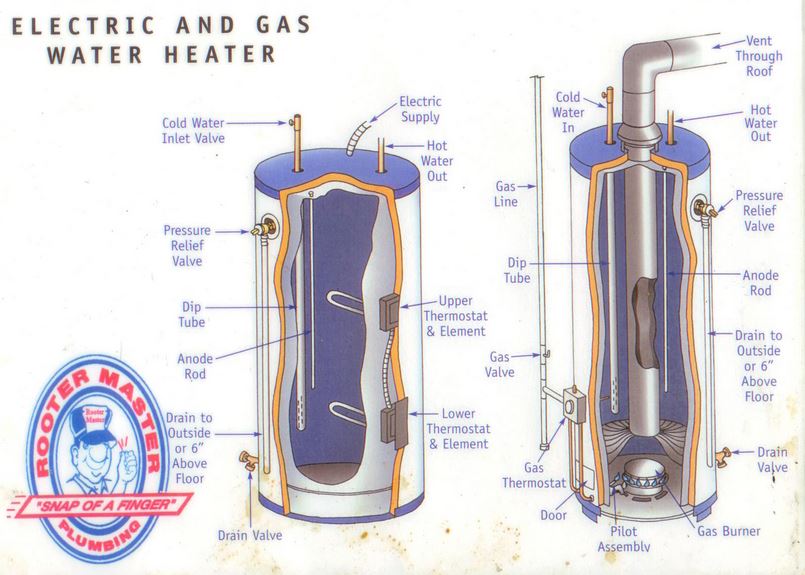
Propane water heaters need more space due to venting needs. They require a place for the propane tank outside or inside with proper ventilation. Electric water heaters are compact and fit easily in tight spaces. No vent pipes or fuel tanks are necessary for electric models.
Maintenance Needs
Propane heaters need regular inspections for leaks and vent blockages. The burner and pilot light must be cleaned and checked yearly. Electric water heaters require less maintenance. You mainly flush the tank yearly to remove sediment buildup. Electric units have fewer parts that can fail over time.
Safety Considerations
Propane heaters pose a risk of gas leaks and carbon monoxide poisoning. Installing carbon monoxide detectors near these units is essential. Electric water heaters do not produce harmful gases. They carry an electrical shock risk if not installed correctly. Both types must follow local safety codes and be installed by professionals.
Potential Drawbacks
Choosing between a propane and an electric water heater means weighing their potential drawbacks. Each type comes with unique challenges that can affect your comfort, cost, and safety. Understanding these issues helps you make a smarter choice for your home.
Propane Supply Challenges
Propane water heaters depend on a steady fuel supply. You must have a propane tank, which needs regular refilling. Delivery schedules can cause delays, especially in bad weather or high demand periods. Running out of propane means no hot water until the tank is refilled. Propane prices can also change often, making it hard to predict monthly costs.
Electricity Dependence
Electric water heaters rely completely on power from the grid. During power outages, they stop working, leaving you without hot water. This can be a big problem in areas with frequent storms or unreliable electricity. Electric models also may increase your electric bill, especially if used heavily. The cost of electricity varies by region and season, affecting your overall expenses.
Safety Risks
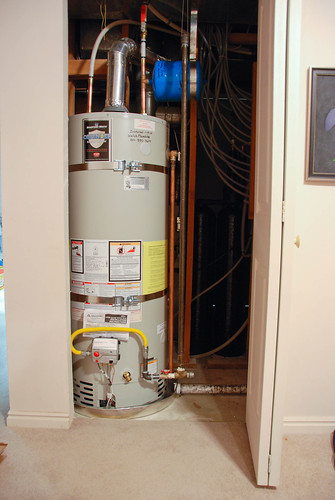
Propane water heaters carry safety concerns if not installed or maintained properly. Leaks can cause fires or dangerous gas buildup like carbon monoxide. Proper ventilation and regular checks are essential to prevent hazards. Electric water heaters have fewer fire risks but can cause electrical shocks if wiring is faulty. Both types need professional installation to ensure safe operation.
Credit: alliedphs.com
Choosing The Right Heater
Selecting the best water heater depends on several key factors. Understanding your needs helps you pick a system that fits your lifestyle. A good choice saves money and energy over time.
Both propane and electric water heaters have benefits. Focus on what matters most for your home and budget.
Home Size And Usage
Large homes with many bathrooms may need a powerful heater. Propane heaters can heat water quickly for big families. Smaller homes or apartments may do well with electric heaters. Consider how much hot water your household uses daily.
Local Energy Prices
Energy costs vary by location and season. Check propane and electricity rates in your area. Propane often costs less to operate but needs tank delivery. Electric heaters have stable rates but may cost more over time. Compare prices to find the most affordable option.
Personal Preferences
Think about installation space and maintenance needs. Propane heaters require a vent and tank outside your home. Electric heaters fit easily in small spaces and need less upkeep. Also, consider environmental impact and safety concerns. Choose what feels right for your household.
Credit: rootermaster.com
Frequently Asked Questions
Which Is Better, A Propane Or An Electric Water Heater?
Propane water heaters heat faster and cost less to operate over time. Electric models have lower upfront costs but higher monthly bills. Choose propane for efficiency and savings, electric for simplicity and lower initial expense.
Is It Cheaper To Heat With Propane Or Electric?
Propane heating usually costs less monthly than electric due to higher efficiency and faster heat recovery. Electric units have lower upfront costs but higher operating expenses. Propane’s price can fluctuate, but it saves money long-term.
What Are The Disadvantages Of Propane Heaters?
Propane heaters have fluctuating fuel costs and require scheduled deliveries. They pose fire and carbon monoxide risks if improperly installed. Tank ownership may limit supplier options. Initial setup costs can be high. Propane’s flammability demands careful handling and ventilation for safety.
What Water Heater Do Plumbers Recommend?
Plumbers often recommend propane water heaters for efficiency and lower operating costs. They heat water faster and save money long-term. Electric heaters cost less upfront but have higher monthly expenses. Choose based on budget, fuel availability, and home setup for best results.
What Are The Main Cost Differences Between Propane And Electric Water Heaters?
Propane water heaters usually cost more upfront but have lower monthly energy bills than electric models.
Conclusion
Choosing between propane and electric water heaters depends on your needs. Propane heats water faster and often costs less over time. Electric units usually have lower upfront prices and need less maintenance. Consider your budget, energy availability, and home setup before deciding.
Both options provide reliable hot water with different benefits. Think about what works best for your lifestyle and local energy costs. Making an informed choice can save money and keep your water hot efficiently.