
Has your oven suddenly popped and tripped your breaker? This can be frustrating and even worrying, especially when you rely on your oven daily.
You might wonder what caused this unexpected shutdown and how to fix it safely without causing further damage. The truth is, an oven tripping the breaker usually points to issues like a faulty heating element, a short circuit, or an overloaded circuit.
But don’t worry—you’re not alone, and there are clear steps you can take to identify the problem and restore your oven’s function. Keep reading to learn what might be triggering your breaker and how you can troubleshoot it effectively to get back to cooking with confidence.

Credit: diy.stackexchange.com
Common Causes
The oven popping and tripping the breaker is a common electrical issue in many homes. Several problems inside the oven or the electrical system cause this. Understanding these common causes helps identify the problem faster. This section explains the main reasons your oven might trip the breaker.
Faulty Heating Element
The heating element is the part that heats the oven. It can wear out over time or get damaged. A faulty heating element often causes a short circuit. This short triggers the breaker to trip immediately for safety.
Short Circuit
A short circuit happens when electricity flows along an unintended path. This can occur if wires touch each other or metal parts inside the oven. The breaker trips to prevent damage or fire.
Ground Fault
A ground fault occurs when a live wire touches the oven’s metal frame or ground wire. This sends electricity where it should not go. The breaker cuts power to avoid shocks or harm.
Overloaded Circuit
An overloaded circuit means too many devices draw power from the same circuit. The breaker trips to stop overheating. Using several high-power appliances on one circuit can cause this.
Damaged Wiring
Wires inside the oven or the wall can get loose, frayed, or corroded. Damaged wiring may cause shorts or ground faults. This makes the breaker trip as a safety measure.
Control Board Issues
The control board manages the oven’s functions. If it malfunctions, it can send wrong signals or cause electrical faults. A bad control board can cause the breaker to trip unexpectedly.
Initial Checks
When your oven causes the breaker to trip, start with some simple checks. These initial steps help you find obvious problems fast. Safety is key, so take your time and follow each step carefully. This approach often avoids costly repairs and keeps your kitchen safe.
Unplug The Oven
First, unplug the oven from the power outlet. This cuts off electricity to prevent shocks. It also stops the oven from causing more damage. Wait a few minutes before moving to the next step. This pause lets any electrical charges settle down.
Inspect Power Cord And Wiring
Look closely at the oven’s power cord and visible wiring. Check for cracks, burns, or frayed areas. Damaged cords can cause short circuits or overloads. If you find any damage, do not use the oven. Call a professional to replace or repair the cord safely.
Test Different Outlet
Try plugging the oven into another outlet. Use one that you know works well and is on a different circuit. This test shows if the problem is with the oven or the outlet. If the breaker still trips, the oven likely has an internal fault. If not, the original outlet or circuit may be the issue.
Clean The Oven Interior
Remove any food crumbs, grease, or spills inside the oven. Dirt can cause electrical parts to short out. Use a soft cloth and mild cleaner for safety. Keep heating elements dry and clear of debris. A clean oven runs better and lowers the chance of tripping the breaker.
Resetting The Breaker
Resetting the breaker is the first step after your oven trips the circuit. It restores power and helps you test if the problem is temporary or ongoing. Follow these simple steps to reset the breaker safely and correctly.
Locate The Circuit Breaker
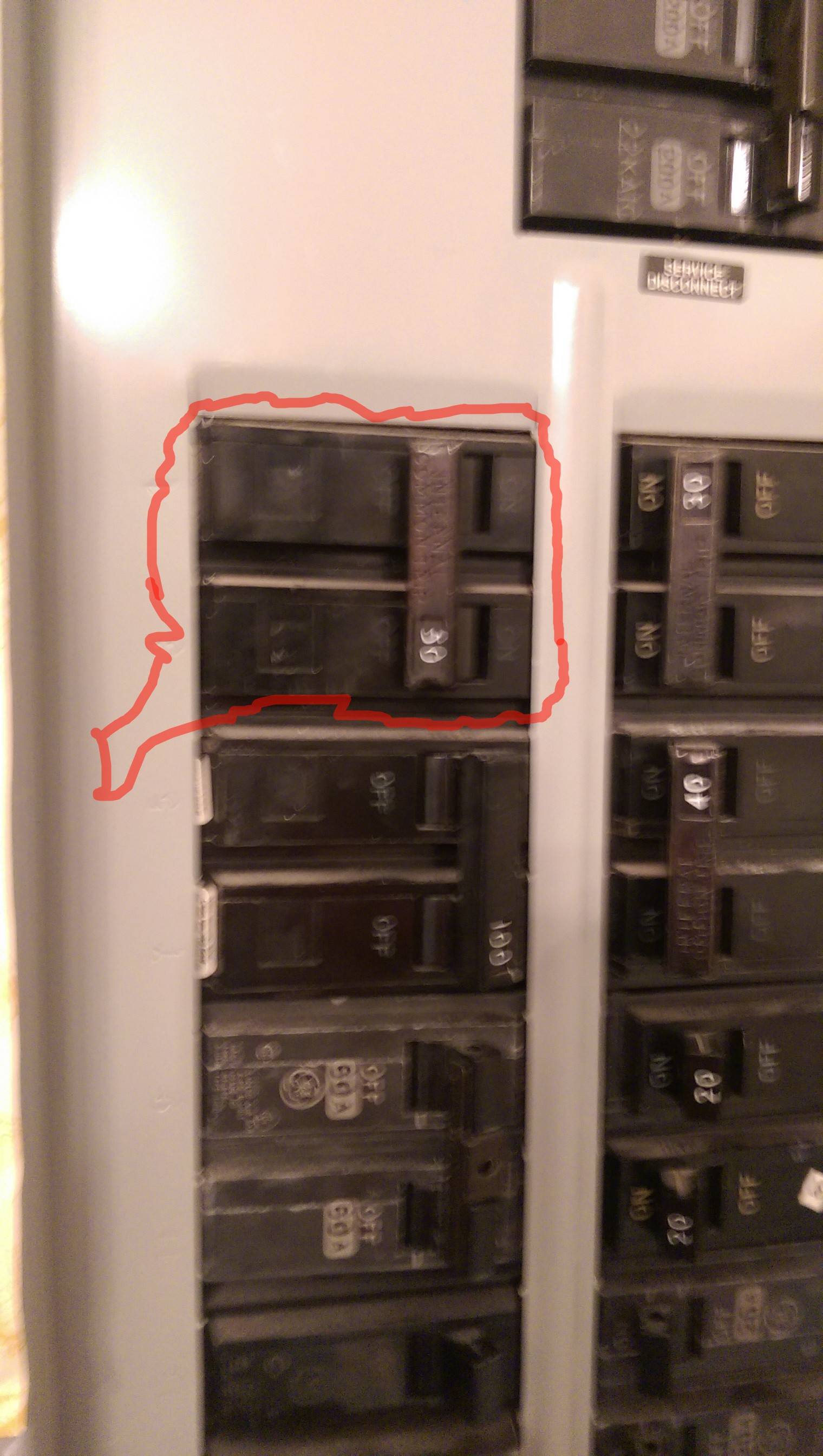
Find your home’s electrical panel. It is usually in the basement, garage, or utility room. Open the panel door and look for the breaker labeled “oven” or “kitchen.” The breaker that tripped will be in the “off” or middle position.
Reset Procedure
Switch the breaker fully to the “off” position. Wait a few seconds. Then, flip it back to the “on” position. You should feel or hear a click. This action restores power to the oven. Check if the oven works properly now.
Safety Precautions
Always make sure your hands are dry before touching the breaker. Use a flashlight if the area is dark. Do not force the breaker if it won’t reset. If the breaker trips again immediately, unplug the oven. Call a qualified electrician for help. Safety comes first to avoid electric shock or fire risk.
Quick Fixes At Home
When an oven causes a breaker to trip, quick fixes at home can help restore power. These steps often solve common problems without waiting for a technician. Safety comes first: always turn off power before starting any work. Simple actions like reducing load or checking connections often stop the breaker from tripping again.
Reducing Circuit Load
Overloading the circuit can trip the breaker easily. Unplug other appliances on the same circuit. Spread out the use of high-power devices to different outlets. This reduces the total current flowing through one circuit. Less load means less chance of the breaker tripping. Use fewer appliances at the same time to keep the circuit stable.
Tightening Loose Connections
Loose wires cause short circuits and breaker trips. Switch off power at the breaker panel. Remove the oven’s access panel to find wiring connections. Check for loose or damaged wires and tighten them carefully. Secure connections reduce electrical shorts. Loose wires often create sparks and trips, so fixing them is key.
Replacing A Heating Element
A faulty heating element can cause the breaker to trip. This part heats the oven, and damage leads to shorts. Unplug the oven and remove the old heating element. Inspect it for breaks or burn marks. Install a new element that matches your oven model. Testing after replacement shows if the breaker stays on. This fix often solves the problem quickly.
When To Call A Professional
Knowing when to call a professional is key for oven problems that trip breakers. Some issues need expert skills to fix safely and effectively. Avoid risks by recognizing signs that require professional help.
Persistent Breaker Trips
If the breaker trips repeatedly after resetting, it signals a deeper issue. Simple fixes may not work. A professional can find hidden faults causing the trips. They use tools to test the oven’s electrical system safely.
Complex Wiring Issues
Wiring problems inside the oven or circuit are tricky and dangerous. Damaged or loose wires can cause shorts or fires. Professionals have the knowledge to inspect and repair wiring correctly. DIY attempts may worsen the problem or cause shocks.
Control Board Repairs
The oven’s control board controls power and functions. Faults here can cause breaker trips and oven malfunctions. Repairing or replacing the control board needs expert skills. A technician can diagnose board issues and fix them safely.
Credit: diy.stackexchange.com
Preventive Tips
Preventing your oven from popping and tripping the breaker saves time and stress. Taking simple steps can keep your kitchen safe and your oven working well. Avoiding electrical problems helps stop sudden power cuts and possible damage to your oven or home wiring.
Avoid Overloading Circuits
Do not run too many appliances on the same circuit. Overloading causes the breaker to trip to protect your home. Use separate outlets for high-power devices like ovens and microwaves. Spread out your kitchen appliances across different circuits. This reduces the chance of a sudden power surge or overload.
Regular Oven Maintenance
Clean your oven regularly to prevent dirt buildup on heating parts. Dirt or grease can cause overheating and electrical shorts. Inspect heating elements for cracks or damage. Replace broken parts immediately to avoid electrical hazards. Follow the manufacturer’s instructions for maintenance and cleaning.
Professional Inspections
Schedule a professional electrician to check your oven wiring and circuit. They can spot hidden faults or worn-out parts that cause breaker trips. A certified technician can test the control board and heating elements safely. Regular inspections catch problems before they become serious. This keeps your oven and home electrical system safe.

Credit: www.youtube.com
Frequently Asked Questions
Why Would An Oven Trip The Breaker?
An oven trips the breaker due to circuit overload, short circuit, ground fault, faulty heating element, damaged wiring, or control board issues. Unplug the oven, inspect for damage, and test another outlet. Persistent problems require a qualified technician to diagnose and fix the fault.
How Do You Fix An Oven After A Power Surge?
Unplug the oven and reset the circuit breaker. Inspect for visible damage or burnt wires. Test the oven on another outlet. Clean internal debris. Call a professional if the breaker trips again or if you find faulty components like heating elements or wiring.
Can A Bad Appliance Cause A Breaker To Trip?
Yes, a bad appliance can cause a breaker to trip due to short circuits, overloads, or ground faults. Faulty heating elements, damaged wiring, or control boards often trigger breaker trips. Unplugging the appliance and checking for visible damage helps identify the issue.
Always consult a professional for repairs.
How To Tell If A Fuse Has Blown In An Oven?
A blown oven fuse causes the oven to stop working. Check the fuse for a broken metal strip or discoloration. Use a multimeter to test for continuity; no continuity means the fuse is blown. Replace the fuse with the exact type for safety and proper function.
Why Does My Oven Pop And Trip The Breaker?
An oven popping and tripping the breaker usually means a short circuit or overload in its wiring or heating element.
Conclusion
An oven tripping a breaker signals an electrical issue needing attention. Common causes include a faulty heating element, wiring problems, or an overloaded circuit. Always unplug the oven before inspecting or testing. Try using a different outlet to rule out circuit overload.
If the breaker trips again, call a professional technician. Regular checks and timely repairs keep your oven safe and working well. Don’t ignore repeated breaker trips—they protect your home from electrical hazards. Stay cautious and fix problems early for peace of mind.