
Is your oven making a clicking noise that you just can’t ignore? You’re not alone—and it’s understandable to feel concerned when your kitchen appliance starts acting up.
That repetitive clicking sound might seem harmless, but it can be a clue that something needs your attention. Whether it’s the metal parts expanding, the temperature controls cycling, or a gas igniter trying to spark, knowing what’s behind that noise can save you time, money, and even prevent safety risks.
You’ll discover why your oven is clicking, when it’s normal, and when it’s a sign that you should take action. Keep reading to learn how to decode those clicks and keep your oven running smoothly.
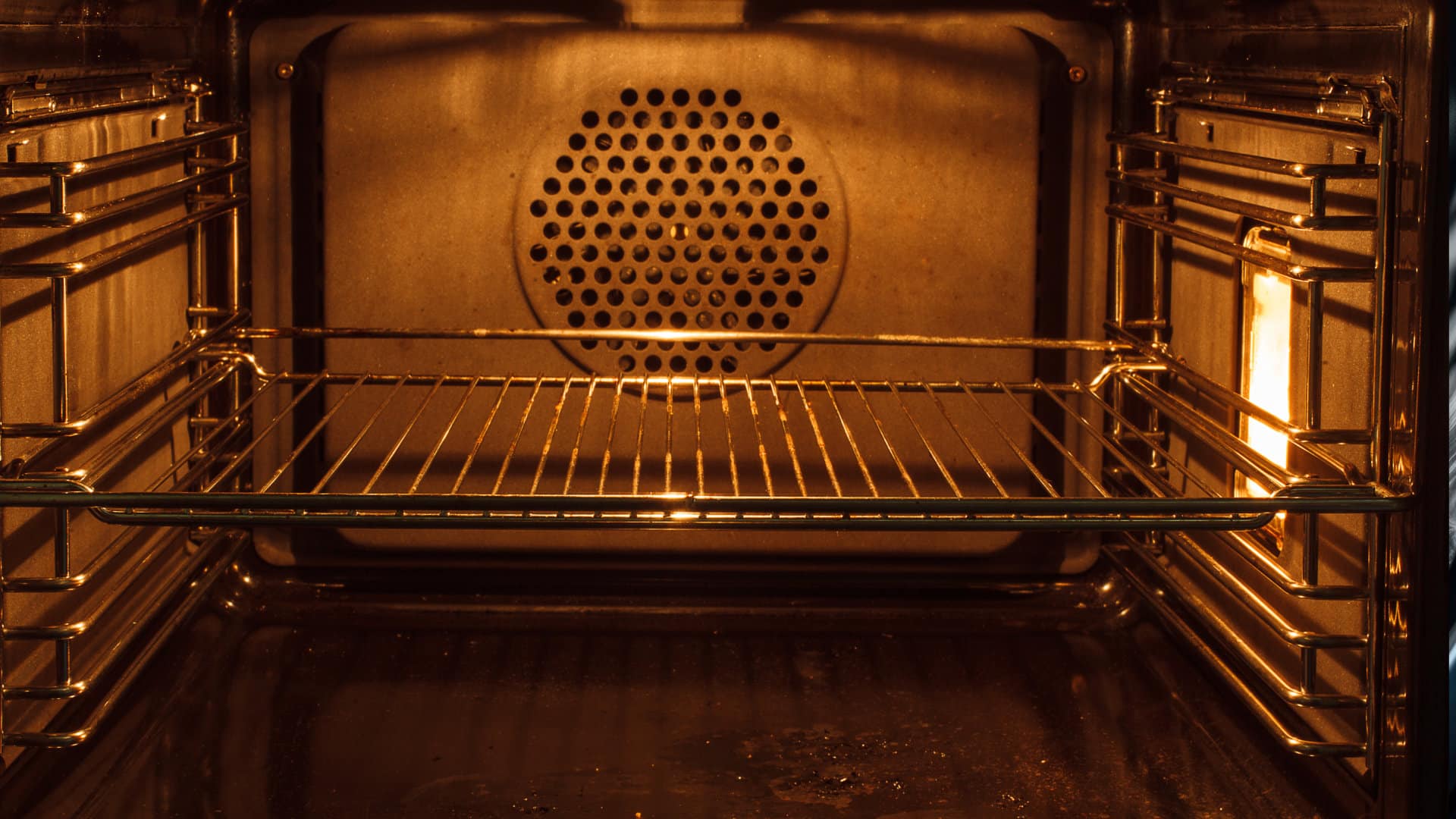
Credit: fredsappliance.com
Common Clicking Sounds
Ovens often make clicking sounds during normal use. These sounds usually come from parts working as they should. Understanding common clicking noises helps you know what is normal and what might need attention. Below are the typical sources of clicking sounds in ovens.
Heating And Cooling Effects
Oven parts expand and contract as they heat and cool. This causes metal to make soft clicking or popping noises. These sounds are normal and happen mostly when the oven starts or stops heating. The metal flexes slightly, creating these small noises.
Temperature Control Cycling
Modern ovens use relays to keep the temperature steady. These relays turn the heating element on and off. The switching produces a clicking sound. This sound is a sign the oven is working to keep the heat balanced inside.
Gas Oven Ignition Clicks
Gas ovens click when the igniter sparks to light the gas. The clicking stops once the flame ignites. This is a normal part of the ignition process. If clicking continues without a flame, it may mean a problem with the igniter or gas supply.

Credit: 5starappliancerepair.pro
Signs Of Trouble
An oven making clicking noises can mean different things. Some sounds are normal. Others signal a problem that needs attention.
Noticing unusual noises early can prevent bigger issues. Watch for patterns and changes in sound or operation.
Persistent Gas Oven Clicking
Continuous clicking from a gas oven often means the igniter is not lighting the gas properly. This can waste gas and cause wear on parts. It may also delay cooking or stop the oven from heating.
Loud Or Unusual Noises
Loud clicking or banging sounds are not normal. These noises might come from loose parts or electrical faults. Ignoring them can lead to damage or safety risks.
Clicking Without Oven Operation
Clicking sounds when the oven is off can indicate electrical issues. This may involve the control board or wiring. It is best to have a technician check this soon.
Door Latch Issues
Clicking noises near the door often point to latch problems. A faulty latch can stop the oven from locking or sealing properly. This affects cooking and safety.
Fan And Motor Noises
Fans and motors inside the oven can make clicking if they are failing or blocked. These noises may come with vibration or uneven heating. Cleaning or repairs may be needed.
Quick Fixes
Fixing an oven that makes clicking noises can be simple. Quick fixes often solve common problems. These easy steps help stop the noise and get your oven working well again.
Cleaning The Igniter
The igniter can gather dirt and grime. This buildup may cause repeated clicking sounds. Turn off the oven and let it cool. Use a soft brush or cloth to clean the igniter gently. Avoid using water directly on the igniter. Keeping it clean helps the igniter light the gas properly.
Removing Soot And Blockages
Soot or blockages in the burner holes can stop the oven from lighting. This may cause clicking noises as the igniter tries to ignite the gas. Use a small brush or a needle to clear out the burner holes. Make sure the oven is off and cool before cleaning. Clear holes allow gas to flow smoothly and ignite quickly.
Resetting The Door Latch
The door latch can cause clicking if it does not close well. This may disrupt the oven’s normal cycle. Open and close the door firmly. Check for any debris or damage in the latch area. Press the latch gently to reset it. A properly closed door stops unwanted noises and ensures safety.
When To Call A Technician
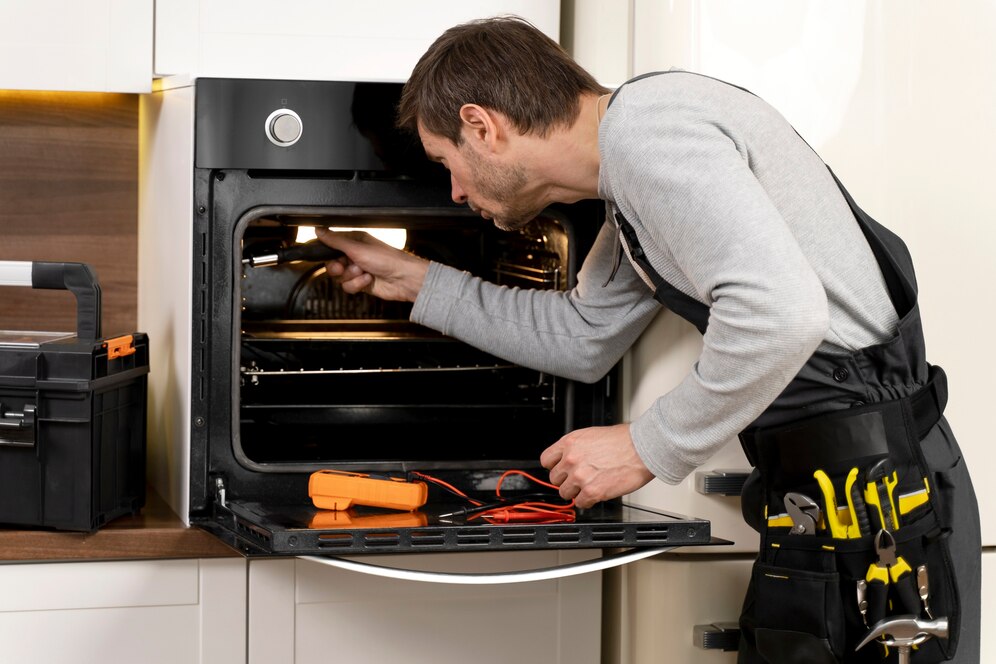
Oven clicking noises can be normal, but some sounds require expert help. Knowing when to call a technician can save you time and money. Persistent or loud clicking often signals a problem that needs fixing. A professional can diagnose and repair issues safely and correctly. Below are common situations that need a technician’s attention.
Faulty Igniter Replacement
A gas oven clicking constantly might have a faulty igniter. The igniter tries to light the gas but fails, causing repeated clicking. This wastes gas and can damage the oven’s electrical parts. A technician can test the igniter and replace it if needed. Do not ignore long clicking sounds in a gas oven.
Electrical Short Diagnosis
Clicking sounds with sparks or burning smells could mean an electrical short. This is dangerous and can cause fire hazards. Only a trained technician can safely inspect the wiring and control board. They will find the short and repair or replace the damaged parts. Do not use the oven until a professional checks it.
Fan Repair And Replacement
A noisy fan inside the oven can cause clicking or rattling sounds. The fan helps spread heat evenly but can wear out or break. A technician will open the oven and check the fan motor and blades. They can fix or replace the fan to restore quiet and proper oven function. Strange noises from the fan should not be ignored.
Preventive Tips
Preventing clicking noises in your oven keeps it running smoothly. Simple care helps avoid many common problems. Follow these tips to reduce or stop annoying sounds.
Regular Maintenance Routines
Clean your oven regularly to remove food debris. Wipe down the heating elements and interior walls. Check for loose screws or parts that may rattle. Inspect the door latch and hinges for tightness. Replace worn-out seals to keep heat inside. Clean gas burner holes gently if you have a gas oven. These steps reduce noises caused by dirt or loose parts.
Safe Use During Self-cleaning
Do not open the oven door during self-cleaning. The high heat can cause metal parts to expand and click. Allow the oven to cool fully before touching it. Remove racks if they make noise during the cycle. Follow manufacturer instructions closely for safe cleaning. Proper use limits stress on oven components that cause clicking sounds.
Monitoring Unusual Sounds Early
Listen carefully for new or louder clicking noises. Note when the sounds occur, such as during heating or cooling. Early detection helps fix small issues before they grow. Schedule professional inspections if clicking persists or worsens. Acting quickly prevents damage and costly repairs. Stay alert to keep your oven quiet and efficient.
Credit: smartapplianceservices.com
Frequently Asked Questions
Is It Safe To Use A Stove That Keeps Clicking?
A stove that keeps clicking is usually safe but can indicate a weak igniter or blocked gas port. Persistent clicking needs inspection. Turn off the stove if clicking occurs without ignition or power. Regular maintenance prevents issues and ensures safe operation.
Is It Bad If My Oven Is Making Noises?
Oven noises can be normal, like clicking from temperature controls or metal expanding. Persistent, loud, or new clicks may indicate issues with the igniter, fan, or door latch. Turn off the oven if you smell burning or hear unusual sounds, and consider professional inspection.
Why Is My Oven Making A Clicking Noise?
Ovens click when heating elements turn on/off or metal parts expand and contract.
Is Clicking Noise From A Gas Oven Normal?
Yes, gas ovens click while the igniter lights the flame; it stops once lit.
When Should I Worry About Oven Clicking Sounds?
Persistent, loud clicking or no ignition may mean a faulty igniter or electrical issue.
Conclusion
An oven’s clicking noise can be normal or a sign of trouble. Gentle clicks often come from metal expanding or temperature controls cycling. Loud, constant, or new clicking sounds may mean parts like the igniter or fan need attention. Always listen carefully to changes in noise patterns.
Regular cleaning and timely repairs keep your oven working well. Don’t ignore persistent clicking, especially in gas ovens, to stay safe. Understanding these sounds helps you decide when to fix or call a professional. Your oven should run quietly and safely for the best cooking experience.