
Is your oven’s cooling fan making a loud, annoying noise that won’t quit? You’re not alone, and it can be more than just a minor nuisance.
That constant whirring, squeaking, or rattling can disrupt your kitchen’s peace and make cooking a frustrating experience. But before you rush to call a repair technician, understanding why your oven’s cooling fan is noisy can save you time and money.
You’ll discover the common causes behind that irritating sound and simple steps you can take to fix it yourself. Ready to silence your oven and get back to stress-free cooking? Keep reading—your quiet kitchen awaits.

Credit: www.reddit.com
Common Fan Noise Causes
Oven cooling fan noise often comes from a few common issues. Identifying these causes helps you decide if a repair is needed or if the noise is normal. Understanding fan noise sources keeps your oven running smoothly and quietly.
Worn Motor Bearings
Motor bearings allow the fan to spin smoothly. Over time, they wear out and cause a grinding or squealing noise. This wear makes the fan work harder, risking motor damage. Replacing the bearings or motor often stops the noise.
Unbalanced Fan Blades
Fan blades can become unbalanced due to damage or bending. This imbalance causes vibrations and rattling sounds. It may also reduce cooling efficiency. Straightening or replacing blades can restore balance and silence the fan.
Debris And Dust Build-up
Dust and debris collect on fan blades and motor parts. This build-up creates extra noise and slows the fan. Regular cleaning removes dirt and prevents noise. Use a soft brush or compressed air to keep the fan clear.
Loose Fan Components
Loose screws or mounts cause the fan to wobble and rattle. Tightening all fasteners secures the fan in place. Check fan housing and motor brackets for firmness. Secure parts reduce noise and improve fan stability.
Normal Cooling Fan Operation Sounds
Some noise during oven cooling is normal. The fan runs to cool oven parts after use. This sound is usually a steady hum or gentle whir. Loud or unusual noises may signal a problem needing attention.
Diagnosing Fan Noise Issues
Diagnosing fan noise issues in your oven helps you find the root cause quickly. A noisy cooling fan can signal problems that need attention. This section guides you through simple steps to check the fan’s condition and function. Follow these easy checks to spot common faults and reduce noise.
Inspecting Fan Blades
Start by unplugging the oven for safety. Remove the fan cover carefully. Look at the fan blades for dust, dirt, or damage. Clean any debris using a soft brush or cloth. Bent or cracked blades can cause imbalance and noise. Replace damaged blades to restore smooth operation.
Checking Fan Motor Function
Check if the fan motor runs smoothly without unusual resistance. Spin the blades gently by hand. If they feel stiff or stuck, motor bearings may be worn out. Listen for grinding or scraping sounds from the motor. These signs indicate the motor needs repair or replacement.
Identifying Unusual Sounds
Turn the oven on and listen to the fan carefully. A loud whirring noise often means motor bearings are failing. Clicking or rattling sounds can suggest loose parts or debris inside the fan housing. Note the type and timing of noises to help diagnose the issue accurately.
Testing Fan Blade Movement
With the fan cover removed, test the blade movement manually. The blades should spin freely and evenly. Wobbling or uneven spinning causes vibrations and noise. Tighten any loose screws holding the fan assembly. Ensure the blades do not touch the fan housing or other parts.
Diy Fixes For Loud Fans
A loud oven cooling fan can disrupt your kitchen peace and raise concerns about your appliance’s health. Simple do-it-yourself fixes often reduce or stop the noise. These easy steps save time and money compared to professional repairs. Basic tools and a bit of care help restore quiet operation.
Cleaning Fan Blades And Housing
Turn off and unplug your oven before starting. Remove the fan cover carefully. Use a soft brush or cloth to wipe away dust and grime from the fan blades. Clean inside the fan housing to remove built-up dirt. Dirt can cause imbalance and extra noise. Regular cleaning keeps the fan running smoothly and quietly.
Tightening Loose Parts
Loose screws or fittings can cause rattling noises. Check all screws around the fan and motor assembly. Use a screwdriver to tighten any loose parts gently. Avoid overtightening to prevent damage. Secure parts reduce vibrations and help the fan run quietly.
Lubricating Motor Bearings
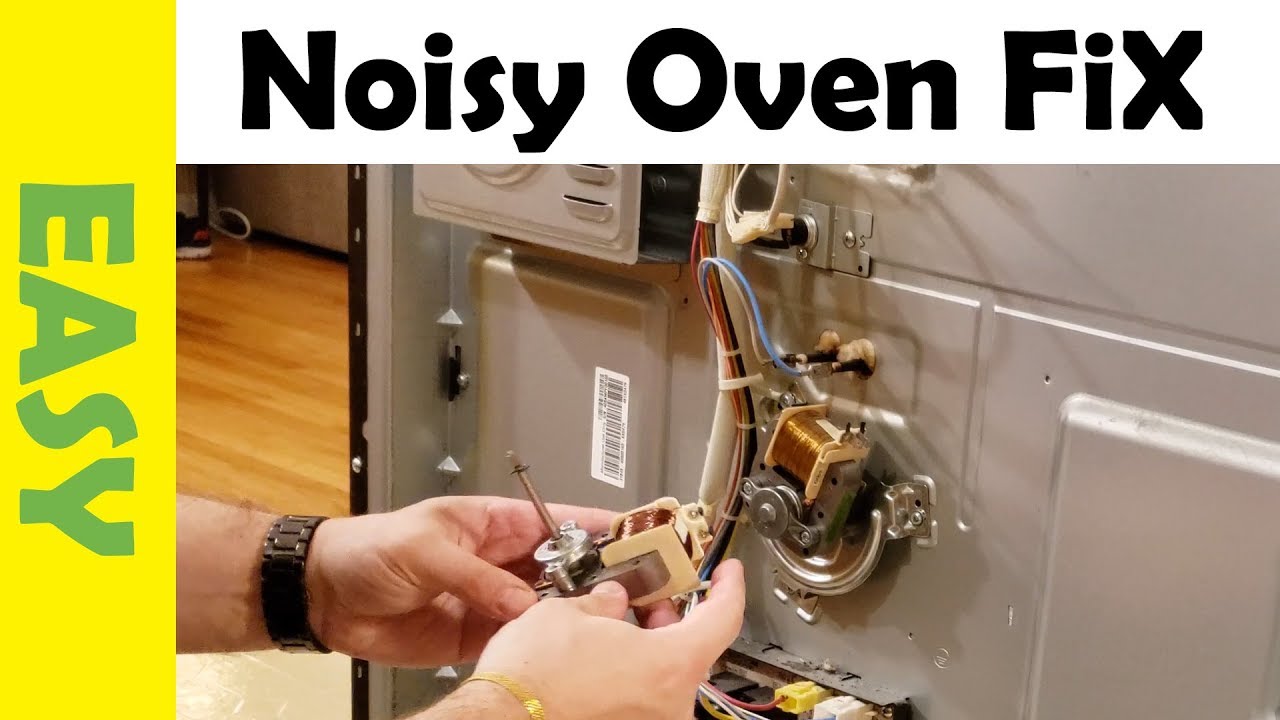
Dry motor bearings cause grinding or whining sounds. Apply a few drops of light machine oil or electric motor oil to the bearing area. Avoid over-oiling, which can attract dust. Spin the fan blades by hand to distribute the oil. Lubrication reduces friction and noise, extending the motor’s life.
Replacing Damaged Fan Blades
Inspect fan blades for cracks or bends. Damaged blades create unbalanced rotation and loud noise. Order exact replacement blades from the oven manufacturer or a trusted supplier. Remove the old blades and install new ones securely. Balanced blades ensure smooth, quiet fan operation.
Credit: www.youtube.com
When To Call A Professional
Knowing when to call a professional for oven cooling fan noise saves time and avoids damage. Some problems seem small but need expert help. Ignoring signs can lead to costly repairs or unsafe conditions. Understanding key warning signs guides you to the right action quickly.
Signs Of Motor Failure
Loud grinding or rattling noises often mean motor failure. The fan may stop spinning or spin unevenly. Burning smells or smoke signals serious motor issues. The oven might overheat due to poor cooling. These signs show the motor needs immediate professional inspection.
Complex Repairs And Part Replacement
Replacing fan motors or blades is tricky and requires skill. Wiring problems or control board faults also cause fan noise. Professionals have tools to remove and install parts safely. DIY fixes may worsen the problem or void warranties. Complex repairs demand expert knowledge and experience.
Safety Precautions
Unplug the oven before any inspection or repair. Avoid touching electrical components or moving fan blades. Damaged parts can cause electric shocks or fire hazards. Professionals follow strict safety standards to protect you. Calling a technician ensures safe and correct handling of repairs.
Preventing Future Fan Noise
Preventing future oven cooling fan noise keeps your kitchen quiet and your oven working well. Noise often results from dust, debris, or worn parts. Taking simple steps reduces noise and extends the fan’s life. Follow these easy tips for a smoother, quieter oven experience.
Regular Cleaning Schedule
Clean the fan regularly to stop dust build-up. Dust makes the fan work harder and creates noise. Use a soft brush or cloth to wipe the blades gently. Cleaning every few weeks keeps the fan running smoothly. Always unplug the oven before cleaning to stay safe.
Avoiding Debris Build-up
Keep the area around the fan free from food crumbs and grease. These can block the fan blades and cause noise. Check the fan cover and vents often. Remove any stuck debris carefully. Preventing build-up helps the fan spin without resistance.
Proper Oven Usage Habits
Use the oven as recommended by the manufacturer. Avoid opening the door too often during cooking. This helps the fan cool the oven efficiently. Don’t overload the oven with heavy dishes. Proper use reduces stress on the fan and lowers noise.
Routine Maintenance Checks
Inspect the fan and motor regularly for wear or damage. Listen for unusual sounds that may signal a problem. Tighten any loose screws or parts around the fan. Replace worn bearings or blades early to avoid louder noise. Regular checks keep the fan in top condition.

Credit: www.youtube.com
Cooling Fan Noise Vs Other Oven Sounds
Oven sounds can be confusing. Some noises are normal, while others signal a problem. Cooling fan noise is common but differs from other oven sounds. Knowing these differences helps you decide if your oven needs repair or just cleaning.
Distinguishing Fan Noise From Igniter Clicking
Igniter clicking is a sharp, repeated sound. It happens when the oven tries to light the burner. This noise stops once the burner lights. Cooling fan noise is a steady hum or whirring sound. It runs to cool the oven after use. The fan noise is softer and lasts longer than clicking.
Identifying Relay Or Electrical Sounds
Relay noises are often soft clicks or buzzes. These come from electrical switches turning on or off. The sound can be rhythmic or random. Cooling fan noise is mechanical, made by the fan blades. Electrical sounds do not have a spinning or whirring tone. Listening closely helps spot the difference easily.
Normal Cooling Fan Operation Timing
The cooling fan usually starts after the oven turns off. It runs to lower the oven temperature. This can take several minutes depending on oven heat. If the fan runs too long or makes loud noises, check for dust or damage. Normal fan operation should be quiet and smooth. Excess noise often means cleaning or repair is needed.
Frequently Asked Questions
Why Is The Fan On My Oven Fan Making Noise?
A noisy oven fan usually means worn motor bearings or unbalanced blades. Clean debris and check blade movement. Replace parts if needed.
Do Ovens Make Noise When Cooling Down?
Yes, ovens often make noise when cooling down. The cooling fan runs to dissipate heat, which can cause humming or whirring sounds. Cleaning dust or debris from fan blades usually reduces noise. Clicking noises might indicate the igniter cycling or a faulty relay.
Why Is My Cooling Fan Noisy?
Your cooling fan is noisy due to dust buildup, worn motor bearings, or unbalanced fan blades. Clean and inspect it regularly.
How To Fix A Noisy Stove Fan?
Unplug the stove and remove the fan cover. Clean debris from blades and check for damage. Replace worn motor bearings or fan blades if noise persists.
Why Is My Oven Cooling Fan Making Loud Noise?
A loud fan often means worn motor bearings or unbalanced fan blades needing cleaning or repair.
Conclusion
A noisy oven cooling fan can disrupt your kitchen’s peace. Regular cleaning helps keep the fan blades clear of dust and debris. Worn motor bearings often cause loud, squeaking sounds. Checking and replacing faulty parts can reduce noise effectively. Remember to unplug your oven before inspecting the fan.
Simple steps often fix common noise problems fast. Keeping the fan in good shape extends your oven’s life. Quiet kitchens make cooking more enjoyable and stress-free.