
Have you ever tried installing a P-trap under your sink only to find there’s simply no room for it? It’s a common challenge that can leave you frustrated and stuck, especially in tight spaces like vanity cabinets or compact bathrooms.
But don’t worry—this problem isn’t unsolvable. Understanding why there’s no room for a P-trap and exploring smart, practical solutions can save you time, money, and stress. You’ll discover easy ways to handle limited space, alternative plumbing options, and step-by-step tips to get your drain working perfectly without the usual headaches.
Keep reading to turn your cramped plumbing issue into a smooth, hassle-free fix.
Challenges With Tight Plumbing
Plumbing in small spaces creates many difficulties. Pipes must fit into limited gaps. This can make installing a P-trap tricky or even impossible. Tight areas demand careful planning and precise work. Without enough room, the plumbing system may not function well.
These challenges affect both new installations and repairs. Each problem requires creative solutions to avoid leaks and blockages. Understanding the common obstacles helps homeowners and plumbers prepare better.
Limited Space In Vanity Cabinets
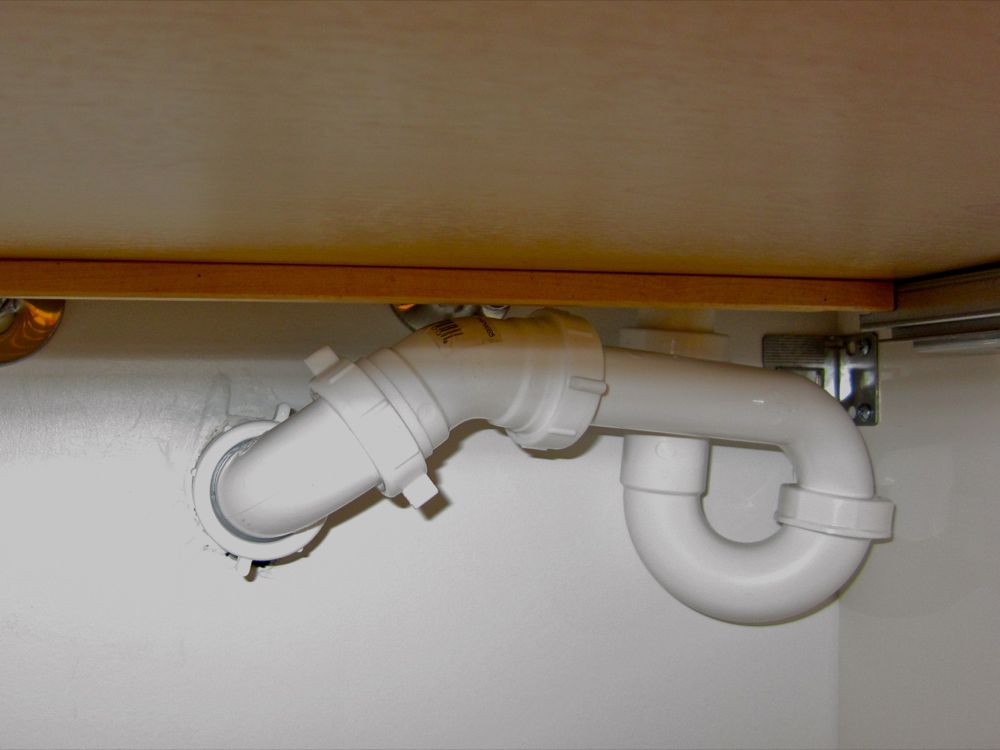
Vanity cabinets often have very little room behind the doors. Pipes, including the P-trap, must fit inside this cramped area. Sometimes the cabinet design leaves no space for a standard P-trap. This limits options and forces the use of special fittings or smaller parts.
Tight cabinet space can cause damage to pipes during installation. It also makes future repairs harder. Proper measurement before starting work helps reduce mistakes.
Misaligned Sink Drains
Sink drains that do not line up with the wall pipe cause fitting problems. The P-trap needs to connect both parts smoothly. Misalignment can force pipes to bend or stretch too much. This weakens connections and may lead to leaks.
Adjusting the drain or using flexible connectors can help. These fixes add cost and time but are often necessary for a good seal.
Code Restrictions On P-traps
Plumbing codes set rules for P-trap installation. These rules ensure safety and proper drainage. In tight spaces, following the code is harder. Some setups may not meet local regulations if there is no room for a standard P-trap.
Plumbers must know the codes well and find approved alternatives. Using the wrong parts risks fines and plumbing failures.

Credit: www.reddit.com
Alternatives To Traditional P-traps
Sometimes, traditional P-traps do not fit in tight spaces under sinks or vanities. Plumbing professionals and DIYers often need alternatives that save space and still prevent sewer gases from entering the room. These alternatives offer compact and functional solutions for plumbing in areas with limited room.
Bottle Traps
Bottle traps have a cylindrical shape, making them compact and easy to fit. They connect directly below the sink drain and use water to block sewer gases. Their design is sleek, often matching modern sink aesthetics. Bottle traps are easy to clean and maintain, reducing clogs and odors. They are popular in bathrooms with limited cabinet space.
Flexible Traps
Flexible traps use bendable tubing to adjust to different angles and spaces. This flexibility helps in tight or awkward spots where rigid pipes won’t fit. They are simple to install and can be trimmed to the needed length. Flexible traps maintain the water seal to block bad smells. Their adaptability makes them a practical choice for tricky installations.
Wall-mounted Traps
Wall-mounted traps connect directly to the wall drain outlet, freeing up floor space. These traps keep the area under the sink clear for storage or cleaning. They come in various styles, including bottle and P-trap shapes, but are designed to be mounted vertically. Wall-mounted traps help avoid plumbing conflicts with cabinets and other fixtures. They offer a neat and space-saving plumbing solution.
Step-by-step Installation Tips
Installing a P-trap in a tight space can seem tricky. Following clear, simple steps helps avoid mistakes and leaks. This guide breaks down the installation process into easy actions. It ensures your plumbing works well even in small cabinets.
Turning Off Water And Preparing
First, find the water valves under the sink. Turn them off to stop water flow. Place a bucket under the P-trap to catch any leftover water. Use towels around the area to keep it dry. Gather your tools and a new P-trap kit. Make sure the kit has nuts, washers, and the trap itself.
Removing The Old Trap
Loosen the slip nuts on both ends of the old trap. Use your hands or pliers if nuts are tight. Carefully remove the trap and let water drain into the bucket. Clean the pipes and space around them. Remove any dirt or buildup to ensure a good seal later.
Dry-fitting New Components
Before final installation, dry-fit the new P-trap parts. Slide nuts and washers onto pipes first. Check that the angled side of washers faces the nuts. Connect the J-bend to the sink tailpiece and wall tube. Adjust pipe lengths if needed using a pipe cutter. This step saves time and prevents leaks.
Securing Connections
Hand-tighten all slip nuts on the new trap. Use a wrench to snug them up gently. Avoid over-tightening to prevent damage. Turn the water supply back on. Watch for leaks around connections. Tighten nuts a little more if water drips. Your P-trap is now installed and ready to use.
Adjusting Pipes For Better Fit
Fitting pipes in tight spaces can be tricky, especially when no room exists for a standard P trap. Adjusting pipes for a better fit allows smooth installation and prevents leaks. Small changes to pipe length and alignment can create enough space for the trap. Careful measurement and modification ensure a secure plumbing connection.
Trimming Pipes
Trimming pipes helps achieve the perfect length for fitting the P trap. Use a pipe cutter or a hacksaw to cut excess pipe. Measure twice to avoid cutting too short. A clean, straight cut makes sealing easier. After trimming, remove burrs with a file to prevent damage to washers.
Using Adapters And Extensions
Adapters and extensions fill gaps and connect pipes of different sizes. They offer flexibility in tight spaces. Slip adapters onto the pipe ends to join mismatched fittings. Extensions add length without bending pipes. Choose plastic or metal adapters matching your pipe material for a secure fit.
Aligning Drain And Trap
Proper alignment between the drain and trap is vital for a tight seal. Adjust pipe positions to line up the trap with the drain tailpiece. Slight shifts in pipe angle or position can improve fit. Avoid forcing pipes, which can cause leaks or damage. Check alignment by dry-fitting parts before final assembly.
Leak Testing And Maintenance
Leak testing and maintenance play a key role in the lifespan of plumbing without a P trap. These steps help spot leaks early and keep the system working well. Regular checks prevent water damage and foul odors from escaping drains. Simple methods can catch drips and seal failures before they cause bigger problems.
Consistent care ensures pipes stay clean and joints stay tight. This section covers easy ways to detect leaks and maintain your plumbing setup efficiently.
Checking For Drips
Look closely under the sink or pipe joints for water drops. Drips often appear as small wet spots or puddles. Check after running water or using the sink. Watch for slow leaks that can soak cabinet floors over time. Early spotting saves costly repairs later.
Using Paper Towels For Detection
Place dry paper towels under pipe connections overnight. The next day, check for wet marks on the towels. This trick highlights small leaks that are hard to see with the naked eye. Replace towels regularly to monitor ongoing leaks. Paper towels act as simple, effective leak detectors.
Regular Inspection Routine
Set a schedule to inspect your plumbing weekly or monthly. Focus on joints, slip nuts, and pipe bends. Tighten loose connections gently with a wrench. Look for corrosion, rust, or cracks in pipes. Clean debris or buildup that can cause blockages. Consistent routine keeps plumbing safe and leak-free.

Credit: terrylove.com
Local Plumbing Codes And Guidelines
Local plumbing codes and guidelines set the rules for installing P-traps. These rules keep plumbing systems safe and working well. Following codes helps avoid leaks, odors, and drainage problems. Each area has specific rules about how P-traps must be placed and sized. Knowing these helps when space is tight and there is no room for a P-trap.
Distance Requirements
Plumbing codes often specify how far a P-trap must be from the fixture. This distance ensures proper drainage and prevents sewer gases from entering the home. The trap cannot be too far from the drain outlet. Typically, this distance is less than 24 inches. Shorter distances help keep the water seal intact and prevent clogs.
Trap Seal Depth
The trap seal depth is the water level inside the P-trap. Codes require a minimum depth to block sewer gases. Usually, the seal must be between 2 and 4 inches deep. Too shallow a seal allows odors to escape. Too deep can cause slow drainage or siphoning. Maintaining the correct depth is crucial for a P-trap to function well.
Ventilation Rules
Proper venting is essential for P-traps to work correctly. Plumbing codes require vents to let air into the drain system. Vents prevent pressure changes that can break the water seal. Without vents, traps may siphon dry or cause slow drainage. The vent pipe must be installed near the trap and follow local size and location rules.
Helpful Tools And Materials
Having the right tools and materials makes fixing a no room for P trap problem much easier. Each item helps you cut, fit, and seal pipes correctly. Using proper tools prevents leaks and saves time. Prepare these essentials before starting your plumbing work.
Pipe Cutters And Wrenches
Pipe cutters cut pipes cleanly and to the right length. They work best on plastic and metal pipes. A clean cut helps pipes fit tightly together. Wrenches help tighten or loosen nuts and bolts. Adjustable wrenches fit different sizes of plumbing fittings. Use a wrench to secure connections without damaging pipes.
P-trap Kits
P-trap kits include all main parts for installation. Kits usually contain the curved pipe called the J-bend. They also come with straight tailpieces and extension tubes. These kits fit most sinks and drains. Choose a kit that matches your pipe size and style. Kits save time by providing all needed parts in one set.
Sealing Washers And Nuts
Sealing washers create a watertight seal between pipe joints. They prevent water from leaking out at connections. Nuts hold the pipes and washers tightly together. Use washers made from rubber or plastic for flexibility. Hand-tighten nuts first, then secure with a wrench. Proper sealing parts stop drips and keep your plumbing dry.
Credit: www.plbg.com
Video Resources For Visual Guidance
Video resources provide clear, step-by-step visuals for handling tight spaces without a P trap. They help viewers understand complex plumbing tasks easily. Watching a video can reduce mistakes and save time during installation or repair. Visual guides show how to work around limited space and adapt plumbing setups effectively.
P-trap Replacement Tutorials
Tutorials guide viewers through removing old P traps safely. Videos show turning off water, loosening slip nuts, and detaching the trap. They explain cleaning pipes and fitting new traps in small spaces. Visuals demonstrate how to measure and cut pipes for perfect alignment. These tutorials help avoid leaks by teaching correct tightening methods.
Fixing Misaligned Drains
Videos on fixing misaligned drains offer solutions for pipes that don’t line up. They show how to adjust pipe lengths or angles for a proper fit. Clips explain using flexible connectors or adapters to bridge gaps. Viewers see how to check for leaks after adjustments. These guides simplify tricky drain alignments in tight cabinets.
Installing Alternative Traps
Alternative trap installation videos introduce options beyond the standard P trap. They feature bottle traps, drum traps, and flexible traps for limited spaces. Step-by-step clips show how to fit these traps under sinks with no room for P traps. Videos highlight pros and cons of each trap type. They help viewers choose and install the best trap for their setup.
Frequently Asked Questions
What Can I Use Instead Of A P-trap?
You can use an S-trap or a drum trap instead of a P-trap, but local codes often require P-traps. Flexible trap adapters also work in tight spaces. Always ensure proper venting to prevent sewer gases and maintain drainage efficiency.
What Are The Code Requirements For P Traps?
P-traps must have a water seal of at least 2 inches to prevent sewer gases. They require proper slope and tight connections. Use approved materials like PVC or metal. Ensure trap size matches the drain pipe. Install traps accessible for cleaning and follow local plumbing codes.
What May Happen If The Drain Hose Doesn’t Have A P-trap?
Without a P-trap, sewer gases can enter the home, causing unpleasant odors and health risks. It also increases clogs and water damage.
How Far Can The P-trap Be From The Drain?
The P-trap should be within 24 inches of the drain to ensure proper drainage and prevent sewer gas leaks. Local codes may vary, so always check regulations before installation.
What Does “no Room For P Trap” Mean In Plumbing?
It means the space under the sink is too small for a standard P-trap installation.
Conclusion
No room for a P-trap can cause real plumbing headaches. Plan your space carefully before installation. Use compact or flexible traps when space is tight. Always measure twice and dry-fit parts to avoid mistakes. Proper installation prevents leaks and keeps drains working well.
Small adjustments save time and money later. Remember, a well-fitted trap protects your home from odors and clogs. Taking simple steps ensures a smooth plumbing fix every time.