
Have you noticed that your bathroom sink refuses to give you hot water, while every other faucet in your home works perfectly fine? It’s frustrating, isn’t it?
You turn the tap expecting warmth, but only cold water comes out. You might be wondering what’s wrong and how to fix it quickly without calling a plumber. The good news is, this common issue usually has simple causes that you can troubleshoot yourself.
You’ll discover easy-to-follow steps to identify why your bathroom sink has no hot water and how to get it flowing warmly again. Keep reading—your next warm splash might be just a few fixes away!
Check Other Faucets
When you find no hot water in your bathroom sink but it works everywhere else, checking other faucets is a smart first step. This helps identify if the issue is local to the bathroom or a bigger problem with your home’s hot water system.
Start by turning on the hot water at other sinks or showers. If these faucets have hot water, the problem is likely isolated to the bathroom sink. If not, the issue could be with your water heater or main hot water supply.
Check Hot Water At Other Faucets
Turn on the hot water taps in different rooms. Notice if the water is hot or cold. This test quickly shows if the problem is only in your bathroom sink or in the entire house.
Inspect The Shutoff Valve Under The Sink
Find the hot water shutoff valve beneath the bathroom sink. Turn it off, then back on. Sometimes this clears minor blockages and restores hot water flow.
Test Water Flow From The Supply Line
Disconnect the hot water supply line from the valve. Place the pipe end into a bucket. Slowly open the valve and watch the water flow. Weak flow means a blockage in the valve or supply line.
Consider Faucet Cartridge Blockages
The faucet cartridge often clogs due to mineral buildup from hard water. This affects the hot water side more. Cleaning or replacing the cartridge can fix the hot water issue in the bathroom sink.
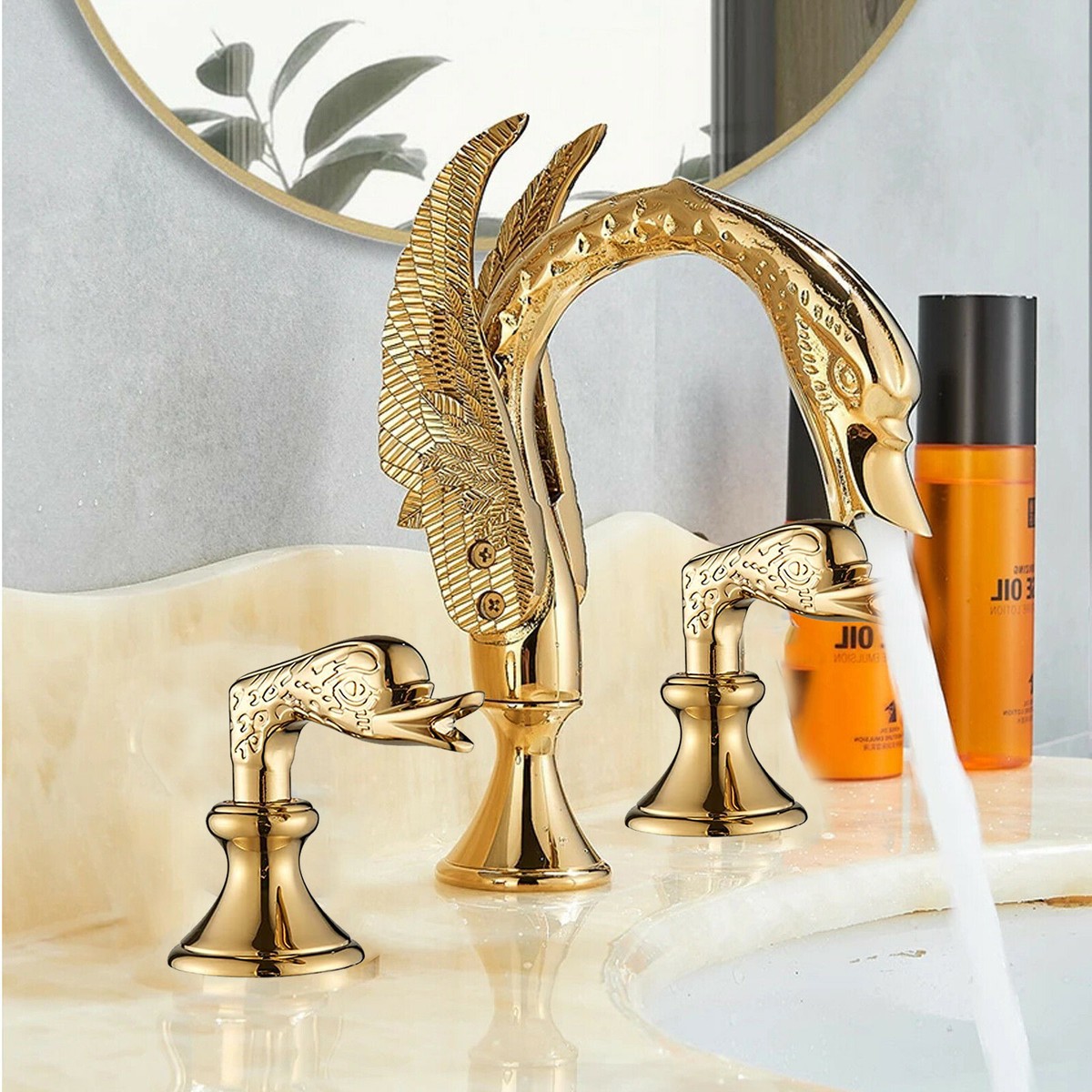
Credit: kulenrevealed.org
Inspect Shutoff Valve
The shutoff valve controls water flow to your bathroom sink. It can stop hot water if clogged or partially closed. Checking this valve often solves the issue quickly. Follow simple steps to inspect and fix the shutoff valve.
Locate Valve
Look under the bathroom sink for the shutoff valve. It is a small knob or lever on the hot water pipe. The pipe usually comes from the wall or floor. Knowing the valve location helps in easy inspection.
Turn Valve Off And On
Turn the shutoff valve completely off by twisting it clockwise. Wait a few seconds, then turn it back on by twisting counterclockwise. This action can clear minor blockages inside the valve. Do this gently to avoid damage.
Test Water Flow
After turning the valve back on, run the hot water tap. Check if the water flows freely and gets hot. If water pressure is low or no hot water comes out, the valve or supply line may be blocked. Consider cleaning or replacing the valve for better flow.
Examine Supply Line
Examining the supply line is a key step when no hot water flows from your bathroom sink. The supply line carries hot water from the shutoff valve to the faucet. A blockage or kink in this line can stop hot water from reaching the faucet.
Checking the supply line helps isolate the problem. It shows if the issue is before the faucet or inside it. This simple check can save time and money on repairs.
Locate The Hot Water Supply Line
Look under the bathroom sink for two pipes. One pipe carries cold water, the other hot water. The hot water line usually connects to a small valve. This valve controls water flow to the faucet.
Identifying the hot water supply line lets you focus on the right pipe. It also shows where you can shut off the water if needed.
Check For Kinks Or Damage
Inspect the supply line for bends or kinks. A kink can block water flow. Also, look for signs of damage like cracks or leaks. Damaged lines reduce water pressure and temperature.
Fixing or replacing a damaged supply line often restores hot water. A straight, intact line ensures smooth water flow.
Test Water Flow From The Supply Line
Turn off the shutoff valve under the sink. Disconnect the supply line from the valve. Place the open end into a bucket. Slowly turn the valve back on.
Strong water flow means the supply line is clear. Weak or no flow means a blockage exists. The problem could be inside the valve or the supply line.
Clean Or Replace The Supply Line
A clogged supply line can block hot water. Mineral deposits build up inside over time. Flush the line by running water through it. If flushing does not help, replace the supply line.
Replacing an old or clogged supply line improves water flow. It often fixes hot water issues in the bathroom sink.

Credit: kulenrevealed.org
Clean Or Replace Faucet Cartridge
Cleaning or replacing the faucet cartridge can fix no hot water issues in your bathroom sink. The cartridge controls water flow and temperature. Mineral deposits often block it, stopping hot water. Regular maintenance keeps the faucet working smoothly. Follow simple steps to clean or replace the cartridge and restore hot water.
Identify Mineral Buildup
Look inside the faucet cartridge for white or green deposits. These minerals come from hard water and can clog the cartridge. If the water flow is weak or only cold water comes out, mineral buildup is likely. Use a flashlight to check the cartridge for visible deposits. Identifying buildup helps decide if cleaning or replacement is needed.
Disassemble Faucet
Turn off the water supply under the sink before starting. Remove the faucet handle using a screwdriver or Allen wrench. Carefully pull out the cartridge from the faucet body. Keep all parts organized to avoid losing them. Disassembling the faucet allows access to the cartridge for cleaning or replacement.
Follow Manufacturer Instructions
Check the faucet manual or manufacturer’s website for specific steps. Use recommended cleaning solutions or replace the cartridge with an exact match. Follow instructions carefully to avoid damage. After cleaning or replacing, reassemble the faucet and turn the water back on. Test the hot water flow to confirm the problem is fixed.
Clear Aerator Blockage
Sometimes the bathroom sink has no hot water while other faucets do. A common cause is a blockage in the aerator. The aerator is a small mesh screen at the faucet’s tip. It can collect mineral deposits and debris over time. Cleaning it can restore hot water flow quickly and easily.
Remove Aerator
Start by twisting the aerator counterclockwise. Use your hand or a wrench with a cloth to avoid scratches. Place a towel under the faucet to catch any drops. Once loose, carefully remove the aerator from the faucet tip. Check for visible dirt or mineral buildup on the screen.
Soak In Vinegar
Fill a small bowl with white vinegar. Submerge the aerator parts completely. Let them soak for 30 minutes to an hour. Vinegar dissolves mineral deposits and loosens grime. After soaking, use a soft brush or old toothbrush to scrub the screen gently. Rinse thoroughly to remove all debris.
Rinse And Reinstall
Rinse the aerator under running water. Make sure all vinegar and loosened deposits wash away. Inspect the aerator to confirm it is clean and clear. Screw the aerator back onto the faucet by turning clockwise. Tighten it securely but avoid overtightening. Turn on the hot water to test the flow.
Consider Water Heater Issues
When no hot water comes from the bathroom sink but flows everywhere else, the water heater might be the cause. The water heater controls hot water for the whole house. A problem in the heater can affect one faucet or several.
Check the water heater first to see if it works properly. Small issues in the heater can reduce hot water flow to certain spots. Sometimes, pipes inside the heater get blocked or corroded. These blockages can limit hot water to one faucet while others stay hot.
Check The Water Heater Thermostat
The thermostat controls water temperature. If it is set too low, hot water may not reach all sinks. Raise the thermostat to at least 120 degrees Fahrenheit. This change can restore hot water to the bathroom sink.
Inspect For Sediment Build-up
Hard water causes sediment to settle inside the heater tank. This sediment blocks hot water flow. Flushing the tank removes build-up and improves flow. Sediment mostly affects faucets farthest from the heater, like bathroom sinks.
Look For Faulty Heating Elements
Electric heaters use heating elements to warm water. One element may fail while the other works. This causes uneven hot water supply. Test and replace broken elements to fix the issue.
Examine Water Heater Valves
Valves control water flow in and out of the heater. A partially closed valve limits hot water. Check that all valves are fully open. Adjusting valves can restore hot water to affected sinks.
Prevent Future Blockages
Preventing future blockages in your bathroom sink keeps hot water flowing smoothly. Blockages often occur due to mineral buildup or debris in pipes and faucets. Taking simple steps can reduce these blockages and save you from frequent repairs.
Install Water Softener
Hard water causes mineral deposits that clog pipes and faucets. Installing a water softener reduces these minerals in your water supply. Softer water helps prevent buildup in your bathroom sink. It protects pipes and faucet parts from damage. Water softeners also improve water quality for your entire home.
Regular Faucet Maintenance
Cleaning your faucet regularly stops blockages before they start. Remove and clean the aerator to clear debris and minerals. Check the faucet cartridge for buildup and replace if needed. Turn the faucet on and off gently to avoid damage. Regular maintenance extends the life of your faucet and keeps hot water flowing well.

Credit: www.cooltoday.com
Frequently Asked Questions
Why Is There No Hot Water Coming Out Of My Bathroom Faucet?
No hot water at your bathroom faucet may stem from a clogged shutoff valve, supply line, or faucet cartridge. Check other faucets for hot water. If none have hot water, the water heater likely causes the issue. Clean or replace the cartridge and aerator if only one faucet is affected.
Why Do I Have Hot Water Everywhere But My Bathroom?
Hot water may be blocked by a clogged shutoff valve, supply line, or faucet cartridge in your bathroom. Check and clean these parts.
Why Do I Have Hot Water In Some Taps But Not Others?
Hot water may not reach some taps due to clogged shutoff valves, supply lines, or faucet cartridges. Check valves and clean or replace cartridges to restore flow.
What To Check First When The Sink Has No Hot Water?
First, check if other faucets have hot water to rule out a water heater issue. Then, inspect the hot water shutoff valve under the sink for blockages. Finally, examine the faucet cartridge and aerator for mineral buildup or clogs, cleaning or replacing parts as needed.
Why Is There No Hot Water In My Bathroom Sink Only?
A clog or faulty valve often blocks hot water just to the bathroom sink.
Conclusion
No hot water in just the bathroom sink can be frustrating. Often, a simple clog or valve issue causes this problem. Checking the shutoff valve and faucet cartridge usually helps. Mineral buildup often blocks hot water flow in the faucet.
Cleaning or replacing parts can restore the heat. If hot water is missing everywhere, the water heater likely needs attention. Taking quick action saves time and discomfort. Keep these steps in mind for easy troubleshooting next time.