
When it comes to preparing meals quickly and efficiently, you might find yourself asking: should I use a microwave or an oven? Both have their strengths, but knowing which one suits your needs can save you time, energy, and even improve the taste of your food.
Whether you’re reheating leftovers, baking a cake, or roasting a chicken, understanding the key differences between a microwave and an oven will help you make smarter cooking choices every day. Keep reading to discover which appliance matches your kitchen style and how you can get the best results from each.
Your next meal might just depend on it!
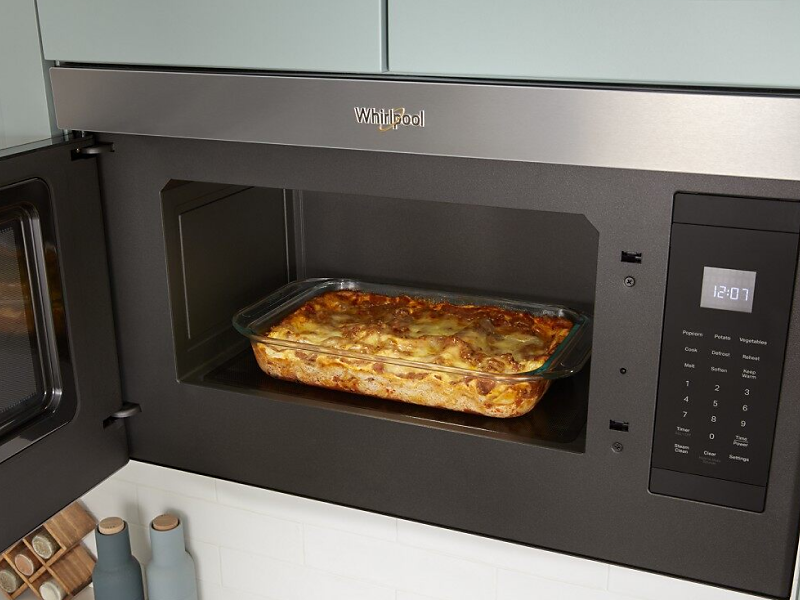
Credit: www.whirlpool.com
Microwave Basics
Microwaves use a special type of energy to cook food quickly. They heat food by making water molecules move fast inside it. This creates heat that cooks the food from the inside out. Microwaves are common in many kitchens due to their speed and ease of use.
Understanding how microwaves work helps you use them better. They are designed for quick heating, not for all types of cooking. Knowing their strengths and limits can improve your cooking experience.
How Microwaves Cook
Microwaves use radio waves to heat food. These waves make water and fat molecules in food vibrate. This vibration creates heat that cooks the food. The heat spreads throughout the food, warming it quickly.
This cooking method is different from ovens, which cook food by surrounding it with hot air. Microwaves cook food faster but do not brown or crisp it.
Typical Uses
Microwaves are great for reheating leftovers. They also defrost frozen food quickly. Many use them to cook simple meals like popcorn or instant soup. They are not suited for baking or roasting.
People often use microwaves to save time in daily cooking tasks. They help prepare small portions and heat food evenly in a short time.
Advantages And Drawbacks
Microwaves save time and use less energy than ovens. They are easy to operate with simple controls. Their speed is perfect for quick meals and snacks.
Drawbacks include uneven heating if food is not stirred. Microwaves cannot brown or crisp food, affecting texture. They also have limits on cooking types, like baking or roasting.
Oven Fundamentals
Ovens have been a staple in kitchens for decades. They use heat to cook food evenly and thoroughly. Ovens come in various types, including conventional, convection, and toaster ovens. Each type has unique features but shares the basic principle of cooking with hot air. Understanding how ovens work helps you decide when to use them over other appliances.
Cooking Mechanism
Ovens cook food by surrounding it with hot air. This heat comes from electric coils or gas burners inside the oven. The air circulates, transferring heat to the food’s surface. Convection ovens add a fan to move air faster, creating more even cooking. This method allows food to brown and crisp, unlike microwave cooking.
Common Applications
Ovens are ideal for baking bread, cakes, and cookies. They roast meats, vegetables, and casseroles with a crispy outer layer. Slow cooking and broiling are also common oven uses. Ovens handle large meals and dishes requiring steady, even heat. They work well for recipes needing a browned or crunchy texture.
Strengths And Weaknesses
Ovens offer versatility and consistent results. They create textures that microwaves cannot, such as crisp crusts. However, ovens take longer to preheat and cook food. They use more energy, especially for small portions. Cleaning an oven can be time-consuming. Ovens suit cooking tasks that need patience and precision.
Convection Microwave Features
The convection microwave combines microwave and convection oven functions. This feature allows users to cook food quickly and evenly. It heats food with microwaves and circulates hot air for browning. This combination helps prepare a wider variety of meals. It adds versatility to your kitchen appliances.
Combination Cooking
Convection microwaves use microwave energy and hot air together. Microwaves cook food fast from inside. Hot air crisps and browns the outside. This method suits baking, roasting, and grilling. It makes food taste better than microwaving alone. The combination saves time and improves texture.
Space And Cost Benefits
Convection microwaves save kitchen space by combining two appliances. You do not need a separate oven and microwave. This reduces clutter and frees up counter space. They often cost less than buying both appliances. This option suits small kitchens or tight budgets. It offers good value without losing cooking options.
Performance Compared To Others
Convection microwaves cook faster than traditional ovens. They use less energy for small to medium meals. The hot air circulation offers more even cooking than a microwave alone. However, they may not match large ovens for big meals. Still, they handle most cooking tasks well. This makes them a practical choice for many households.
Speed And Efficiency
Speed and efficiency are important factors when choosing between a microwave and an oven. Both appliances serve different cooking needs and vary in how quickly and efficiently they prepare food.
Understanding these differences helps you pick the right tool for your kitchen tasks and save time and energy.
Cooking Times Compared
Microwaves cook food much faster than ovens. They use electromagnetic waves that heat food from the inside out. A microwave can reheat leftovers in just a minute or two.
Ovens take longer because they heat food by surrounding it with hot air. Baking or roasting in an oven can take 20 minutes or more. For quick meals, microwaves are the clear winner.
Energy Consumption
Microwaves use less energy than ovens. They heat food quickly and only heat the food, not the entire cooking space. This makes them more energy-efficient for small portions.
Ovens consume more electricity because they heat a larger area. Preheating the oven adds to energy use. For large meals or baking, ovens are worth the extra energy.
Ideal Tasks For Each
Microwaves excel at reheating, defrosting, and cooking small items fast. They are perfect for making popcorn or warming leftovers.
Ovens are better for baking, roasting, and browning food. They create crispy textures on items like pizza, cookies, or roasted meats that microwaves cannot achieve.
Choosing between a microwave and an oven depends on your cooking style and time needs.
Texture And Flavor
Texture and flavor are key factors in choosing between a microwave and an oven. These appliances cook food differently, which affects how food tastes and feels. Understanding these differences helps you pick the right tool for your cooking needs.
Browning And Crisping
Ovens excel at browning and crisping food surfaces. The dry heat from ovens creates a golden, crispy exterior. This effect enhances flavor and adds a pleasant crunch.
Microwaves use radiation to heat water molecules inside food. This process steams the food rather than browning it. As a result, microwaved food often lacks crispiness and can be soft or soggy.
Moisture Retention
Microwaves retain more moisture in food because they cook quickly and use steam. This keeps dishes like vegetables and rice moist and tender. However, excess moisture can make some foods soggy.
Ovens tend to dry food out more due to longer cooking times and dry heat. This can be good for roasting meat or baking bread, where a crust or firm texture is desired.
Evenness Of Cooking
Ovens provide even heat circulation, leading to consistent cooking results. Food cooks uniformly from all sides, reducing cold spots. This is ideal for baking and roasting.
Microwaves may cook unevenly if food is not stirred or rotated. Hot and cold spots can occur, affecting texture and flavor. Many microwaves have turntables to help improve evenness.
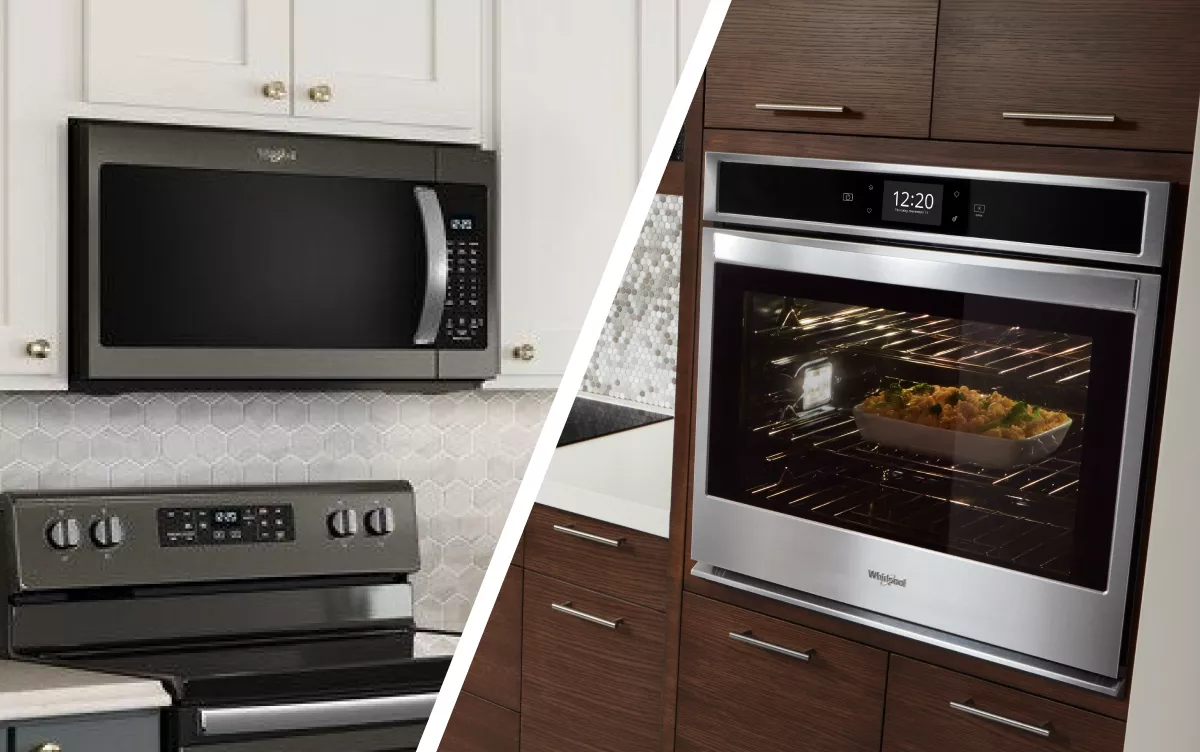
Credit: www.whirlpool.com
Capacity And Size
Capacity and size play a key role in choosing between a microwave and an oven. Both appliances come in various sizes, affecting how much food you can prepare at once. Understanding these differences helps pick the right one for your needs.
Suitability For Portions
Microwaves usually have smaller cavities, ideal for single meals or small portions. They work well for reheating leftovers or cooking quick snacks. Large dishes may not fit inside a standard microwave.
Ovens offer more space, suited for cooking family-sized meals or multiple dishes at once. They handle bigger items like roasts, whole chickens, or baking trays with ease. This makes ovens better for meal prep or gatherings.
Kitchen Space Considerations
Microwaves are generally compact and fit easily on countertops or shelves. Their smaller size suits kitchens with limited space or apartments. They are easy to move and install without major changes.
Ovens, especially built-in or full-size models, require more kitchen space. They often need dedicated areas under counters or as standalone units. Planning your kitchen layout is important to accommodate an oven.
Cost Considerations
Cost plays a major role when choosing between a microwave and an oven. Understanding both upfront and ongoing expenses helps make the right choice for your kitchen and budget. Each appliance has different price points and energy demands. Knowing these details can save money over time.
Initial Investment
Microwaves generally cost less to buy than ovens. Basic models start at a low price, suitable for simple tasks. Mid-range microwaves offer more features but remain affordable. Ovens, especially built-in or convection types, have higher price tags. Installation may add extra costs for ovens. The size and brand also affect the purchase price for both appliances.
Operating Expenses
Microwaves use less electricity for quick heating and small portions. They run for shorter times, lowering power bills. Ovens consume more energy, as they heat a larger space and take longer to cook. Cooking large meals in an oven can increase your electricity costs. Energy-efficient models exist for both, but microwaves still tend to cost less to operate daily.
Choosing Based On Cooking Needs
Choosing the right appliance depends on what you want to cook. Each has strengths that match specific cooking tasks. Understanding these helps pick the best option for your kitchen needs.
Reheating And Defrosting
Microwaves excel at reheating food quickly. They use waves to heat water molecules fast, warming food in minutes.
Defrosting frozen items also works well in microwaves. They gently melt ice without cooking the edges.
Ovens take longer to reheat and defrost. They use dry heat that can dry out food if not watched carefully.
Baking And Roasting
Ovens are ideal for baking cakes, bread, and cookies. They provide even heat that helps food rise and brown.
Roasting meats and vegetables works best in ovens. The dry heat creates a crispy, golden crust.
Microwaves cannot bake or roast properly. They do not produce browning or crisp textures.
Versatility And Special Recipes
Ovens handle many cooking styles, from broiling to slow roasting. They suit complex recipes that need steady heat.
Microwaves focus on speed and convenience. They are perfect for quick meals and simple recipes.
Some recipes need both appliances. For example, start with a microwave to cook, then finish in an oven for crispness.

Credit: gharpedia.com
Frequently Asked Questions
Which Is Better Oven Or Microwave?
Microwaves heat food quickly and efficiently, ideal for reheating and small meals. Ovens excel at baking, roasting, and crisping with even cooking. Choose microwaves for speed and ovens for texture and versatility. Convection microwaves combine both benefits in one appliance.
Can A Microwave Replace An Oven?
A microwave cannot fully replace an oven. Microwaves excel at quick reheating and defrosting. Ovens provide better baking, roasting, and browning for larger meals. Convection microwaves offer a middle ground, combining speed with oven-like cooking capabilities. Choose based on your cooking needs.
Is It Healthier To Use An Oven Or Microwave?
Both ovens and microwaves are healthy cooking options. Microwaves save energy and time, ideal for reheating. Ovens offer better texture and versatility, perfect for roasting or baking. Choose based on your cooking needs for optimal health and taste.
What’s The Difference Between A Microwave And A Microwave Oven?
A microwave uses electromagnetic waves to heat food quickly. A microwave oven combines this with oven functions for baking and roasting. Microwaves excel at reheating and defrosting, while microwave ovens offer more versatile cooking options, including browning and crisping.
What Are The Main Differences Between A Microwave And An Oven?
Microwaves cook food quickly using radiation, while ovens use hot air for even cooking and browning.
Conclusion
Choosing between a microwave and an oven depends on your needs. Microwaves heat food quickly and save energy for small meals. Ovens work best for baking, roasting, and crisping food. They take longer but give better texture and even cooking.
A convection microwave combines speed and versatility but may cost more. Consider what you cook most often to pick the right appliance. Both have unique strengths that suit different cooking styles and times. Use each tool to make cooking easier and more enjoyable.