
Have you ever been startled by a loud popping sound coming from your home’s electrical system? That sudden noise can be more than just a minor nuisance—it might signal a hidden problem that needs your attention.
Understanding why you hear these pops and what they mean for your safety is crucial. You’ll discover the common reasons behind loud popping sounds in your house electrical setup, how to identify the source, and what steps you should take to protect your home and family.
Don’t ignore these sounds—read on to learn how to keep your electrical system safe and sound.
Common Causes Of Electrical Popping
Loud popping sounds in a house’s electrical system often puzzle homeowners. These noises can come from different sources inside the home. Understanding common causes helps identify if the sound is harmless or needs attention.
Temperature Changes And Material Expansion
Heat makes materials like wood and metal expand. Cooling causes them to shrink. This constant change creates friction between surfaces. The friction leads to popping or cracking sounds. These noises often happen during early morning or late evening. It’s a natural process in most homes.
House Settling Effects
Houses slowly settle over time. The foundation shifts slightly, putting stress on building parts. Wood beams, drywall, and tiles may crack or pop. These sounds can be loud and sudden. Settling noises are common in older homes or new builds.
Plumbing Related Noises
Hot water makes pipes expand and rub against structures. This contact can cause popping or ticking sounds. Water hammer, a pressure shock in pipes, creates a loud bang. Plumbing noises often appear near walls or ceilings where pipes run.
Appliance Ignition Sounds
Some appliances produce popping sounds during startup. Water heaters make a pop when burners ignite. Refrigerators and ovens can also cause similar noises. Electrical switches may pop when first turned on. These sounds usually indicate normal appliance function.
Pest Activity In Walls
Rodents or insects moving inside walls cause unexpected noises. Scratching and popping sounds may come from gnawing or movement. Pests often create noise near electrical wiring or insulation. Checking for pests is important if sounds persist without other causes.
Less Frequent Causes
Less frequent causes of loud popping sounds in your home’s electrical system can puzzle many homeowners. These sounds might not come from wires or outlets but from parts of the house itself. Understanding these causes helps you avoid unnecessary worry and find the real source of the noise.
Structural Movement From Wind
Strong winds can cause your house to move slightly. This movement puts pressure on wooden beams and other materials. As these parts rub against each other, they can produce popping sounds. These noises often happen during storms or windy days. The sounds might seem like they come from the electrical system but actually come from the structure.
Vent And Damper Noises
Heating and cooling vents have dampers to control airflow. These parts can shift or snap open and closed. When they do, they make popping or clicking sounds. Temperature changes cause the metal in vents to expand and contract. This expansion can create noises that sound like electrical pops. These sounds are normal but can still surprise you.
Foundation Stress Sounds
Your house’s foundation can develop stress points over time. Changes in temperature or moisture make the foundation expand or contract. This movement causes tension in the structure above. As a result, wood and other materials can pop or crack loudly. These sounds may seem to come from inside walls or near outlets, but they relate to the foundation’s shifting.
Identifying The Source
Finding the exact cause of a loud popping sound in your home is crucial. It helps prevent damage and ensures safety. The source can be electrical, structural, or even from pests. Careful observation and simple checks will guide you to the problem. Below are ways to identify where the sound is coming from.
Timing And Location Of Sounds
Note when the popping sounds happen. Is it during the day or night? Does it occur near an outlet, ceiling, or walls? Sounds linked to electrical issues often come from outlets or the main panel. Structural noises usually happen during temperature changes or when the house settles. Mark the exact spot and time to narrow down causes.
Signs Of Pest Infestation
Check for signs of rodents or squirrels. These pests make noises as they move inside walls or ceilings. Look for droppings, gnaw marks, or nesting materials. Pests can cause popping or scratching sounds that seem electrical but are not. If you see these signs, consider pest control services.
Checking Plumbing Issues
Listen near water pipes and appliances. Hot water pipes can expand and make popping sounds. A water hammer effect causes loud bangs in plumbing systems. Check for leaks or loose pipes touching wood or metal. Plumbing noises often occur when water runs or stops. This helps identify if pipes cause the popping.
Noticing Visible Damage
Inspect walls, outlets, and ceilings for cracks or burn marks. Damaged electrical wiring can cause popping and sparks. Look for discoloration or melted plastic near switches and sockets. Structural damage like cracked drywall or loose panels may also produce popping sounds. Visible damage shows where repair or replacement is needed.

Credit: www.thepersonal.com
Safety Precautions
Safety is the top priority when you hear a loud popping sound in your home’s electrical system. This noise can signal serious issues that might risk your property and health. Taking the right precautions can prevent accidents and costly repairs. Learn to recognize signs that need expert help and steps to manage related problems around your home.
When To Call An Electrician
A loud popping sound from outlets or the electrical panel needs immediate attention. Turn off power to the affected area if safe. Avoid using the circuit or appliance causing the noise. Do not attempt repairs yourself. Call a licensed electrician to inspect and fix the problem. Early professional help stops fires and electrical shocks.
Handling Potential Foundation Problems
Sometimes popping sounds relate to the house settling or foundation shifts. Watch for cracks in walls or floors near the noise source. Uneven doors or windows can also signal foundation issues. Contact a foundation specialist if these signs appear. Fixing foundation problems early prevents bigger damage and costly repairs.
Dealing With Persistent Pest Problems
Pests like rodents can cause popping sounds by moving inside walls or near wires. Look for droppings, gnaw marks, or strange smells. Use traps or pest control services to remove animals safely. Keep electrical areas clean and sealed to stop pest entry. Protect wiring from damage to avoid fires and shorts.
Preventive Measures
Preventing loud popping sounds in your home’s electrical system is crucial for safety and comfort. Taking simple steps can reduce these noises and protect your wiring and appliances. Regular care helps avoid costly repairs and keeps your home running smoothly.
Reducing Temperature Swings
Temperature changes cause materials to expand and contract. This movement can create popping sounds. Keep indoor temperatures steady using good insulation and thermostats. Avoid sudden heating or cooling by adjusting settings gradually. Stable temperatures protect wires and building materials from stress.
Maintaining Appliances And Plumbing
Faulty appliances and plumbing often cause popping noises. Check water heaters, refrigerators, and other devices regularly. Clean and service them according to manufacturer instructions. Fix leaks and secure pipes to stop rubbing noises. Proper maintenance lowers the risk of electrical issues and strange sounds.
Regular Home Inspections
Schedule routine inspections for your electrical system and home structure. Professionals can spot loose wires, damaged insulation, or worn components early. Inspect outlets, switches, and circuit breakers for signs of wear. Early detection prevents dangerous faults and eliminates popping sounds before they worsen.
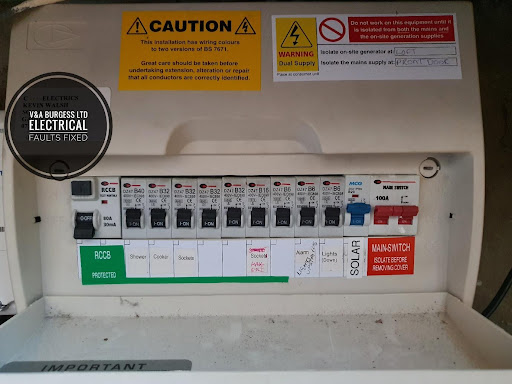
Credit: www.electricalfaultsfixed.co.uk
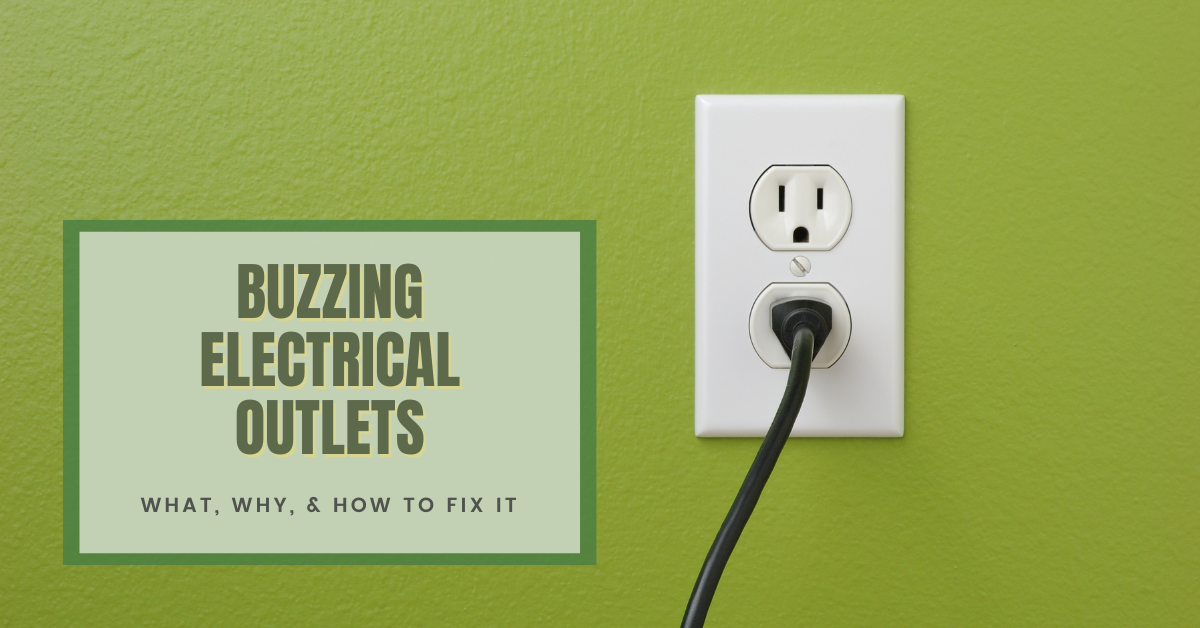
Credit: griffelectric.com
Frequently Asked Questions
What Does An Electrical Pop Sound Like In The House?
An electrical pop in a house sounds like a sharp, brief popping or snapping noise. It often occurs near outlets or the electrical panel. This sound results from a sudden electrical arc or connection issue, resembling a miniature explosion or spark.
What Can Cause A Loud Pop In The House?
A loud pop in a house can result from expanding materials, house settling, plumbing shifts, appliance ignition, or pests moving inside walls.
What Does Faulty Electrical Wiring Sound Like?
Faulty electrical wiring often sounds like buzzing, crackling, sizzling, or popping noises. These indicate loose connections or arcing. Such sounds require immediate attention to prevent fire hazards.
What Does Electrical Arcing Sound Like?
Electrical arcing sounds like sharp, loud pops or crackles. It resembles a miniature explosion as electricity jumps between connections quickly. You may hear it near outlets or your main electrical panel. This noise often signals a serious electrical issue needing immediate attention.
What Causes A Loud Popping Sound In House Electrical Systems?
A popping sound often comes from loose wires, faulty outlets, or electrical arcing inside circuits.
Conclusion
A loud popping sound in your house should never be ignored. It often signals normal settling or temperature changes. Sometimes, plumbing or appliances cause these noises too. Pests or structural shifts can also be the reason. Always stay alert to unusual sounds and check for safety.
Calling a professional electrician ensures your home stays safe and sound. Taking quick action helps prevent bigger problems later. Keep your home comfortable and secure by addressing these noises early.