
Most people should give Linzess at least 2 to 4 weeks at the correct dose and timing before deciding it’s not working. This time frame allows your digestive system to adjust and the medication to reach its full effect. If after four weeks you see no improvement, or if your symptoms get worse, talk to your doctor. Sometimes, adjustments or other treatments are needed.
Is It Normal To Have Diarrhea On Linzess?
Yes, diarrhea is one of the most common side effects of Linzess. In fact, about 20% of patients experience it, especially when starting. Usually, it’s mild and gets better with time. If you develop severe or ongoing diarrhea, let your doctor know. Sometimes, lowering the dose or adjusting when you take Linzess can help. In rare cases, you may need to stop the medication.
Can I Drink Coffee With Linzess?
You can enjoy your morning coffee, but timing matters. Always take Linzess on an empty stomach with water, and wait at least 30 minutes before drinking coffee or eating breakfast. Taking Linzess with coffee or food can block its effect or increase side effects.
Will Linzess Stop Working Over Time?
Most people who respond to Linzess continue to benefit for months or years. However, your body may change, or other health issues can develop. If your symptoms return after being well controlled, see your doctor to review your situation and check for new factors.
Understanding Your Gut: Why Constipation Is So Complex
Constipation is not just about your diet or how much water you drink. Your digestive system is controlled by a mix of nerves, hormones, muscles, and bacteria. Stress, illness, or even travel can upset this balance. This is why a medicine like Linzess—targeted but not a cure-all—may help some people but not others.
For example, if your gut nerves are less sensitive, it may take longer for Linzess to trigger a response. If your gut muscles are weak (especially common in older adults), you may need physical therapy or other treatments in addition to medication.
Why Patience And Communication Matter
It’s easy to get discouraged if Linzess doesn’t work as expected. Remember, treating chronic constipation is often a process of trial and error. Patience matters because your digestive system may need time to adjust, especially if you’ve struggled with constipation for years.
Communication with your doctor is key—they can only help you if they know what’s really happening.
Don’t be afraid to bring up emotional effects, too. Constipation and IBS-C can cause anxiety, embarrassment, or frustration. Many people feel alone, but these feelings are common and important to discuss.

Credit: www.singlecare.com
The Role Of The Gut Microbiome
One area of growing interest is the gut microbiome—the trillions of bacteria living in your intestines. Research shows these bacteria help control digestion and stool consistency. If your microbiome is out of balance (for example, after antibiotics or illness), constipation can get worse, and medicines like Linzess may be less effective.
Some doctors now recommend probiotics or dietary changes to support gut health. While not a quick fix, these steps may make your gut more responsive to medication over time. If you’re curious, ask your doctor if microbiome testing or probiotic supplements are appropriate for you.
What If Nothing Seems To Help?
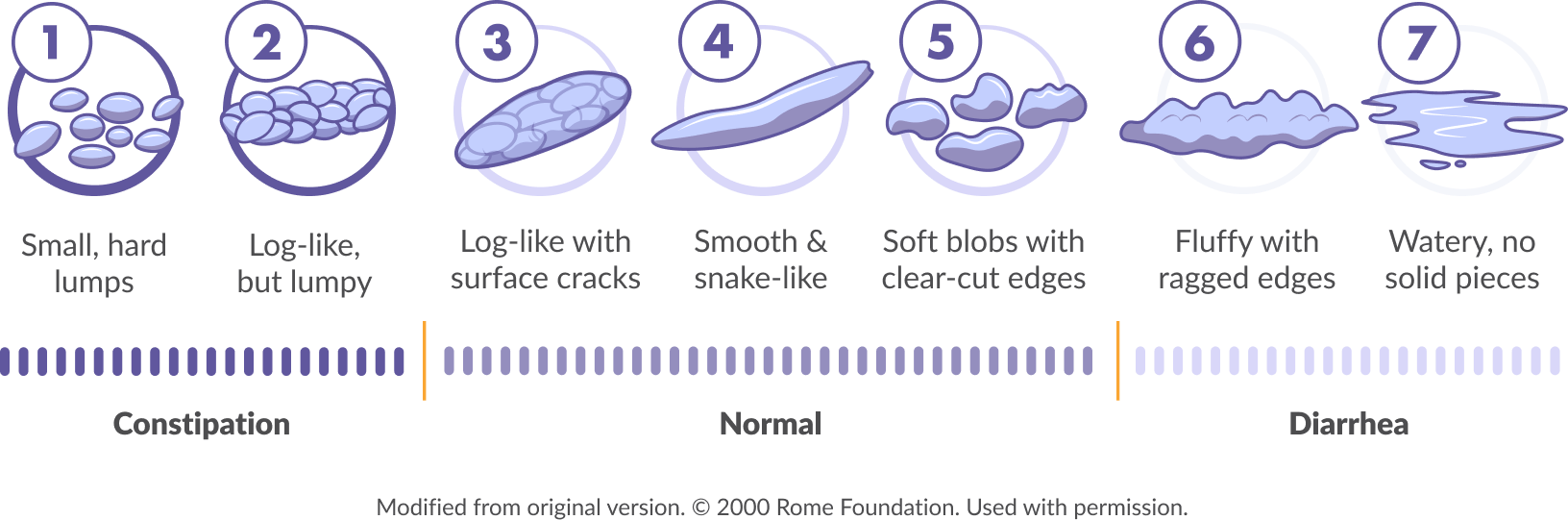
A small group of patients do not respond to any constipation treatments—including Linzess and other prescription drugs. In these cases, further testing is important. Your doctor may check for:
- Nerve problems (such as in diabetes or Parkinson’s disease)
- Structural issues (like rectal prolapse or strictures)
- Pelvic floor dysfunction (muscle problems that block stool)
In some cases, referral to a gastroenterologist or a specialized pelvic floor therapist is needed. Treatments like biofeedback, surgery, or other advanced options may be considered if all else fails.
Credit: www.linzess.com
Encouragement: You Are Not Alone
It’s normal to feel frustrated, but remember—chronic constipation is extremely common, affecting millions of people worldwide. Many people need to try several treatments before finding what works best. Support groups, online forums, and counseling can provide emotional support and practical tips.
If Linzess is not working for you, it’s not a personal failure. Your body is unique, and with the help of your healthcare team, you can find a solution that fits your life. Stay open to trying new approaches, and keep asking questions.
Key Takeaways
- Linzess helps many people with chronic constipation and IBS-C, but not everyone responds.
- How you take Linzess—timing, dose, and routine—matters a lot.
- Underlying health issues, other medications, and diet can affect results.
- Give Linzess at least 2–4 weeks before judging its effect.
- If it’s not working, talk openly with your doctor about other options.
- New treatments and research are ongoing, so more solutions may be available in the future.
For more trusted information about constipation and digestive health, you can visit the [International Foundation for Gastrointestinal Disorders](https://www.iffgd.org/).
With the right plan and support, relief is possible—even if the first treatment doesn’t work as expected.

Credit: www.singlecare.com