
Is your LG refrigerator feeling more like a freezer? When your fridge temperature is too cold, it can ruin fresh produce, freeze liquids, and waste energy.
You rely on your refrigerator to keep your food fresh and safe, so dealing with unexpected freezing can be frustrating. But don’t worry—understanding why your LG refrigerator is too cold and knowing how to fix it can save you time, money, and stress.
You’ll discover simple steps to troubleshoot and adjust your fridge temperature, helping you restore the perfect chill and keep your food just right. Keep reading to learn how to take control of your LG refrigerator’s temperature today!
Common Causes
Several factors can cause an LG refrigerator to become too cold. Understanding these common causes helps in quick troubleshooting. Addressing these issues can protect your food and keep the appliance working well.
Airflow Problems
Proper airflow is vital for maintaining the right temperature. Blocked or restricted airflow causes uneven cooling. Cold air may concentrate in some areas, making them too cold. Fans or vents inside the fridge might be dirty or faulty. Clean and inspect these parts regularly for smooth airflow.
Defrost System Issues
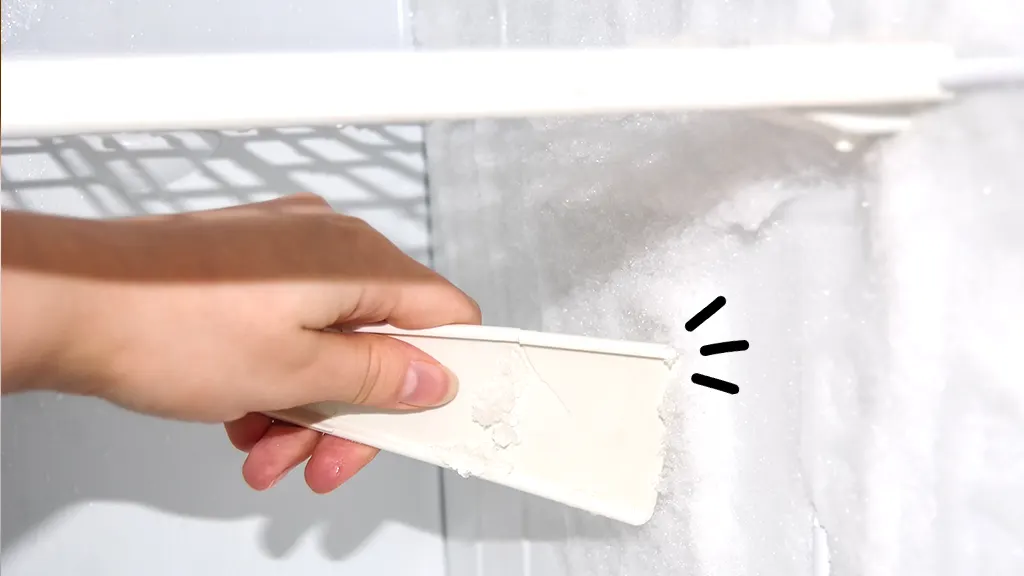
The defrost system prevents frost build-up in the freezer. A malfunction can cause ice to form on cooling coils. This ice blocks cold air from spreading evenly. The fridge then becomes colder than it should be. Check the defrost timer, heater, and thermostat for problems.
Damaged Door Seals
Door seals keep cold air inside the refrigerator. If seals are worn or torn, cold air leaks out. The fridge works harder, often lowering the temperature to compensate. Check seals for cracks or gaps. Replace them if they no longer close tightly.
Blocked Vents
Vents allow cold air to flow from the freezer to the fridge. Items placed too close to vents can block this airflow. Blocked vents cause uneven temperatures and cold spots. Avoid overcrowding the fridge and keep vents clear at all times.

Credit: www.youtube.com
Adjusting Temperature
Adjusting the temperature in your LG refrigerator is essential if it feels too cold. Proper settings keep your food fresh and prevent freezing. You can change the temperature easily using different methods. Each method suits different user preferences and device models.
Using Control Panel
Find the control panel on the fridge door. It usually shows the current temperature. Press the Refrigerator or Freezer button to change the temperature. Each press adjusts the temperature in small steps. Choose a setting that stops your fridge from being too cold. Wait a few hours to see the effect of the change.
Through Lg Thinq App
Download the LG ThinQ app on your smartphone. Connect your refrigerator to the app via Wi-Fi. Open the app and select your refrigerator model. Navigate to the temperature settings section. Adjust the fridge and freezer temperatures using the app controls. Changes take effect immediately. The app also sends alerts if temperature issues arise.
Resetting To Default
Resetting to default can fix temperature issues fast. Unplug your refrigerator from the power outlet. Wait about five minutes before plugging it back in. The control panel should reset to factory settings. After reset, check if the fridge temperature improves. You can then fine-tune the temperature using the control panel or app.
Quick Fixes
When your LG refrigerator feels too cold, quick fixes can help restore proper temperature fast. These simple steps target common issues that cause overcooling. Try these easy solutions before calling a technician.
Unblocking Air Vents
Air vents allow cold air to circulate evenly inside the fridge. Blocked vents cause uneven cooling and too cold spots. Remove any food or containers blocking these vents. Keep vents clear for smooth airflow and balanced temperature.
Checking Door Gaskets
Door gaskets create a seal that keeps cold air inside. Damaged or dirty gaskets let cold air escape, forcing the fridge to overcool. Clean gaskets with warm, soapy water. Replace gaskets if cracked or torn to keep the fridge sealed tight.
Cleaning Condenser Coils
Condenser coils release heat from the refrigerator. Dust or dirt on coils reduce efficiency and cause temperature issues. Unplug the fridge and clean coils gently with a brush or vacuum. Clean coils help maintain the right cooling level.
Adjusting Ice Maker Settings
Ice makers can affect the fridge’s internal temperature. High ice production can make the freezer too cold. Check the ice maker settings and reduce ice production if needed. Adjusting settings balances cooling and prevents freezing.
Testing Components
Testing the key components of your LG refrigerator is crucial when the temperature feels too cold. Each part works together to keep the cooling system balanced. Checking these parts helps find the exact cause of the problem. You can then decide on the best fix for your fridge.
Temperature Sensor
The temperature sensor monitors the fridge’s internal temperature. It sends data to the control board. A faulty sensor can cause the fridge to cool too much. To test it, use a multimeter to check for proper resistance. Replace the sensor if readings are outside the normal range.
Control Board
The control board manages all cooling functions. It receives input from sensors and controls the compressor. A damaged board may send wrong signals, causing low temperatures. Visually inspect the board for burnt spots or loose wires. Testing requires a professional tool or expert help.
Compressor Reset
The compressor pumps refrigerant to cool the fridge. Sometimes it may run too long or get stuck. Resetting the compressor can fix this. Unplug the fridge for five minutes to reset the system. Plug it back in and listen if the compressor starts properly. Persistent issues may need a technician.
Maintenance Tips
Proper maintenance keeps your LG refrigerator working well and prevents it from getting too cold. Small habits help balance the temperature inside the fridge. These tips improve efficiency and save energy. Follow simple steps to avoid freezing or food spoilage.
Keeping Fridge Stocked
A full fridge holds cold better than an empty one. Food and drinks absorb cold air and keep the temperature steady. Avoid overfilling because it blocks airflow and causes uneven cooling. Keep a good balance to help your fridge run smoothly.
Regular Coil Cleaning
Dusty coils make the fridge work harder and get too cold in parts. Clean the condenser coils at least twice a year. Unplug the fridge and use a soft brush or vacuum to remove dirt. Clean coils improve airflow and temperature control.
Monitoring Door Seals
Door seals keep cold air inside and warm air out. Check seals for cracks or dirt often. Clean seals with warm soapy water to keep them sticky and flexible. Replace worn seals quickly to stop cold air from escaping.

Credit: www.youtube.com
When To Call A Technician
Knowing when to call a technician is key for your LG refrigerator. Some problems need expert help to avoid damage or food spoilage. Early action can save time and money. Watch for signs that show professional service is necessary.
Persistent Temperature Issues
Your fridge stays too cold despite adjusting settings. It does not warm up after changes. This issue lasts more than a day. It could mean a faulty thermostat or sensor. A technician can diagnose and fix this safely.
Strange Noises
Unusual sounds like buzzing, clicking, or humming appear. These noises come from the compressor or fan. Loud or new noises may signal a mechanical problem. Ignoring them can cause more damage. A technician will check and repair parts.
Frequent Defrost Cycles
The refrigerator defrosts too often or runs constantly. This wastes energy and cools the fridge too much. It may mean a defrost timer or heater issue. A technician can test these components and replace faulty ones. This restores proper cooling cycles.
Credit: www.asurion.com
Frequently Asked Questions
Why Is My Lg Refrigerator Getting Too Cold?
Your LG refrigerator may get too cold due to incorrect temperature settings, blocked air vents, faulty door seals, or a malfunctioning defrost system. Check and adjust the thermostat, clean vents and coils, inspect door gaskets, and ensure proper airflow to fix the issue.
How To Fix A Refrigerator That Is Too Cold?
Adjust the temperature control to a warmer setting. Check and clean condenser coils. Inspect door seals for leaks. Unblock air vents. Reset the refrigerator by unplugging it for a few minutes, then plug it back in.
How To Reset Temperature On Lg Refrigerator?
Unplug the LG refrigerator for 5 minutes, then plug it back in. Use the control panel to reset or adjust temperature settings. Alternatively, use the LG ThinQ app to change temperatures remotely. Always refer to your user manual for model-specific instructions.
How To Tell If An Lg Refrigerator Compressor Is Bad?
Check for unusual noises, frequent cycling, or the fridge not cooling properly. Test compressor resistance with a multimeter. Overheating or a burnt smell also indicate a bad LG refrigerator compressor.
Why Is My Lg Refrigerator Temperature Too Cold?
A too cold fridge can result from wrong temperature settings or blocked air vents.
Conclusion
A refrigerator that is too cold can spoil your food and waste energy. Check the temperature settings first and adjust as needed. Clean vents and seals to ensure proper airflow. Inspect the defrost system and sensors for faults. Regular maintenance helps keep your LG refrigerator working well.
Small fixes often solve the problem quickly. Stay attentive to any unusual changes in temperature. This keeps your fridge efficient and your food fresh.