
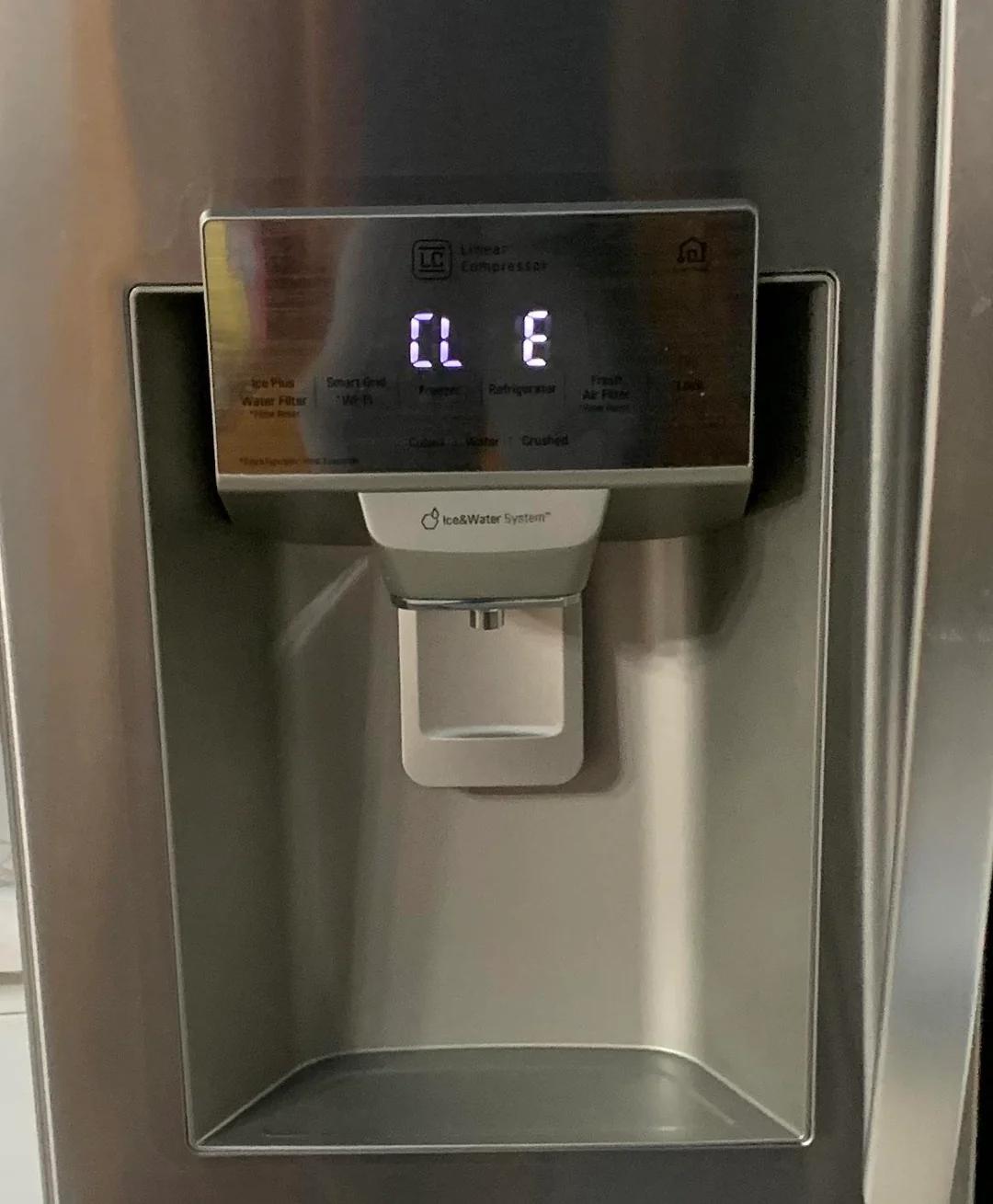
Is your LG refrigerator showing the error code “CL E,” and you’re not sure what it means or how to fix it? You’re not alone.
This specific code can be confusing and even a little alarming because it often signals a problem that affects your fridge’s ability to keep things cool. But before you panic, it helps to understand what’s behind this error and what steps you can take to get your refrigerator back to working properly.
You’ll discover exactly what the CL E code means, common causes, and practical solutions you can try right away. Keep reading, and you’ll feel more confident handling this issue and saving your fridge from a costly repair.
Credit: www.reddit.com
Error Code Cl E Meaning
Facing the LG refrigerator error code CL E can be frustrating. Starting with simple checks often solves many issues. Follow these initial troubleshooting steps before calling a technician. These steps help identify if the problem is minor and easy to fix.
Deactivate Child Lock
The child lock feature can sometimes trigger error codes. Locate the child lock button on the control panel. Press and hold it for a few seconds to deactivate. Wait a moment and see if the error code clears. This step often resolves false alarms caused by locked controls.
Reset The Refrigerator
Resetting the refrigerator refreshes the control board. Unplug the fridge from the power outlet. Wait for about five minutes before plugging it back in. This pause allows the system to reset fully. Check the display for the error code after power returns. A reset can fix temporary glitches in the system.
Check Compressor Operation
The compressor is vital for cooling. Listen for a humming sound or vibration from the compressor at the back. If it is silent or clicking repeatedly, it may have a problem. A faulty compressor can trigger the CL E error code. If you detect compressor issues, professional service is necessary.
Initial Troubleshooting Steps
Inspecting hardware components is a crucial step in diagnosing the LG refrigerator error code CL E. This error often signals issues related to the cooling system and electrical parts. Careful examination of key hardware parts helps identify faults. Early detection can prevent costly repairs and maintain the refrigerator’s performance.
Focus on the fans and sensors inside the unit. These components play a vital role in cooling and communication between the control boards. Check each part for damage, blockage, or poor connection. Proper inspection ensures accurate troubleshooting and effective solutions.
Condenser Fan Inspection
The condenser fan moves air over the condenser coils to release heat. Check if the fan blades spin freely without noise. Look for dust or debris that could block airflow. Ensure the fan motor runs smoothly and there are no loose wires. A faulty condenser fan can cause the CL E error by disrupting cooling.
Evaporator Fan Check
The evaporator fan circulates cold air inside the fridge and freezer compartments. Inspect the fan for any ice buildup or physical damage. Turn the fan manually to see if it spins easily. Listen for unusual sounds that indicate motor problems. A broken evaporator fan can trigger the CL E error code by affecting temperature control.
Sensor Condition Assessment
Sensors monitor temperature and communicate with the control board. Examine sensors for signs of corrosion or loose connections. Use a multimeter to test sensor resistance and ensure proper function. Faulty sensors may send wrong signals, causing the refrigerator to display the CL E code. Replace any damaged sensors to restore normal operation.
Inspecting Hardware Components
Maintaining proper airflow inside your LG refrigerator is key to avoiding the CL E error code. Good airflow helps the cooling system work efficiently and keeps your food fresh. Blocked or dirty air paths can cause the refrigerator to overheat or run improperly. This can lead to error codes and even damage the appliance.
Regular care improves airflow and reduces the chance of errors. Two important steps are cleaning the condenser coils and ensuring good ventilation around the unit. These steps keep air moving freely, which supports the fridge’s cooling system.
Cleaning Condenser Coils
Condenser coils release heat from the refrigerator. Dust and dirt build up on them and block airflow. This makes the compressor work harder and may cause the CL E error code. Clean the coils every few months using a soft brush or vacuum.
Unplug the fridge before cleaning. Gently remove dust and debris from the coils. Avoid using water as this may damage electrical parts. Clean coils help the fridge stay cool and use less energy.
Ensuring Ventilation Around Unit
Good ventilation around the refrigerator is essential. The fridge needs space to release heat. Keep at least 2 inches of clearance on all sides. Do not push the fridge too close to walls or cabinets.
Check that vents are not blocked by objects or dust. Proper air circulation prevents overheating. This lowers the chance of error codes like CL E. Place the fridge in a cool, dry area away from direct sunlight or heat sources.
Credit: approappliance.com
Maintaining Proper Airflow
Attempting to fix the LG refrigerator error code CL E at home can save time and money. Taking proper precautions ensures safety during the repair process. Understanding simple reset methods and risks helps avoid further damage. This section guides you through safe DIY fixes and important warnings.
Safe Reset Procedures
Start by unplugging the refrigerator from the power outlet. Wait at least five minutes before plugging it back in. This pause allows the system to reset fully. Next, press the reset button if your model has one. Otherwise, open and close the fridge door several times. This can sometimes clear minor errors. Always check the user manual for model-specific reset steps. Avoid forcing any buttons or disconnecting internal parts.
Avoiding Electrical Hazards
Always unplug the refrigerator before opening panels or handling wires. Use insulated tools to prevent electric shocks. Keep your hands dry and stand on a dry surface. Never work on electrical components with wet hands. Avoid touching metal parts inside the fridge while it is plugged in. If unsure, wear rubber gloves for extra protection. Keep children and pets away during repairs. Follow all safety warnings in the manual.
Limitations Of Home Repairs
The CL E error may signal a refrigerant leak or control board issue. These problems need professional tools and skills to fix safely. Avoid trying to repair sealed system parts or refrigerant lines. Incorrect repairs can cause more damage or void the warranty. If the error code stays after resets, call a certified technician. Professionals can diagnose and fix complex electrical or cooling faults. Knowing your limits protects both you and your appliance.

Credit: www.youtube.com
Frequently Asked Questions
What Does Code Cl E Mean On Lg Refrigerator?
The LG refrigerator code CL E indicates a low-side refrigerant leak or a communication error between control boards. Check wiring and fans. Contact a technician if it persists.
How To Fix Lg Refrigerator Error Code E?
To fix LG refrigerator error code E, reset the unit and deactivate Child Lock. Check for loose wires, fan issues, or refrigerant leaks. Clean condenser coils for proper airflow. If the error persists, contact a qualified technician as repairs may require professional service.
What Does Cl Mean On A Refrigerator?
CL on a refrigerator usually means Child Lock is active, preventing accidental changes to settings. Disable it to resume normal use.
What Does Cle Mean On A Lg Refrigerator?
The “CL E” error on an LG refrigerator indicates a low-side refrigerant leak or a communication issue between control boards. It may also signal fan or sensor problems. Contact a technician, as this error often requires professional repair.
What Does Lg Refrigerator Error Code Cl E Mean?
CL E indicates a possible low-side refrigerant leak or a communication error inside the fridge.
Conclusion
The LG Refrigerator Error Code CL E signals a possible refrigerant leak or communication issue. Simple fixes include resetting the fridge and turning off the Child Lock. If the error stays, check wiring, fans, and sensors carefully. Prompt action can prevent bigger problems and keep your fridge working well.
Understanding this error helps you handle it with ease. Stay calm and follow these steps for a quick solution.