
A King pellet stove can transform the feeling of your home, bringing steady warmth and comfort during cold months. But when the auger—the part that feeds pellets into the burn pot—stops working, the whole system grinds to a halt. This problem is not just frustrating; it can leave you in the cold at the worst possible time. Many King pellet stove owners face this issue, but with careful troubleshooting and practical knowledge, you can often solve it yourself. Whether you’re a first-time stove owner or have used pellet stoves for years, understanding why the auger stops and how to fix it can save you time, money, and stress.
This article will guide you step by step through the causes, solutions, and maintenance tips for a King pellet stove auger that is not working. You’ll learn how the auger system works, what signs point to specific problems, and how to safely handle repairs.
We’ll also share tips that even experienced users often overlook. By the end, you’ll have a clear path to restoring your pellet stove to full working order.
How The King Pellet Stove Auger Works
To fix an auger that won’t turn, it helps to know what it does and how it fits into the overall system. The auger is a long, screw-like metal rod that moves pellets from the hopper (storage bin) to the burn pot, where they are burned for heat. It rotates thanks to an auger motor, which receives signals from the stove’s control board. The speed and timing of the auger’s movement determine how many pellets enter the fire and, in turn, how much heat the stove produces.
The auger system consists of:
- Auger motor: Powers the rotation of the auger.
- Auger shaft: The actual screw that moves pellets.
- Hopper: Where pellets are stored.
- Burn pot: Where pellets are burned.
- Control board: The electronic “brain” that sends signals to the motor.
- Safety sensors: Prevent the stove from operating in unsafe conditions.
If any part fails or becomes blocked, the auger will stop working properly.
Common Signs Of Auger Failure
Before diving into repairs, look for these signs that point to an auger problem:
- No pellets feeding: The fire goes out or weakens because no new pellets arrive.
- Loud grinding or clicking noise: May indicate a jam or motor issue.
- Auger motor runs but auger doesn’t move: Suggests a mechanical blockage or broken component.
- Intermittent feeding: Pellets feed in bursts or stop and start randomly.
- Burn pot empties quickly: Not enough fuel is reaching the burn pot.
Paying attention to these symptoms can help you find the exact cause faster.

Credit: www.youtube.com
Why The King Pellet Stove Auger Stops Working
Many things can cause an auger to stop. Here are the most common reasons, with simple explanations and practical examples:
1. Pellet Jam Or Blockage
The auger can get jammed by oversized or poor-quality pellets, sawdust buildup, or foreign objects in the hopper. If this happens, the motor may hum or strain, but the auger won’t turn.
Example: You refill the hopper and suddenly the auger stops. On inspection, you find a piece of plastic or a large chunk of wood blocking the auger.
2. Faulty Auger Motor
Over time, the motor that turns the auger can wear out. You might hear a humming sound, or nothing at all, but the auger will not rotate.
Example: The stove powers on, but the auger doesn’t move. Testing the motor shows no response.
3. Electrical Issues
The auger motor needs a working power supply and proper signals from the control board. Blown fuses, faulty wiring, or a bad control board can all stop the motor.
Example: After a power surge, the auger stops. Checking the fuse reveals it’s blown.
4. Faulty Safety Switches Or Sensors
Pellet stoves have safety switches for overheating, open doors, or blocked vents. If one of these trips, the auger motor may shut off as a precaution.
Example: The door is slightly ajar, so the auger won’t turn until it’s closed properly.
5. Burnt-out Control Board
The control board manages all stove functions. If it fails, it might not send the correct signals to the auger motor.
Example: All stove lights are on, but none of the automatic functions (including the auger) work.
6. Poor Quality Or Wet Pellets
Pellets that are too large, too dusty, or wet can cause jams in the auger. Wet pellets swell and become sticky, blocking movement.
Example: You switch to a cheaper pellet brand and soon after, the auger jams.
7. Worn Or Broken Auger Shaft
The auger shaft itself can bend, break, or wear down, especially if it’s old or has been jammed before.
Example: You clear a jam but the auger still won’t turn smoothly. On inspection, the shaft is bent.
8. Lack Of Regular Maintenance
Pellet stoves need regular cleaning and inspection. Dust, ash, and pellet debris can slowly build up and cause jams or extra strain on the motor.
Example: The stove hasn’t been cleaned in months and the auger gets stuck from sawdust buildup.
Step-by-step Troubleshooting For A King Pellet Stove Auger That’s Not Working
It’s important to approach repairs in a safe, methodical way. Here are the steps you should follow when your King pellet stove auger stops working:
1. Unplug The Stove
Always unplug the stove before working on it to avoid electric shock or injury. Wait for the stove to cool down completely.
2. Check For Simple Blockages
- Open the hopper and visually inspect for stuck objects or pellet clumps.
- Use a flashlight to look down the auger tube.
- Remove visible blockages by hand or with a shop vacuum.
3. Test The Door And Safety Switches
- Make sure all doors are fully closed.
- Check the door switches and other safety sensors. Press them manually to see if the auger responds.
- If you suspect a faulty switch, test with a multimeter for continuity.
4. Listen For Auger Motor Noise
- Plug the stove back in and turn it on briefly.
- If the motor makes a humming or clicking sound but the auger doesn’t move, there may be a jam or a weak motor.
- No sound at all could mean an electrical problem.
5. Inspect The Auger Shaft
- Remove the motor (usually a few screws).
- Try to turn the auger shaft by hand. It should move smoothly.
- If it’s stuck, try to gently free it. If it’s bent or broken, it will need replacement.
6. Test The Auger Motor
- With the motor removed, connect it directly to a power source (following safety instructions).
- If it runs, the problem may be elsewhere.
- If it does not run, the motor is likely faulty and needs replacing.
7. Check Electrical Connections
- Inspect all wiring between the control board, motor, and sensors.
- Look for burnt wires, loose connections, or damaged insulation.
- Replace any damaged wires or connectors.
8. Inspect The Control Board
- Check for visible signs of damage (burn marks, melted parts).
- If other functions (fans, lights) also don’t work, the board might be bad.
- Control boards are complex and may need professional diagnosis.
9. Clean And Lubricate Auger Parts
- Clean out dust, ash, and debris from the auger tube and surrounding area.
- Use a dry lubricant (not oil) on the auger shaft for smoother operation.
10. Test With Dry, High-quality Pellets
- Refill the hopper with clean, dry pellets.
- Avoid using dusty or damp pellets, which are more likely to cause jams.
By following these steps, you can usually find the source of the problem. Remember, safety comes first. If you’re not comfortable with electrical work or major repairs, call a qualified technician.
Comparing Common Causes Of Auger Failure
To help you quickly see the differences between common auger problems, here’s a comparison of symptoms and solutions:
| Cause | Symptoms | How to Fix |
|---|---|---|
| Pellet Jam | No pellets feed, motor hums, visible blockage | Clear blockage, use better pellets |
| Motor Failure | No sound/motion from motor, auger stuck | Replace motor |
| Electrical Issue | No power, blown fuse, no lights | Check fuses, wiring, replace as needed |
| Safety Switch Tripped | Stove won’t start, light/sensor warning | Close door, reset switch, replace if needed |
| Control Board Failure | No response to controls, multiple systems fail | Replace control board |
Preventing Future Auger Problems
Prevention is always easier than repair. Here are key steps to keep your King pellet stove auger working reliably:
Use Quality Pellets
Choose premium, dry wood pellets. Lower quality pellets contain more dust and impurities, which can clog the auger. Store pellets in a dry place to avoid moisture.
Clean The Stove Regularly
Make a habit of cleaning the hopper, burn pot, and auger tube every few weeks, or more often if you use the stove heavily. Remove dust, ash, and leftover pellets.
Inspect For Wear
At least once per heating season, inspect the auger shaft and motor for signs of wear or damage. Early detection helps avoid bigger repairs later.
Check Electrical Connections
Loose or corroded connections can cause intermittent auger problems. Gently tighten connections and replace any corroded parts during routine maintenance.
Don’t Overfill The Hopper
Overfilling can lead to jams, especially if the pellets are dusty or unevenly sized. Fill the hopper just enough for your needs and shake it gently to level the pellets.
Regularly Test The Safety Switches
Press each safety switch manually to make sure it works. Replace switches that stick or do not click clearly.
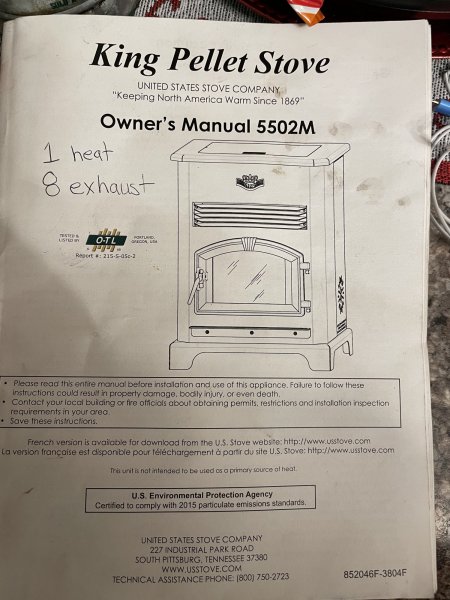
Credit: firewoodhoardersclub.com
When To Call A Professional
Some auger problems are straightforward, but others require expert help. Here’s when you should call a qualified technician:
- If the auger motor or control board needs replacement and you’re unsure how to do it safely.
- If electrical repairs involve more than changing a fuse or tightening a connection.
- If you smell burning, see smoke, or notice melted parts inside the stove.
- If repeated jams occur even after cleaning and changing pellets.
A professional has the tools and experience to quickly diagnose and fix complex problems. This not only protects your stove but also keeps your home safe.
How Much Do Auger Repairs Cost?
Costs can vary based on the problem and whether you do it yourself or hire a technician. Here’s a helpful breakdown:
| Repair Type | DIY Cost (USD) | Professional Cost (USD) |
|---|---|---|
| Clear Jam | 0–20 (cleaning tools) | 75–150 |
| Replace Auger Motor | 50–150 (part) | 200–400 |
| Replace Control Board | 100–300 (part) | 300–600 |
| Replace Safety Switch | 10–30 (part) | 75–150 |
Keep in mind that prices can change based on your location and the specific model of your King pellet stove.
Tips Most Owners Miss
Even experienced pellet stove users sometimes make mistakes that lead to auger problems. Here are insights many people overlook:
- Check for pellet fines (tiny dust particles) at the bottom of the hopper. These can settle and block the auger, so scoop them out regularly.
- Don’t ignore odd noises. A sudden squeak or grind often means a small jam or loose part. Fixing it early prevents bigger damage.
- Lubricate only with dry lubricants. Oils attract dust and make jams more likely.
- Keep a spare fuse and safety switch on hand. These are cheap, easy to replace, and can get your stove running again quickly during winter.
- Track your maintenance. Write down cleaning dates and part replacements. This helps spot patterns and keeps your stove running smoothly.
Troubleshooting Checklist
When the auger stops, use this quick guide:
- Is the stove plugged in and powered on?
- Are there enough dry pellets in the hopper?
- Are all doors fully closed?
- Do you hear the auger motor running?
- Is there a blockage in the auger tube?
- Are safety switches working?
- Is the auger shaft bent or broken?
- Is the control board showing error lights?
- Are all electrical connections secure?
Answering these questions step by step will quickly point you toward the right solution.
Comparing King Pellet Stove Auger Vs. Other Brands
If you’re wondering how King pellet stove augers compare to other brands, consider these points:
| Feature | King Pellet Stove | Other Brands |
|---|---|---|
| Auger Motor Reliability | High | Varies |
| Ease of Access for Cleaning | Moderate | Some easier, some harder |
| Spare Parts Availability | Good | Depends on brand |
| Common Blockage Causes | Poor pellets, lack of cleaning | Similar |
| DIY Repair Difficulty | Average | Varies |
This comparison shows that King pellet stoves are generally reliable, but regular care is important no matter which brand you own.
Frequently Asked Questions
Why Does My King Pellet Stove Auger Keep Jamming?
Jams are most often caused by poor-quality pellets, too much pellet dust, foreign objects in the hopper, or lack of regular cleaning. Use only high-quality, dry pellets and clean the hopper and auger tube regularly.
How Can I Tell If The Auger Motor Is Bad?
A faulty auger motor may make a humming noise but not turn, or it might be completely silent. If the motor does not run when connected directly to power, it likely needs to be replaced.
Can I Lubricate The Auger To Prevent Sticking?
Yes, but use only a dry graphite lubricant. Oil-based lubricants attract dust and can worsen jams. Always clean the auger shaft before applying lubricant.
Should I Repair The Auger Myself Or Hire A Professional?
If you’re comfortable with basic repairs and electrical safety, you can handle many auger issues yourself. For motor or control board replacement, or if you’re unsure, it’s best to hire a technician.
Where Can I Find More Information On Pellet Stove Maintenance?
A great resource is the Pellet Stove Wikipedia page, which covers stove operation, safety, and maintenance.
Conclusion
Pellet stoves are efficient and cost-effective, but only if they’re working well. By understanding how the auger works and what causes it to fail, you can keep your King pellet stove running safely all winter long. With the right care, most auger problems can be solved before they become serious.
Take time to inspect, clean, and use quality pellets, and you’ll enjoy steady, reliable heat for years to come.

Credit: www.amazon.com