
A refrigerator light is something most people never think about—until it stops working. When you open your Kenmore refrigerator and the light stays off, it feels strange. You might wonder if your food is safe, if something is broken, or if you can fix it yourself.
While a dark fridge is annoying, this issue is often simple to diagnose and repair. But sometimes, it points to deeper electrical or mechanical problems that need careful attention.
In this guide, you’ll learn why your Kenmore refrigerator light is not working, how to fix it step by step, and when you should call a professional. We’ll cover every cause, from the obvious to the often-missed, and guide you through safe troubleshooting. You’ll also see clear tables comparing parts and tips for buying replacements. By the end, you’ll feel confident tackling this common refrigerator problem.
How The Kenmore Refrigerator Light Works
Understanding the basics helps you solve the problem faster. The refrigerator light works much like any other household light, but with some differences for safety and efficiency.
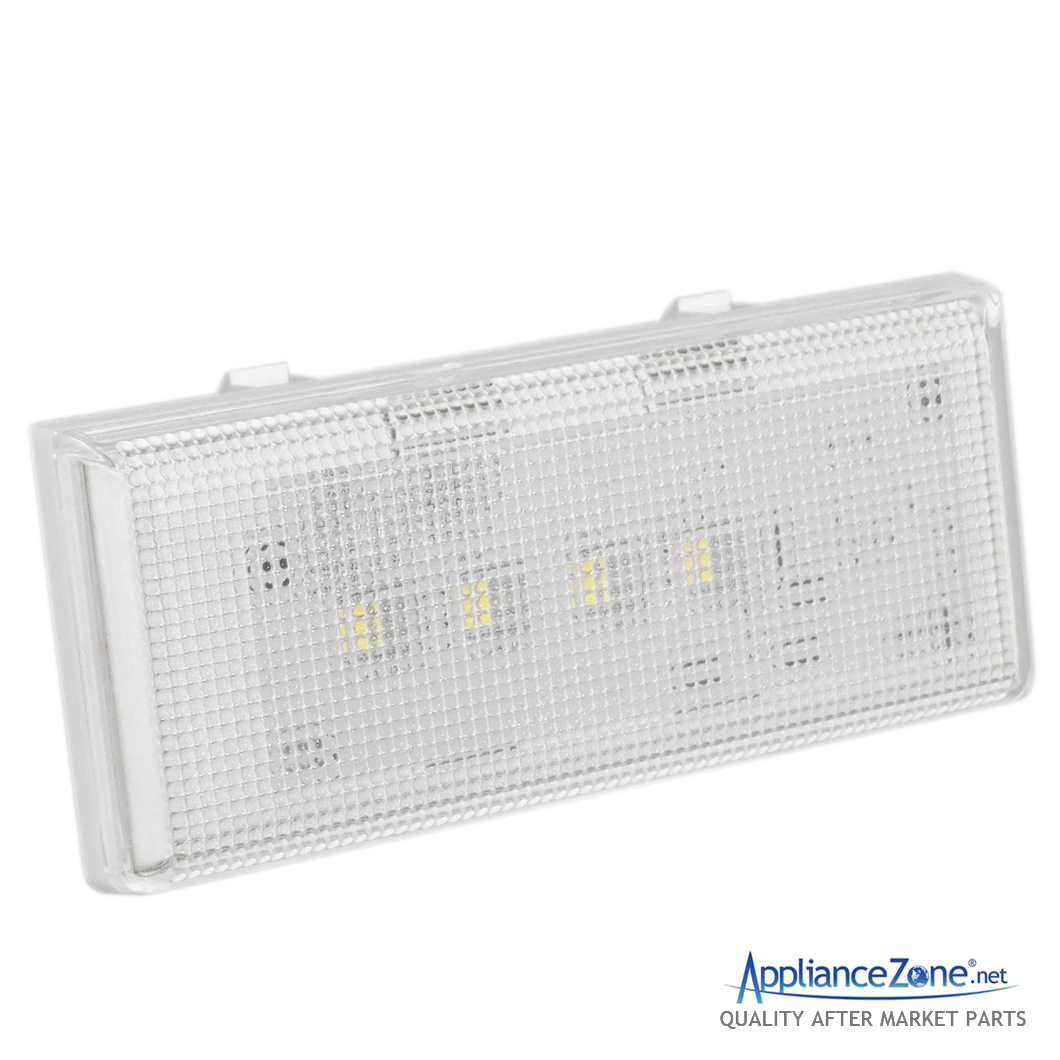
When you open the door, a small door switch is released. This switch lets electricity flow to the light bulb, turning it on. When the door closes, the switch is pressed, and the light turns off. Most Kenmore models use a standard appliance bulb, but newer models may have LED lights. The power comes from the refrigerator’s control board or main power supply.
If any part of this chain fails—the bulb, the switch, wiring, or the control board—the light can stop working. Sometimes it’s a simple fix, but sometimes it’s a symptom of a bigger issue.
Common Reasons Why The Kenmore Refrigerator Light Is Not Working
Let’s look at the most frequent causes, from easiest to hardest to fix:
- Burnt-Out Light Bulb: The most common cause. Bulbs have a limited life.
- Faulty Door Switch: If the switch is stuck or broken, it won’t activate the light.
- Loose or Corroded Socket: The bulb’s socket can get dirty, rusty, or loose.
- Wiring Issues: Wires inside the fridge can become damaged over time.
- Control Board Failure: The main electronic board can fail, stopping power to the light.
- Blown Fuse: Some Kenmore models have small fuses for lights.
- Power Supply Problems: A tripped breaker or faulty outlet can cut power.
- Wrong Bulb Type: Using an incorrect bulb can cause problems, especially with LED models.
Let’s explore each cause, how to diagnose it, and what you can do.
Diagnosing The Problem: Step-by-step Troubleshooting
Before you start, unplug the refrigerator or turn off its circuit breaker. Electricity is dangerous, and safety always comes first.
1. Check The Light Bulb
Remove the bulb and look at it closely. If you see a dark spot or broken filament, it’s probably burnt out. Try another working bulb if you have one. Some Kenmore fridges use special appliance bulbs or LEDs. Never force a bulb into the socket.
Pro tip: If the new bulb doesn’t light up, the problem is not the bulb.
2. Test The Door Switch
The door switch is usually found along the door frame, where the door touches when closed. Press it with your finger. If the light does not come on when the switch is pressed and released, the switch might be stuck or broken.
Non-obvious insight: Sometimes spills or sticky residue can jam the switch. Cleaning it with a damp cloth may fix the issue.
3. Examine The Light Socket
Look inside the socket for signs of corrosion, dirt, or damage. A corroded socket can stop the bulb from working, even if the bulb is fine. Use a flashlight to check for any black or green marks.
Practical tip: A cotton swab with a little rubbing alcohol can clean minor corrosion.
4. Inspect The Wiring
Wires connect the socket and switch to the main power. Look for any loose connections or frayed wires. If you’re not comfortable working with wires, it’s better to call a professional at this stage.
Beginner’s mistake: Pulling wires too hard can break them or disconnect them from hidden terminals.
5. Control Board And Fuse
If everything else looks fine, the control board or fuse may be the culprit. The control board is a small circuit board, often at the back of the fridge. Fuses are small and may be hidden inside a cover.
Expert tip: Control boards rarely fail just for the light, but if other features (like the display or cooling) are also not working, the board may be at fault.
6. Check The Power Supply
Plug another device (like a lamp) into the outlet to check if it works. If not, the problem is with your home’s electrical supply, not the fridge.
Extra insight: Sometimes, a breaker trips only for the fridge outlet, especially in kitchens.
7. Bulb Type Compatibility
Kenmore refrigerators may require appliance-rated bulbs or special LEDs. Using a regular household bulb can sometimes fit, but may not work correctly or can even damage the socket.
Tip: Always check your user manual for the correct bulb type and wattage.
How To Fix Each Problem
Now that you’ve diagnosed the issue, here’s how to repair each possible cause.
Replacing A Burnt-out Bulb
- Buy the correct bulb for your Kenmore model (usually 40W appliance bulb or LED).
- Turn off the power.
- Unscrew the old bulb (lefty-loosey).
- Screw in the new bulb gently—don’t overtighten.
- Restore power and test.
Safety note: If the bulb breaks while removing, use gloves and pliers to avoid cuts.
Cleaning Or Replacing The Door Switch
- Locate the door switch.
- Clean around the switch using a soft, damp cloth.
- Press and release the switch several times to free any debris.
- If not working, remove the switch (usually a small screw or clips).
- Replace with a new switch if cleaning doesn’t help.
Advanced tip: Use a multimeter to test the switch for continuity if you know how.
Fixing The Light Socket
- Unplug the fridge.
- Remove the bulb and use a flashlight to inspect the socket.
- Clean with a dry cloth or a cotton swab and rubbing alcohol.
- For deep corrosion, replace the socket (requires basic wiring skills).
Warning: If you smell burning or see melted plastic, call a technician—this means a serious electrical problem.
Repairing Wiring Issues
If you find a disconnected or damaged wire, it’s best to call a repair technician. Homeowners without electrical experience should not attempt wiring repairs due to shock risk.
Replacing The Control Board Or Fuse
Most users should not attempt to replace the control board themselves. If you suspect this, call Kenmore support or a qualified repair service.
For fuses:
- Unplug the fridge.
- Find the fuse (check the manual).
- Replace with the same type and rating fuse.
Restoring Power Supply
If the outlet is dead, reset the circuit breaker or call an electrician. Never use extension cords for refrigerators—they can cause voltage drops and safety hazards.
Using The Right Bulb
Always use the bulb type and wattage recommended by Kenmore. If you’re unsure, take the old bulb to a store or check your manual.
Comparison: Incandescent Vs Led Refrigerator Bulbs
Choosing the right bulb makes a difference in safety, energy use, and longevity. Here’s a quick comparison:
| Feature | Incandescent Bulb | LED Bulb |
|---|---|---|
| Lifespan | 800-1,200 hours | 15,000-25,000 hours |
| Energy Use | Higher (25-40W) | Lower (2-5W) |
| Heat Output | Warm/Hot | Cool |
| Compatibility | Most models | Newer models only |
| Cost | Low | Medium-High |
Non-obvious insight: Using the wrong bulb type can lead to repeated failures or even damage the socket.
How To Choose Replacement Parts For Kenmore Refrigerators
Not all replacement parts are created equal. Here’s how to make smart choices:
- Check your model number (usually inside the fridge or on the back).
- Buy OEM (original equipment manufacturer) parts for best fit and safety.
- Compare warranties—longer warranties usually mean better quality.
- Read reviews to avoid faulty aftermarket parts.
- Avoid universal parts unless listed as compatible with your Kenmore model.
Here’s a quick comparison to help you decide:
| Part Type | OEM | Aftermarket |
|---|---|---|
| Fit | Perfect | May vary |
| Warranty | Usually 1 year | 0-6 months |
| Price | Higher | Lower |
| Reliability | High | Medium |
Expert guidance: For critical parts like switches and sockets, always use OEM. For bulbs, high-quality aftermarket is usually safe.

Credit: www.youtube.com
When To Call A Professional
Some repairs should not be done by homeowners. Call a qualified technician if:
- You smell burning or see melted plastic near the socket.
- The light doesn’t work and the fridge is also not cooling.
- There are exposed or damaged wires.
- You are unsure about electricity or wiring safety.
- The control board or fuse is suspected to be faulty.
- You tried all the above steps and the light still does not work.
Non-obvious insight: If your fridge is still under warranty, DIY repairs may void it. Check your warranty before opening panels or replacing parts.
How To Prevent Refrigerator Light Problems
A little maintenance goes a long way. Here’s how to avoid future issues:
- Clean the door switch and socket every few months.
- Replace bulbs as soon as they dim or flicker.
- Never use wet hands when changing bulbs or working inside the fridge.
- Check for leaks—moisture can cause corrosion and electrical problems.
- Don’t overload the door—too much weight can misalign the switch or wiring.
Kenmore Refrigerator Light: Quick Problem And Solution Reference
Sometimes you just need a fast answer. Here’s a summary for common symptoms:
| Symptom | Likely Cause | Solution |
|---|---|---|
| Light out, fridge works | Burnt bulb | Replace bulb |
| Light flickers | Loose bulb or socket | Tighten bulb, clean socket |
| Light stays on (even with door closed) | Stuck switch | Clean/replace switch |
| No power at all | Outlet or control board | Check power, call technician |
| Repeated bulb failure | Wrong bulb type | Use correct bulb |
Safety Tips For Diy Refrigerator Light Repairs
- Always unplug your refrigerator before starting any repair.
- Wear gloves to protect against broken glass and sharp edges.
- Use a flashlight for better visibility inside the fridge.
- Don’t force parts—if something doesn’t fit, double-check part numbers.
- Keep children and pets away while you work.

Credit: www.youtube.com
Real-world Example: Fixing A Kenmore Refrigerator Light
Maria noticed her Kenmore fridge was dark when she opened the door. She checked the bulb and saw it looked fine, but the light still didn’t work. Maria wiped the door switch with a damp cloth, and suddenly the light turned on.
It turned out to be just a little sticky residue from a juice spill. This simple fix saved her a service call and money.
Lesson: Always check for simple problems first—often, it’s an easy fix.
What Not To Do When Your Refrigerator Light Is Not Working
Avoid these common mistakes:
- Don’t use a higher-wattage bulb than recommended. It can overheat and cause damage.
- Never spray water or cleaner directly into the socket or switch.
- Don’t ignore signs of electrical burning—this is dangerous.
- Don’t force a stuck switch or bulb—this can break parts.
- Never work on electrical parts with wet hands or while standing on a wet surface.
The Cost Of Repairing A Kenmore Refrigerator Light
Most light problems are cheap to fix. A new bulb costs $3–$10, a door switch $10–$25, and a light socket $10–$20. Professional service calls usually start at $75–$150, but can be higher if control boards or wiring are involved.
Non-obvious fact: Many appliance repair companies offer quick light repairs for a flat fee, but parts are extra.
How Long Should A Refrigerator Light Bulb Last?
- Incandescent bulbs: 1–2 years with normal use.
- LED bulbs: 5–10 years or more.
If bulbs keep burning out in a few months, it means there is another problem (socket, voltage, or wiring).
Environmental Impact Of Refrigerator Bulbs
LED bulbs use less energy and last longer, which means fewer replacements and less waste. If you upgrade to LED, you’ll save on your electric bill and help the environment. However, some older Kenmore models are not compatible with LEDs—always check before switching.
For more information on appliance energy efficiency, see this Energy Star guide.
Frequently Asked Questions
Why Does My Kenmore Refrigerator Light Work Sometimes But Not Always?
This usually means the door switch or socket connection is loose or dirty. Try cleaning the switch and making sure the bulb is screwed in tightly. If the problem continues, the switch may need replacement.
Can I Use Any Light Bulb In My Kenmore Refrigerator?
No. You should use the exact bulb type recommended in your Kenmore manual. Most require a 40W appliance bulb or a compatible LED. Using the wrong bulb can cause failures or even damage the light socket.
Is It Dangerous To Use My Refrigerator With The Light Not Working?
Generally, it’s safe, but you may not see spoiled food or spills as easily. However, if you notice burning smells, melted plastic, or other electrical issues, unplug the fridge and call a technician immediately.
My Refrigerator Light Blew Out And Now The Fridge Isn’t Cooling. What Happened?
This could mean a power supply issue or a problem with the control board, not just the bulb. If you checked the bulb and outlet and both are fine, you should call a service professional.
How Do I Find The Correct Replacement Parts For My Kenmore Fridge?
Locate your model number (often inside the fridge or on the back). Use this number to search for OEM parts online or at appliance stores. Always double-check compatibility before buying.
A simple refrigerator light problem can be frustrating, but it’s often easy to solve if you follow these steps. With careful troubleshooting and a little maintenance, your Kenmore refrigerator will light up your food—and your kitchen—again.
Credit: www.appliancezone.net