
Is your Kenmore dishwasher refusing to drain, leaving dirty water pooling at the bottom? This common issue can be frustrating, especially when you rely on your dishwasher daily.
But don’t worry—you’re not alone, and there are straightforward steps you can take to fix it. You’ll discover practical solutions to get your Kenmore dishwasher draining properly again. From clearing clogs to checking key parts, we’ll guide you through easy troubleshooting tips that save you time and money.
Keep reading to take control and say goodbye to standing water in your dishwasher for good!
Credit: www.youtube.com
Drain Button Tricks
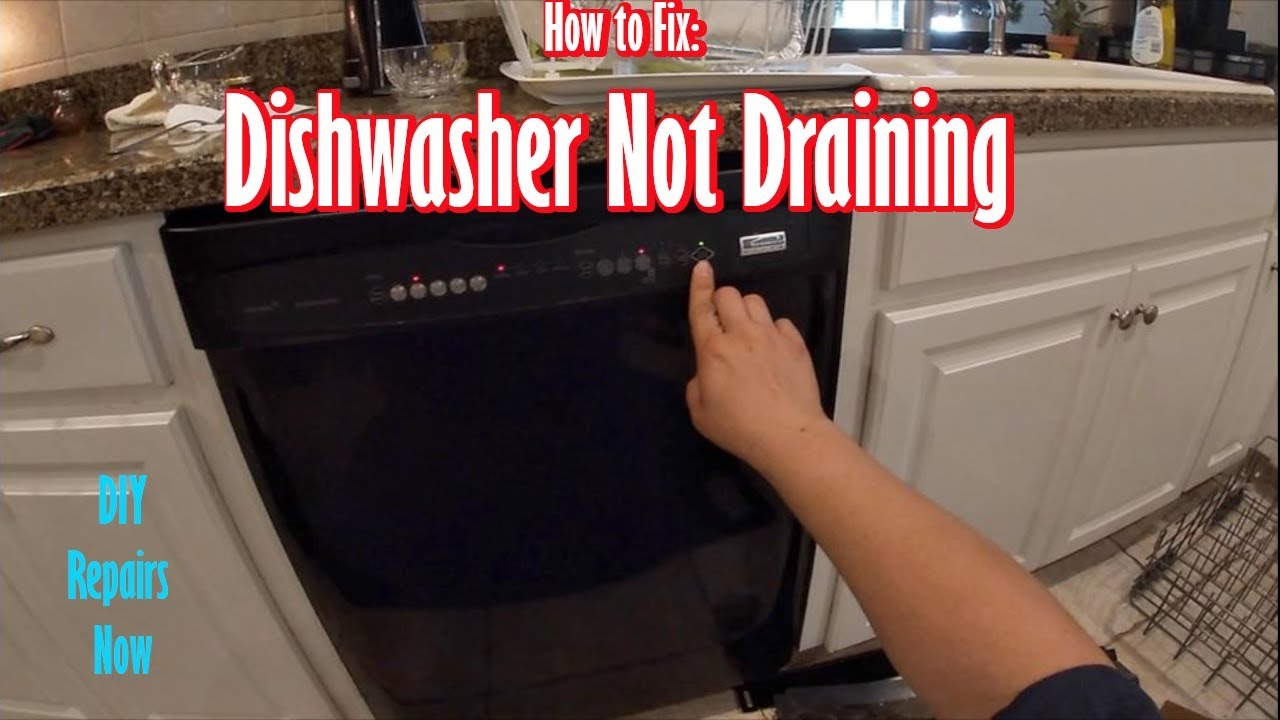
The drain button on a Kenmore dishwasher offers simple ways to fix drainage problems. Using the drain button tricks can save time and avoid costly repairs. These tips help clear water stuck inside. You get your dishwasher working faster by trying these quick steps.
Using Cancel/drain Button
Press and hold the “Cancel/Drain” button for about three seconds. The dishwasher should start draining water immediately. Wait until the water fully drains and the dishwasher turns off. This method forces the machine to empty water fast.
Before using the button, check for clogs in the filter and drain hose. Clean the filter by removing it from the bottom and washing it under hot water. Clear any blockages in the drain hose and air gap. These steps help the drain button work better.
When To Reset Power
If pressing the drain button does not work, try resetting the dishwasher’s power. Unplug the dishwasher or turn off the circuit breaker. Wait for about one minute to let the system reset. Then, plug it back in or turn the breaker on.
Resetting power can clear electronic glitches that stop the drain pump. After the reset, press the cancel/drain button again. This simple trick often fixes drainage problems without professional help.
Credit: www.reddit.com
Clearing Common Blockages
Clearing common blockages is the first step to fix a Kenmore dishwasher that won’t drain. Blockages stop water from leaving the dishwasher. This causes water to pool at the bottom. Simple fixes can often clear these blockages and restore drainage.
Check the most common spots for clogs. These include the filter, drain hose, air gap, and garbage disposal. Each can block water flow and cause problems.
Cleaning The Filter
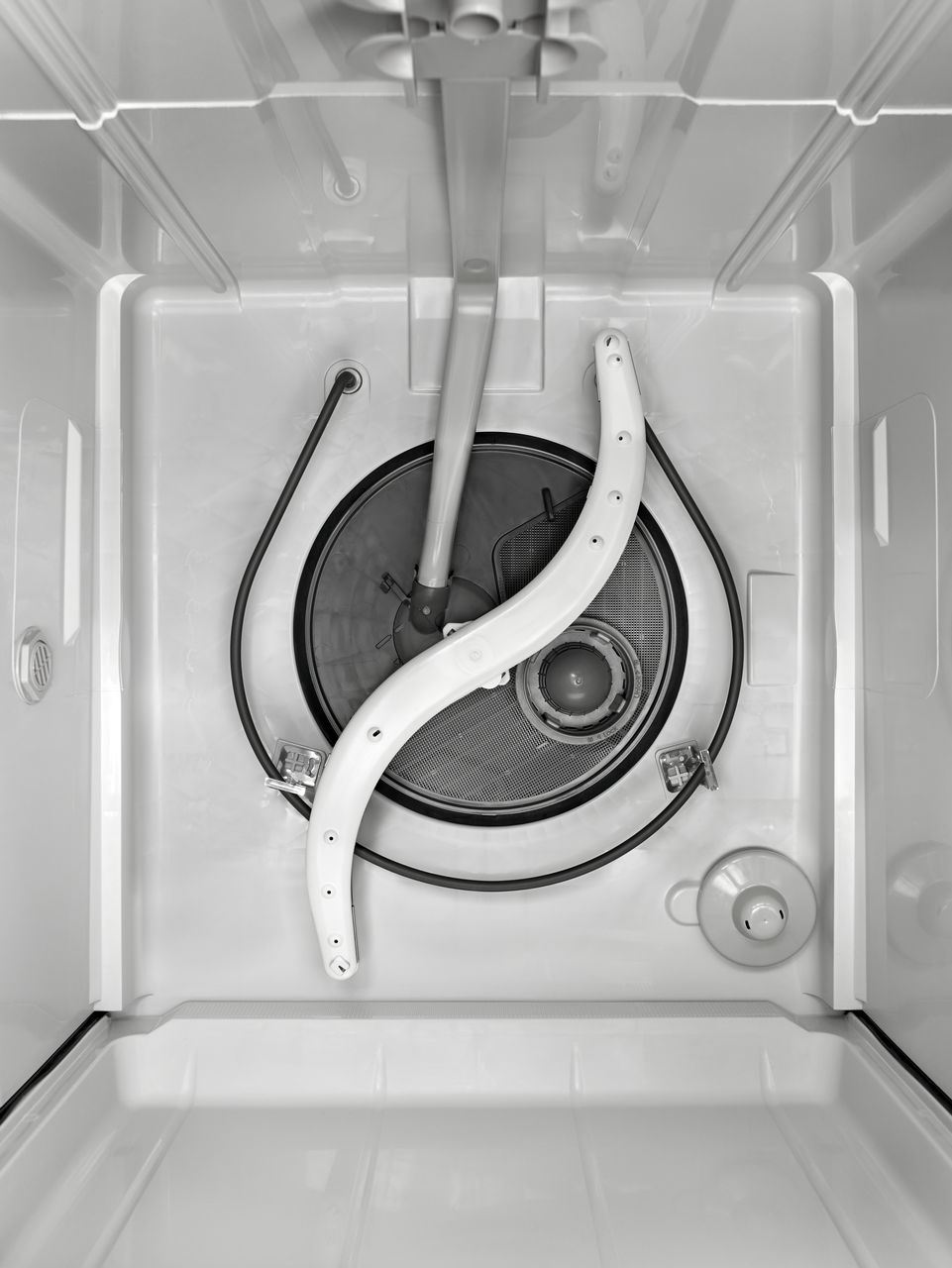
The filter traps food and debris during washing. It sits at the bottom of the dishwasher. Remove the filter by twisting and lifting it out. Rinse it under hot water. Use a soft brush to clean stubborn bits. A clean filter allows water to drain freely.
Fixing Drain Hose Kinks
The drain hose carries water from the dishwasher to the sink or disposal. Look for any bends or kinks in the hose. Straighten the hose if you find any. Kinks block water flow and stop draining. Also, check for any visible clogs inside the hose.
Checking The Air Gap
The air gap prevents dirty water from flowing back into the dishwasher. It is often near the sink faucet. Remove the cover and clean inside the air gap. Use a brush or a pipe cleaner to clear any debris. A blocked air gap can stop draining.
Garbage Disposal Tips
Many dishwashers drain into the garbage disposal. Make sure the disposal is clear and running well. If the disposal is new, remove the knockout plug inside the disposal inlet. This plug blocks the dishwasher drain path. Running the disposal clears any build-up that blocks drainage.
Inspecting Mechanical Parts
Inspecting the mechanical parts is crucial when your Kenmore dishwasher won’t drain. These parts work together to pump water out efficiently. Faulty or blocked components often cause drainage problems. Checking each part helps find the exact issue fast.
Listening For Drain Pump Sounds
Start by running the dishwasher and listen closely. The drain pump should make a humming or whirring sound during draining. No sound may mean the pump is not running or stuck. Strange noises like grinding can indicate damage or blockage inside the pump. These sounds give clues about the pump’s condition.
Checking The Drain Pump
Locate the drain pump under the dishwasher. Unplug the appliance before touching any parts. Remove the lower panel to access the pump. Look for visible signs of damage or leaks. Test the pump’s electrical connections with a multimeter. A faulty pump often needs replacement to restore draining.
Examining The Impeller And Check Ball
The impeller moves water through the pump. It can get clogged or broken. Remove debris around the impeller carefully. The check ball acts as a valve to prevent backflow. It should move freely without sticking. Clean or replace these parts if they are damaged or stuck. Proper function ensures smooth water drainage.
Diy Repairs And Tools
Fixing a Kenmore dishwasher that won’t drain can feel tough. Many problems are simple to fix with basic tools. Doing repairs yourself saves time and money. This section guides you on the tools needed and how to safely fix your dishwasher step-by-step.
Basic Tools Needed
- Screwdrivers (flathead and Phillips)
- Pliers
- Bucket or shallow pan
- Towels or rags
- Flashlight
- Multimeter (optional for electrical testing)
- Small brush for cleaning filters
Safety Precautions
Unplug the dishwasher before starting any repair. Avoid water contact with electrical parts. Use gloves to protect your hands. Work in a dry area to prevent slips. Keep children and pets away during the repair. Read the user manual for model-specific warnings.
Step-by-step Repair Guide
Start by removing the bottom rack to access the drain area. Locate and clean the filter to remove food debris. Check the drain hose for kinks or blockages. Use pliers to detach the hose if needed. Inspect the drain pump for clogs or damage.
Press and hold the “Cancel/Drain” button for three seconds to force draining. If water does not drain, test the drain pump with a multimeter. Replace the pump if it shows no electrical continuity. Reassemble all parts carefully. Plug in the dishwasher and run a test cycle.
When To Call A Pro
Knowing when to call a professional for your Kenmore dishwasher saves time and money. Some problems need expert tools and skills. Trying to fix complex issues alone may cause more damage. A pro can diagnose and repair issues quickly and safely. Read on to learn signs of serious problems, how to find help, and what costs to expect.
Signs Of Serious Issues
Water stays in the dishwasher after the cycle ends. Strange noises come from the drain pump. The dishwasher shows error codes on the display. The drain hose or pump leaks water. Attempts to reset or clear clogs do not work. These signs mean the problem is beyond simple cleaning or resetting. Calling a pro is the safest choice.
Finding Reliable Service
Choose a technician with experience on Kenmore dishwashers. Check online reviews and ratings for local repair companies. Ask about their warranty on parts and labor. Confirm they are licensed and insured. A trustworthy service provider offers clear communication and upfront pricing. Booking a local expert ensures faster response and better knowledge of common issues.
Cost Expectations
Repairs vary by problem severity and parts needed. Simple fixes like clearing clogs may cost less. Pump or motor replacements cost more due to parts and labor. Expect service fees plus parts charges. Getting a detailed estimate before work begins helps avoid surprises. Investing in professional repair extends your dishwasher’s life and prevents bigger expenses.
Preventing Future Drain Problems
Preventing future drain problems is key to keeping your Kenmore dishwasher working well. Small steps help avoid blockages and costly repairs. Regular care saves time and money. Follow simple habits to keep the drain clear and efficient.
Regular Cleaning Schedule
Clean the dishwasher filter every week. Remove food bits and debris to stop clogs. Wipe the door seals to prevent mold buildup. Run a dishwasher cleaner once a month. This removes grease and mineral deposits. A clean machine drains better and lasts longer.
Proper Dishwasher Use
Scrape off large food scraps before loading. Avoid overloading the dishwasher to ensure good water flow. Use the right amount of detergent to prevent residue. Choose the correct wash cycle for the load size. These habits help water drain smoothly.
Avoiding Common Mistakes
Do not pour grease or oil down the drain. Avoid blocking the drain hose with sharp bends or kinks. Never run the dishwasher if the drain hose is clogged. Keep the garbage disposal clear if the dishwasher drains into it. These steps reduce the risk of drain failure.
Credit: fleetappliance.com
Frequently Asked Questions
Why Is Water Standing In The Bottom Of My Kenmore Dishwasher?
Water stands at your Kenmore dishwasher’s bottom due to clogged filters, blocked drain hose, or a faulty drain pump. Clear debris from the filter and hose. Check the air gap and garbage disposal connection. Use the Cancel/Drain button to force draining.
Unplug and reset if needed.
How To Force A Kenmore Dishwasher To Drain?
Press and hold the “Cancel/Drain” button for three seconds to force draining. Clean the filter, drain hose, and air gap from blockages. Unplug the dishwasher for one minute to reset. If it still won’t drain, inspect or replace the drain pump and mechanical parts.
How Do I Force My Dishwasher To Drain?
Press and hold the “Cancel/Drain” button for three seconds to force draining. Check and clear clogs in the filter, drain hose, and air gap. Unplug the dishwasher for one minute to reset. Inspect the drain pump if it still won’t drain.
What Is The Most Common Cause For A Dishwasher Not To Drain?
The most common cause for a dishwasher not to drain is a clogged filter or drain hose blocking water flow.
Why Won’t My Kenmore Dishwasher Drain Water?
Clogged filters, blocked drain hose, or a faulty drain pump often cause drainage issues.
Conclusion
A Kenmore dishwasher that won’t drain can cause frustration. Start by checking and cleaning the filter and drain hose. Press and hold the “Cancel/Drain” button to force draining. Clear any clogs in the air gap or garbage disposal connection. If problems continue, unplug the dishwasher to reset it.
Regular maintenance helps avoid drainage issues. Simple checks often fix the problem quickly. Keep your dishwasher running smoothly with these easy steps. Don’t let standing water stop your kitchen routine. Stay patient and follow the guide for best results.