
You’ve probably wondered if it’s safe to pop that cardboard takeout box or pizza box into your microwave for a quick reheat. After all, it seems convenient, right?
But before you do, it’s important to know what’s really going on when cardboard meets microwave heat. Could it release harmful chemicals? Might it catch fire? Or is it perfectly fine for a quick warm-up? You’ll discover the surprising truth about cardboard and microwaves, learn which types are safe to use, and get simple tips to protect yourself and your food.
Keep reading—your next microwave session might depend on it!
Microwaving Cardboard Risks
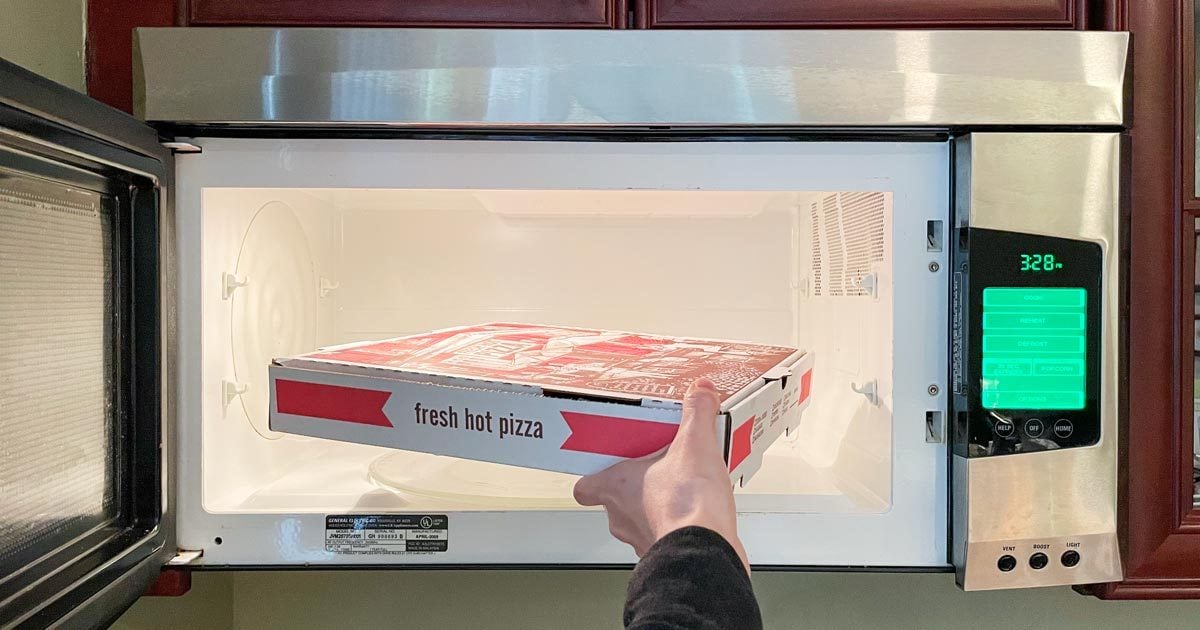
Microwaving cardboard may seem convenient but carries several risks. Cardboard is not always safe for heating. Some materials inside cardboard can cause problems in the microwave. These dangers affect your safety and the quality of your food.
Dangerous Materials In Cardboard
Cardboard often contains glue, wax, or plastic coatings. These materials can melt or release harmful fumes when heated. Toxic chemicals may seep into your food. Not all cardboard is made for microwave use. Only cardboard labeled “microwave-safe” should be heated.
Fire Hazards From Metal Components
Many cardboard boxes have metal staples or foil linings. Metal sparks easily in microwaves. This can start a fire or damage the appliance. Even small metal parts pose a big risk. Always check and remove metal before microwaving cardboard.
Chemical Contamination From Coatings And Inks
Inks and coatings on cardboard can contain unsafe chemicals. These may break down and enter your food during heating. Some inks are toxic when heated. Cardboard with heavy printing or shiny coatings is risky. Use plain or microwave-safe cardboard to avoid contamination.
Credit: www.tasteofhome.com
Types Of Cardboard And Microwave Safety
Understanding the types of cardboard helps decide if it is safe for microwave use. Not all cardboard reacts the same way when heated. Some can catch fire or release harmful chemicals. Others are made for microwave use and are safe. Knowing these differences keeps you and your food safe.
Standard Cardboard Boxes
Standard cardboard boxes are not made for microwaving. They often contain glue, ink, or wax that can melt. These materials may release toxic fumes when heated. Metal staples or foil parts can cause sparks and fires. Avoid putting regular cardboard boxes in the microwave.
Microwave-safe Labeled Cardboard
Some cardboard packaging has a microwave-safe label. This means it is designed to handle heat without melting or catching fire. Food containers from stores sometimes use this type. Always check for the microwave-safe mark before heating. Remove any metal parts before microwaving.
Plain And Uncoated Cardboard
Plain, uncoated cardboard is safer than coated types but still not ideal. It can be used for a short time to warm food indirectly. Avoid direct contact with food or high heat. Using a microwave-safe dish is a better choice. This reduces the risk of fire or chemicals leaching into food.
Safe Practices For Microwaving Cardboard
Microwaving cardboard can be risky without proper care. Using cardboard in the microwave requires smart habits to avoid fires or harmful fumes. Follow these safe practices to heat food safely and protect your microwave and kitchen.
Check For Metal And Remove It
Metal parts on cardboard cause sparks and fires in microwaves. Look for staples, foil linings, or metallic inks on the packaging. Always remove any metal pieces before microwaving. If you see metal, do not heat the cardboard at all.
Use Low Power Settings
Heating cardboard on high power can make it catch fire or burn. Use the microwave’s low or medium power setting instead. This reduces the chance of overheating and keeps the cardboard stable. Heat food slowly and check it often.
Follow Packaging Instructions
Many cardboard packages come with microwave instructions. Read and follow them carefully. The packaging will say if the cardboard is microwave-safe. Do not ignore these instructions. They help prevent accidents and keep food safe.
Credit: www.limepack.eu
Common Food Packaging Concerns
Food packaging materials raise many questions about safety and health. Cardboard is common but varies in composition. Some types contain coatings, inks, or adhesives that might not be microwave safe. Understanding these concerns helps avoid risks like fires or food contamination. Below are common issues with cardboard used in food packaging.
Takeout Boxes And Fast Food Containers
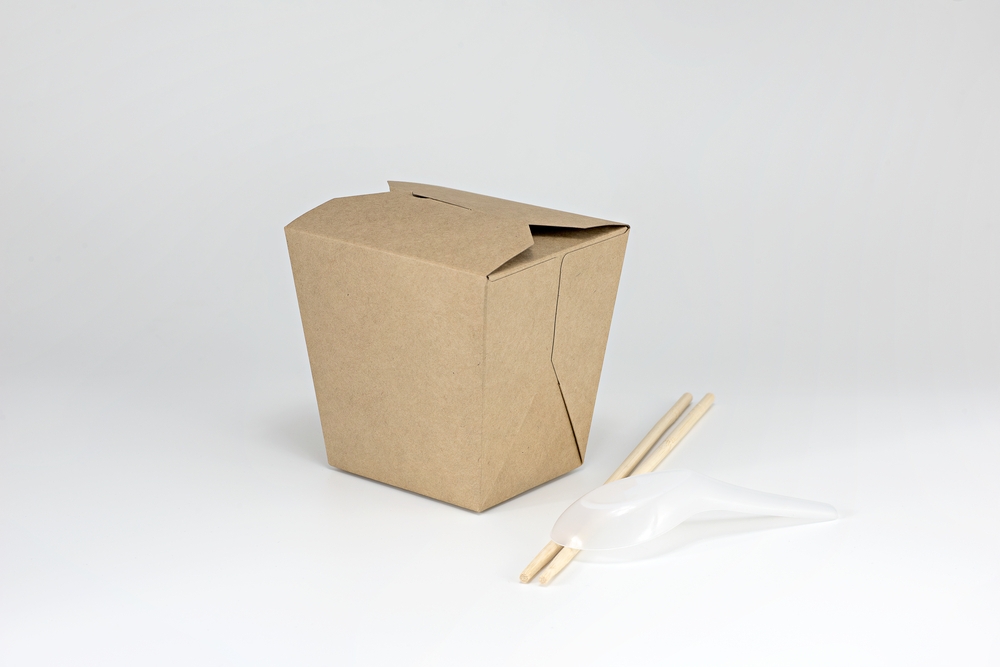
Takeout boxes often look simple but can hide unsafe elements. Many have a thin plastic or wax layer to keep food fresh. These layers can melt or release harmful substances in the microwave. Some containers have metal handles or staples that cause sparks and fires. Always check packaging labels before microwaving.
Wax And Plastic Coated Cardboard
Wax coatings prevent moisture from soaking into cardboard. Plastic coatings do the same but with different materials. Both coatings can melt under microwave heat. Melted coatings can mix with food, posing health risks. Such coated cardboard is not designed to withstand microwave temperatures safely.
Ink And Adhesive Safety Issues
Inks used on cardboard may contain toxic chemicals. Heating can release these chemicals into food or air. Adhesives holding cardboard layers together may also break down with heat. This breakdown can cause odors, contamination, or packaging failure. Cardboard with heavy ink or glue should not be microwaved.
Alternatives To Microwaving Cardboard
Microwaving cardboard is risky due to fire hazards and toxic fumes. Choosing safer alternatives protects your food and kitchen. Several options exist to heat food without using cardboard. These methods keep your meals safe and warm efficiently.
Transfer To Microwave-safe Plates
Move your food from cardboard to a microwave-safe plate. Plates made from glass or ceramic work well. They heat evenly and do not release harmful chemicals. This method avoids the dangers linked with cardboard heating. It also prevents spills and mess inside the microwave. Use this simple step for safer reheating.
Use Microwave-safe Containers
Containers labeled microwave-safe are a smart choice. These containers are designed to withstand heat without melting. Plastic, glass, and silicone containers often have this label. They keep your food fresh and avoid chemical contamination. Always check the container’s label before use. This approach ensures safer and cleaner microwave use.
Signs Of Unsafe Cardboard Use
Using cardboard in the microwave can be risky. Some signs show when cardboard is unsafe to heat. Recognizing these signs helps prevent accidents and food contamination. Watch closely for unusual smells, sights, or changes in your food.
Smoke Or Burning Smell
Smoke or a burning smell means the cardboard is overheating. This can happen if the cardboard has coatings or inks that catch fire. Stop the microwave immediately to avoid fire risks. Never ignore these warning signs.
Visible Sparking
Sparks inside the microwave signal metal in the cardboard. Metal staples, foil, or metallic inks cause this. Sparking can damage your microwave and start a fire. Remove all metal parts before heating cardboard.
Food Contamination Indicators
Cardboard with wax or plastic coatings may melt into food. Ink can also release harmful chemicals when heated. If food tastes strange or looks oily, contamination may have occurred. Avoid eating food heated in unsafe cardboard.
Frequently Asked Questions
Is It Okay To Put Cardboard In The Microwave?
Do not microwave standard cardboard due to glue, wax, or ink that can melt or catch fire. Use only microwave-safe labeled cardboard without metal parts. Always remove any metal fasteners before heating.
Can I Put Mcdonald’s Cardboard In The Microwave?
Do not microwave standard McDonald’s cardboard; it may contain glue, ink, or coatings that can melt or ignite. Only use microwave-safe labeled cardboard and remove any metal parts before heating.
What Types Of Cardboard Are Microwave Safe?
Microwave-safe cardboard is labeled specifically for microwave use. Plain, uncoated cardboard may be safe briefly. Avoid cardboard with metal, wax, plastic coatings, or heavy ink to prevent fire or toxins. Always remove metal parts and follow packaging instructions when microwaving cardboard.
Can You Microwave Paper Takeout Boxes?
Do not microwave paper takeout boxes unless labeled microwave-safe. Coatings, glues, or inks may melt or release harmful fumes. Remove any metal parts before heating. Use microwave-safe dishes for safer reheating.
Is Cardboard Safe To Use In Microwave Ovens?
Cardboard is usually unsafe due to glue, wax, or inks that may melt or catch fire.
Conclusion
Cardboard is not always safe for microwaving. Many types contain glue, wax, or ink that can melt or catch fire. Only use cardboard labeled “microwave-safe” and remove any metal parts before heating. Plain, uncoated cardboard might be okay for a very short time, but it’s safer to use microwave-safe containers.
Always follow instructions on food packaging to avoid risks. Playing it safe protects you and your food from harm.