
When it comes to upgrading your kitchen, choosing the right cooktop can make all the difference in your cooking experience. You might be wondering: should you go for an induction or a radiant cooktop?
Both have their perks, but they work very differently and impact how you cook, the types of cookware you use, and even your energy bills. Imagine cutting down your cooking time while keeping your kitchen safer, or having a cooktop that fits any pan you already own.
Which one suits your lifestyle and needs best? Keep reading to discover the key differences between induction and radiant cooktops, so you can make the smartest choice for your kitchen and enjoy every meal you prepare.
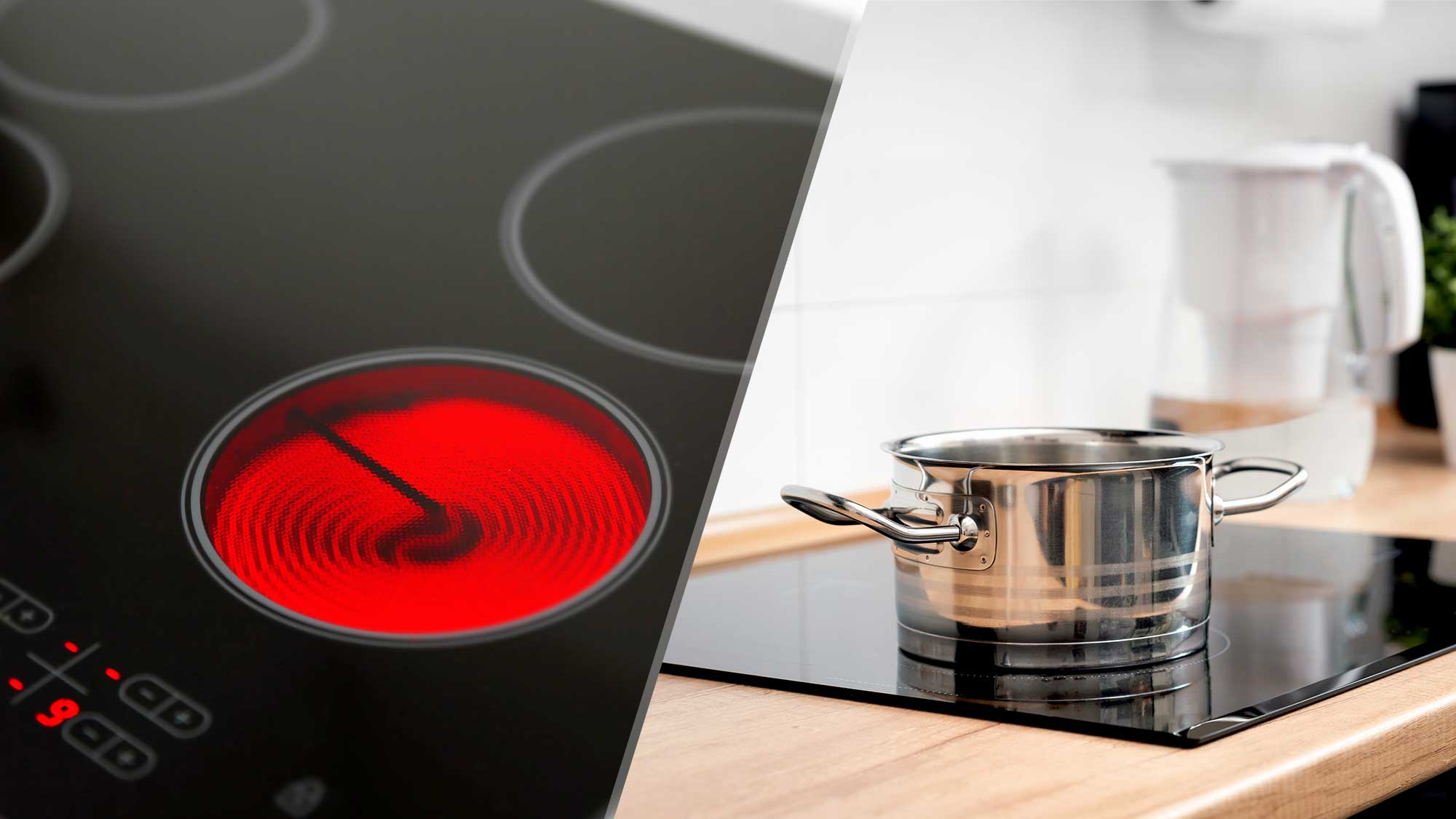
Credit: www.tomsguide.com
Induction Cooktops
Induction cooktops use electromagnetic energy to heat pots and pans directly. This technology makes cooking faster and more energy-efficient than traditional electric cooktops. The surface stays cool because it only heats the cookware, not the cooktop itself. This feature adds safety and ease of cleaning. Induction cooktops offer precise temperature control, making them popular among home cooks and professionals alike.
Heating Efficiency
Induction cooktops heat cookware almost instantly. Energy transfers directly to the pot, reducing heat loss. This process saves time and lowers electricity bills. Cooking times are shorter compared to radiant cooktops. The heat is evenly distributed, preventing hot spots and uneven cooking.
Safety Features
The cooktop surface stays cool during cooking, reducing burn risks. Induction cooktops automatically stop heating if no pan is detected. This prevents accidental burns and fire hazards. Child lock functions are common, adding an extra layer of safety. The quick cooling surface is safer for households with children or pets.
Cookware Requirements
Induction cooktops need magnetic cookware to work properly. Cast iron and some stainless steel pans are compatible. Aluminum, copper, and glass cookware usually do not work unless they have a magnetic base. Testing with a magnet can help check if a pan is suitable. Investing in proper cookware ensures the best cooking results.
Cost Considerations
Induction cooktops generally cost more upfront than radiant models. Prices vary based on brand, size, and features. Energy savings over time may offset the higher initial cost. Replacement or additional cookware might add to expenses. Many users find the efficiency and safety benefits worth the investment.
Common Drawbacks
Induction cooktops require specific magnetic cookware, limiting options. Some users find the noise from the fan or buzzing sound distracting. The higher initial price can deter budget-conscious buyers. Certain cookware shapes may not work well on the flat surface. Power outages or electrical issues affect their use more than gas stoves.
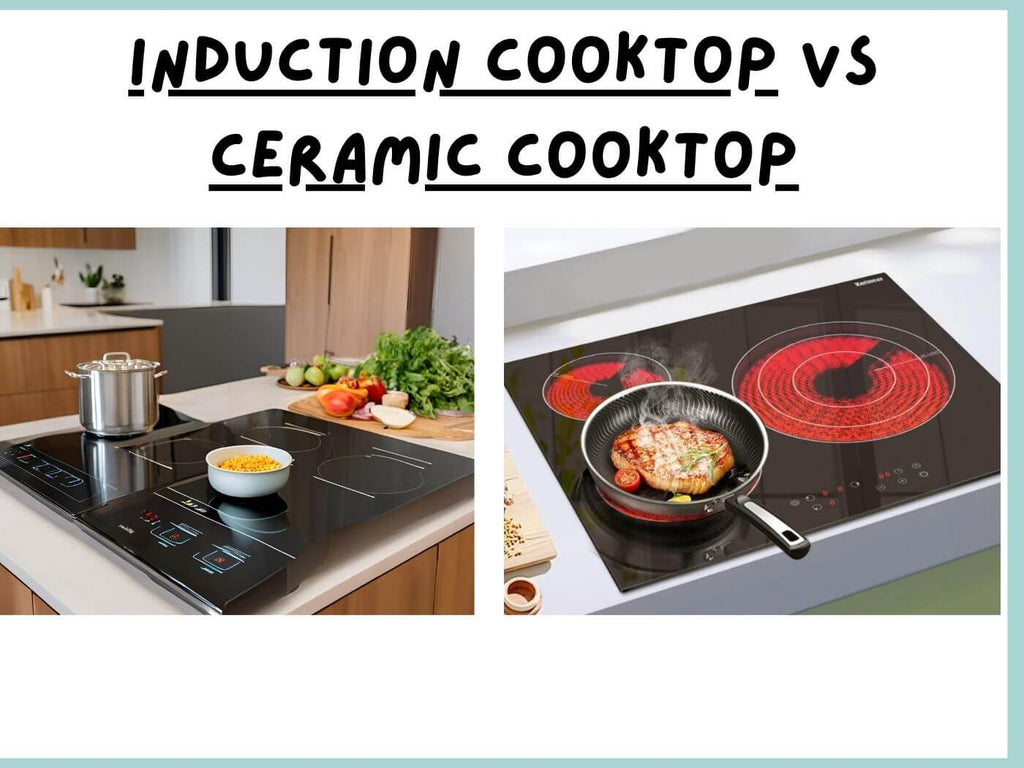
Credit: karinearappliances.com
Radiant Cooktops
Radiant cooktops use heat elements beneath a smooth glass surface to warm cookware. They offer a classic electric stove experience with a sleek design. These cooktops suit many kitchens due to their simplicity and compatibility.
Heating Mechanism
Radiant cooktops heat by electric coils under the glass surface. The coils get hot and transfer heat to the glass. The glass then heats the cookware placed on top. This method heats the entire surface, not just the pot.
Cookware Compatibility
Any type of cookware can be used on radiant cooktops. Pots made from aluminum, copper, stainless steel, or cast iron all work well. There is no need for special magnetic cookware. This makes radiant cooktops very flexible for users.
Cost Benefits
Radiant cooktops usually cost less upfront than induction models. They are easier to manufacture and repair. This lower initial cost appeals to budget-conscious buyers. It is a practical choice for many households.
Safety Concerns
The glass surface of radiant cooktops remains hot after cooking. This can cause burns if touched accidentally. It takes time to cool down fully. Extra caution is needed, especially around children or pets.
Performance Limitations
Radiant cooktops heat slower than induction ones. They waste some energy by heating the surface first. Temperature control is less precise, which can affect cooking results. The hot surface also means more energy loss during use.
Performance Comparison
Comparing the performance of induction and radiant cooktops helps buyers choose the right appliance. Both have strengths and weaknesses in how they cook food. Understanding heating speed, temperature control, energy efficiency, and surface heat levels clarifies their differences.
Each factor affects cooking quality and kitchen safety. This section breaks down these key points to guide your decision.
Heating Speed
Induction cooktops heat much faster than radiant ones. They use magnetic fields to directly heat the pan. This method reduces heat loss and speeds up cooking. Radiant cooktops use electric coils under glass. The coils heat the surface, then transfer heat to the pan. This process takes more time and wastes energy.
Temperature Control
Induction cooktops offer precise temperature control. They change heat levels instantly with little delay. This control helps avoid overcooking or burning food. Radiant cooktops respond slower to adjustments. The heating elements take time to cool or heat up again. This delay makes fine control harder.
Energy Efficiency
Induction cooktops are more energy-efficient. They heat only the cookware and its contents. Less energy escapes into the air, saving power. Radiant cooktops lose more heat to the surrounding air. This loss makes them less efficient and raises energy bills.
Surface Heat Levels
Induction cooktops keep the cooking surface cooler. Only the pan gets hot, reducing burn risks. The surface quickly cools after cooking. Radiant cooktops have hot surfaces for a while. This heat can cause burns and needs caution during cleanup.
Cost And Cookware Factors
Choosing between induction and radiant cooktops involves understanding cost and cookware needs. These factors affect your kitchen budget and cooking experience. Both types have distinct advantages and limitations related to price and the types of pots and pans you can use.
Initial Investment
Induction cooktops usually cost more upfront. The technology inside requires expensive parts. Radiant cooktops tend to be cheaper when buying. This makes them easier for tight budgets. Installation costs can also differ. Induction may need special electrical setups. Radiant cooktops often work with standard wiring.
Cookware Versatility
Induction cooktops need magnetic cookware to work. Cast iron and some stainless steel are good choices. Aluminum, copper, or glass pans do not work well. Radiant cooktops heat any type of cookware. You can use your existing pots and pans. This flexibility suits those with varied kitchen tools.
Long-term Expenses
Induction cooktops save energy by heating pans directly. This can lower electricity bills over time. They also cool faster, reducing kitchen heat. Radiant cooktops waste more energy by heating the surface. They stay hot longer, which may raise cooling costs. Cookware replacement may be needed for induction, adding to long-term costs.
User Experience
User experience plays a big role in choosing between induction and radiant cooktops. Each type offers a different feel in daily use. Understanding these differences helps you pick the best option for your kitchen.
Learning Curve
Induction cooktops need some time to get used to. Controls often include touch panels and precise temperature settings. Users may need to learn how to adjust power levels carefully.
Radiant cooktops feel more familiar. They work like traditional electric stoves. You just turn the knob or press buttons to set the heat. No special skills are needed.
Noise Levels
Induction cooktops sometimes produce a soft humming or buzzing sound. This noise comes from the magnetic field and the cookware used. It is usually quiet and not distracting.
Radiant cooktops stay silent during use. They rely on heating elements under the glass surface. No extra sounds come from the cooking process.
Cleaning And Maintenance
Both cooktops have smooth, flat surfaces that are easy to wipe clean. Induction cooktops stay cooler, so spills do not burn onto the surface. This makes cleaning faster and easier.
Radiant cooktops get very hot, and spills can bake onto the glass. This means you may need stronger cleaners or scrapers. Careful cleaning is necessary to avoid scratching.
Safety Aspects
Safety is a major factor when choosing between induction and radiant cooktops. Both types have unique features that affect how safe they are to use in daily cooking. Understanding these safety aspects helps you make a better choice for your kitchen and family.
Burn Risks
Induction cooktops reduce burn risks significantly. They heat the pan directly, not the cooktop surface. This means the surface stays cooler and less likely to cause burns. Radiant cooktops, on the other hand, heat the glass-ceramic surface itself. The surface remains hot for a while after cooking. This can increase the chance of accidental burns.
Surface Temperature
Surface temperature varies greatly between the two cooktops. Induction cooktops stay relatively cool because only the cookware gets hot. This lowers the risk of burns and makes it safer to touch. Radiant cooktops get very hot during use and stay hot long after they are turned off. This can be dangerous for kids and pets around the kitchen.
Child Safety Features
Induction cooktops often include child safety locks and automatic shut-off features. These prevent children from turning on the stove accidentally. Radiant cooktops may also have safety locks, but they lack the cool surface advantage. Parents should consider these features carefully to keep children safe in the kitchen.
Which One Suits You
Choosing between induction and radiant cooktops depends on your specific needs. Each type offers unique benefits and drawbacks. Understanding these can help you pick the right cooktop for your kitchen.
Consider your cooking style, budget, and the cookware you own. This guide will help you make an informed decision.
Performance Needs
Induction cooktops heat food faster and with better control. They use magnetic fields to directly warm the pan. Radiant cooktops heat the surface under the pan, which is slower. If you cook often and want quick results, induction suits you better.
Radiant cooktops work well for simple cooking tasks. They are less precise but easier to use for basic meals.
Budget Constraints
Radiant cooktops usually cost less upfront. They are a budget-friendly choice for many families. Induction cooktops come with a higher price tag. The energy savings may balance costs over time.
Think about your budget and long-term savings before deciding. A higher initial cost may pay off in energy bills.
Cookware Inventory
Induction cooktops need magnetic cookware like cast iron or stainless steel. Non-magnetic pots will not work. Radiant cooktops work with any kind of cookware, including aluminum and copper.
Check your current pots and pans. If you have many non-magnetic items, radiant might be easier to use.
Cooking Habits
Induction cooktops offer precise temperature control. This is good for cooking delicate dishes or recipes needing exact heat. Radiant cooktops take longer to heat and cool. They are fine for slow cooking or simple meals.
Think about how you cook daily. Fast cooking and control suit induction users. For casual cooking, radiant cooktops are practical.
Frequently Asked Questions
Which Is Better, A Radiant Or An Induction Cooktop?
Induction cooktops heat faster, save energy, and are safer but cost more and need magnetic cookware. Radiant cooktops cost less and work with all cookware but heat slower and stay hot longer. Choose induction for performance; choose radiant for affordability and versatility.
What Are The Disadvantages Of An Induction Cooktop?
Induction cooktops have a higher upfront cost and require magnetic cookware. They can produce noise and depend on electricity. The glass surface may scratch or crack easily. Users might face a learning curve due to rapid heating.
Why Don’t Chefs Use Induction?
Chefs often avoid induction due to its higher upfront cost and the need for magnetic cookware. It also heats quickly, requiring adjustment. Some find the humming noise and glass surface fragility inconvenient.
What Cannot Be Cooked On Induction?
Induction cooktops cannot heat non-magnetic cookware like aluminum, copper, glass, or ceramic pots and pans.
What Are The Main Differences Between Induction And Radiant Cooktops?
Induction cooktops heat faster and use magnetic cookware. Radiant cooktops work with any cookware but heat slower.
Conclusion
Choosing between induction and radiant cooktops depends on your needs. Induction heats faster and uses less energy. It also stays cooler, making it safer. Radiant cooktops cost less upfront and fit any cookware. They take longer to heat and stay hot after use.
Think about your budget, cooking style, and safety preferences. Both types have clear pros and cons. Decide which features matter most before buying. This way, you get the best cooktop for your kitchen.