
Is your ice maker not getting water? It’s frustrating when you reach for a cold drink and find no ice ready to go.
You might wonder why your ice maker suddenly stopped filling with water. The good news is, this is a common problem with clear, easy fixes you can try yourself. From frozen tubes to clogged filters, small issues can block water from reaching your ice maker.
Keep reading, and you’ll discover simple steps to troubleshoot and solve the problem quickly. Don’t let a dry ice maker spoil your day—let’s get it working again!

Credit: kismile.com
Check Water Supply
When your icemaker is not getting water, the first step is to check the water supply. This ensures water can flow freely to the icemaker. A closed valve or blocked line often causes water issues.
Checking the water supply is simple and can fix most problems quickly. Start by verifying the water valve is open. Then, inspect the water line for any kinks or damage that might stop water flow.
Open Water Valve
Locate the water supply valve for the refrigerator. It is usually under the kitchen sink or near the water line. Ensure the valve is fully open to allow water to pass.
A closed or partially closed valve will stop water from reaching the icemaker. Turn it counterclockwise to open it completely. After opening, check if water starts filling the icemaker.
Inspect Water Line For Kinks
Examine the water line from the valve to the refrigerator. Look closely for bends, twists, or kinks in the tubing.
Kinks can block or reduce water flow. Straighten any bends gently without damaging the line. Replace the line if you see cracks or leaks.
Ensuring the water line is smooth and clear helps the icemaker receive water consistently.
Inspect Ice Maker Components
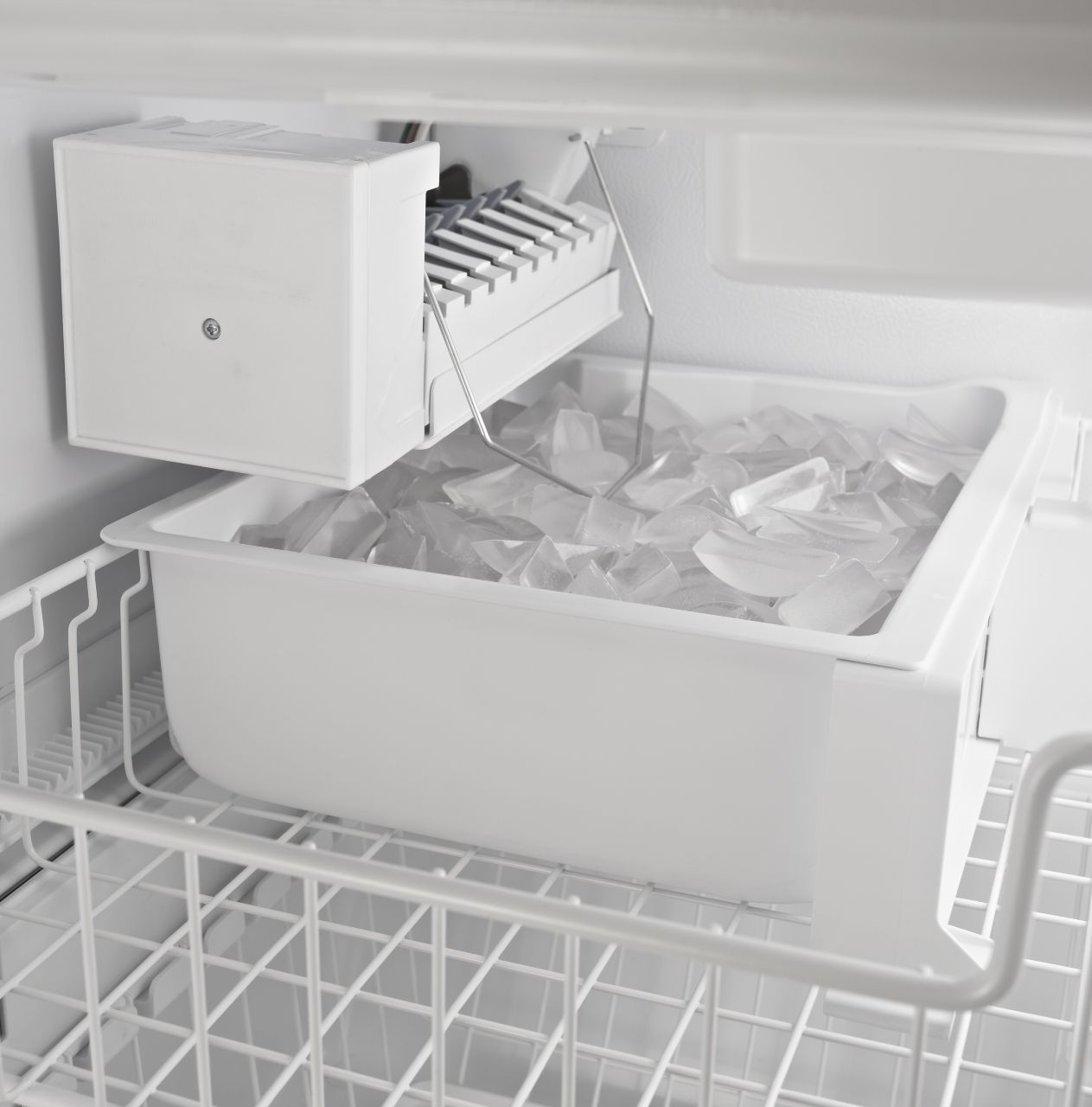
Inspecting the ice maker components is a key step in fixing water supply issues. Small parts inside the ice maker control the water flow. Dirt, damage, or misalignment can stop water from reaching the ice tray. Take time to check each component carefully. This helps find the root cause quickly and saves repair costs.
Lower Feeler Arm
The feeler arm senses the ice level in the tray. It must be in the down position to allow water filling. If the arm is stuck up, the ice maker thinks the tray is full. Gently lower the arm to reset it. Clean any debris around the arm to ensure smooth movement. This simple check often restores water flow.
Turn Ice Maker On
Many ice makers have an on/off switch or setting. Confirm the ice maker is turned on. Check the refrigerator control panel or the ice maker itself. Sometimes the power switch is accidentally turned off during cleaning. Turning it back on restarts the water filling process. This step saves time before deeper troubleshooting.
Set Freezer Temperature
The freezer temperature affects ice maker function. Set the freezer to about 0°F (-18°C) for best results. If it is too warm, the water may not freeze properly. If too cold, water fill lines may freeze and block flow. Adjust the temperature and wait a few hours. Proper temperature helps keep water moving smoothly to the ice maker.
Clear Frozen Fill Tube
A frozen fill tube often causes an icemaker not to get water. The fill tube is a small plastic tube that delivers water from the freezer’s water line into the ice maker mold. When ice blocks this tube, water cannot flow, stopping ice production. Clearing the frozen fill tube is a simple fix. It helps restore water flow and gets the icemaker working again quickly.
Locate Fill Tube
Open the freezer and find the icemaker unit. Look behind or underneath the icemaker for a thin plastic tube. This is the fill tube. It usually points toward the ice mold. Check the tube for any visible ice buildup. Ice inside the tube blocks water from flowing into the mold. Knowing its exact location makes thawing easier and safer.
Thaw With Hair Dryer
Turn off the refrigerator power to avoid damage. Use a hair dryer on low heat. Gently blow warm air on the frozen fill tube. Move the hair dryer back and forth for even thawing. Do not hold it too close to avoid melting the plastic tube. Continue until the ice inside the tube melts completely. Wipe any water drips and turn the fridge back on. The icemaker should fill with water soon after.

Credit: www.youtube.com
Replace Water Filter
Replacing the water filter is a key step when your icemaker is not getting water. A clogged or old filter can block water flow. This stops the ice maker from filling properly. Changing the filter can restore normal water flow and ice production.
Water filters trap dirt and impurities. Over time, they get full and slow down water. A fresh filter helps keep water clean and ice fresh. It also prevents damage to your icemaker parts.
Check Filter Age
Check how long you have used the water filter. Most filters need changing every six months. Write the install date on the filter or fridge. If it is older than six months, replace it. Old filters reduce water flow and ice quality.
Look for signs like slow ice making or bad taste in water. These signs mean the filter is clogged. Do not wait too long to replace it.
Install New Filter
Turn off the water supply before removing the old filter. Remove the old filter carefully by twisting or pulling it out. Follow your fridge’s manual for instructions.
Take the new filter out of its package. Remove any protective covers or caps. Insert the new filter firmly into the slot. Twist or push it until it locks in place.
Turn the water supply back on. Run water through the dispenser for a few minutes. This clears air and loose particles from the new filter. Your icemaker should now get water and make ice normally.
Test Water Inlet Valve
Testing the water inlet valve is a key step when your icemaker does not get water. This valve controls water flow into the ice maker. A faulty or blocked valve stops water from reaching the ice tray. Checking this part can save time and avoid unnecessary repairs. Follow simple steps to identify valve problems and test its function effectively.
Identify Valve Symptoms
Look for signs of a bad water inlet valve. The ice maker may make clicking sounds without filling. Water might trickle slowly or not flow at all. Sometimes, the valve leaks water inside the fridge. These symptoms show the valve may be blocked or broken. Noticing these early helps fix the problem quickly.
Clear Valve Blockages
Blockages often cause the valve to stop water flow. Mineral deposits or debris can clog the valve screen. Turn off the water supply before cleaning. Remove the valve carefully and check the inlet screen. Use a soft brush or cloth to clear dirt. Rinse with clean water and dry before reinstalling. Clearing blockages restores normal water flow.
Use Multimeter For Testing
A multimeter helps test the valve’s electrical parts. Unplug the refrigerator to avoid shocks. Disconnect the valve’s wiring harness. Set the multimeter to the lowest ohms setting. Touch the probes to the valve’s terminals. A reading close to zero means good continuity. Infinite or no reading shows the valve needs replacing. This test confirms if the valve works electrically.
Credit: danmarcappliance.com
Frequently Asked Questions
Why Is Water Not Getting Into My Ice Maker?
Water may not reach your ice maker due to a frozen fill tube, clogged filter, closed valve, kinked line, or faulty inlet valve. Check the water supply, feeler arm, and freezer temperature. Thaw ice blockages, replace filters, and inspect or test the inlet valve to restore water flow.
How To Unclog An Ice Maker Water Line?
Turn off the water supply and unplug the fridge. Use a hair dryer to thaw ice in the fill tube. Check for kinks or clogs in the water line. Replace the water filter if old. Test and replace the water inlet valve if blockages persist.
How To Reset A Refrigerator Ice Maker?
Reset a refrigerator ice maker by turning it off, waiting 30 seconds, then turning it back on. Check the water supply and feeler arm. Thaw any ice blockages in the fill tube. Replace the water filter if clogged. Test or replace the water inlet valve if needed.
Why Is My Frigidaire Ice Maker Not Flowing Water?
Your Frigidaire ice maker may not flow water due to a frozen fill tube, clogged filter, closed water valve, kinked line, or faulty inlet valve. Check and thaw the fill tube, replace the filter, ensure the water valve is open, and inspect the water line for kinks or damage.
Why Is My Icemaker Not Getting Water Supply?
The water supply valve might be closed or the water line could be kinked, blocking flow.
Conclusion
Troubleshooting an icemaker not getting water can be simple. Check the water supply valve first. Make sure the feeler arm is down and the ice maker is on. Clear ice from the fill tube using gentle heat. Inspect the water line for kinks or damage.
Replace the water filter if it looks old or clogged. Watch for signs of a faulty water inlet valve, like small or no ice cubes. Following these steps can help restore your icemaker’s water flow. Stay patient and work carefully for best results.