
Is your ice maker suddenly refusing to make ice? You’re not alone—and it’s frustrating when your favorite appliance stops working without warning.
But don’t worry, you can fix this. Whether your ice maker isn’t producing any ice at all or the cubes are smaller than usual, the problem usually boils down to a few common issues you can check yourself. From frozen water lines and clogged filters to temperature settings and mechanical glitches, understanding what’s behind the problem is the first step to solving it.
Keep reading, and you’ll discover simple, effective tips to get your ice maker working smoothly again—no need to call a repair person just yet!
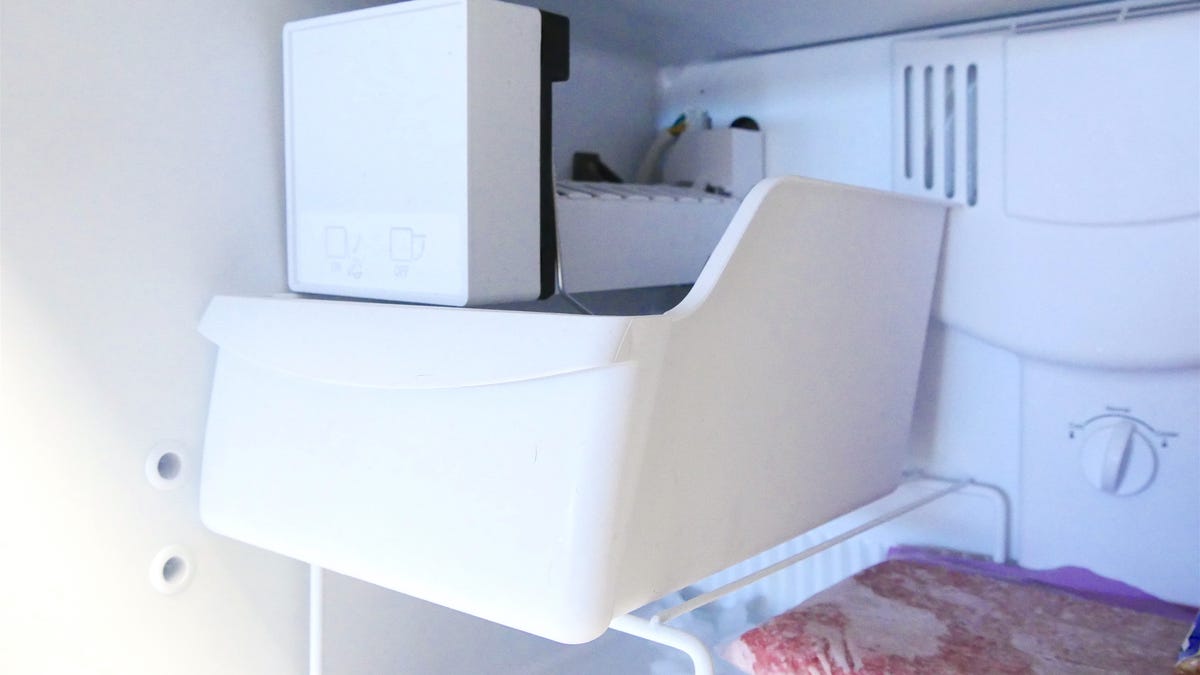
Credit: www.cnet.com
Water Supply Issues
Water supply issues are a common reason why an ice maker stops working. Without a steady flow of water, the ice maker cannot produce ice cubes. Problems can occur inside the water line, filter, or even from the water pressure itself.
Understanding these issues helps you find the right fix and get your ice maker working again quickly.
Frozen Water Line
The water line that feeds the ice maker can freeze in cold temperatures. This blocks water from reaching the ice maker. A frozen line stops ice production completely.
To fix this, gently thaw the line using a hairdryer on low heat. Avoid using high heat to prevent damage.
Clogged Water Filter
A dirty or clogged water filter reduces water flow. This leads to slow ice production or no ice at all. Water filters need changing about every six months.
Replacing the water filter is simple and can improve water flow immediately.
Low Water Pressure
Low water pressure causes weak or no water flow to the ice maker. This reduces ice production or stops it completely. Pressure can drop if the supply valve is partly closed.
Check your home’s water pressure and fully open the supply valve. This often restores normal ice making.
Kinked Or Disconnected Water Line
The water line can become bent or disconnected behind the fridge. Kinks block water flow and stop ice production. Disconnected lines stop water completely.
Inspect the water line, straighten any bends, and reconnect loose ends. This simple step can fix many water supply problems.
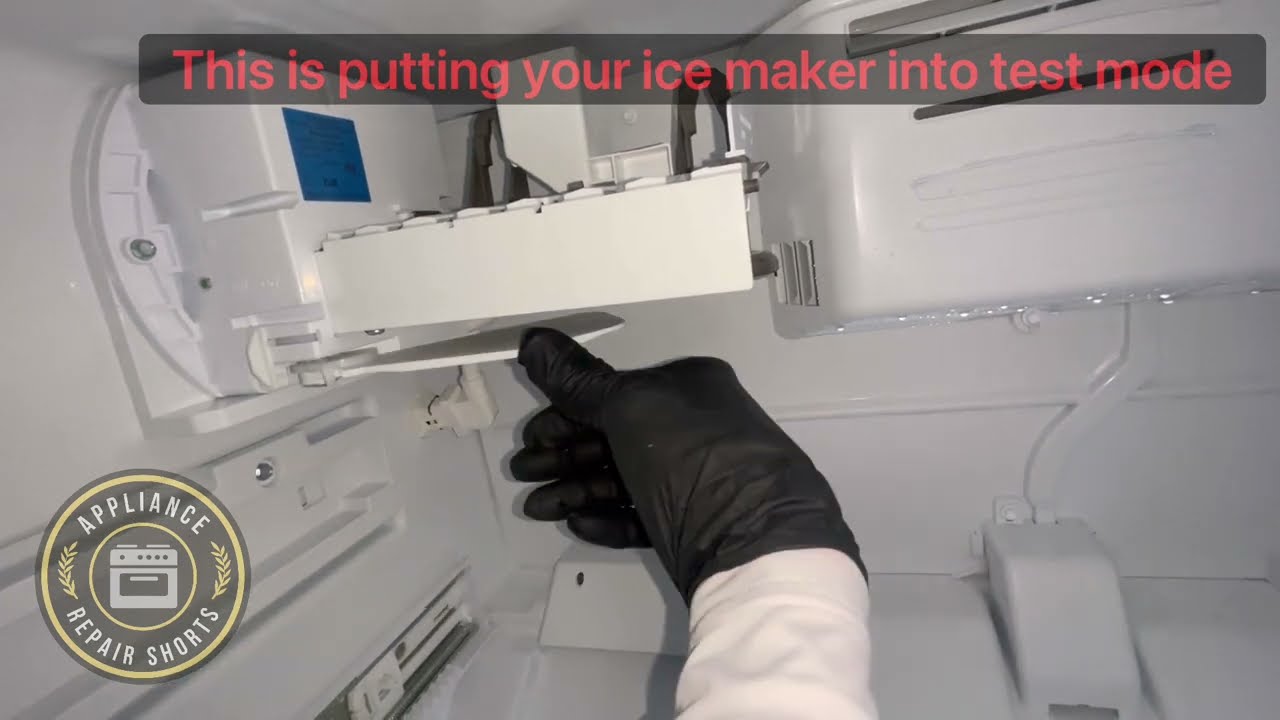
Credit: www.youtube.com
Temperature And Control Problems
Temperature and control issues often cause an ice maker to stop working. These problems prevent ice from forming or dispensing correctly. Understanding these issues helps you fix the ice maker quickly and easily.
Incorrect Freezer Temperature
The freezer must stay at the right temperature for ice to form. If it is too warm, water won’t freeze. If it is too cold, water lines can freeze and block water flow. The ideal freezer temperature is around 0°F (-18°C). Check and adjust the thermostat if needed. This simple step often restores ice production.
Control Arm Position
The ice maker has a control arm that turns ice making on or off. When the arm is in the “off” position, the ice maker stops working. Sometimes the arm gets stuck or moves accidentally. Make sure the arm is in the “on” position. Gently move it up or down to reset it. This often solves the problem quickly.
Sensor Blockages
Modern ice makers use sensors to detect ice levels or water flow. Ice or dirt can block these sensors. Blocked sensors may stop the ice maker from working. Check the sensor area for ice build-up or dirt. Clean the sensors carefully using a soft cloth. Clearing blockages lets the ice maker work properly again.
Mechanical And Electrical Failures
Mechanical and electrical failures often cause ice makers to stop working. These problems prevent water from flowing or the ice maker from cycling properly. Identifying the exact cause helps fix the issue quickly. Common mechanical and electrical faults include problems with the water inlet valve, thermostat or motor, and control board.
Faulty Water Inlet Valve
The water inlet valve controls water flow into the ice maker. Mineral deposits or debris can block it. A blocked valve stops water from entering the ice maker. Without water, ice production halts entirely. Testing the valve with a multimeter checks for electrical faults. Replacing a faulty valve usually restores water flow and ice making.
Defective Thermostat Or Motor
The thermostat monitors temperature inside the ice maker. If it fails, the ice maker may not cycle correctly. A broken motor can stop the ice maker from ejecting ice cubes. Both parts must work for proper ice production. A defective thermostat or motor requires replacement to fix the issue.
Control Board Issues
The control board manages the ice maker’s functions. Electrical surges or wear can damage the board. A faulty control board may cause the ice maker to stop working or cycle incorrectly. Diagnosing this problem often needs professional tools. Replacing the control board usually solves the problem.

Credit: smartapplianceservices.com
Simple Maintenance Tips
Simple maintenance helps keep your ice maker working well. Small tasks prevent big problems and save time. These easy tips improve ice production and extend the life of your appliance.
Regular Filter Replacement
Change the water filter every six months. A clean filter allows water to flow freely. Clogged filters block water and reduce ice output. Use filters recommended by your ice maker’s brand. Regular replacement ensures fresh, clean ice.
Cleaning Ice Maker Components
Clean the ice maker parts regularly. Remove ice buildup and dirt from the tray and mold. Use warm water and mild soap to wipe surfaces. Avoid harsh chemicals that can damage the machine. Clean parts help make clear, fresh-tasting ice.
Checking Water Line Connections
Inspect water lines for kinks or leaks often. Bent or loose hoses stop water flow. Secure all connections tightly to prevent leaks. Look for frozen spots that block water. Fixing these issues keeps water moving to the ice maker smoothly.
When To Call A Professional
Knowing when to call a professional for ice maker repair saves time and prevents damage. Some issues are simple and fixable at home. Others need expert skills and tools. Complex problems can cause more harm if handled incorrectly. A trained technician can quickly find the root cause and fix it safely. Here are key moments when professional help is necessary.
Diagnosing Complex Electrical Problems
Ice makers have electrical parts that control ice production. Wiring faults or control board failures are hard to spot. A professional uses special tools to test circuits and sensors. They know how to read error codes and troubleshoot electronics. This expertise helps avoid guesswork and wrong repairs. Electrical problems need careful handling to restore the ice maker’s function.
Replacing Internal Components
Some parts inside the ice maker wear out or break over time. These include the water inlet valve, motor, and thermostat. Removing and replacing these parts requires knowledge and the right tools. Professionals have access to original parts that fit perfectly. They ensure components work well together after replacement. DIY attempts may cause leaks or electrical shorts if parts are installed wrong.
Ensuring Safety During Repairs
Ice makers connect to water and electricity. This creates risks of shocks and floods. Professionals follow safety rules to protect themselves and your home. They switch off power and water before starting repairs. Proper handling of electrical parts prevents accidents. Calling a pro reduces dangers while fixing your ice maker quickly and correctly.
Diy Troubleshooting Steps
Fixing an ice maker yourself saves time and money. Simple troubleshooting steps often solve common problems. These steps cover basic issues that stop ice production. Follow them carefully to get your ice maker working again quickly.
Thawing Frozen Lines
Frozen water lines block water from reaching the ice maker. Use a hairdryer on low heat to thaw the line gently. Avoid high heat to prevent damage. Check the line for ice build-up and clear it fully. This step often restores water flow and ice making.
Resetting The Ice Maker
Resetting can clear minor errors in the ice maker’s system. Locate the reset button or switch on your ice maker. Press and hold it for about 10 seconds. Some models require unplugging the fridge for a minute. This action restarts the ice maker’s mechanism.
Testing Water Flow
Proper water flow is essential for ice production. Inspect the water line for kinks or bends that block flow. Ensure the water supply valve is fully open. Check the water filter and replace it if clogged. Low water pressure can also stop ice making, so test pressure if possible.
Preventive Measures
Taking preventive steps can help keep your ice maker working smoothly. Regular care avoids many common problems. Simple actions can extend your ice maker’s life and improve ice quality.
Maintaining Proper Freezer Temperature
Set your freezer temperature between 0°F and 5°F (-18°C to -15°C). This range ensures ice freezes correctly without freezing water lines. Check the temperature regularly using a freezer thermometer. Avoid frequent opening of the freezer door to keep the temperature stable. A consistent temperature prevents ice maker malfunctions and keeps ice clear and solid.
Routine Ice Maker Inspections
Inspect your ice maker every month to catch small issues early. Check the ice bin for jams or blockages. Make sure the control arm or sensor is in the “on” position. Clean the ice maker parts gently to remove dirt or ice buildup. Look for leaks or unusual noises. Early detection of problems reduces repair costs and prevents ice production stops.
Avoiding Common Water Supply Issues
Ensure the water supply line is free from kinks and damage. Replace the water filter every six months to keep water flow steady. Check that the water valve is fully open and water pressure is sufficient. Prevent the water line from freezing by keeping the freezer temperature balanced. Clear any ice blockages in the line carefully using warm air. Proper water supply keeps your ice maker running without interruptions.
Frequently Asked Questions
Why Would An Ice Maker Suddenly Stop Working?
An ice maker may stop working due to frozen water lines, clogged filters, incorrect freezer temperature, or mechanical failures. Check water supply, temperature settings, and control arm position to fix most issues.
How To Reset An Ice Maker?
To reset an ice maker, unplug the fridge for 5 minutes. Plug it back in, then press the reset button or switch. Check the control arm is in the “on” position. This restarts the ice maker cycle and resolves minor issues.
How To Unclog An Ice Maker Water Line?
Unclog an ice maker water line by turning off the water supply. Use warm water or a hairdryer to thaw frozen sections. Replace clogged filters. Check and straighten kinked lines. Ensure water pressure is adequate and connections are secure.
Does Unplugging A Refrigerator Reset The Ice Maker?
Unplugging a refrigerator can reset the ice maker by restarting its system. Wait a few minutes before plugging it back in. This may resolve minor glitches and restore ice production. If problems persist, check water supply, filters, or call a professional for repairs.
Why Is My Ice Maker Suddenly Not Making Ice?
Common causes include frozen water lines, clogged filters, or incorrect freezer temperature.
Conclusion
Troubleshooting an ice maker can save time and money. Check water supply lines for ice or kinks first. Replace clogged filters regularly to keep water flowing. Keep freezer temperature steady for proper ice formation. Ensure the control arm is in the correct position.
Mechanical or electrical issues may need a technician’s help. Regular maintenance prevents many common problems. Stay patient and methodical while fixing your ice maker. This approach helps restore ice production quickly and easily.