
Is your freezer constantly covered in thick ice that’s hard to remove? Ice buildup doesn’t just take up space; it can make your freezer work harder, raise your electricity bill, and shorten the life of your appliance.
But what if you could stop this problem before it starts? You’ll discover simple, practical steps to prevent ice buildup in your freezer. By following these easy tips, you’ll keep your freezer running smoothly, save money, and avoid the hassle of defrosting all the time.
Ready to make your freezer ice-free and efficient? Let’s dive in!
Credit: hellosuper.com
Causes Of Ice Buildup
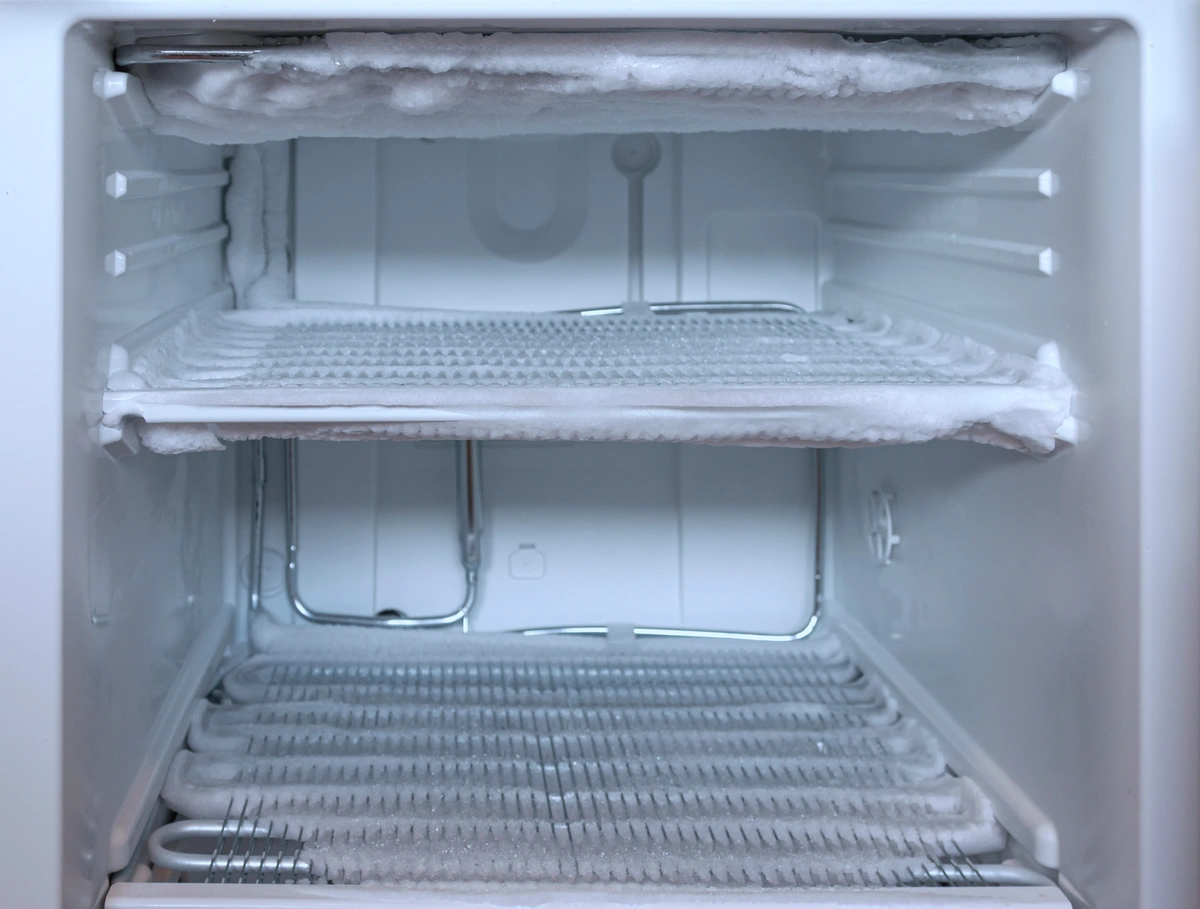
Ice buildup in freezers can cause many problems. It reduces storage space and makes the freezer work harder. Understanding what causes ice buildup helps you stop it early. Several common issues lead to ice forming inside your freezer. Knowing these causes can save you time and money.
Defrost System Failures
The defrost system stops ice from building up. It has parts like a timer, heater, and thermostat. If any part breaks, ice will form. The freezer cannot melt frost automatically. This leads to thick ice layers inside the freezer. Regular checks can spot defrost system problems early.
Door Seal Problems
Door seals keep cold air inside the freezer. If the seal is broken or worn, warm air enters. Warm air causes moisture to form inside. This moisture freezes and turns into ice. Check seals for cracks or gaps. Replace them quickly to stop ice buildup.
Frequent Door Opening
Opening the freezer door often lets warm air inside. This air causes moisture to form. The moisture freezes and creates ice on freezer walls. Try to open the door less and close it fast. This keeps the freezer cold and dry inside.

Credit: www.wikihow.com
Preparing For Ice Removal
Preparing for ice removal in your freezer is key to a smooth and safe process. Proper preparation helps prevent damage and makes cleanup easier. Follow simple steps to get ready before starting ice removal.
Unplugging And Emptying
First, unplug the freezer to cut off power. This stops the compressor and prevents accidents. Next, remove all food items. Store perishables in a cooler or another freezer to keep them fresh. Emptying the freezer gives you space to work and avoids food damage.
Protecting Surrounding Areas
Ice removal causes water to drip and spread. Lay towels or old cloths around the freezer base. Place a tray or shallow pan to catch melting water. Protect floors and nearby furniture from water damage. This step keeps your kitchen clean and dry.
Removing Shelves And Drawers
Take out all removable shelves and drawers. This clears the way to reach ice buildup easily. Clean these parts separately with warm water and mild soap. Removing them also speeds up the melting process inside the freezer.
Effective Defrosting Methods
Effective defrosting is key to stopping ice buildup in your freezer. It keeps your freezer running well and saves energy. Quick, safe methods help remove ice without damage. Use simple tools and household items to defrost efficiently.
Using Hot Water Steam
Boil water and pour it into a heatproof bowl. Place the bowl inside the freezer and close the door. The steam softens the ice, making it easier to remove. Check the ice after 10-15 minutes. Wipe away melted water with a towel. Repeat if needed for thick ice layers.
Applying Warm Towels
Soak towels in warm water and wring out the excess. Lay the towels over the icy areas inside the freezer. The warmth helps melt the ice quickly. Replace towels when they cool down. Use this method to speed up defrosting without heat sources.
Using A Hairdryer Safely
Set the hairdryer to low or medium heat. Keep it 6-8 inches away from the ice and freezer walls. Move the dryer slowly to avoid overheating one spot. Do not use a hairdryer near water to prevent accidents. This method melts ice fast but needs careful handling.
Room-temperature Air Circulation
Leave the freezer door open at room temperature. Place a fan nearby to blow air into the freezer. The air flow speeds up melting ice naturally. This method takes longer but uses no heat or tools. Make sure to place towels to catch dripping water.
Safe Ice Removal Techniques
Removing ice buildup safely protects your freezer and food. Use gentle tools and careful methods. Avoid damage to the freezer walls or cooling elements. Follow simple steps for safe ice removal.
Using Plastic Or Wooden Scrapers
Choose plastic or wooden scrapers for ice removal. These materials are soft and reduce the risk of scratches. Gently push the ice to break it apart. Avoid forcing the scraper to prevent damage. Work slowly for the best results.
Avoiding Sharp Objects
Never use knives or metal tools to remove ice. Sharp objects can puncture freezer walls or cooling tubes. Punctures cause leaks and costly repairs. Keep sharp tools away from the freezer interior. Use safer alternatives like scrapers or warm towels.
Managing Melted Water
Place towels or a shallow pan to catch water. Melted ice can create slippery floors or damage wood. Regularly wring out towels to keep the area dry. Clean spills quickly to avoid mold and odors. Keeping water contained helps maintain a clean space.
Cleaning And Drying After Defrost
Cleaning and drying after defrost is crucial to stop ice from building up again. Proper care keeps your freezer working well and saves energy. It removes moisture that leads to frost. Clean surfaces help food stay fresh longer. Drying well stops water from freezing into ice. Follow simple steps to maintain your freezer’s condition and prevent ice buildup.
Baking Soda Solution Cleaning
Use a baking soda solution to clean your freezer. Mix two tablespoons of baking soda with one quart of warm water. This gentle cleaner removes odors and grime without harsh chemicals. Wipe all inside surfaces with a soft cloth dipped in the solution. Baking soda helps neutralize smells and leaves no residue. Rinse with a clean damp cloth to finish.
Thorough Drying
Dry every part of the freezer carefully after cleaning. Use a dry towel or cloth to wipe down all surfaces. Pay special attention to corners and door seals. Any leftover moisture can turn into ice quickly. Leave the freezer door open for a while to air out. Make sure no water pools remain before closing the door.
Repositioning The Freezer
Place your freezer in a well-ventilated spot. Avoid tight spaces or walls blocking airflow around it. Good air circulation helps prevent moisture buildup inside. Keep the freezer level to stop door seals from warping. Check the seal often to ensure it closes fully. Proper positioning reduces frost and ice formation.
Tips To Prevent Future Ice Buildup
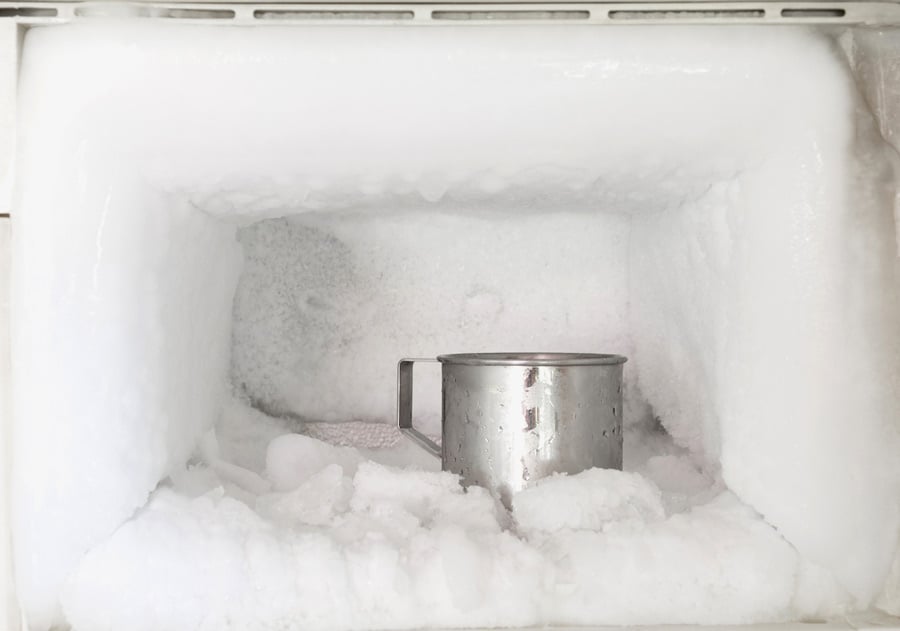
Preventing ice buildup in your freezer keeps it running smoothly and saves energy. Follow simple habits to stop ice from forming again. These tips help keep your freezer dry and efficient.
Maintaining Door Seals
Check the door seals regularly for cracks or dirt. Clean seals with warm, soapy water to keep them flexible. Replace seals if they no longer close tightly. A tight seal stops warm air from entering and causing ice.
Keeping The Freezer Organized
Organize your freezer so air flows freely around items. Avoid overpacking to prevent blocking vents. Use clear containers to spot food quickly. Proper airflow reduces moisture and limits ice buildup.
Monitoring Temperature Settings
Keep the freezer temperature between 0°F and 5°F (-18°C to -15°C). Too cold settings cause excess frost. Check the temperature with a freezer thermometer. Adjust settings if ice starts to appear.
Limiting Door Opening Frequency
Open the freezer door only when needed. Each opening lets warm air in, which turns to ice inside. Close the door quickly and firmly. Plan what you need before opening to save cold air.
Credit: www.abt.com
Frequently Asked Questions
What Is The Most Common Reason For Ice Build Up In A Refrigerator Freezer?
The most common reason for ice buildup in a freezer is a faulty defrost system. This includes a broken defrost timer, heater, or thermostat. A damaged door seal can also cause ice to accumulate by letting warm air inside.
How Do I Get Rid Of Ice Build Up In My Freezer?
Unplug the freezer and remove all food. Place towels to catch water. Use hot water bowls, a hairdryer on low, or warm towels to melt ice. Gently scrape with a plastic tool. Dry and clean the interior before restarting the freezer.
What Number Should My Freezer Be On?
Set your freezer temperature to 0°F (-18°C) for optimal food preservation and energy efficiency.
What Should Go In The Bottom Drawer Of A Freezer?
Store heavy or bulky items like frozen vegetables, meats, or large containers in the bottom freezer drawer for easy access and stability.
What Causes Ice Buildup In A Freezer?
Ice buildup happens when warm, moist air enters or the defrost system fails.
Conclusion
Preventing ice buildup in your freezer keeps it running efficiently. Regularly check door seals for any cracks or gaps. Avoid leaving the freezer door open for long periods. Defrost your freezer when you notice ice starting to form. Keep the freezer temperature at the recommended level to reduce frost.
Clean and organize the freezer to improve air circulation. These simple steps help maintain your freezer and save energy. Small efforts now prevent bigger problems later. Stay consistent and enjoy a frost-free freezer year-round.