
Are you noticing an unwelcome surprise near your refrigerator motor? Roaches invading this crucial appliance can cause damage and spread germs, making your kitchen unsafe and uncomfortable.
But don’t worry—you can take control and get rid of these pests effectively. In this guide, you’ll discover simple, practical steps to remove roaches from your refrigerator motor and keep them from coming back. By following these easy tips, you’ll protect your appliance, maintain a clean home, and enjoy peace of mind.
Keep reading to find out exactly how to tackle this problem before it gets worse.
Credit: www.reddit.com
Signs Of Roaches In Refrigerator Motor
Roaches inside a refrigerator motor can cause damage and bad smells. Detecting their presence early helps protect your appliance. Watch for unusual noises, strange odors, or visible dirt near the motor area. These are common signs that roaches may be hiding inside.
Recognizing roach activity quickly prevents bigger infestations. Knowing where they hide and what symptoms to check makes removal easier. Keep reading to learn about common roach hiding spots and symptoms of infestation.
Common Roach Hiding Spots
Roaches prefer dark, warm, and moist places near food. The refrigerator motor area fits this description well. Look behind or under the fridge, especially near vents and coils. Roaches hide in cracks, crevices, and wiring spaces.
They also cluster in gaps between the motor and fridge frame. Inside the motor housing is a favorite spot. These insects avoid light and come out mainly at night. Regularly inspect these areas to catch their presence early.
Symptoms Of Infestation
Signs of roach infestation include a strong, musty odor near the fridge. You might see small black droppings or egg cases around the motor. Roaches leave greasy marks on surfaces they crawl over.
Other symptoms include unusual noises from the motor caused by roaches moving inside. Your refrigerator may also stop working properly if roaches damage wiring. Noticing these signs means it’s time to act fast to remove them.
Tools And Materials Needed
To remove roaches from your refrigerator motor, gather the right tools first. Using proper materials makes cleaning safer and more effective. Prepare to clean thoroughly and apply pest control carefully. Below are essential tools and materials needed for this task.
Cleaning Supplies
- Soft brush or small paintbrush to reach tight spots
- Compressed air can to blow out dirt and insects
- Dry cloth or microfiber cloth for wiping surfaces
- Vacuum cleaner with a narrow nozzle attachment
- Mild detergent or soap solution to remove grime
- Protective gloves to keep hands clean and safe
Pest Control Products
- Cockroach gel bait for targeted pest elimination
- Boric acid powder to apply in cracks and crevices
- Non-toxic pest traps placed near the refrigerator
- Insecticide spray formulated for indoor use (optional)
- Sealable plastic bags for isolating parts if needed
Removing Roaches Physically
Removing roaches physically from your refrigerator motor is the first step to stop an infestation. This process helps clear out visible pests and debris. It also prepares the area for further treatment. You need simple tools and careful handling to avoid damage. Below are effective methods to physically remove roaches safely.
Using Compressed Air
Compressed air blasts roaches from tight spaces inside the motor. It reaches corners where hands and brushes cannot. Use short bursts to avoid damaging motor parts. Aim at vents, coils, and crevices where roaches hide. This method loosens dirt and insects, pushing them out for easier cleanup. Make sure to do this outdoors or over a trash bin.
Brushing And Vacuuming
Brush away roaches and dirt gently with a soft brush. A toothbrush or small paintbrush works well. Brush loose debris into areas you can vacuum. Use a vacuum with a narrow nozzle to suck up roaches and dust. Avoid touching motor wires or delicate parts directly. Repeat brushing and vacuuming until the motor looks clean. This removes most of the pests and their eggs physically.
Applying Safe Roach Treatments
Applying safe roach treatments is key to removing roaches from your refrigerator motor without causing damage. Use methods that control pests while protecting your appliance and family. Choose treatments that target roaches but avoid harsh chemicals near food areas. Focus on placing baits and powders carefully. This helps eliminate roaches effectively and safely.
Gel Baits Placement
Gel baits attract roaches with a sweet, sticky substance containing poison. Place small dots of gel bait near the refrigerator motor. Avoid placing bait directly on electrical parts. Use folded index cards or plastic pieces to hold the gel. Roaches eat the bait and carry poison back to their nest. This slowly kills the entire colony. Check and refresh bait every few weeks for best results.
Boric Acid Application
Boric acid is a natural powder that kills roaches by damaging their exoskeleton. Apply a thin layer of boric acid around the motor area, but not inside the motor. Spread it under and behind the refrigerator where roaches travel. Keep boric acid away from children and pets. It works best in dry, hidden places where roaches hide. Reapply as needed after cleaning or if it gets wet.
Sealing Entry Points
Sealing entry points is a key step to stop roaches from invading your refrigerator motor. Roaches squeeze through tiny cracks and gaps to get inside. Blocking these openings limits their access and helps keep them out for good.
Focus on checking the area around the motor and other parts of the fridge. Even small spaces can be enough for roaches to enter. Use the right materials to seal these spots tightly. This makes your efforts more effective and long-lasting.
Identifying Cracks And Gaps
Look carefully around the refrigerator motor and base. Search for cracks, holes, or gaps where roaches might enter. Use a flashlight to see in dark corners and tight spaces. Check seals, vents, and wiring openings too. Mark these spots for sealing later.
Pay attention to worn or damaged seals on the fridge. These can create openings large enough for pests. Also, check the floor area under and behind the fridge. Roaches often hide near walls and pipes where gaps exist.
Using Silicone And Mesh
Use silicone caulk to seal small cracks and gaps. It sticks well and blocks roaches from squeezing through. Apply a smooth bead of silicone along the edges of openings. Allow it to dry fully before using the fridge again.
For larger holes, insert a piece of fine mesh before sealing with silicone. The mesh blocks roaches physically, while silicone holds it in place. Choose stainless steel or plastic mesh to avoid rust and damage.
Make sure all gaps are sealed tightly without gaps left behind. Check your work after a few days and reapply if needed. This method creates a strong barrier to keep roaches out of your refrigerator motor area.
Maintaining A Roach-free Refrigerator
Keeping your refrigerator free from roaches protects its motor and ensures food safety. Roaches thrive in dark, warm places like motors and behind panels. Regular maintenance stops infestations before they start. Simple habits make a big difference in keeping roaches away.
Regular Cleaning Tips
Clean the fridge exterior and interior often. Wipe spills immediately to avoid sticky buildup. Pull out the refrigerator and vacuum dust around the motor area. Use a dry cloth or a soft brush to remove dirt from vents and coils. Avoid moisture near electrical parts. Regular cleaning reduces hiding spots for roaches and keeps the motor running smoothly.
Removing Food And Moisture
Store all food in sealed containers to block roach access. Clean up crumbs and spills inside and around the fridge. Empty the drip pan and dry it regularly to prevent moisture buildup. Check for leaks or puddles near the refrigerator. Dry areas deter roaches since they need water to survive. Keeping food and moisture away from the motor area discourages pests from settling there.
Handling Severe Infestations
Severe roach infestations in refrigerator motors demand careful handling. These pests can damage the motor and spread germs. Quick, thorough action reduces harm and stops roaches from multiplying. Use safe, effective methods to protect your appliance and home.
Using No-pest Strips
No-pest strips release chemicals that kill roaches. Place strips near the refrigerator motor but not inside it. Ensure good airflow for strips to work well. Keep strips away from food and children. Leave strips in place for several days to clear roaches. Remove strips afterward to avoid chemical buildup.
Isolating Infested Electronics
Isolate the refrigerator motor if roaches are inside it. Unplug the fridge to avoid electric shock. Place the motor or appliance in a sealed plastic bag. Add a no-pest strip or gel bait inside the bag. Seal tightly and leave it for a few days. This traps roaches and kills them safely without damage. After treatment, clean the area and check for any roach return.
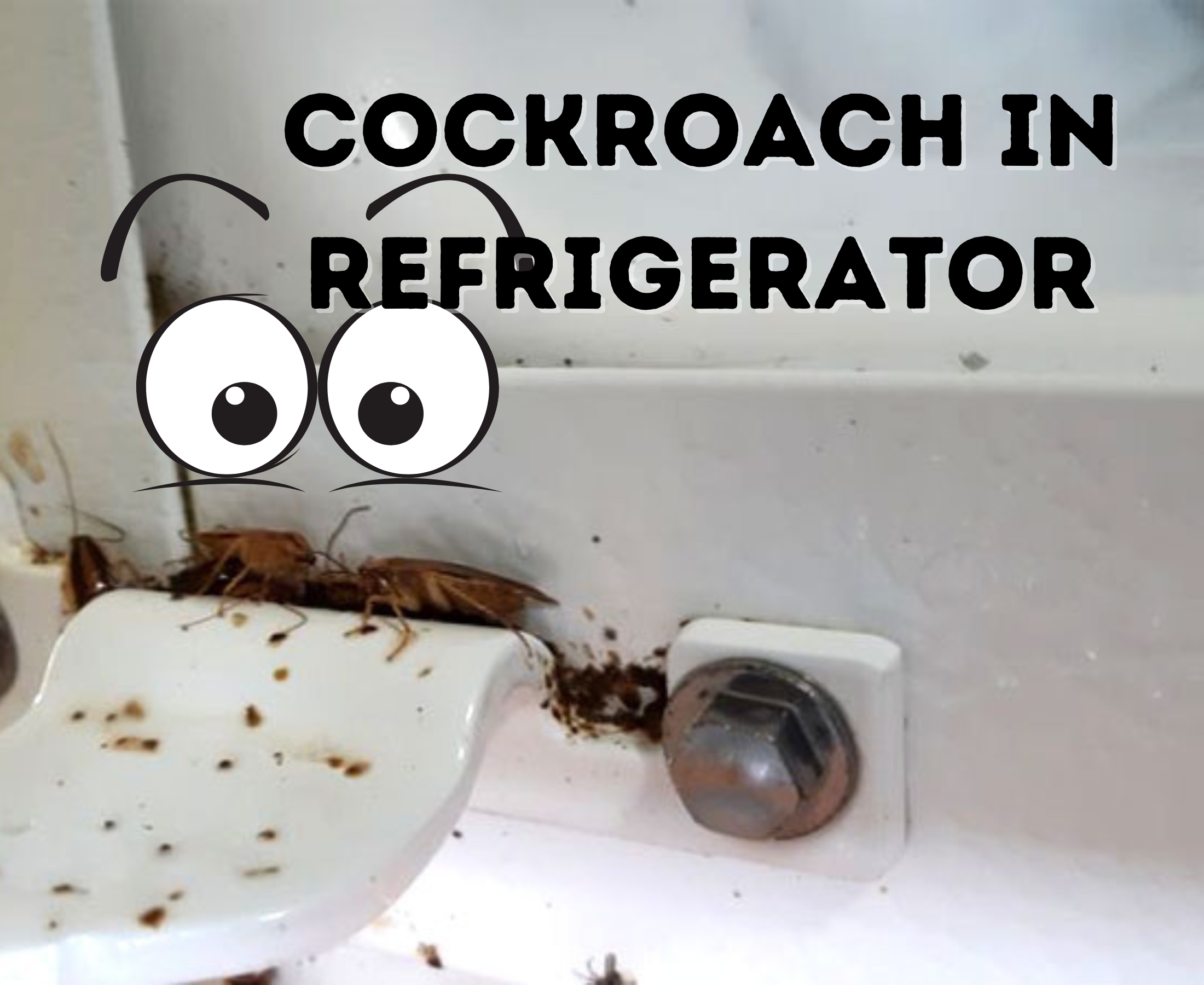
Credit: paidepo.com
Preventing Future Roach Problems
Preventing future roach problems around your refrigerator motor is key to keeping your kitchen clean and safe. Roaches often return if their environment remains inviting. Simple, consistent steps help stop them from coming back.
Monitoring With Glue Traps
Use glue traps near the refrigerator motor to catch roaches early. Place traps in dark, hidden spots where roaches like to hide. Check traps regularly to see if roaches are present. Replace traps when full or after a few weeks. This method helps track roach activity before it grows into a big problem.
Controlling Surrounding Areas
Keep the area around the refrigerator clean and dry. Wipe spills and crumbs immediately. Remove clutter that roaches can hide in. Seal cracks and gaps near the fridge and walls. Avoid leaving food or dirty dishes out. Regular cleaning reduces roach food sources and shelters, making your kitchen less attractive to pests.

Credit: www.reddit.com
Frequently Asked Questions
How To Draw Roaches Out Of Electronics?
Use compressed air or a dry brush to remove roaches from electronics. Place gel bait nearby to kill hidden roaches. Apply boric acid around appliances and seal cracks to block entry. Keep areas clean and dry to prevent infestations.
Can You Get Roaches Out Of A Refrigerator?
Remove roaches from a refrigerator by cleaning thoroughly and using compressed air to dislodge them. Place gel bait nearby to kill hidden roaches. Spread boric acid around the base, seal cracks, and keep the area dry and food-free to prevent reinfestation.
How To Get Cockroaches Out Of Electrical Appliances?
Use compressed air or a dry brush to remove roaches from appliances. Place gel bait nearby to kill hidden roaches. Spread boric acid around appliances, avoiding direct contact. Seal cracks to block entry points. Keep the area clean and dry to prevent reinfestation.
How To Get Rid Of Roaches In Refrigerator Motor Reddit?
Use compressed air or a dry brush to remove roaches from the refrigerator motor. Place gel bait nearby to kill remaining roaches. Apply boric acid around the appliance base, seal cracks, and keep the area clean to prevent re-infestation.
How Do Roaches Get Into Refrigerator Motors?
Roaches enter through small gaps and warm areas near the motor and compressor.
Conclusion
Getting rid of roaches from your refrigerator motor takes patience and care. Start by cleaning the area thoroughly using compressed air and a dry brush. Place gel bait nearby to attract and kill hidden roaches. Keep the surrounding space free of food crumbs and moisture to avoid attracting pests.
Seal any cracks around your fridge to block their entry. Regular cleaning and maintenance help prevent future infestations. Stay consistent with these steps for a roach-free refrigerator motor and a cleaner kitchen environment.