
Is your dishwasher leaving behind a stubborn white residue or cloudy film on your dishes? It’s frustrating to unload what should be sparkling clean plates, only to find them covered in streaks or spots.
You’re not alone—this common issue can make you question whether your dishwasher is really doing its job. But don’t worry, you can fix it. You’ll discover simple and effective ways to get rid of that white buildup once and for all.
From easy home remedies to smart prevention tips, you’ll learn exactly how to restore your dishwasher—and your dishes—to their shining best. Keep reading to say goodbye to that annoying film for good!

Credit: diy.stackexchange.com
Causes Of White Residue
White residue or film on your dishwasher often frustrates many users. Understanding its causes helps solve the problem effectively. This buildup usually results from minerals, detergent problems, or poor dishwasher care. Identifying the root cause is the first step toward clean dishes and a spotless appliance.
Hard Water Effects
Hard water contains high levels of minerals like calcium and magnesium. These minerals do not dissolve easily and leave a white, chalky film on dishes and inside the dishwasher. Over time, hard water minerals build up and clog dishwasher parts. This residue reduces cleaning power and causes spots on glassware. Using a water softener can lower mineral content and prevent buildup.
Detergent Issues
Using too much detergent creates excess suds that do not rinse away well. This causes a cloudy film on dishes and inside the dishwasher. Low-quality detergents may also fail to break down minerals properly. Detergent residue mixes with minerals and leaves a white layer on dishes. Choosing the right detergent amount and type is key to avoiding this problem.
Dishwasher Maintenance
Neglecting regular dishwasher cleaning allows residue to accumulate. Food particles and grease can mix with minerals and detergent leftovers. This buildup forms a sticky film inside the machine. Cleaning filters, spray arms, and seals often helps reduce residue. Running a vinegar or commercial cleaner cycle removes mineral deposits and keeps the dishwasher fresh.
Quick Cleaning Methods
Removing white residue or film from your dishwasher can be quick and simple. Several easy methods help dissolve mineral deposits and restore cleanliness fast. These quick cleaning methods use common household items or specialized products. They keep your dishwasher fresh and your dishes spotless without much effort.
Vinegar Cycle
Place one to two cups of white vinegar in a dishwasher-safe container. Set it on the top rack of your empty dishwasher. Run a hot or regular cleaning cycle. The vinegar breaks down mineral buildup and white film inside the dishwasher. This method is natural, affordable, and effective for mild residue.
Commercial Cleaners
Use a commercial dishwasher cleaner for tough residue. Products like Finish or Affresh target mineral deposits and grime. Follow the instructions on the package carefully. Usually, you run a cleaning cycle with the cleaner in the detergent slot. These cleaners help maintain your dishwasher and improve cleaning power.
Citric Acid Treatment
Citric acid offers another fast way to clear residue. Add citric acid powder to the detergent dispenser. Run an empty cycle without detergent. The acid dissolves minerals and prevents buildup. This method is gentle but powerful and safe for your dishwasher parts.
Dealing With Stubborn Film
Stubborn white film inside the dishwasher can be frustrating. It often forms from hard water minerals and detergent residue. Simple cleaning may not remove it fully. Targeted methods work better to clear tough buildup. These steps help restore your dishwasher’s shine and performance.
Using Gel Descalers
Gel descalers dissolve mineral deposits effectively. Apply the gel directly to areas with white film. Let it sit for the time shown on the product label. Usually, this is about 15 to 30 minutes. Run a hot water cycle after application to rinse away loosened deposits. Repeat if needed for heavy buildup. Gel descalers are safe for most dishwasher parts and seals.
Manual Scrubbing Tips
Manual scrubbing removes film that gels cannot reach. Use a soft brush or sponge with mild detergent. Focus on corners, spray arms, and door seals. Avoid abrasive materials that might scratch surfaces. For stubborn spots, make a paste from baking soda and water. Apply the paste, scrub gently, then rinse thoroughly. Regular manual cleaning prevents thick film buildup over time.
Preventing Future Buildup
Preventing future buildup of white residue or film in your dishwasher keeps dishes sparkling clean. Simple habits help stop minerals and detergent from creating that cloudy layer. Regular care protects your dishwasher and improves washing results. Here are key steps to prevent buildup and maintain a spotless dishwasher.
Rinse Aid Benefits
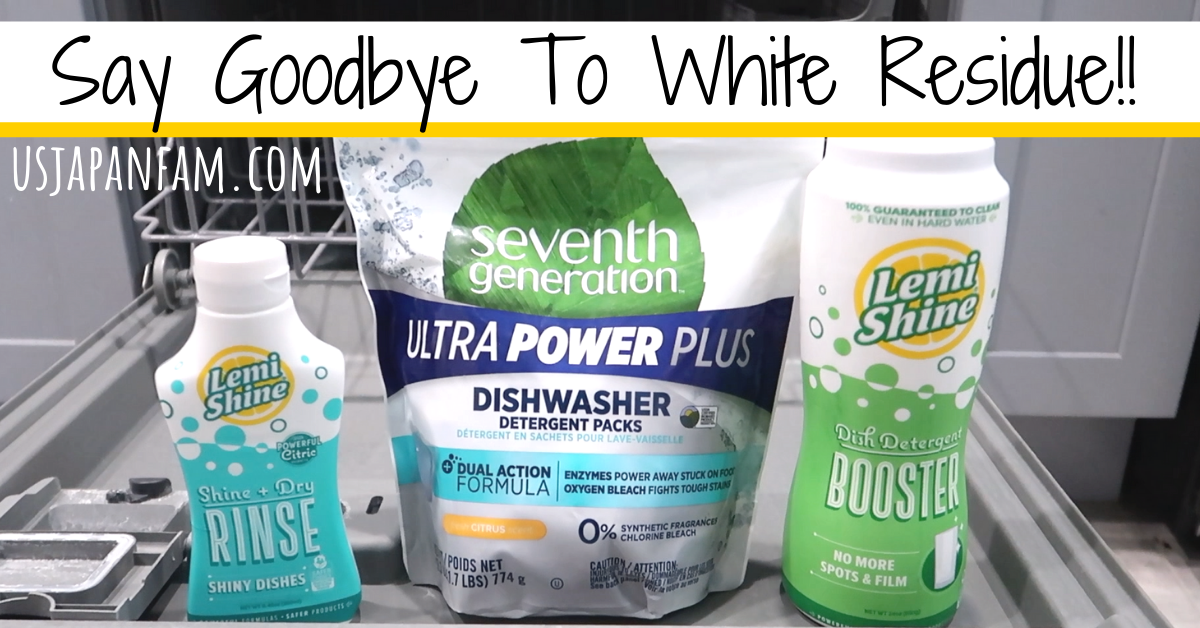
Rinse aid helps water slide off dishes quickly. This reduces water spots and white film formation. It also improves drying, leaving dishes clear and shiny. Using rinse aid regularly keeps the dishwasher clean inside. Most dishwashers have a rinse aid dispenser that you can refill easily.
Adjusting Detergent Use
Too much detergent causes residue buildup on dishes and inside the machine. Use the recommended amount for your water hardness and load size. Less detergent can reduce white film and prevent clogs. Choose high-quality detergent designed for your water type for best results.
Water Softening Options
Hard water causes mineral deposits that form white residue. Installing a water softener reduces these minerals in your water supply. Some dishwashers have built-in water softening systems you can activate. Soft water helps detergent work better and prevents film buildup on dishes.
Regular Cleaning Routine
Run a cleaning cycle with white vinegar or a dishwasher cleaner once a month. This dissolves mineral deposits and detergent residue. Wipe down the door seals and spray arms to remove grime. Regular cleaning keeps your dishwasher fresh and prevents buildup over time.
Filter Maintenance
Dishwasher filters catch food particles and debris. Clean the filter every few weeks to avoid clogs and buildup. Remove the filter, rinse it under warm water, and scrub gently if needed. A clean filter improves water flow and stops residue from sticking inside the dishwasher.
Optimizing Dishwasher Settings
Optimizing your dishwasher settings plays a key role in removing white residue or film. Incorrect cycles or temperatures can leave dishes cloudy or spotted. Adjusting these settings helps water flow better and dissolves detergent more fully. This reduces mineral buildup and improves cleaning results.
Choosing The Right Cycle
Select a cycle that matches your load type and soil level. Heavy or pots and pans cycles use more water and stronger cleaning. These cycles are better for removing tough residue. Normal cycles may not clean well enough to prevent white film. Quick or eco cycles save water but might leave spots.
Temperature Considerations
Water temperature affects how well detergent dissolves and cleans. Aim for at least 120°F (49°C) for effective cleaning. Lower temperatures may leave detergent residue on dishes. High temperatures help break down minerals and grease. Check your dishwasher manual to adjust the temperature setting if possible.

Credit: diy.stackexchange.com
Credit: www.usjapanfam.com
Frequently Asked Questions
How To Get White Film Off Dishwasher?
Run an empty dishwasher cycle with a cup of white vinegar on the top rack to dissolve white film. Use a commercial cleaner or citric acid cycle for stubborn residue. Prevent buildup by using rinse aid, adjusting detergent for hard water, and cleaning filters regularly.
How Do You Get Rid Of Chalky White Residue?
Run an empty dishwasher cycle with white vinegar on the top rack to dissolve mineral buildup. Use a commercial cleaner or citric acid for stubborn residue. Prevent buildup by using rinse aid, adjusting detergent for hard water, and cleaning filters regularly.
What Causes White Film On Plastic In The Dishwasher?
White film on plastic in the dishwasher results from hard water minerals and detergent residue. It forms due to mineral buildup and improper rinsing. Using too much detergent or low rinse aid also causes this film. Regular cleaning and proper detergent use prevent it effectively.
Why Does My Dishwasher Leave White Residue After?
Your dishwasher leaves white residue due to mineral buildup from hard water or excess detergent. Use vinegar cycles, rinse aids, and proper detergent amounts to prevent it. Regular cleaning and water softening help maintain spotless dishes and dishwasher performance.
What Causes White Residue Or Film In Dishwashers?
White residue is usually mineral buildup from hard water or leftover detergent.
Conclusion
Getting rid of white residue in your dishwasher is simple. Use vinegar or a dishwasher cleaner to dissolve buildup. Running a hot cycle helps remove stubborn film. Adding rinse aid prevents future spots and keeps dishes clear. Adjust detergent amounts if you have hard water.
Regular cleaning keeps your dishwasher working well. A clean dishwasher means sparkling dishes every time. Try these steps for a fresh, residue-free dishwasher today.