
Your washing machine works hard to keep your clothes fresh and clean. But have you ever stopped to think about how clean your washing machine itself is?
Over time, dirt, detergent residue, and even mold can build up inside, making your laundry less effective and causing unpleasant odors. If you want your washer to perform at its best and last longer, learning how to effectively clean your washing machine is essential.
You’ll discover simple, practical steps you can follow to refresh your machine quickly and easily. Keep reading to find out how to keep your washer spotless and your clothes truly clean every time.

Credit: www.sullivangroupmn.com
Choosing Cleaning Supplies
Choosing the right cleaning supplies is key to keeping your washing machine fresh and working well. The supplies you pick affect how well dirt, mold, and bad smells disappear. Some cleaners work gently and naturally, while others use stronger chemicals for tough build-up. Selecting tools also helps you reach all parts of your machine for a deep clean. This section explains the best cleaning options and tools for your washing machine.
Natural Cleaners
Natural cleaners are safe and eco-friendly. White vinegar kills bacteria and removes odors. Baking soda helps scrub away grime and freshen the drum. These ingredients are cheap and easy to find. Mix vinegar and baking soda for a powerful cleaning combo. Avoid harsh chemicals that can damage your machine or harm the environment. Natural cleaners work well for regular maintenance.
Commercial Washing Machine Cleaners
Commercial cleaners are made specifically for washing machines. They remove soap scum, mold, and mineral deposits fast. Many come as tablets or powders for easy use. Follow package instructions carefully to get best results. These cleaners are good for deep cleaning sessions. Use them if your machine has strong odors or build-up. Always pick a cleaner that suits your machine type: front load or top load.
Tools Needed
Having the right tools makes cleaning easier. Use a soft cloth or sponge to wipe surfaces. A toothbrush helps reach small crevices and rubber seals. A spray bottle is handy for applying vinegar or cleaning solutions. Gloves protect your hands from chemicals or grime. Keep a small bucket ready for rinsing or soaking parts. These simple tools help you clean thoroughly and safely.
Cleaning Top Load Machines
Cleaning a top load washing machine keeps it working well and smelling fresh. Dirt, soap scum, and lint can build up inside the drum and agitator. These deposits can cause bad odors and reduce cleaning power. Regular cleaning removes debris and keeps your clothes cleaner. Follow simple steps to maintain your top load washer’s performance.
Removing Debris And Residue
Start by unplugging the machine for safety. Use a soft cloth or sponge to wipe inside the drum. Remove any lint, hair, or small items stuck in the drum or around the lid. Check the detergent dispenser and clean out any leftover soap or fabric softener. This prevents clogs and buildup.
Running A Cleaning Cycle
Fill the washer with hot water on the largest load setting. Add two cups of white vinegar or a washing machine cleaner to the water. Let the machine run a full cycle to dissolve soap scum and kill bacteria. For extra cleaning, run a second cycle with half a cup of baking soda. This helps remove odors and refreshes the drum.
Cleaning The Agitator And Drum
Use a toothbrush or small brush to scrub the agitator gently. Focus on crevices where dirt gathers. Wipe the agitator with a cloth soaked in vinegar or a mild cleaner. Clean the drum walls with a soft cloth to remove any remaining residue. Leave the lid open after cleaning to allow air circulation and prevent mold growth.
Cleaning Front Load Machines
Front load washing machines need regular cleaning to work well and last longer. Dirt, soap scum, and mold can build up inside. This buildup can cause bad smells and reduce cleaning power. Cleaning your machine keeps clothes fresh and machines efficient.
Cleaning The Door Seal
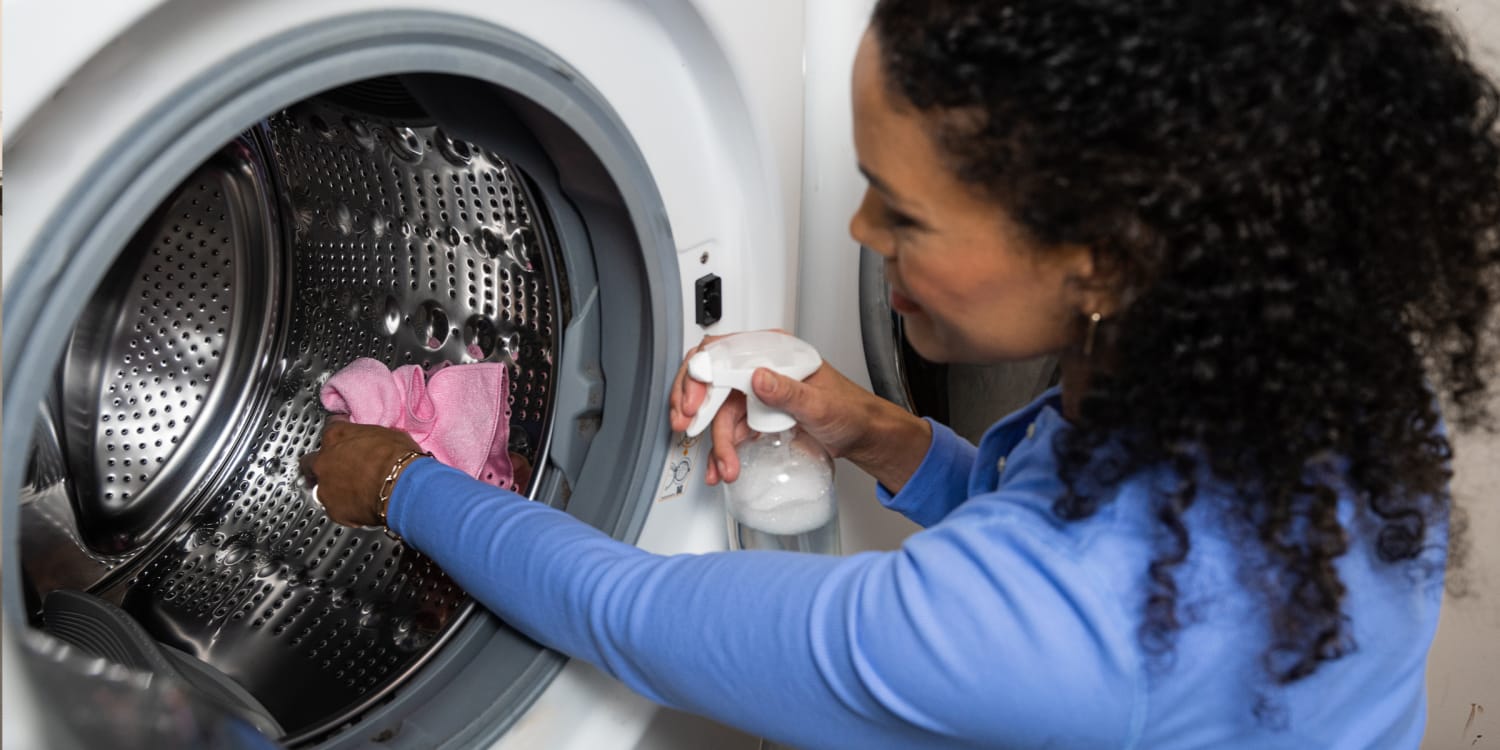
The door seal traps water and dirt, making it a common spot for mold. Use a cloth dipped in equal parts water and white vinegar. Wipe the seal carefully, reaching all folds and crevices. For tough mold, a soft brush like a toothbrush helps remove grime. Leave the door open after cleaning to dry the seal and stop mold growth.
Deep Cleaning The Drum
Run an empty wash cycle with hot water to clean the drum. Add two cups of white vinegar or bleach in the detergent drawer. The hot water and cleaner remove soap residue and bacteria. Repeat this monthly to keep the drum fresh. Wipe the drum inside with a clean cloth after the cycle ends.
Using Washer Cleaner Tablets
Washer cleaner tablets are easy to use and very effective. Place a tablet in the drum and run a hot wash cycle. The tablet dissolves dirt, grease, and odors. Use these tablets once a month or after heavy use. They help keep your machine smelling clean and running smoothly.
Tackling Mold And Mildew
Mold and mildew thrive in washing machines due to moisture and warmth. These fungi cause bad smells and stains. Removing them keeps your washer clean and safe for clothes. Regular cleaning stops mold from spreading and damaging your machine.
Removing Mold From Rubber Seals
Rubber seals often hide mold in front-load washers. Wipe the seals with a cloth dipped in equal parts white vinegar and water. Use a soft toothbrush to scrub inside the folds gently. For tough mold, apply a bleach-based cleaner carefully and scrub lightly. Always dry the seals well after cleaning to prevent mold return.
Using Vinegar And Baking Soda
Vinegar and baking soda work well to kill mold and mildew. Pour two cups of white vinegar into the detergent tray. Run a hot water cycle without clothes to clean the drum. After this, sprinkle half a cup of baking soda inside the drum. Run another hot cycle to freshen and remove odors. This method is safe and natural for regular cleaning.
Applying Bleach Safely
Bleach is strong and effective against mold but must be used with care. Add a small amount of bleach to the bleach dispenser. Run a hot water cycle to disinfect the washer. Never mix bleach with vinegar or other cleaners, as this can create harmful fumes. Keep the area well-ventilated during and after cleaning for safety.
Cleaning The Filter
Cleaning the washing machine filter is a key step to keep your washer working well. The filter catches lint, hair, and small objects during washing. Over time, it can get clogged. This slows down the machine and may cause bad smells. Regular cleaning of the filter helps avoid these problems. It also improves washing results and saves energy.
Locating The Filter
The filter is usually at the front or bottom of the washing machine. Check near the base or behind a small door. Sometimes it is inside the drum, at the bottom or side. Look for a round cap or mesh cover. Consult your washing machine manual if unsure. Knowing the exact spot makes cleaning easier and safer.
Removing And Cleaning The Filter
Turn off the machine and unplug it for safety. Open the filter cover carefully. Place a towel or shallow tray below to catch water. Twist the filter counterclockwise to remove it. Rinse the filter under running water. Use a soft brush to clear away lint and debris. Check inside the filter housing for dirt. Clean the area before replacing the filter. Screw the filter back tightly to avoid leaks.
Maintaining Filter Health
Clean the filter every one to three months. More often if you wash many clothes or have pets. Avoid overloading your washer to reduce lint buildup. Use the right detergent amount to prevent residue. Check the filter after each wash for blockages. Keeping the filter clean extends your washing machine’s life. It also ensures better cleaning and fewer repairs.
Maintaining Freshness
Keeping your washing machine fresh is key to clean clothes and a healthy home. Dirt, detergent, and moisture build-up can cause odors and mold. Simple steps help maintain a fresh machine every day. These small habits stop smells before they start and keep your washer working well longer.
Wiping Down The Door And Exterior
After each wash, wipe the door and outer surface. Use a soft cloth dampened with warm water. This removes detergent spills and dirt. Pay special attention to the rubber seal around the door. It can trap moisture and soap scum that cause smells. Clean it gently to avoid damage.
Leaving The Door Open To Dry
Open the washing machine door after each use. Air flow helps dry the drum and seal quickly. This stops mold and mildew from growing. Keep the door open until the inside feels dry. This small habit reduces musty odors and keeps the machine fresh.
Regular Cleaning Schedule
Set a cleaning routine for your washing machine. Clean it deeply at least once a month. Use washing machine cleaner or a mix of vinegar and baking soda. Run a hot water cycle to kill bacteria and remove build-up. Regular cleaning keeps your washer smelling fresh and working well.
Preventing Future Build-up
Preventing future build-up in your washing machine keeps it running smoothly. It also helps avoid bad odors and mold growth. Simple steps can reduce residue and dirt inside the machine.
Following good habits stops grime from building up again. Your clothes stay cleaner and the machine lasts longer. Here are key tips to prevent build-up effectively.
Using The Right Detergent
Choose detergents made for your washing machine type. High-efficiency (HE) detergents work best for HE machines. They create fewer suds and clean better.
Too much detergent causes soap residue and build-up. Measure detergent carefully according to load size. Use less if water is soft or clothes are lightly soiled.
Avoiding Overloading
Do not overload your washing machine. Overloading stops clothes from moving freely. This leads to trapped dirt and soap scum inside the drum.
Leave space for clothes to tumble well. This helps rinse away dirt and detergent fully. Follow your machine’s load capacity for best results.
Routine Maintenance Tips
Run a cleaning cycle once a month using washing machine cleaner or vinegar. Wipe down the door seal and detergent drawer regularly to remove grime.
Leave the door open after washing to air out the drum. This prevents moisture build-up and mold growth. Check and clean the filter as per the user manual.

Credit: www.youtube.com
Credit: www.today.com
Frequently Asked Questions
How Do I Deep Clean My Washing Machine?
Pour two cups of white vinegar into the detergent tray. Run a hot water cycle without clothes. Wipe the drum and seals with a vinegar-soaked cloth. Clean the filter and leave the door open to air dry. Repeat monthly for best results.
What Is The Best Thing To Run Through A Washing Machine To Clean It?
Run a hot wash cycle with two cups of white vinegar or a washing machine cleaner tablet. This removes buildup and odors effectively.
How Do You Remove Black Mold From A Washing Machine Rubber Seal?
Wipe the rubber seal with equal parts white vinegar and water. Scrub gently using a soft toothbrush. For stubborn mold, apply a bleach-based cleaner or hydrogen peroxide with baking soda paste. Rinse thoroughly and leave the door open to air dry, preventing mold regrowth.
How To Correctly Clean A Washing Machine?
Pour two cups of white vinegar into the detergent tray. Run a hot, empty wash cycle. Wipe the rubber seal with vinegar and water. Scrub mold with a soft brush. Leave the door open to air dry and prevent odors.
How Often Should I Clean My Washing Machine?
Clean your washing machine every 1 to 3 months to prevent mold and bad odors.
Conclusion
Regular cleaning keeps your washing machine fresh and working well. Use simple supplies like vinegar and baking soda for best results. Clean seals, filters, and drums to avoid bad smells and mold. Run hot water cycles to remove dirt and detergent buildup.
Keep the door open after use to let the machine dry. Follow these easy steps to save money and extend your machine’s life. A clean washing machine means cleaner clothes every time. Simple habits make a big difference in your laundry routine.