
Is your Whirlpool washer starting to smell musty or leaving clothes less fresh than before? You’re not alone.
Over time, washers can build up residue, mold, and odors that affect both performance and your laundry’s cleanliness. But don’t worry—cleaning your Whirlpool washer is easier than you think, and doing it regularly will keep your machine running smoothly and your clothes smelling great.
In this guide, you’ll discover simple, step-by-step methods to deep clean your Whirlpool washer, remove stubborn smells, and prevent future buildup. Ready to restore your washer to its best condition? Let’s dive in and get your laundry routine back on track!

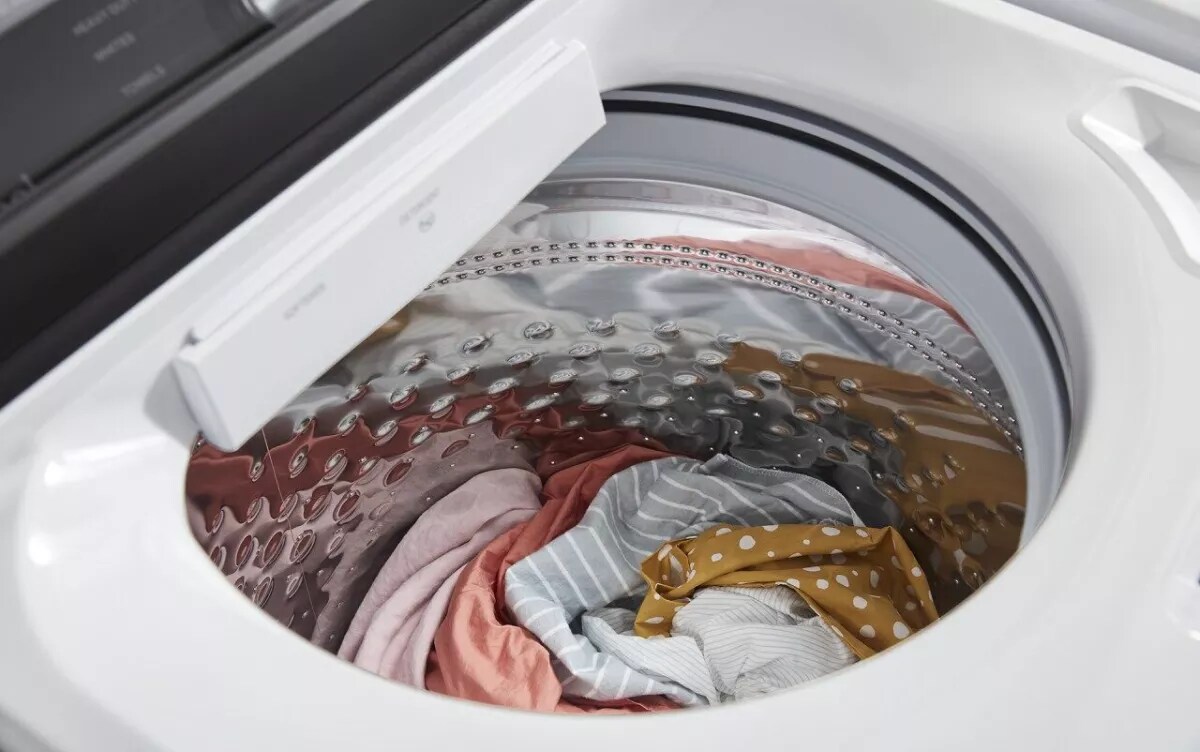
Credit: www.callahansappliance.com
Cleaning Cycles
Cleaning cycles are essential for keeping your Whirlpool washer fresh and efficient. Regular use of these cycles helps remove dirt, detergent residue, and odor-causing buildup. Using the right cleaning method improves washer performance and extends its lifespan.
Different cleaning options work for various needs. Some cycles use built-in features, while others require added cleaning agents. Understanding these choices helps you maintain your washer with ease.
Using The Clean Washer Cycle
Many Whirlpool washers include a Clean Washer cycle. This cycle uses hot water and extra rinses to clean the drum and internal parts. Run this cycle monthly to prevent mold and detergent buildup. Make sure the washer is empty before starting. Avoid adding detergent or clothes during this cycle.
Vinegar For Deep Cleaning
White vinegar is a natural cleaner for deep washing. Pour one cup of vinegar into the detergent dispenser or drum. Run the hottest and longest cycle available. Vinegar breaks down residue and kills bacteria. It also helps remove bad odors from your washer.
Cleaning Tablets Usage
Cleaning tablets are designed to clean your washer efficiently. Place one tablet directly in the empty drum. Do not put tablets in the detergent dispenser. Start the Clean Washer cycle or a hot, long wash. Tablets dissolve grime and freshen your machine.
Cycle Settings Tips
Choose the hottest and longest cycle for cleaning. This helps remove dirt and buildup from all parts. Avoid interrupting the cycle once it starts. Do not open the door or add detergent. After the cycle, wipe the door seal and detergent drawer. This prevents mold and keeps your washer smelling clean.
Gasket And Seal Care
The gasket and seal of your Whirlpool washer are critical areas to keep clean. Dirt, mold, and mildew can build up in these spots. This buildup causes bad smells and can damage the washer over time. Regular care helps maintain the washer’s performance and hygiene.
Cleaning the gasket and seal prevents leaks and extends the machine’s life. It also keeps your clothes fresh and clean. Focus on wiping, removing mold, and using the right tools for the job.
Wiping The Rubber Gasket
Start by wiping the rubber gasket with a soft cloth. Use a mixture of equal parts white vinegar and water. This solution cleans dirt and removes mild odors. Open the washer door wide and pull back the gasket to reach hidden spots. Wipe all around the rubber seal gently but thoroughly. Dry the gasket with a clean towel to prevent moisture buildup.
Removing Mold And Mildew
Mold and mildew grow in damp, dark areas like the gasket folds. Use a soft toothbrush dipped in vinegar to scrub these areas. Focus on any black or gray spots carefully. For tough mold, apply a paste of baking soda and water. Let it sit for 10 minutes, then scrub and wipe clean. Rinse the area with a damp cloth and dry it well.
Tools For Gasket Cleaning
Keep a few tools handy to clean the gasket effectively. A microfiber cloth works well for wiping and drying. Use a soft toothbrush or small scrub brush to reach crevices. Keep white vinegar and baking soda on hand for natural cleaning. Avoid harsh chemicals that may damage the rubber. These simple tools keep your washer’s gasket clean and healthy.
Detergent Dispenser Maintenance
Maintaining the detergent dispenser in your Whirlpool washer is vital for smooth operation. Over time, detergent residue and fabric softener buildup can clog the dispenser. This blockage can affect how well your washer cleans clothes. Regular cleaning helps avoid odors, mold, and poor detergent flow.
Cleaning the dispenser drawer is simple and takes just a few steps. Removing the drawer allows you to reach all corners. Soaking and scrubbing remove stubborn residue. Rinsing and drying prepare the drawer for reuse without moisture buildup.
Removing The Dispenser Drawer
Open the washer door or lid to access the dispenser. Gently pull the dispenser drawer outward. Some models have a release tab; press or lift it to remove the drawer fully. Handle the drawer carefully to avoid damage. Place the drawer on a flat surface for cleaning.
Soaking And Scrubbing
Fill a basin with warm water and mild dish soap. Submerge the dispenser drawer in the soapy water. Let it soak for 10 to 15 minutes to loosen residue. Use a soft brush or old toothbrush to scrub all compartments. Pay attention to small crevices and corners. Remove all detergent and softener buildup carefully.
Rinsing And Drying
Rinse the drawer thoroughly under running water. Ensure no soap or residue remains. Shake off excess water and dry the drawer with a clean cloth. Let it air dry completely to prevent mold growth. Once dry, slide the drawer back into the washer until it clicks into place.
Credit: www.whirlpool.com
Drain Pump Filter Cleaning
The drain pump filter in a Whirlpool washer traps lint, coins, and debris. Cleaning it regularly keeps your washer running smoothly. It prevents clogs and water drainage problems. Follow these simple steps to clean the drain pump filter safely and effectively.
Locating The Trap Door
Find the trap door at the front bottom of your washer. It is usually a small rectangular panel. Open it gently using your fingers or a flat tool. Keep a towel nearby to catch any water spills.
Draining Water Safely
Place a shallow pan under the drain hose inside the trap door. Slowly remove the drain plug to release water. Let the water flow into the pan carefully. Be ready to catch extra water with a towel.
Cleaning The Filter
Unscrew the filter by turning it counterclockwise. Rinse the filter under running water to remove dirt and debris. Use a soft brush to clean stubborn sludge. Check the filter for damage and replace it if needed.
Reassembling The Parts
Put the clean filter back in place. Turn it clockwise until it is tight. Reinsert the drain plug securely. Close the trap door firmly to prevent leaks. Your drain pump filter is now clean and ready to use.
Post-cleaning Care
After cleaning your Whirlpool washer, proper post-cleaning care keeps it fresh and working well. This care prevents mold, mildew, and bad smells from returning. Small habits make a big difference in maintaining your washer’s cleanliness and performance.
Leaving The Door Open
Always leave the washer door open after each wash. This lets air circulate inside the drum. Air circulation helps dry out moisture that causes mold growth. Keep the door open for a few hours or until the drum feels dry. Avoid closing the door immediately after use.
Preventing Mildew And Odors
Wipe the rubber gasket and door seal regularly with a dry cloth. Moisture often collects in these areas and causes mildew. Clean the detergent dispenser drawer once a month to remove residue. Use a mixture of white vinegar and water to wipe down seals and drum. Run a cleaning cycle with vinegar monthly to kill bacteria and odors. These steps keep your washer smelling fresh and mildew-free.

Credit: www.wikihow.com
Tips For Front-load Washers
Front-load washers need special care to stay clean and work well. Dirt, soap, and moisture can build up inside. This causes bad smells and can harm the washer. Following simple tips helps keep your Whirlpool front-load washer fresh and efficient. Regular cleaning stops problems before they start. Small steps make a big difference in washer life.
Special Considerations
Front-load washers hold water in a rubber seal around the door. This seal can trap dirt and moisture. Clean it often with a cloth dipped in white vinegar and water. Use a toothbrush to remove mold or mildew gently.
Remove the detergent drawer regularly. Soak it in warm water and scrub away residue. Rinse well and dry before putting it back. This stops buildup that can clog the dispenser.
Run a cleaning cycle once a month. Use a cleaning tablet or add one cup of white vinegar to the drum. Choose the hottest, longest cycle for best results. Never add detergent during this cleaning run.
Avoiding Common Issues
Keep the washer door open after each wash. This lets air dry the inside and reduces mold growth. Wipe the door seal dry if you see water or soap. Moisture left inside causes bad smells and damage.
Check and clean the drain pump filter every few months. Open the small trap door at the bottom front. Drain any water with a shallow pan ready. Remove and rinse the filter under running water. Clear away debris and screw it back tightly.
Avoid overusing detergent. Too much soap creates residue and clogs parts. Use the amount recommended on detergent packaging. This keeps your washer clean and working smoothly.
Tips For Top-load Washers
Keeping your Whirlpool top-load washer clean improves its performance and extends its life. Regular cleaning stops odors and buildup inside the drum and other parts. Follow simple steps to maintain a fresh and efficient washing machine.
Effective Cleaning Methods
Use a washing machine cleaner tablet once a month. Place the tablet directly in the empty drum. Run the hottest and longest cycle without adding detergent or clothes.
Vinegar is a natural cleaner for washers. Pour one cup of white vinegar into the drum or detergent dispenser. Run the hottest cycle to remove soap scum and odors.
After cleaning cycles, wipe the inside of the drum and the lid with a soft cloth. Clean the detergent dispenser by removing it and soaking in warm, soapy water. Scrub gently, rinse, and dry before putting it back.
Cycle Selection Advice
Always choose the “Clean Washer” cycle if your machine has one. This cycle uses extra hot water and extra rinses to deep clean the washer.
If your washer lacks a “Clean Washer” cycle, select the hottest and longest wash cycle available. This helps dissolve detergent residue and dirt.
Do not open the lid or add detergent during the cleaning cycle. Interrupting the cycle can cause damage and reduce cleaning effectiveness.
Frequently Asked Questions
How Do I Self Clean My Whirlpool Washer?
Run the “Clean Washer” cycle with a cleaning tablet or one cup of white vinegar in the drum. Wipe the gasket and dispenser. Clean the drain pump filter. Leave the door open to air dry and prevent odors. Repeat monthly for best results.
Do Whirlpool Washers Have A Filter That Needs To Be Cleaned?
Whirlpool washers have a drain pump filter that requires regular cleaning. Clean it by removing debris and rinsing under water to maintain performance.
How Do You Remove Black Mold From A Washing Machine Rubber Seal?
Remove black mold by wiping the rubber seal with a vinegar-water solution. Scrub gently using a toothbrush. Run a hot cleaning cycle afterward. Keep the door open to dry and prevent mold return. Repeat monthly for maintenance.
What Is The Best Thing To Run Through A Washing Machine To Clean It?
Run the “Clean Washer” cycle using a washing machine cleaner tablet or one cup of white vinegar on the hottest, longest cycle. Wipe the door seal and detergent dispenser after. Leave the door open to air dry and prevent odors.
How Do I Self-clean My Whirlpool Washer Effectively?
Run the “Clean Washer” cycle or use hot water with white vinegar monthly to clean your washer.
Conclusion
Regular cleaning keeps your Whirlpool washer fresh and running well. Use the recommended cleaning cycle or hot water with vinegar monthly. Don’t forget to wipe the gasket and clean the detergent drawer. Clean the drain pump filter to avoid blockages and odors.
Always leave the door open after cleaning to let the machine dry. Simple steps help prevent mold and bad smells. A clean washer means cleaner clothes every time. Keep up with this routine for best results.