
Is your shower looking dull and crusty because of stubborn calcium buildup? You’re not alone.
Hard water leaves behind mineral deposits that can make your shower fixtures and tiles look dirty, even after cleaning. But here’s the good news—you don’t need harsh chemicals or expensive tools to get your shower sparkling again. In this guide, you’ll discover simple, effective ways to break down and remove calcium buildup using everyday household items and easy techniques.
By the end, you’ll have a cleaner, fresher shower that feels like new. Ready to tackle that calcium buildup once and for all? Let’s get started!

Credit: www.reddit.com
Causes Of Calcium Buildup
Calcium buildup in showers forms over time and causes unsightly white stains. It results from minerals in hard water that stick to surfaces. Understanding the causes helps prevent and clean these deposits effectively.
Hard water contains high levels of calcium and magnesium. When water evaporates, these minerals stay behind and form a crust. Frequent water exposure and poor ventilation speed up buildup.
Hard Water
Hard water has dissolved calcium and magnesium minerals. These minerals leave behind deposits when water dries. Showers often show buildup because water splashes and dries on tiles and glass.
Frequent Water Exposure
Showers get wet many times a day. Every water drop adds minerals to surfaces. Over days and weeks, these deposits accumulate and harden into calcium buildup.
Poor Ventilation
Bathrooms with low airflow stay damp longer. Moisture helps minerals stick and build up. Proper ventilation reduces humidity and slows down calcium buildup.
Soap And Shampoo Residue
Soap and shampoo mix with minerals to create scaly deposits. These residues trap calcium on shower walls and doors. Cleaning soap scum regularly helps reduce buildup.
:max_bytes(150000):strip_icc()/how-to-remove-calcium-deposits-from-a-showerhead-1388730-ADD-FINAL-c256921402fd4413b7d1c05102e5737a.jpg)
Credit: www.thespruce.com
Natural Cleaning Solutions
Natural cleaning solutions offer an eco-friendly and safe way to remove calcium buildup in your shower. These options use common household ingredients that break down mineral deposits gently yet effectively. Using natural products helps avoid harsh chemicals that can damage surfaces or irritate skin.
Try these simple methods to restore your shower’s shine without extra expense or effort. Each solution targets calcium buildup differently, giving you flexible options to clean your bathroom naturally.
White Vinegar
White vinegar contains acetic acid that dissolves calcium deposits quickly. Pour vinegar into a spray bottle and apply it to affected areas. Let it sit for 10 to 15 minutes to loosen buildup.
Use a soft brush or sponge to scrub the surface gently. Rinse well with warm water to remove vinegar and loosened minerals. Repeat as needed for stubborn stains. Vinegar is safe on most shower surfaces but avoid prolonged contact with natural stone.
Lemon Juice
Lemon juice has natural citric acid to break down hard water stains and calcium buildup. Cut a lemon in half and rub it directly on the deposits. Squeeze juice onto tough spots for extra cleaning power.
Allow the lemon juice to sit for 10 minutes before scrubbing lightly with a sponge. Rinse thoroughly with water to clear away residue. Lemon also leaves a fresh scent and brightens shower fixtures naturally.
Baking Soda Paste
Baking soda acts as a mild abrasive and deodorizer. Mix baking soda with water to form a thick paste. Apply the paste over the calcium buildup and let it rest for 15 minutes.
Use an old toothbrush or sponge to scrub the area gently. This method helps remove deposits physically without harsh chemicals. Rinse the surface completely to wash away baking soda and loosened minerals.
Commercial Cleaners
Commercial cleaners offer a powerful solution for removing calcium buildup in your shower. These products are designed to dissolve tough mineral deposits quickly. They save time and effort compared to natural methods. Many commercial cleaners contain strong acids that break down calcium, lime, and rust stains effectively.
Using these cleaners can restore your shower’s shine and cleanliness with minimal scrubbing. Choose a product based on the type of buildup and surface material. Always read the label to ensure it suits your shower fixtures and tiles. Proper use of commercial cleaners leads to fast and noticeable results.
Clr And Similar Products
CLR stands for Calcium, Lime, and Rust remover. It is a popular commercial cleaner for calcium buildup. CLR works by dissolving mineral deposits on shower surfaces. It is effective on glass, tile, and metal fixtures.
Other similar products include Lime-A-Way and Lime Out. These brands contain acids like lactic or sulfamic acid. They break down calcium without damaging most surfaces. Apply the cleaner, let it sit for a few minutes, then scrub gently. Rinse thoroughly with water to remove residue.
Safety Tips For Chemical Use
Always wear gloves to protect your skin from harsh chemicals. Use eye protection to avoid splashes. Work in a well-ventilated area to reduce inhaling fumes. Follow the instructions on the product label carefully.
Do not mix different chemical cleaners. This can cause dangerous reactions. Test the cleaner on a small hidden area before full use. Rinse the cleaned area thoroughly to avoid damage. Keep cleaners out of reach of children and pets.
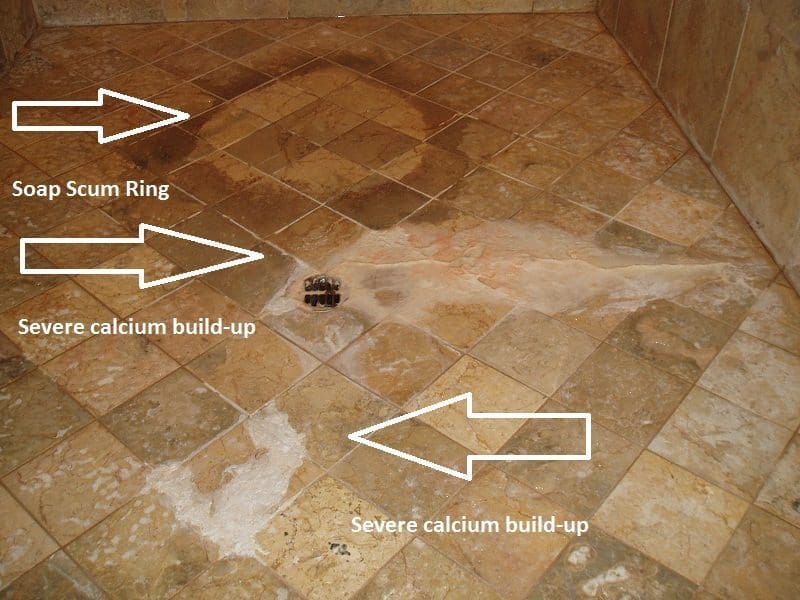
Credit: applebycleaning.com
Physical Removal Methods
Physical removal methods offer a direct way to clean calcium buildup in your shower. These techniques involve scrubbing or rubbing the deposits off surfaces. They work well when calcium buildup is thick or stubborn. Using tools like pumice stones or brushes can restore your shower’s shine without harsh chemicals.
Using A Pumice Stone
A pumice stone is a natural, gentle abrasive tool. It can remove tough calcium deposits from tiles and glass. Always wet the pumice stone and the surface before scrubbing. This reduces the risk of scratching your shower. Rub the pumice stone in a circular motion on the buildup. Rinse the area often to check progress. Avoid using pumice on delicate surfaces like acrylic or fiberglass.
Scrubbing With Brushes
Brushes help reach corners and textured surfaces. Use a stiff-bristled brush for tiles and grout. A toothbrush works well for small or tight spots. Apply a cleaning paste or vinegar to soften the calcium before scrubbing. Scrub firmly but carefully to avoid damage. Rinse thoroughly to remove loosened calcium and cleaning residue. Repeat scrubbing if needed for heavy buildup.
Step-by-step Cleaning Process
Cleaning calcium buildup in your shower involves a clear, easy process. Follow these steps carefully to restore your shower’s shine. The method uses simple tools and safe cleaners. Each step targets buildup effectively. This guide helps you avoid damage to your surfaces. Let’s start with the preparation.
Preparation And Safety
Wear gloves to protect your skin from cleaners. Open windows or use a fan for good ventilation. Remove all personal items from the shower area. Cover faucets and fixtures with plastic wrap if needed. Gather cleaning materials like vinegar, baking soda, scrub brushes, and cloths. Test any cleaner on a small, hidden spot first. This avoids damage and discoloration.
Applying Cleaners
Spray white vinegar or a commercial cleaner on the calcium deposits. Let the solution sit for 10 to 15 minutes. For tough buildup, apply a paste of baking soda and water. Use a lemon wedge to rub on smaller spots for natural acid power. Avoid letting cleaners dry on the surface. Reapply if the buildup is thick or stubborn.
Scrubbing And Rinsing
Use a soft scrub brush or an old toothbrush to scrub the treated areas. Work gently to avoid scratching glass or tiles. For heavy buildup, a pumice stone can help but use it carefully. Rinse the entire shower area with warm water. Wipe surfaces dry with a clean cloth. Repeat cleaning if any residue remains after drying.
Cleaning Different Shower Surfaces
Calcium buildup appears differently on each shower surface. Cleaning methods must match the surface type. This helps avoid damage and improves results. Use gentle techniques for delicate surfaces. Stronger methods suit tough, non-porous materials. Target each area carefully for a clean shower.
Glass Doors
Glass doors show calcium stains clearly. Use white vinegar or lemon juice to dissolve deposits. Spray the solution on glass and let it sit for 10 minutes. Wipe with a soft cloth or sponge. Avoid abrasive scrubbers to prevent scratches. Rinse well with water and dry with a microfiber cloth. Regular cleaning stops buildup from hardening.
Faucets And Showerheads
Faucets and showerheads collect calcium around small holes and curves. Soak a cloth in vinegar and wrap it around the fixture. Leave it for 30 minutes to loosen deposits. Use an old toothbrush to scrub gently. For showerheads, fill a plastic bag with vinegar and secure it around the head. After soaking, flush water through the holes to clear debris. Rinse thoroughly to avoid vinegar smell.
Tiles And Grout
Tiles and grout need careful cleaning to avoid damage. Make a paste with baking soda and water. Apply to grout lines and let dry for 15 minutes. Scrub gently with a soft brush to remove calcium. For tough spots, spray vinegar after baking soda. The fizz helps break down buildup. Rinse with warm water and dry. Seal grout periodically to prevent future buildup and stains.
Preventing Future Buildup
Preventing future calcium buildup in your shower saves time and effort. Small steps can keep your shower clean and clear. Consistent care stops hard water stains from forming again. Use simple habits and tools to maintain your shower’s shine. Below are key ways to reduce buildup and keep your shower fresh.
Regular Maintenance
Wipe down your shower walls and doors after each use. Use a squeegee or a soft cloth to remove water drops. This stops minerals from settling and forming deposits. Clean your shower weekly with a mild cleaner. Vinegar mixed with water works well to dissolve small calcium spots. Avoid letting soap scum and water sit on surfaces for long. Regular attention keeps buildup light and easy to remove.
Water Softening Options
Hard water causes most calcium buildup. Consider installing a water softener for your home. It reduces minerals like calcium and magnesium in the water. Soft water leaves fewer deposits on shower surfaces. Choose from salt-based or salt-free softeners based on your needs. Water softeners protect plumbing and fixtures too. They reduce the chance of tough stains forming over time.
Mistakes To Avoid
Cleaning calcium buildup in your shower requires care. Some common mistakes can make the problem worse or damage your surfaces. Avoiding these errors saves time and effort.
Knowing what not to do helps keep your shower clean and safe. Follow these tips to prevent damage and frustration.
Using Harsh Chemicals Without Testing
Many cleaners can damage tile or glass. Always test a small hidden spot first. This prevents permanent stains or surface damage.
Scrubbing Too Hard
Strong scrubbing can scratch surfaces. Use gentle tools like soft sponges or old toothbrushes. Hard scrubbing often spreads the buildup instead of removing it.
Ignoring Proper Ventilation
Strong cleaners release fumes. Always open windows or use fans. Poor ventilation can cause headaches or breathing problems.
Not Wearing Protective Gear
Cleaning solutions can irritate skin and eyes. Wear gloves and eye protection. Avoid direct contact with harsh chemicals.
Mixing Cleaning Products
Mixing different cleaners can create dangerous gases. Never combine bleach with ammonia or acids. Use one product at a time and rinse well.
Skipping Rinsing After Cleaning
Leftover cleaner can cause buildup or damage. Rinse surfaces thoroughly with water. This removes residue and protects your shower.
Frequently Asked Questions
What Is The Best Cleaner For Calcium Build Up?
The best cleaner for calcium buildup is white vinegar or lemon juice for natural removal. For tougher deposits, use commercial cleaners like CLR or a baking soda paste. Always scrub gently and rinse well to avoid damage.
How Do You Remove Hardened Calcium Deposits?
Remove hardened calcium deposits by applying white vinegar or lemon juice. Let it sit, then scrub with a brush. For tough buildup, use a baking soda paste or pumice stone gently. Rinse thoroughly after cleaning to prevent residue.
How To Dissolve Calcium Buildup In Shower Drain?
Pour white vinegar into the shower drain and let it sit for 1 hour. Scrub with a brush to remove loosened calcium. Rinse with hot water. Repeat if needed. For tough buildup, apply a baking soda paste before scrubbing. Use commercial cleaners like CLR for stubborn deposits safely.
How Do You Remove Tough Limescale From A Shower?
Remove tough limescale by applying white vinegar or lemon juice. Let it sit 15-30 minutes, then scrub with a brush. Use baking soda paste for extra scrubbing power. For stubborn buildup, gently rub with a wet pumice stone. Rinse thoroughly to finish.
What Causes Calcium Buildup In Shower Areas?
Calcium buildup comes from hard water, which has high mineral levels like calcium and magnesium.
Conclusion
Cleaning calcium buildup in your shower does not have to be difficult. Use simple household items like vinegar or lemon to break down deposits. Scrub gently with a toothbrush or sponge for best results. For tougher stains, try baking soda paste or a pumice stone carefully.
Always rinse the area well after cleaning. Regular cleaning prevents buildup and keeps your shower looking fresh. Small efforts now save time and hassle later. Enjoy a cleaner, brighter shower with these easy tips.