
Have you ever wondered how much water your washing machine actually uses every time you do laundry? Knowing this can help you understand your water bills better and find smart ways to save water—and money—in your home.
Washing machines are one of the main water users indoors, but the amount they consume can vary widely depending on the model and cycle you choose. You’ll discover exactly how much water your washing machine uses, how it compares to other household activities, and simple tips to reduce water waste without sacrificing clean clothes.
Keep reading to take control of your water usage starting today!
Water Use By Washer Type
Different washing machines use different amounts of water. The type of washer plays a big role in water consumption. Understanding these differences helps in choosing a water-efficient model. It also helps to reduce your water bills and save the environment.
Front-load Vs Top-load
Front-load washers use less water than top-load washers. They tumble clothes through a small amount of water. Top-load washers fill the tub with water to cover clothes. This leads to higher water use in top-load models. Front-load machines use about 13 to 17 gallons per load. Top-load washers can use 20 to 30 gallons per load.
High-efficiency Models
High-efficiency (HE) washers use the least water. They are available in both front-load and top-load styles. HE machines adjust water levels based on load size. They use about 10 to 15 gallons per load. This saves water and energy. HE washers also clean clothes well with less water.
Older Machines
Older washing machines use much more water. Some use over 40 gallons per load. These models do not adjust water levels. They fill the tub fully every time. Replacing old washers with newer models saves water. New machines also improve cleaning and use less energy.
Average Water Consumption
Understanding the average water consumption of a washing machine helps manage household water use. Washing machines use a notable amount of water each cycle. This amount varies by machine type and load size. Knowing these numbers can guide better water-saving choices.
Gallons Per Load
On average, a traditional washing machine uses about 30 to 45 gallons of water per load. High-efficiency models use less, typically around 15 to 30 gallons per load. The exact amount depends on the machine’s design and cycle selected. Smaller loads generally use less water, but running full loads is more efficient overall.
Comparison With Other Appliances
Washing machines use more water per use than many other household appliances. For example, dishwashers use about 6 gallons per cycle, much less than washing machines. Toilets use about 1.6 gallons per flush for newer models. Showers can use 2 to 2.5 gallons per minute. Washing clothes remains one of the bigger water consumers indoors.
Water Use Over Time
Water use from washing machines adds up quickly over weeks and months. Doing laundry several times a week can use hundreds of gallons. Choosing high-efficiency washers can cut this total significantly. Regular maintenance and full loads also reduce waste. Tracking water use helps spot chances to save water and money.
Factors Influencing Water Use
Water use in washing machines varies widely. Several factors affect the amount of water used during each wash cycle. Understanding these factors helps in managing water consumption better. It also helps in choosing the right settings for efficiency and cleaning performance.
Load Size
The size of the laundry load directly affects water use. Larger loads need more water to clean clothes thoroughly. Many modern machines adjust water levels automatically based on load size. Using a full load instead of several small ones saves water overall.
Cycle Selection
Different wash cycles use different amounts of water. Heavy-duty cycles use more water to handle tough stains. Quick or delicate cycles use less water but suit lighter or smaller loads. Choosing the right cycle for your laundry can reduce unnecessary water use.
Soil Level Settings
Most washers allow you to select the soil level of your clothes. Heavily soiled clothes require more water to clean well. Lightly soiled clothes need less water. Adjusting soil level settings helps avoid wasting water on lightly dirty laundry.

Credit: www.reddit.com
Water Efficiency Tips
Saving water during laundry helps reduce bills and protects the environment. Small changes in washing habits make a big difference. Using less water keeps your home efficient and eco-friendly.
Choosing The Right Washer
Select a washing machine with high water efficiency ratings. Front-loading washers often use less water than top-load models. Look for Energy Star or WaterSense labels to find efficient machines. Newer washers adjust water levels based on load size, saving water with every cycle.
Optimal Load Practices
Always wash full loads to use water efficiently. Running small loads wastes water and energy. Avoid overloading the machine, which reduces cleaning performance and wastes water. Balance load size and detergent amount for the best results.
Maintenance For Efficiency
Regularly clean the washer’s filters and drum to maintain efficiency. Check hoses for leaks and replace damaged parts quickly. Proper maintenance prevents water waste and prolongs the machine’s life. Keep the washing machine in good condition to save water every wash.
Environmental Impact
Washing machines use a significant amount of water in daily life. This water use has a strong impact on the environment. Understanding this impact helps us make better choices. Saving water in laundry routines can protect natural resources and reduce pollution.
Water Conservation Benefits
Using less water in washing machines helps conserve fresh water. Fresh water is limited and vital for all living things. Efficient machines use technology to lower water use per load. This conserves water and reduces stress on local water supplies. Conserving water also protects rivers and lakes from drying out.
Reducing Household Water Footprint
Washing machines are one of the largest water users in homes. Reducing their water use lowers the total household water footprint. Small changes, like choosing efficient machines or washing full loads, cut water waste. Lower water use means less energy and chemicals are needed. This change benefits the environment and saves money on bills.
Energy And Water Savings
Water use and energy use in washing machines are linked. Heating water for laundry uses a lot of energy. Using less water means less energy to heat it. Efficient machines combine water and energy savings to reduce environmental harm. Saving energy also lowers greenhouse gas emissions. This helps fight climate change and keeps air cleaner.
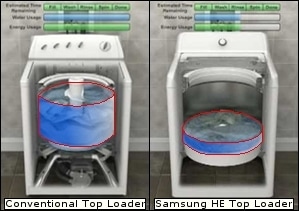
Credit: www.samsung.com
Innovations In Washing Machines
Washing machines have changed a lot over the years. New technology helps reduce water use without losing cleaning power. These innovations make laundry easier and better for the planet.
Many machines now use smart systems to control water carefully. Eco-friendly cycles help save water and energy. The future holds even more ways to cut water use and keep clothes clean.
Smart Water Usage Technology
Smart washing machines adjust water based on load size. Sensors measure clothes and dirt level. They add just the right amount of water needed. This stops wasting water and helps save money on bills.
Some models connect to apps to track water use. Users get tips to reduce waste. This smart control makes laundry more efficient.
Eco-friendly Cycles
Eco cycles use less water and energy. These cycles wash clothes with lower water levels. They also use longer wash times for better cleaning. This reduces water use by up to 50% compared to standard cycles.
Cold water wash options save energy too. These cycles keep clothes fresh while cutting water and power use.
Future Trends
Future washing machines will use even less water. New designs include better sensors and AI technology. Machines will learn user habits to optimize water use.
Water recycling inside the machine may become common. This means washing machines could reuse rinse water. Such trends help save water and protect the environment.
Calculating Your Water Use
Understanding how much water your washing machine uses helps manage household water consumption. This knowledge supports saving water and reducing bills. Calculating water use involves measuring water per load, estimating monthly use, and using water meters.
Measuring Water Per Load
Check your washing machine manual for water use per cycle. Typical machines use 15 to 40 gallons of water per load. Front-loaders usually consume less water than top-loaders. You can also measure by timing how long the machine fills and noting the flow rate.
Estimating Monthly Consumption
Multiply water used per load by the number of loads per week. Then multiply by four to get a monthly estimate. For example, 30 gallons per load times 5 loads a week equals 150 gallons weekly. Multiply 150 by 4, and the monthly use is 600 gallons.
Using Water Meters
Install a water meter on your washing machine’s supply line. The meter tracks exact water use per cycle. Read the meter before and after a wash to find water used. This method gives the most accurate measurement of your machine’s water use.
Frequently Asked Questions
How Much Water Does A 20 Minute Shower Use?
A 20-minute shower uses about 50 to 100 gallons of water, depending on the showerhead flow rate. Low-flow heads reduce usage.
How Much Water Does A 2 Person Household Use Per Day?
A 2-person household uses about 80 to 100 gallons of water daily. Usage varies by habits and appliance efficiency.
What Uses The Most Water In A House?
The toilet uses the most water indoors, followed by showers and washing machines. Outdoor watering also consumes significant water.
How Much Water Does A Washing Machine Use Compared To A Shower?
A washing machine uses about 15-40 gallons per load. A 10-minute shower uses roughly 25 gallons. Washing machines can be more water-efficient than long showers.
How Much Water Does A Typical Washing Machine Use Per Load?
A standard washing machine uses about 15 to 40 gallons of water per load.
Conclusion
Knowing how much water your washing machine uses helps you save water and money. Most machines use between 15 to 40 gallons per load. Newer, efficient models use less water than older ones. Choosing the right machine and washing full loads reduces water waste.
Small changes in habits make a big difference over time. Saving water protects the environment and lowers bills. Keep these points in mind for smarter water use at home.