
Wondering how long it takes to self clean your oven? You’re not alone.
Knowing the right amount of time can save you from unnecessary waiting and help you plan your day better. Plus, understanding the process ensures you keep your oven in top shape without any risks. You’ll discover exactly how long a self-clean cycle lasts, what happens during the cleaning, and important tips to keep in mind before, during, and after the cycle.
Keep reading to make your oven cleaning easy, safe, and effective!
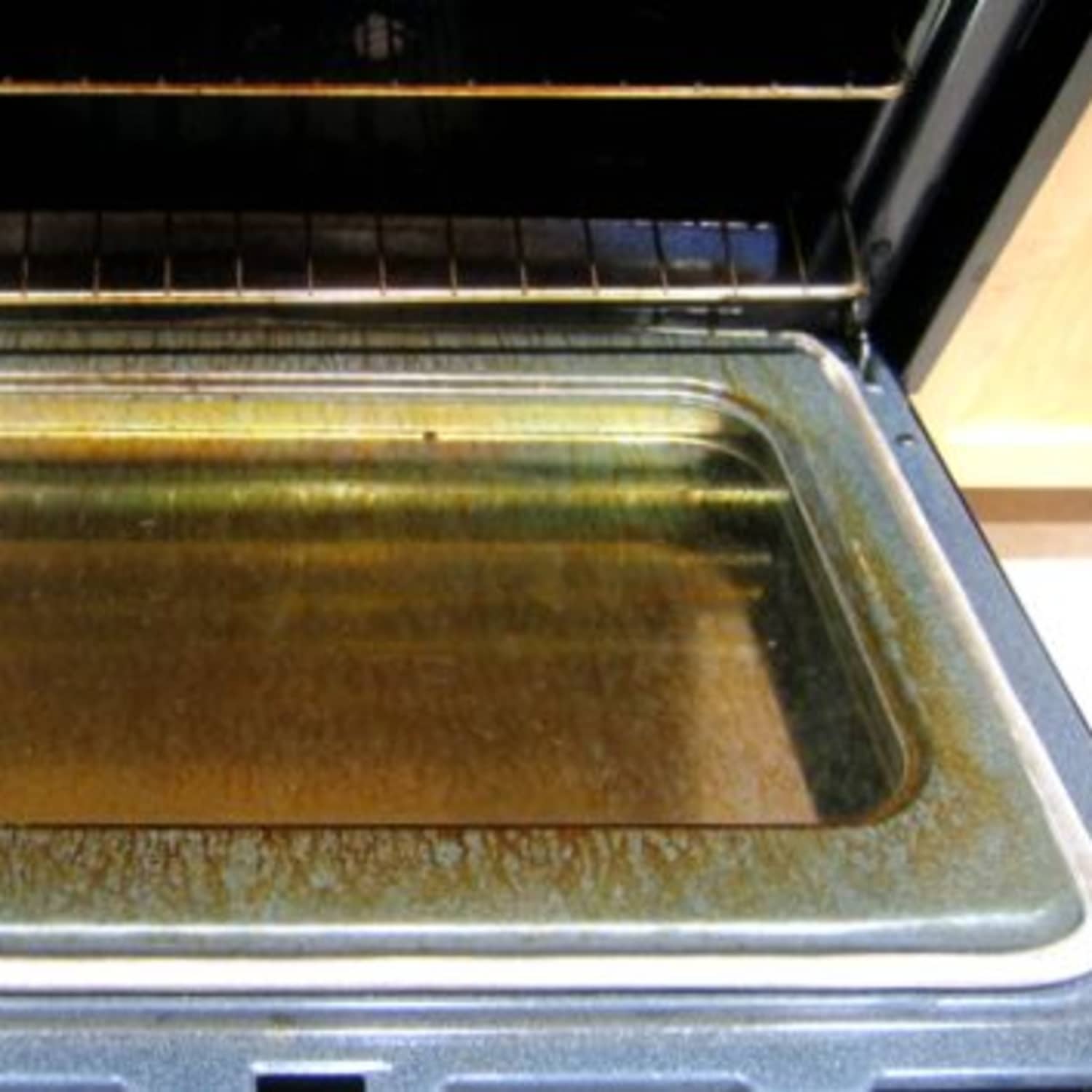
Credit: www.thekitchn.com
Self-cleaning Cycle Duration
The self-cleaning cycle duration varies by oven model and settings. This process heats the oven to very high temperatures to burn off food residue. Understanding how long the cycle takes helps plan cleaning times effectively. The cycle includes the cleaning phase and a cool-down period. Both are essential for safe and thorough cleaning.
Typical Time Frames
Most self-cleaning cycles last between 2 and 4 hours. Some ovens offer shorter cycles lasting about 1.5 hours. Longer cycles clean more deeply but use more energy. The cleaning phase usually takes 2 to 3 hours. After that, the oven needs time to cool before it unlocks.
Factors Affecting Length
The amount of dirt affects cycle time. Heavily soiled ovens require longer cycles. Oven size also plays a role; larger ovens may take more time. Different brands have varied cleaning settings. Choosing a light or quick clean reduces the duration. Temperature settings set by the oven control the cycle length.
Cool-down Period Importance
The cool-down period is critical for safety. The oven door remains locked during this time. It can take 30 minutes to 2 hours depending on the oven. Opening the door too soon can cause injury. Wait until the oven fully cools and the lock releases. Only then is it safe to wipe away ash residue.
:max_bytes(150000):strip_icc()/before-you-use-your-ovens-self-cleaning-cycle-FT-BLOG1220-320011bd241242f49df742c349d1f6af.jpg)
Credit: www.foodandwine.com
Safety Measures During Cleaning
Cleaning your oven using the self-cleaning feature involves very high heat. This heat removes grease and food spills by burning them off. The process can last from one to four hours. During this time, safety is important to protect you and your home. Follow key safety measures to avoid accidents and damage.
Door Lock Mechanism
The oven door locks automatically during cleaning. This prevents anyone from opening it while the temperature is extremely high. Do not try to force the door open. Wait until the oven cools and the lock releases. This safety feature helps avoid burns and injuries.
Ventilation Needs
Self-cleaning ovens produce smoke and odors when cleaning. Open windows or use kitchen vents to improve airflow. Good ventilation lowers the risk of breathing in fumes. Keep the kitchen well aired during and after cleaning. This protects your health and keeps the air fresh.
Staying Home Or Leaving
You can leave the house during the cleaning cycle if the oven is in a safe place. Make sure the kitchen is ventilated before you go. If you stay home, keep children and pets away from the oven. Never leave it unattended if you notice smoke or strange smells. Always follow the manufacturer’s safety instructions.
Recognizing Cycle Completion
Recognizing the end of a self-cleaning cycle is important for safe and effective oven use. The oven runs a high-temperature cycle to burn off residue. This process takes several hours, including cooling time. Knowing when the cycle finishes helps avoid damage or injury.
Display Indicators
The oven’s display shows clear signs when cleaning ends. Words like “End,” “Done,” or “Clean” appear on the screen. The usual “Locked” or “Hot” messages disappear. These indicators confirm the cleaning phase has finished. Pay close attention to these signals for safety.
Unlocking Signals
The oven door stays locked during cleaning and cooling. This prevents burns and accidents. The door unlocks only after the oven cools fully. You may hear a click or see the lock icon disappear. Never force the door open before this happens.
When To Open The Door
Wait for the oven to cool completely before opening. Opening too soon can cause injury or damage. After the display shows “End” and the door unlocks, it is safe to open. Use a damp cloth to wipe away ash and residue inside. This step completes the self-cleaning process.
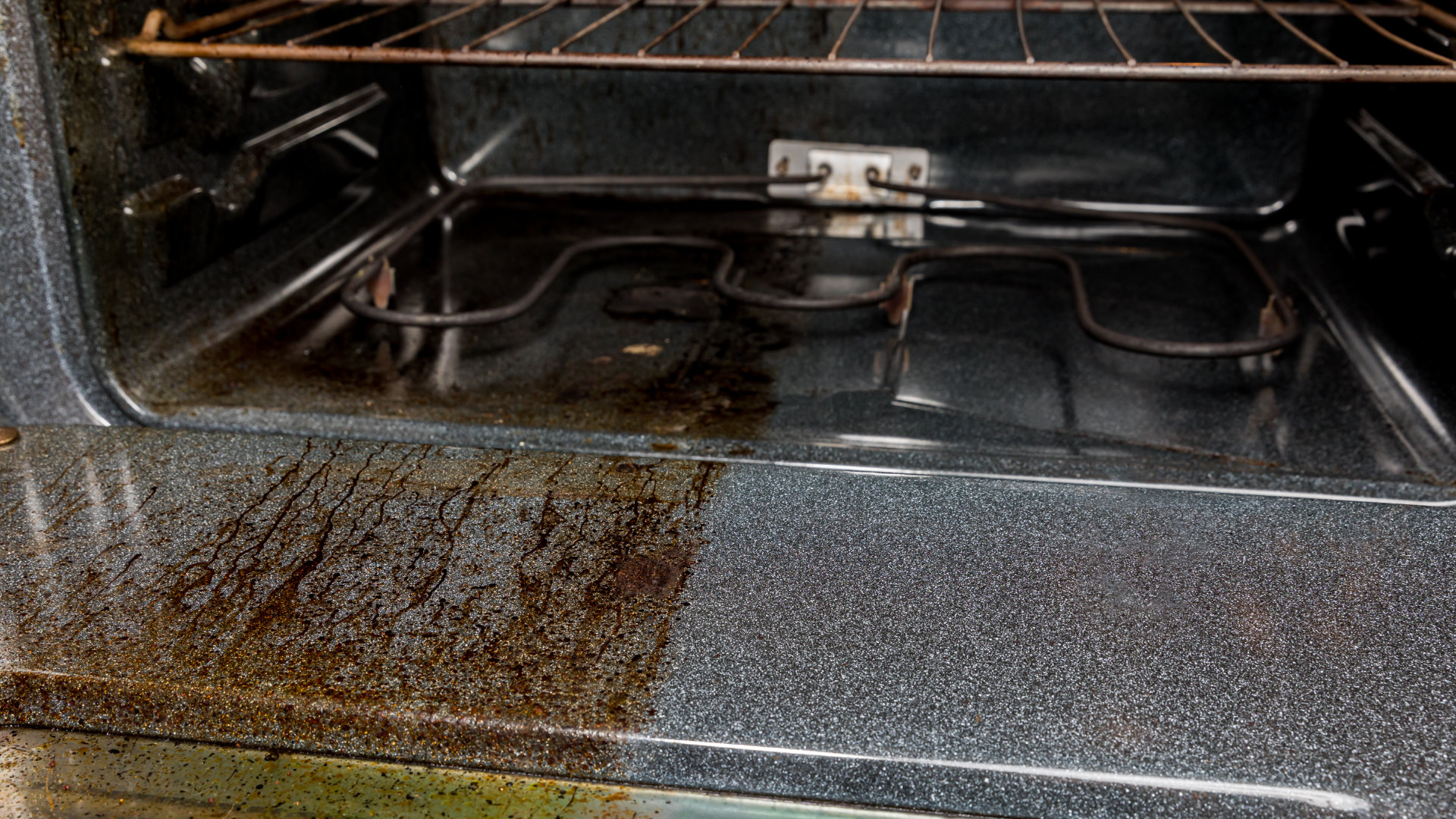
Credit: atoz1.com
Post-cleaning Steps
After the self-cleaning cycle finishes, there are important steps to follow. These steps help remove leftover ash and keep your oven in good shape. Taking care of your oven now makes it ready for the next use. Proper post-cleaning also prevents damage and extends the oven’s life.
Removing Ash Residue
The self-cleaning process leaves a fine layer of ash inside the oven. Use a damp cloth or sponge to wipe the ash away. Rinse the cloth often and wring it out before wiping again. Avoid using too much water to prevent drips inside the oven. Make sure you remove all ash to stop any buildup.
Best Cleaning Tools
Use soft cloths or sponges for cleaning after the cycle. Avoid steel wool or abrasive pads that can scratch the oven’s surface. A plastic scraper can help remove stubborn residue gently. Choose tools that do not harm the oven’s interior coating. Soft tools keep your oven looking new longer.
Avoiding Damage
Never force the oven door open before it unlocks. The door locks during cleaning for your safety. Wait until the oven cools completely and the lock releases. Do not use harsh chemicals after self-cleaning, as they can damage the finish. Handle all cleaning carefully to protect the oven’s parts and surfaces.
How Self-cleaning Works
Understanding how a self-cleaning oven works helps you use it safely and effectively. The oven cleans itself by heating to very high temperatures. This process burns away food spills and grease inside the oven cavity. The residue turns to ash, which you can easily wipe away after the cycle ends.
High-heat Process
During self-cleaning, the oven heats up to about 900°F (480°C). This intense heat breaks down food particles and grease. The temperature is much higher than normal cooking settings. It makes tough stains and baked-on messes easier to remove. The oven door locks automatically to prevent accidents during this hot cycle.
Burning Food Residue
The high heat causes leftover food and grease to burn and turn into ash. This ash is fine and dry. It falls to the bottom of the oven cavity. After the cycle finishes and the oven cools, you can wipe the ash away with a damp cloth. This step removes the mess without harsh scrubbing or chemicals.
Automatic Features
Most self-cleaning ovens have built-in safety features. The door locks during the cleaning cycle and stays locked until the oven cools. The control panel shows the cleaning progress and alerts you when the cycle ends. Some models adjust the cleaning time based on how dirty the oven is. These features make the process easy and safe for users.
Tips For Faster Results
Speeding up the self-cleaning process helps save time and effort. Simple steps improve results and reduce wait times. Follow these tips for faster oven cleaning without cutting corners.
Pre-cleaning Preparation
Remove large food scraps before starting the cycle. Wipe away grease spots with a damp cloth. Avoid harsh cleaners that can damage oven surfaces. Clearing debris helps the oven burn residue more quickly. Open windows or turn on fans for ventilation.
Cycle Selection
Choose the appropriate cleaning cycle for your oven’s condition. Short cycles work well for light dirt and spills. Use longer cycles only for heavy buildup. Follow manufacturer instructions for cycle times. Picking the right cycle saves energy and time.
Regular Maintenance
Clean spills immediately after cooking to avoid buildup. Wipe the oven interior weekly with a mild cleaner. Regular upkeep reduces the need for deep cleaning. Keep oven racks clean and avoid blocking vents. Consistent care keeps your oven working efficiently.
Common Issues And Solutions
Self-cleaning ovens save time and effort but sometimes cause issues. Knowing common problems and fixes helps keep your oven working well. Here are typical challenges and how to solve them.
Door Won’t Unlock
The oven door stays locked during cleaning for safety. It unlocks only when the oven cools down fully. If the door does not unlock, check the oven’s display for error messages.
Try turning off the oven power for a few minutes and then turn it back on. This may reset the locking mechanism. Avoid forcing the door open to prevent damage.
If the door still won’t unlock, contact a professional technician to inspect the lock system.
Smoke And Odor Control
Self-cleaning heats the oven to very high temperatures, causing smoke and smells. Proper ventilation helps reduce smoke inside your home. Open windows and use fans to move air out.
Remove large food scraps before starting the cycle to lower smoke production. Clean spills regularly to avoid strong odors during the process.
Using baking soda or vinegar after cleaning can help neutralize remaining smells.
Electronic Control Precautions
Modern ovens use electronic controls for self-cleaning. Avoid touching buttons during the cleaning cycle to prevent errors. Keep the control panel dry and clean.
Power surges may cause the oven to stop mid-cycle. Use a surge protector if possible. If controls freeze or show errors, reset the oven by unplugging it for a few minutes.
Consult your oven’s manual for specific instructions on handling electronic control issues.
Frequently Asked Questions
Can You Stay In The House While The Self-cleaning Oven Is On?
Yes, you can stay in the house during self-cleaning. Ensure good ventilation to avoid smoke and odors. Keep children and pets away for safety.
How Do I Know When My Self-cleaning Oven Is Done?
Your self-cleaning oven is done when the display shows “End” and the door unlocks after cooling. Wait until it fully cools before opening.
Are You Supposed To Wipe Out An Oven After Self-cleaning?
Yes, wipe out the oven after self-cleaning. Use a damp cloth to remove ash residue once the oven cools and unlocks.
What Happens If You Stop A Self-cleaning Oven Early?
Stopping a self-cleaning oven early interrupts the cycle, leaving some residue inside. It may also cause the door to stay locked until cooling finishes.
How Long Does A Self-clean Oven Cycle Usually Take?
A typical self-clean cycle lasts between 2 to 4 hours, including cool down time.
Conclusion
Self-cleaning ovens usually take two to four hours to finish. The door stays locked until the oven cools down completely. You will see “End” or “Done” on the display when the cycle is over. Wait for the oven to cool before opening the door.
Use a damp cloth to wipe away ash and residue inside. Regular cleaning keeps your oven working well and smelling fresh. Follow safety steps to avoid burns or smoke. Knowing how long the process takes helps you plan your kitchen time better.