
How hot does a dryer get? If you’ve ever wondered whether your clothes are truly safe in the dryer or if your machine can handle killing bed bugs and stubborn germs, you’re not alone.
Knowing your dryer’s temperature range isn’t just about drying clothes quickly—it can affect the lifespan of your fabrics, prevent shrinking or fading, and even help protect your family from pests. You’ll discover exactly how hot a typical dryer gets, what settings mean for your laundry, and practical tips to make the most of your dryer’s heat.
Keep reading to take control of your laundry routine and keep your clothes looking their best.

Credit: tigermechanical.net
Dryer Temperature Range
Understanding the dryer temperature range helps you protect your clothes and get the best drying results. Dryers use heat to remove moisture from fabrics. The temperature varies depending on the setting and model. Knowing these details can prevent damage to your clothes and improve drying efficiency.
Typical Heat Levels
Most dryers have low, medium, and high heat settings. Low heat runs around 125°F to 135°F. It suits delicate fabrics like silk or lace. Medium heat usually ranges from 135°F to 145°F. It works well for synthetic fabrics and blends. High heat settings can reach 150°F to 160°F. This level is for heavy items like towels and jeans. These temperatures help dry clothes at different speeds and protect fabric types.
Maximum Heat Settings
The maximum heat a dryer can reach is about 165°F to 180°F. This setting dries items fastest but may damage delicate fabrics. Some dryers have an “extra hot” or “sanitize” cycle. These use the highest heat to kill bacteria and dust mites. Use these settings carefully to avoid shrinking or burning clothes.
Temperature Variations By Model
Dryer temperature varies by brand and model. Newer models often use sensors to adjust heat automatically. Older models may have fixed heat levels. Gas dryers and electric dryers may also differ in heat output. Some dryers offer custom temperature controls for better precision. Always check your dryer’s manual to learn its exact temperature range.
Credit: www.whirlpool.com
Heat Settings And Their Uses
Understanding your dryer’s heat settings helps protect your clothes and save energy. Different fabrics need different temperatures. Using the right heat setting keeps clothes in good shape and dries them efficiently. Below are common heat settings and their best uses.
High Heat For Durable Fabrics
High heat is the hottest setting on a dryer. It reaches temperatures around 135°F to 150°F (57°C to 65°C). This setting dries clothes fast. It works well for towels, jeans, and bed sheets. These items can handle strong heat without damage. Avoid using high heat on delicate or synthetic fabrics. High heat may cause shrinking or fading.
Medium Heat For Everyday Clothes
Medium heat usually runs at about 110°F to 125°F (43°C to 52°C). This setting suits regular clothes like cotton shirts and pants. It dries clothes safely and prevents damage. Medium heat balances drying speed and fabric care. Use it for mixed loads with cotton and light synthetics. It helps keep colors bright and fabric soft.
Low Heat For Delicates
Low heat is gentle, around 90°F to 110°F (32°C to 43°C). This setting protects delicate fabrics such as silk, lace, and wool. Low heat reduces the risk of shrinking and fabric wear. It takes longer to dry clothes but keeps them safe. Use low heat for items with special care labels. It maintains fabric shape and color.
No Heat Air Fluff Option
The air fluff or no heat option tumbles clothes without heat. It is perfect for freshening up clothes without washing. It also helps remove dust or pet hair. Use air fluff for sweaters or items that only need light drying. This setting avoids any heat damage. It is the safest for very delicate or heat-sensitive fabrics.
How Heat Affects Different Fabrics
Heat plays a key role in drying clothes. Different fabrics react to heat in various ways. Some fabrics handle high temperatures well. Others can shrink, fade, or get damaged. Knowing how heat affects fabrics helps keep clothes safe and looking good.
Heat Impact On Sturdy Items
Sturdy fabrics like denim, cotton towels, and bed sheets handle high heat well. Dryers use strong heat to dry these items quickly. High heat helps remove moisture faster. These fabrics do not shrink easily at high temperatures. Heat also helps kill germs on sturdy items. Using high heat speeds up drying and keeps items fresh.
Risks For Delicate Materials
Delicate fabrics such as silk, wool, and lace are sensitive to heat. High temperatures can shrink or weaken these materials. Heat may cause colors to fade or bleed. Delicate fabrics can lose softness and shape under strong heat. Using low or no heat settings is safer for these items. Air drying is a good option to protect delicate fabrics.
Preventing Shrinkage And Damage
To avoid damage, choose the right heat setting for each fabric. Sort clothes by fabric type before drying. Use low heat for delicate items and high heat for sturdy ones. Remove clothes promptly to prevent wrinkles. Adding dryer balls can reduce drying time and protect fabrics. Checking care labels ensures safe drying practices. Proper heat use saves clothes from shrinkage and damage.
Dryer Heat And Bed Bug Control
Using a dryer’s heat can help control bed bugs in clothing and fabrics. Bed bugs cannot survive high temperatures. Dryers provide a quick way to kill these pests and their eggs. Knowing the right temperature and safe methods is important for effective treatment.
Temperature Needed To Kill Bed Bugs
Bed bugs die at temperatures above 120°F (49°C). Most dryers reach temperatures between 125°F and 135°F (52°C to 57°C). Running clothes on the hottest dryer setting for at least 30 minutes kills bed bugs. This heat also destroys their eggs and larvae. Lower temperatures or shorter times may not be effective.
Safe Practices For Infested Items
Sort infested laundry carefully to avoid spreading bed bugs. Use the highest heat setting that fabrics can tolerate. Avoid mixing infested items with clean clothes. Wash items first in hot water if possible. Place small or delicate items in dryer bags to protect them while still applying heat. Check items after drying to ensure no bugs remain.
Sealing And Transporting Laundry
Seal infested laundry in airtight plastic bags or containers. This stops bed bugs from spreading during transport. Carry bags directly to the dryer or laundromat. Avoid leaving bags open or exposed in your home. After drying, keep cleaned items sealed until they are stored or worn. Proper sealing helps keep bed bugs from reinfesting your home.
Testing Dryer Heat Efficiency
Testing dryer heat efficiency helps ensure your clothes dry properly and safely. It checks if the dryer reaches the right temperature for different fabrics. Proper heat saves energy and prevents damage to your garments. Understanding dryer heat also helps spot problems early.
Signs Dryer Is Too Hot Or Not Hot Enough
A dryer that is too hot may cause clothes to shrink or burn. You might notice a burning smell or discoloration on fabrics. Overheating can also trigger the dryer to shut off unexpectedly.
If the dryer is not hot enough, clothes stay damp after the cycle. Drying takes longer than usual, wasting energy. You may also find clothes feel cool or slightly wet when done.
Measuring Temperature Accurately
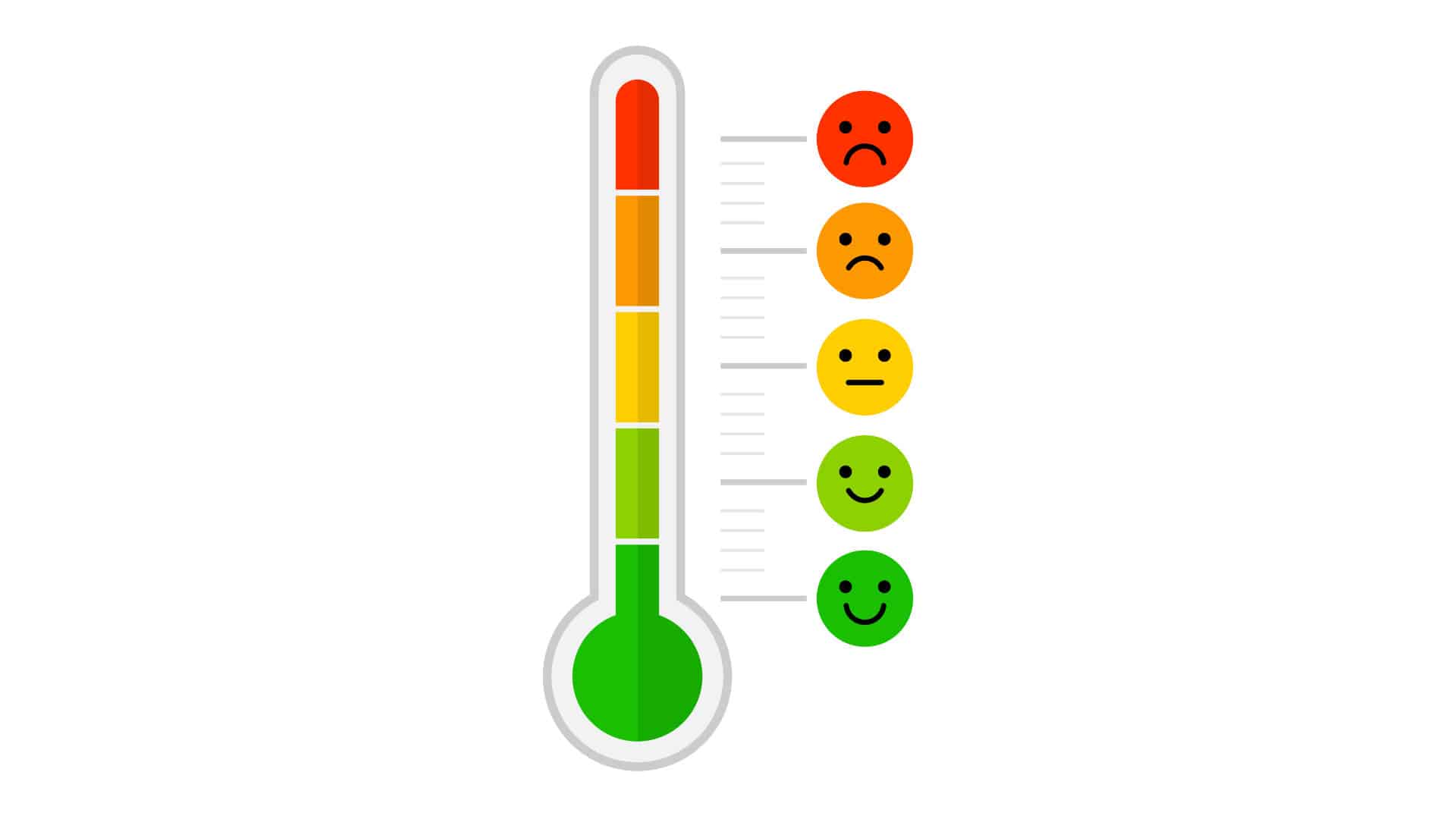
Use a dryer thermometer to check the heat inside the drum. Place it on top of damp clothes for best results. Run the dryer on a normal cycle and note the temperature reading.
Most dryers heat between 125°F and 135°F on medium heat. High heat settings can reach up to 150°F or more. Temperatures below 110°F mean the dryer is not heating well.
Troubleshooting Heating Issues
Check the lint filter and vent for blockages. Clogged vents reduce heat and drying efficiency. Clean the lint trap after every load and inspect the vent hose regularly.
Test the heating element with a multimeter for electrical faults. Replace it if the element is broken or worn out. Faulty thermostats or thermal fuses can also cause poor heating.
If problems persist, call a professional technician. Regular maintenance keeps your dryer safe and efficient.
Credit: fredsappliance.com
Energy And Safety Considerations
Understanding the energy use and safety of your dryer is essential. Dryers generate high heat to dry clothes quickly. This heat level affects energy consumption and safety risks. Careful use helps save energy and prevent accidents.
Energy Use At Different Heat Levels
Dryers use more energy on high heat settings. High heat dries clothes faster but consumes extra power. Lower heat settings take longer but use less energy overall. Choosing the right heat level for your load saves electricity. Heavy fabrics need high heat, while delicate items dry well on low heat.
Avoiding Overheating
Overheating can damage clothes and cause fire hazards. Clean the lint filter before every load. Blocked vents trap heat inside the dryer. Make sure the exhaust vent is clear and free of debris. Avoid drying items that are not dryer-safe. Stop the dryer if you smell burning or see smoke.
Maintaining Dryer Safety
Keep the dryer area clean and dry. Do not overload the dryer drum. Overloading blocks air flow and raises temperature. Have your dryer inspected yearly by a professional. Replace worn or damaged parts immediately. Use the dryer only for its intended purpose. Follow the manufacturer’s safety instructions carefully.
Frequently Asked Questions
What Dryer Temperature Kills Bed Bugs?
Dryers kill bed bugs at temperatures of 120°F (49°C) or higher. Use the hottest setting to ensure elimination. Dry items for at least 30 minutes to effectively kill all bed bugs and their eggs.
How Hot Is Regular Heat On A Dryer?
Regular heat on a dryer reaches about 135°F to 145°F. It dries sturdy fabrics like towels, jeans, and sheets quickly. Avoid using it on delicate fabrics to prevent shrinking or damage. Regular heat offers the fastest drying time for durable household items.
How Hot Does A Dryer Get On Sanitize?
A dryer on sanitize mode typically reaches temperatures between 135°F and 150°F. This heat kills most bacteria and germs effectively. It suits sturdy fabrics and ensures thorough sanitization without damaging clothes. Use sanitize mode for bedding, towels, and heavy fabrics needing deep cleaning.
How Hot Does A Laundry Machine Get?
A laundry machine typically heats water between 90°F (cold) and 140°F (hot) for washing. Dryers reach 125°F to 135°F on high heat settings. Temperatures vary by cycle and fabric type to protect clothes and ensure effective cleaning.
How Hot Does A Dryer Typically Get Inside?
Dryers usually reach temperatures between 125°F and 135°F on regular heat settings.
Conclusion
Dryers can reach temperatures between 125°F and 160°F. This heat dries clothes quickly and kills germs and bed bugs. High heat suits heavy fabrics like towels and jeans. Use medium or low heat for delicate or synthetic clothes. Always check garment labels to avoid damage.
Proper dryer use saves time and keeps clothes fresh. Understanding dryer heat helps you choose the right settings. Keep your laundry safe and clean with the correct dryer temperature.