
Have you ever noticed your refrigerator struggling to keep things cool when the air feels thick and sticky? High humidity isn’t just uncomfortable for you—it can actually make your fridge work harder and less efficiently.
When moisture levels rise, your refrigerator faces extra challenges that can affect its cooling power and even increase your energy bills. If you want to understand why your fridge might not be performing its best during humid days and learn simple ways to protect it, keep reading.
Your food, your comfort, and your wallet will thank you.
Humidity And Refrigerator Cooling
Humidity plays a key role in how well a refrigerator cools. High moisture levels in the air make the cooling process harder. This can cause your refrigerator to use more energy and work longer than normal. Understanding humidity’s effect helps keep your fridge running smoothly.
Inside and outside the fridge, humidity affects temperature and food preservation. Controlling moisture can improve cooling performance and save electricity.
How Humidity Impacts Cooling Efficiency
High humidity forces the refrigerator to remove extra moisture from the air. This added work slows down the cooling process. The fridge compressor runs longer to maintain cold temperatures. This increases energy use and wear on parts.
Moist air inside the fridge can cause frost buildup on coils. Frost reduces heat transfer and lowers cooling efficiency. The fridge may feel warm or fail to keep food fresh. Proper humidity control reduces frost and keeps cooling steady.
Humidity Levels Inside Refrigerators
Humidity inside a fridge changes based on door openings and stored food. Fresh fruits and vegetables release moisture, raising humidity levels. Too much moisture creates damp conditions that promote mold growth.
Many refrigerators have humidity controls in crisper drawers. These help keep fruits and veggies fresh longer. Keeping humidity balanced inside prevents excess frost and maintains optimal cooling.
Regularly wiping moisture from fridge walls and shelves also helps. It prevents water buildup that can lower cooling efficiency. Managing humidity inside the fridge is key to better performance.
Causes Of Cooling Issues In High Humidity
High humidity can cause various problems with refrigerator cooling. Moist air affects how the fridge works and can lead to several issues. Understanding these causes helps maintain your appliance better and keeps food fresh longer.
Ice Buildup On Cooling Coils
High humidity adds extra moisture inside the fridge. This moisture can freeze on the cooling coils. Ice buildup blocks the coils and reduces cooling power. The fridge then works harder to keep cold, wasting energy.
Reduced Condenser Efficiency
Humidity makes the condenser coils less efficient. Wet air causes dirt and dust to stick more easily. This layer stops heat from escaping properly. The fridge struggles to cool and may overheat.
Blocked Air Vents And Circulation
Moisture can cause vents to clog or freeze shut. Poor airflow means cold air does not spread evenly. Some parts of the fridge become warmer than others. This uneven cooling affects food storage and freshness.
Compressor Overload
The compressor works harder in humid conditions. It tries to maintain the set temperature despite moisture problems. This overload can cause the compressor to wear out faster. A failing compressor leads to poor fridge performance and costly repairs.
Effects Of Ambient Conditions
Ambient conditions play a key role in how well a refrigerator cools. Temperature and humidity around the fridge affect its efficiency. Understanding these effects helps keep your fridge running smoothly and food fresh.
High humidity can cause moisture build-up inside and outside the fridge. This extra moisture makes the compressor work harder. The result is less effective cooling and higher energy use.
High Temperature And Humidity Combined
High temperature and humidity together strain a refrigerator. The fridge must remove more heat and moisture from inside. This causes the compressor to run longer and more often. Over time, this reduces cooling performance and may shorten the appliance’s life.
In hot and humid places, refrigerators need better ventilation. Without it, the fridge struggles to maintain cold temperatures. This can lead to spoiled food and increased electricity bills.
Placement Of Refrigerator Indoors
Where you place your fridge indoors affects its cooling ability. Avoid spots near heat sources like ovens or heaters. These raise the surrounding temperature and cause the fridge to work harder.
Also, keep the fridge away from damp or humid areas. Excess moisture around the fridge can cause rust and damage electrical parts. A dry, cool corner is best for optimal performance.
Direct Sunlight And Heat Exposure
Direct sunlight heats the fridge surface and raises internal temperatures. This forces the compressor to run more frequently to cool down. Prolonged sun exposure can cause permanent damage to the fridge’s components.
Place the refrigerator away from windows or areas with strong sunlight. Using curtains or blinds helps reduce heat exposure. This simple step improves cooling efficiency and saves energy.

Credit: energyforums.net
Quick Fixes For Humidity-related Problems
High humidity can cause a refrigerator to work harder and cool less efficiently. Moisture in the air leads to condensation inside the fridge. This extra moisture makes the cooling system struggle. Quick fixes can reduce humidity problems and improve fridge performance.
Regular Cleaning Of Coils And Vents
Dust and dirt on coils and vents block airflow. This makes the fridge less efficient at cooling. Clean coils and vents every few months. Use a vacuum or brush to remove debris. Clean parts help the fridge cool better and use less energy.
Ensuring Proper Door Seals
Door seals keep cold air inside the fridge. If seals are damaged or loose, warm air enters. This raises humidity and temperature inside. Check seals for cracks or gaps often. Replace or repair seals to keep the fridge airtight and cool.
Adjusting Thermostat Settings
Incorrect thermostat settings can cause cooling issues. Set the temperature between 37°F and 40°F (3°C to 4°C). This range balances cooling and energy use. Adjust thermostat slightly if humidity or temperature problems appear. Avoid setting too cold to prevent frost buildup.
Reducing Overloading Inside The Fridge
Overloaded fridges block air circulation inside. Poor airflow increases humidity and reduces cooling. Keep food items spaced out for better air movement. Avoid stuffing the fridge to its full capacity. Proper loading helps maintain even temperature and humidity.
Using Dehumidifiers Or Ventilation
Dehumidifiers lower air moisture in rooms with high humidity. Place a small dehumidifier near the fridge if needed. Good ventilation also reduces moisture build-up. Keep the fridge area dry and well-ventilated. This supports the fridge’s cooling system to work efficiently.
Preventive Measures For Summer Months
High humidity during summer can cause refrigerators to work harder. This may reduce their cooling efficiency and increase energy use. Taking preventive steps helps keep your fridge cool and saves money on bills. Simple actions can protect your appliance from summer humidity challenges.
Optimal Refrigerator Placement
Place your refrigerator away from direct sunlight. Avoid spots near ovens or heating vents. Choose a cool, well-ventilated area in your kitchen. Leave space around the fridge for air to circulate. Proper placement helps the fridge cool better and use less energy.
Maintaining Ideal Indoor Humidity
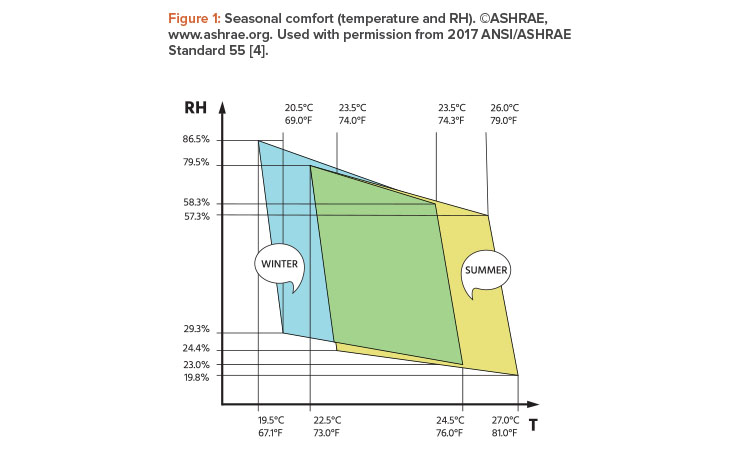
Keep indoor humidity levels between 30% and 50%. Use a dehumidifier in very humid areas. Open windows or use exhaust fans to reduce moisture. Lower humidity reduces strain on your refrigerator’s cooling system. This keeps food fresh and prevents frost buildup inside.
Routine Maintenance Checks
Clean condenser coils every few months to improve cooling. Check door seals for cracks or gaps; replace if needed. Avoid overloading the fridge to allow proper air flow. Regular maintenance prevents breakdowns and keeps your fridge running efficiently during summer.
Credit: www.lg.com
Credit: ispe.org
Frequently Asked Questions
Does High Humidity Affect The Refrigerator?
High humidity makes refrigerators work harder to cool by increasing moisture inside. It can cause ice buildup on coils, reducing efficiency and raising energy use.
Why Is My Refrigerator Not Cold In Hot Weather?
Hot weather and high humidity make refrigerators work harder to cool. Warm ambient air and blocked vents reduce efficiency. Overloading and poor door seals also cause poor cooling. Ensure proper ventilation, correct thermostat settings, and avoid placing the fridge in direct sunlight to maintain cold temperatures.
Is 70% Humidity Too High In A House?
Yes, 70% humidity is too high for a house. It promotes mold growth and dust mites. Ideal indoor humidity stays between 30-50%. High humidity can damage furniture and reduce comfort. Use dehumidifiers or ventilation to maintain healthy, balanced moisture levels.
Can Hot Weather Affect The Refrigerator?
Hot weather forces refrigerators to work harder, reducing cooling efficiency and increasing energy use. High humidity can cause ice buildup, stressing the compressor. Keep your fridge away from direct sunlight and ensure proper ventilation to maintain optimal performance during hot conditions.
Does High Humidity Reduce Refrigerator Cooling Efficiency?
High humidity makes refrigerators work harder to cool, lowering their efficiency and increasing energy use.
Conclusion
High humidity can make your refrigerator work harder to stay cool. Moist air increases the load on the cooling system. This may cause higher energy use and less efficient cooling. Keep your fridge in a dry, cool spot away from sunlight.
Regularly check seals and clean coils to help maintain performance. Small steps can improve your fridge’s cooling during humid times. Remember, a well-maintained fridge lasts longer and keeps food fresh. Stay aware of humidity’s impact for better appliance care.