
When it comes to choosing the right flooring or subfloor material for your home or project, you might find yourself stuck between two popular options: Gypcrete and concrete. You want a solution that fits your needs, budget, and long-term goals—but how do you know which one is best for you?
Understanding the differences between Gypcrete and concrete can save you time, money, and headaches down the road. You’ll discover what sets these materials apart, their unique benefits, and which one might be the perfect fit for your next project. Keep reading to make an informed choice that works for your space and lifestyle.
Gypcrete Basics
Gypcrete is a unique flooring material often compared to traditional concrete. It offers different properties and uses. Understanding its basics helps in choosing the right flooring option.
Gypcrete is lighter and easier to work with than concrete. It is commonly used in specific flooring applications where weight and sound control matter.
Composition And Materials
Gypcrete is made from gypsum plaster mixed with sand and water. Sometimes additives improve strength and drying time. It also contains fibers or other materials for better durability.
This mix is poured like a liquid but hardens like a solid. It is much lighter than regular concrete because of the gypsum content.
Common Uses In Flooring
Gypcrete is popular in multi-story buildings. It reduces floor weight and helps with sound insulation. Often it is used as a topping over wood or concrete subfloors.
It is ideal for areas where quick drying is needed. Also, it works well under tile or carpet because it creates a smooth, level surface.
Concrete Fundamentals
Concrete is a strong building material made by mixing cement, water, sand, and gravel. It hardens over time and becomes very durable. Concrete is used in many types of construction because of its strength and long life.
Understanding the basics of concrete helps in choosing the right material for projects. Its composition and uses vary depending on the needs of the structure.
Types Of Concrete
There are several types of concrete, each with unique properties. Normal concrete is the most common and used for sidewalks and driveways. High-strength concrete is made for buildings that need extra support. Lightweight concrete uses lighter materials to reduce weight. Ready-mix concrete is prepared at a plant and delivered to the site. Self-compacting concrete flows easily and fills molds without needing vibration.
Typical Applications
Concrete is used in many areas of construction. It forms the foundation of buildings, roads, and bridges. Floors and walls often use concrete for strength and durability. Concrete is also common in sidewalks, patios, and driveways. It works well in both indoor and outdoor projects. Its ability to resist weather makes it a popular choice in Texas and other regions.
Weight And Strength Comparison
The comparison between Gypcrete and concrete often starts with their weight and strength. These two materials serve different purposes in construction. Understanding their load-bearing capacity and durability helps in choosing the right one for your project.
Load-bearing Capacity
Concrete is much heavier and stronger than Gypcrete. It can support heavy loads like building foundations and driveways. Gypcrete is lighter and not designed for heavy weight. It is often used for underlayment or soundproofing. The lighter weight of Gypcrete reduces stress on structures but limits its use in load-bearing applications.
Durability Over Time
Concrete lasts longer and resists wear and tear better than Gypcrete. It handles outdoor conditions and heavy traffic well. Gypcrete can crack and break down faster, especially under heavy weight or moisture. Repairs in Gypcrete require professional help. Concrete’s strong composition gives it a longer lifespan in most settings.
Installation Differences
Gypcrete and concrete differ significantly in their installation process. Understanding these differences helps in choosing the right material for your project. Gypcrete is a specialized product requiring careful handling. Concrete offers more flexibility, often suitable for various skill levels. The installation process affects cost, time, and durability.
Professional Vs Diy Options
Gypcrete installation demands professional expertise. Only licensed contractors should handle it due to its unique mixing and pouring needs. Mistakes can cause cracks or weak spots. Concrete installation suits both professionals and DIYers. Basic tools and instructions are enough for small projects. Larger concrete jobs often still require professional help for best results.
Curing And Setting Times
Gypcrete cures faster than concrete. It typically sets within 24 to 48 hours. This speed benefits tight project schedules. Concrete takes longer, often 7 days to reach partial strength. Full curing can take up to 28 days. Proper curing ensures strength and prevents future damage. Both materials need controlled conditions during curing to avoid problems.
Cost Factors
Cost factors play a crucial role in choosing between Gypcrete and concrete for flooring and construction projects. Understanding these costs helps in planning budgets effectively. Both materials have different price points and ongoing expenses that impact the total project cost.
Material Costs
Gypcrete generally costs more per cubic yard than concrete. It contains gypsum, which adds to the price. Concrete uses cement, sand, and gravel, which are usually cheaper. However, Gypcrete is lighter and easier to work with. This can reduce the amount of material needed in some cases. Pricing varies by region and supplier. In Austin, Texas, local market rates affect these costs significantly. Choosing the right material depends on project requirements and budget limits.
Labor And Maintenance Expenses
Labor costs for Gypcrete can be higher due to specialized installation needs. It requires licensed professionals to apply it correctly. Concrete installation is more common and often less expensive in labor. Maintenance for Gypcrete is minimal but repairs need experts. Concrete may need more frequent sealing and patching over time. Both materials have different lifespans and durability, affecting long-term costs. Factoring in labor and upkeep helps avoid unexpected expenses later.

Credit: wbiwarm.com
Thermal And Acoustic Performance
Thermal and acoustic performance are key factors in choosing between Gypcrete and concrete. These materials affect home comfort and energy use. Understanding their insulation and soundproofing qualities helps in making the right choice for your project.
Insulation Properties
Gypcrete has better insulation than standard concrete. It contains gypsum, which traps air and reduces heat flow. This helps keep rooms warmer in winter and cooler in summer. Concrete, on the other hand, conducts heat quickly. It does not provide much insulation without extra layers. Using Gypcrete can lower heating and cooling costs. It creates a more energy-efficient space.
Soundproofing Capabilities
Gypcrete offers superior sound absorption. Its lightweight and porous structure reduce noise transmission. This makes it ideal for apartments and multi-story buildings. Concrete is dense and reflects sound, causing echoes. It blocks some noise but can make spaces feel louder. Gypcrete helps create a quieter, more peaceful environment. Choosing the right material depends on your noise control needs.
Environmental Impact
The environmental impact of Gypcrete and concrete is a key factor in choosing the right material for construction projects. Both materials affect the planet differently through their production, use, and disposal. Understanding these effects can guide builders and homeowners to make eco-friendly decisions.
Sustainability Of Materials
Gypcrete contains gypsum, a natural mineral often sourced from recycled industrial byproducts. This reuse reduces the need for new mining and lowers environmental damage. Concrete relies mainly on cement, which requires large amounts of energy and emits significant carbon dioxide during production. Gypcrete’s lighter weight means less transportation fuel is used, reducing its overall carbon footprint. Concrete lasts longer but has higher initial environmental costs.
Waste And Recycling Considerations
Gypcrete waste is easier to manage and often reused in new mixes or other construction materials. It breaks down faster in landfills, causing less long-term harm. Concrete waste is bulky and difficult to recycle, often ending up in landfills or crushed for low-grade use. Recycling concrete requires heavy machinery and energy. Both materials generate waste, but Gypcrete’s waste stream is generally more manageable and less harmful.
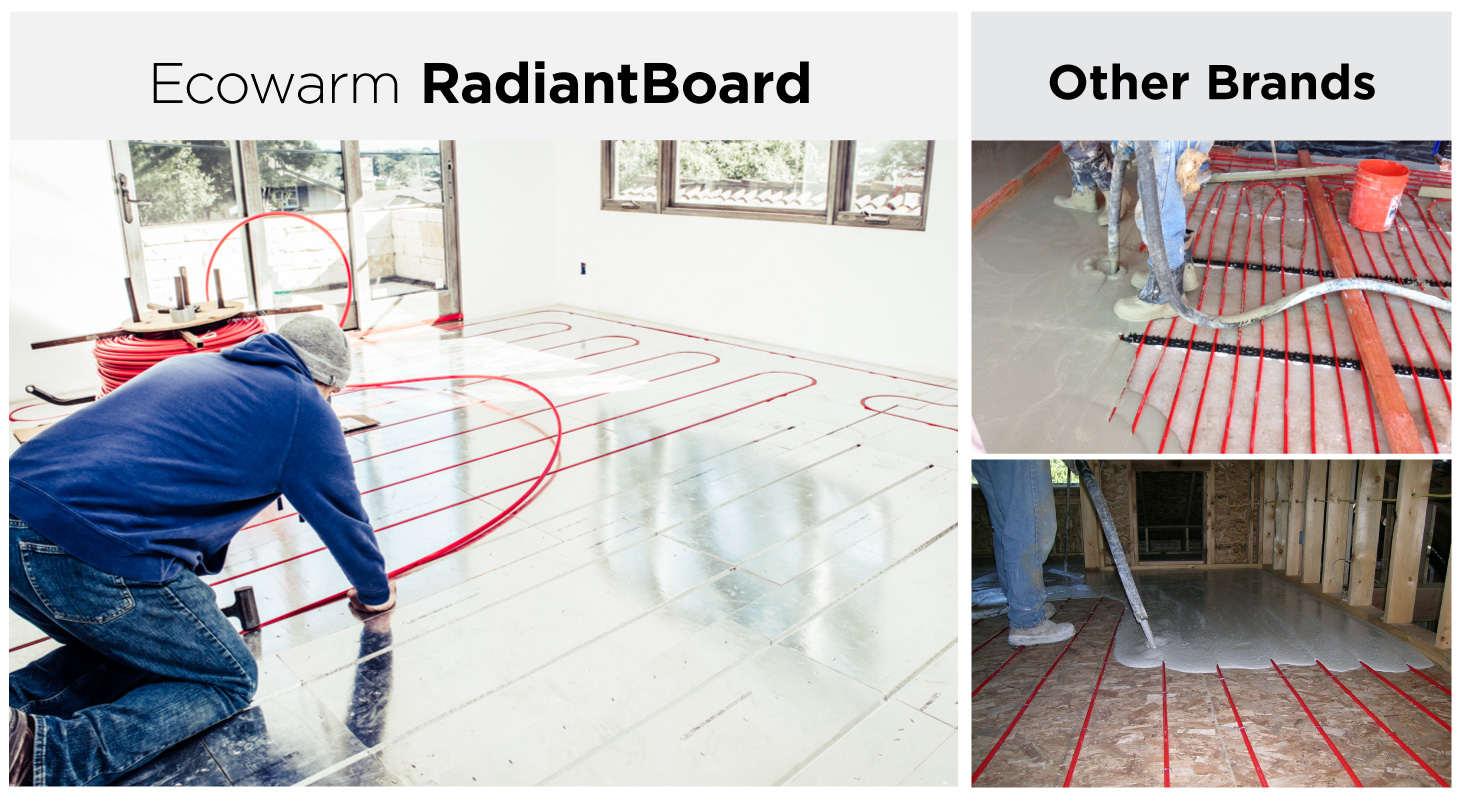
Credit: ecowarmradiantheat.com
Repair And Maintenance
Repair and maintenance are key factors in choosing between gypcrete and concrete. Both materials require different care routines to stay durable and functional. Understanding their common issues helps in timely repairs and proper upkeep. This section explains how to manage repairs and maintain these flooring types effectively.
Common Issues And Fixes
Gypcrete often cracks due to its lightweight nature and lower strength. Small cracks can be filled with gypsum-based patching compounds. Large cracks or damage need a licensed professional for repair. Concrete may develop surface cracks from shrinkage or heavy loads. These cracks can be sealed with epoxy or polyurethane fillers. For serious damage, concrete resurfacing or slab replacement may be necessary.
Longevity And Upkeep
Gypcrete has a shorter lifespan than concrete. It needs careful moisture control to prevent deterioration. Regular inspections help catch issues early. Concrete lasts longer and handles heavy loads well. It requires less frequent repairs but benefits from sealing every few years. Cleaning concrete with mild detergent and water keeps it in good shape. Both materials perform best with prompt repair and proper maintenance routines.
Best Applications By Scenario
Choosing between Gypcrete and concrete depends on the project’s needs. Each material fits certain scenarios better. Understanding the best applications helps in making the right choice. This section explores where Gypcrete and concrete work best.
Residential Flooring
Gypcrete is popular for residential floors. It is lightweight and easy to install. It provides good sound insulation between floors. Gypcrete also works well with radiant heating systems. Concrete floors are heavier and stronger. They are ideal for ground floors and basements. Concrete offers high durability and moisture resistance. It supports heavy furniture and appliances easily. For quiet, warm floors, Gypcrete is preferred. For heavy-duty and moisture-prone areas, concrete is better.
Commercial And Industrial Uses
Concrete shines in commercial and industrial settings. It handles heavy loads and constant traffic well. Concrete floors resist wear from machinery and forklifts. It is also fire-resistant and easy to clean. Gypcrete is less common here. It cannot support very heavy weights. It suits light commercial spaces with low traffic. Gypcrete’s quick drying time helps in fast renovations. Concrete’s strength and durability make it the go-to choice for factories and warehouses.
Decision-making Tips
Choosing between Gypcrete and concrete can be tricky. Each material offers unique benefits and drawbacks. Understanding your project’s needs helps make the right choice. Consider factors like weight, strength, and installation complexity.
Cost also plays a key role in decision-making. Balancing quality and budget ensures a successful outcome. Use these tips to guide your selection process effectively.
Evaluating Project Requirements
Identify the purpose of your flooring or subfloor. Gypcrete is lighter and easier to install. It suits residential projects and soundproofing needs.
Concrete is stronger and better for heavy traffic areas. It works well in commercial or industrial settings. Consider moisture levels, drying time, and durability demands.
Balancing Performance And Budget
Concrete usually costs more but lasts longer. It supports heavier loads and resists damage better. Gypcrete offers savings on labor and materials.
Weigh initial costs against long-term maintenance expenses. Choose the option that fits your financial plan and project goals. Smart budgeting ensures you don’t compromise on quality.
Frequently Asked Questions
What Are The Disadvantages Of Gypcrete?
Gypcrete supports less weight than traditional concrete and can crack over time. Repairs require licensed professionals. It is not suitable for DIY installation and may be less durable in high-traffic areas.
What Is Poor Man’s Concrete?
Poor man’s concrete is an affordable DIY method using gravel, crushed stone, or quick-set cement for basic surfaces. It offers a low-cost alternative to traditional concrete slabs.
What Is The Purpose Of Gypcrete?
Gypcrete provides a lightweight, fire-resistant, and sound-insulating subfloor. It offers smooth leveling before flooring installation.
Can You Pour Gypcrete Over Concrete?
Yes, you can pour gypcrete over concrete after cleaning and priming the surface. Ensure the concrete is dry and free of debris for proper adhesion.
What Is The Main Difference Between Gypcrete And Concrete?
Gypcrete is lightweight and used mainly for flooring, while concrete is heavier and used for strong structures.
Conclusion
Choosing between Gypcrete and concrete depends on your project needs. Gypcrete offers lighter weight and faster drying times. Concrete provides greater strength and durability for heavy loads. Consider budget, installation, and purpose before deciding. Both materials serve unique roles in construction.
Understanding their differences helps you pick the right option. Make sure to consult a professional for proper installation. Your choice affects the longevity and performance of your floor. Each has pros and cons worth weighing carefully.