
If you own a Glacier Bay toilet, you might have noticed some frustrating issues that disrupt your daily routine. Whether your toilet keeps running, won’t flush properly, or has a wobbly tank, these common Glacier Bay toilet problems can be annoying and costly if left unchecked.
But don’t worry—understanding what causes these issues and how to fix them can save you time and money. You’ll discover practical solutions to the most frequent Glacier Bay toilet troubles, tips to improve performance, and what to expect from this popular brand.
Keep reading to make sure your toilet works smoothly and efficiently every day.
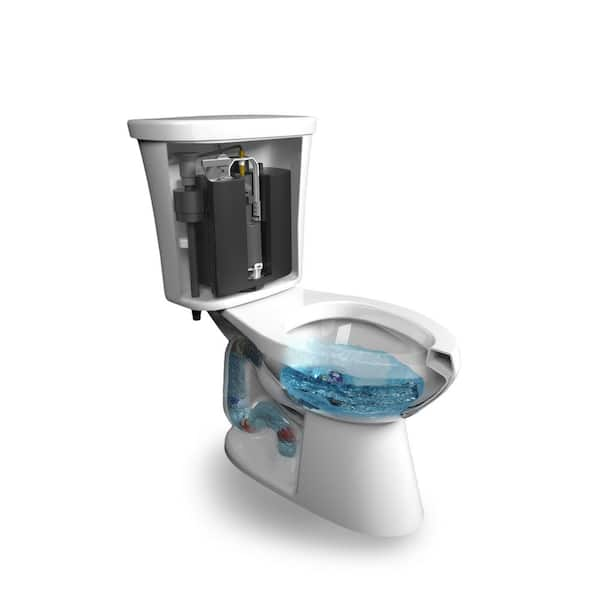
Credit: www.homedepot.com
Common Glacier Bay Toilet Issues
Glacier Bay toilets are popular for their style and affordability. Yet, some users face common issues. Understanding these problems helps maintain your toilet better. Below are the frequent Glacier Bay toilet problems and their signs.
Running Toilet Problems
A running toilet wastes water and raises bills. It often happens due to a faulty flapper or fill valve. The flapper may not seal well, causing water to leak into the bowl. The fill valve can fail to shut off properly, leading to continuous water flow. Checking these parts regularly prevents this issue.
Dual Flush Malfunctions
Dual flush toilets offer two flush options for water saving. Sometimes, these systems stop working properly. The buttons can stick or fail to trigger the flush valve. Internal parts may break or wear out, causing one flush option to not work. Simple adjustments or part replacement often fix these malfunctions.
Tank Wobbling And Leaks
A loose or wobbling tank causes leaks and damage. It usually results from loose bolts or uneven floor surfaces. Water may leak where the tank meets the bowl or from the tank bolts. Tightening bolts carefully and checking the floor level helps stabilize the tank and stop leaks.
Slow Or Incomplete Flushes
Slow or weak flushes can cause clogs and require multiple flushes. This problem often stems from low water levels in the tank or partial blockages in the trapway. Mineral build-up inside the toilet parts can also reduce flushing power. Cleaning or adjusting the water level improves flushing performance.
Quick Fixes For Running Toilets
A running toilet wastes water and can raise utility bills fast. Fixing this issue quickly saves money and prevents damage. Many running toilets have simple problems that you can solve at home. Below are easy steps to stop a Glacier Bay toilet from running.
Adjusting The Flapper
The flapper controls water flow from the tank to the bowl. If it is loose or worn, water keeps leaking. Lift the tank lid and check the flapper’s seal. Adjust the chain length so the flapper closes fully. Replace the flapper if it looks cracked or warped. A tight seal stops water from running.
Replacing The Fill Valve
The fill valve refills the tank after each flush. A faulty valve lets water run continuously. Turn off the water supply and drain the tank. Unscrew the old fill valve and install a new one. Adjust the float height to control water level. A new valve prevents constant water flow.
Checking The Flush Handle
The flush handle may stick or not return to place. This keeps the flapper open. Tighten the handle nut if it is loose. Check the chain connection between the handle and flapper. Shorten or lengthen the chain to allow free movement. Fixing the handle stops water from running.
Resolving Dual Flush Button Issues
Dual flush buttons on Glacier Bay toilets offer water-saving benefits but can cause common problems. These issues often disrupt flushing efficiency and user convenience. Fixing them restores proper function and reduces water waste.
Simple troubleshooting can solve most problems without professional help. Focus on cleaning, adjusting, or replacing parts to get the flush working smoothly again.
Unsticking The Buttons
Buttons may stick due to dirt or mineral buildup inside the tank. Remove the tank lid carefully and check around the buttons. Use a soft cloth and mild cleaner to wipe the button area. Press the buttons several times to loosen any debris. Avoid harsh chemicals that can damage plastic parts.
If the buttons remain stuck, check the linkage connecting the buttons to the flush valve. Adjust or realign the linkage for smooth movement. Lubricate pivot points with a silicone-based lubricant designed for plumbing parts.
Fixing Incomplete Refills
Incomplete refills cause weak flushes and water running issues. Inspect the fill valve inside the tank to ensure it opens fully. Sometimes, debris blocks the valve or the float is misaligned. Clean or replace the valve if necessary.
Adjust the float height to control the water level in the tank. Too low water means weak flush; too high causes overflow. Most fill valves have an adjustment screw or clip for this purpose. Test the flush after each change to find the right level.
Replacing The Dual Flush Mechanism
When cleaning and adjustments fail, replacing the dual flush mechanism is the best option. Purchase a compatible replacement kit from Home Depot or authorized dealers. Turn off the water supply and drain the tank before starting.
Remove the old flush buttons and mechanism carefully. Follow the manufacturer’s instructions for installing the new parts. Ensure all seals and gaskets fit tightly to prevent leaks. Test the flush multiple times to confirm correct installation and smooth operation.
Securing Wobbly Tanks
A wobbly toilet tank can cause leaks and damage to your Glacier Bay toilet. Securing the tank is essential for stable and safe use. Small movements can loosen parts and create water problems. Fixing this issue often involves tightening bolts, replacing gaskets, or leveling the base. These steps help stop wobbling and improve the toilet’s performance.
Tightening Mounting Bolts
Start by checking the bolts that attach the tank to the bowl. Use a wrench to tighten these bolts carefully. Tighten them evenly to avoid cracking the porcelain. Do not over-tighten, as this can cause damage. Tight bolts keep the tank secure and reduce movement.
Replacing Tank-to-bowl Gaskets
Worn or damaged gaskets between the tank and bowl cause instability. Remove the tank and inspect the gasket for cracks or wear. Replace old gaskets with new ones made for Glacier Bay toilets. A fresh gasket creates a tight seal and stabilizes the tank. This step also prevents leaks from the connection point.
Leveling The Toilet Base
A toilet that is not level will wobble more. Check the floor around the toilet for uneven spots. Use shims to level the base if needed. Place the shims under the toilet flange or base to stop rocking. A level toilet base provides a strong foundation for the tank and bowl.
Improving Flush Performance
Improving the flush performance of your Glacier Bay toilet can make a big difference. A strong flush clears waste quickly and reduces clogs. Simple steps can enhance flushing without replacing the whole toilet. Focus on key parts inside the toilet tank and bowl. Regular care ensures better function and longer life.
Cleaning The Trapway
The trapway is the curved channel inside the toilet bowl. It carries waste to the drain. Over time, mineral deposits and debris can block it. A dirty trapway weakens the flush and causes slow draining. Use a toilet brush or a wire hanger to clean it. Vinegar helps dissolve mineral buildup. Keeping the trapway clear improves water flow and flush power.
Checking Flush Valve Size
The flush valve controls water flow from the tank to the bowl. Larger valves let more water pass during a flush. Glacier Bay toilets with small valves may flush weakly. Measure the valve opening size. Consider upgrading to a bigger flush valve if your model allows it. Bigger valves create stronger flushes and reduce leftover waste. This small change improves overall toilet performance.
Upgrading Internal Components
Toilet tanks contain parts like flappers, fill valves, and flush handles. Old or worn parts can cause poor flushing. Replacing the flapper with a high-quality one stops leaks and keeps the flush strong. Modern fill valves refill tanks faster and more quietly. Upgrading these parts is affordable and easy. It boosts flush efficiency and reduces water waste. New components help maintain reliable toilet function.

Credit: www.youtube.com
Seat Replacement Tips
Replacing the toilet seat on a Glacier Bay model improves comfort and usability. A good seat reduces common complaints like discomfort and instability. Follow simple tips to choose, install, and maintain the seat. This keeps your toilet functional and pleasant to use.
Choosing Comfortable Seats
Select a seat with soft, durable materials. Plastic seats are common but consider cushioned options for extra comfort. Check the shape—round or elongated—to fit your toilet bowl perfectly. Measure before buying to avoid mistakes. Comfort affects daily use, so pick wisely.
Installing Aftermarket Seats
Remove the old seat by loosening bolts underneath. Clean the surface before placing the new seat. Align the seat holes with the bowl holes carefully. Tighten bolts firmly but avoid overtightening to prevent cracking. Test the seat for stability before regular use.
Maintaining Seat Stability
Check bolts regularly to keep the seat from wobbling. Tighten loose bolts promptly using a screwdriver or wrench. Avoid harsh cleaners that can weaken seat materials. Replace worn or broken bolts with compatible parts. Stable seats improve safety and comfort.
Preventive Maintenance
Preventive maintenance keeps your Glacier Bay toilet working well longer. Small care steps stop many common problems. It saves money and avoids frustration. Consistent attention to cleaning and parts inspection helps maintain performance. Follow simple routines to prevent leaks, clogs, and running tanks.
Regular Cleaning Routines
Clean the toilet bowl at least once a week. Use a gentle cleaner to avoid damage. Wipe the seat and outside surfaces daily. Remove mineral buildup around the rim and flush holes. Clean the tank interior every few months to reduce sediment. Regular cleaning prevents stains and blockages.
Inspecting Internal Parts
Check the flapper valve for cracks or wear monthly. Test the fill valve to ensure proper water level. Look for leaks or water pooling near the base. Replace any worn or broken parts immediately. Keep the flush handle and chain free of rust. Inspecting parts early avoids costly repairs later.
Avoiding Common Pitfalls
Do not use harsh chemical cleaners inside the tank. Avoid dropping heavy objects on the toilet seat. Don’t ignore slow flushes or strange noises. Avoid flushing non-flushable items to prevent clogs. Tighten bolts gently to prevent cracking the porcelain. Careful use and attention reduce Glacier Bay toilet problems.
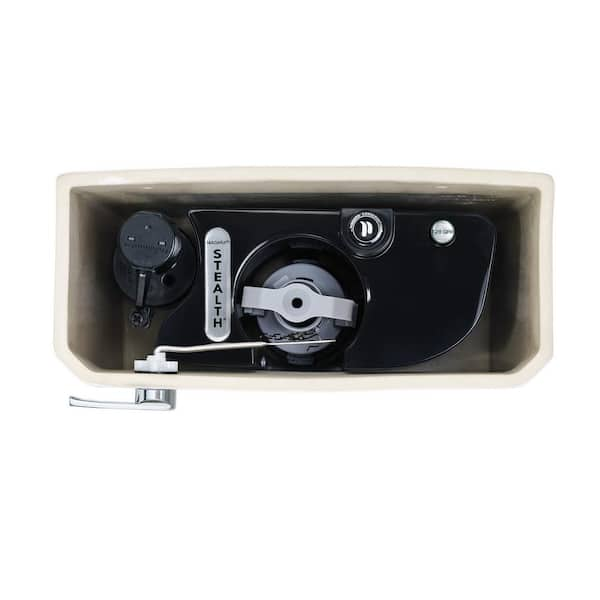
Credit: www.homedepot.com
When To Call A Professional
Knowing when to call a professional for Glacier Bay toilet problems can save time and reduce frustration. Simple fixes might be easy to handle at home. But some issues require expert attention to avoid damage or costly repairs. Understanding the signs helps you decide the right moment to get help.
Complex Repairs
Some toilet problems involve complex parts or systems. Issues like faulty flush mechanisms or broken internal components can be tricky. A professional plumber has the tools and skills to diagnose and fix these problems. Attempting complex repairs alone may cause more damage.
Persistent Leaks
Leaks that continue despite your efforts need a plumber’s assessment. Persistent leaks waste water and increase bills. They can also damage flooring and walls over time. Professionals can locate hidden leaks and fix them properly to prevent further issues.
Replacing Major Components
Replacing parts like the tank, bowl, or flush valve needs experience. These components must fit and work correctly for the toilet to function well. A professional ensures the right parts are used and installed safely. This prevents future problems and ensures long-term performance.
Frequently Asked Questions
Is Glacier Bay A Good Brand For Toilets?
Glacier Bay toilets offer affordable prices, sleek designs, and strong flush performance. Installation is easy for DIYers. Some users report cheap seats, wobbly tanks, and durability concerns. Overall, they provide good value but may not suit long-term heavy use.
What’s The Warranty On A Glacier Bay Toilet?
Glacier Bay toilets come with a limited lifetime warranty on the tank and bowl. Other parts have a one-year warranty.
Why Does The Fill Valve Keep Running In Glacier Bay?
The Glacier Bay fill valve keeps running due to a worn flapper, misaligned float, or debris in the valve. Adjust or replace parts to fix it.
What Is The Common Problem With Dual Flush Toilets?
The common problem with dual flush toilets is frequent leaking or running due to faulty flush valves or seals. This causes water waste and higher bills. Users often report button malfunctions or inconsistent flush performance, requiring regular adjustments or repairs to maintain efficiency and prevent leaks.
What Common Problems Occur With Glacier Bay Toilets?
Leaks, running water, slow filling, and loose tanks are common Glacier Bay toilet issues.
Conclusion
Glacier Bay toilets offer good value but can have common issues. Problems like leaks, running water, or seat discomfort occur often. Simple fixes usually solve most troubles without expert help. Regular checks help keep your toilet working smoothly. Choosing the right model reduces the chance of problems later.
Understanding these issues prepares you for quick repairs. This keeps your bathroom clean and functioning well. Stay informed to avoid frustration and extra costs.