
Is your gas stove refusing to light just when you need it most? It’s frustrating, isn’t it?
You turn the knob, hear the click, but nothing happens. No flame, no heat, no cooking. Before you panic or call for expensive repairs, there are simple steps you can take to fix this common problem yourself. You’ll discover easy, practical tips to get your gas stove burning again quickly and safely.
Keep reading, because by the end, you’ll know exactly how to troubleshoot and solve the “gas stove won’t light” issue with confidence.
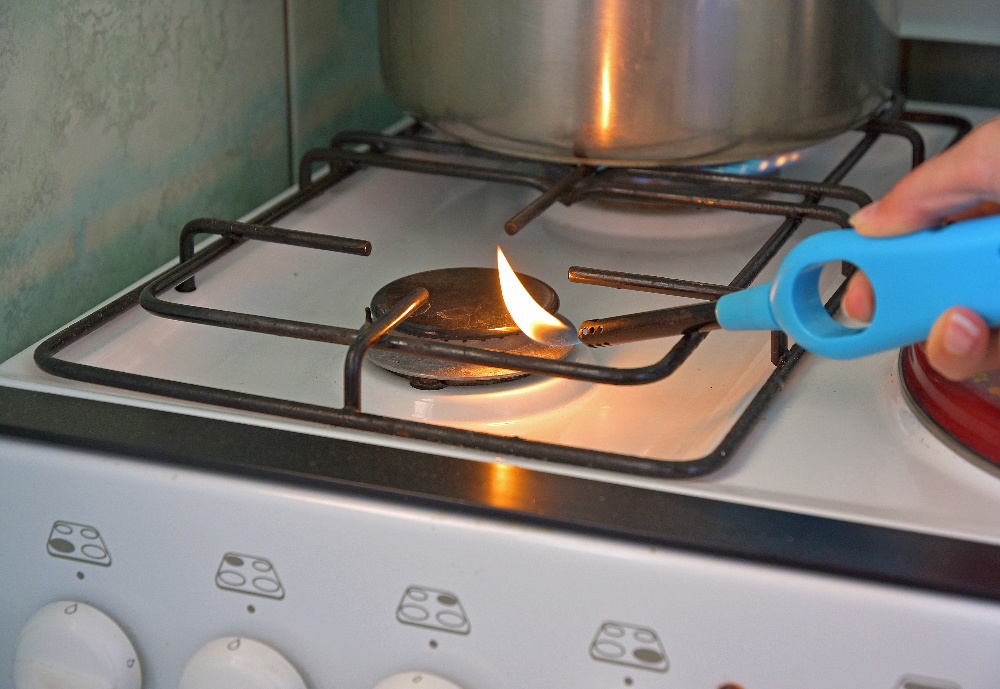
Credit: blog.puls.com
Common Causes
Gas stoves not lighting can cause frustration in the kitchen. Several common issues cause this problem. Knowing these helps fix the stove quickly and safely. Below are the main causes to check first.
Obstructions And Debris
Dirt, food crumbs, or grease can block the burner holes. This stops gas from flowing properly. Blocked holes prevent the flame from igniting. Removing the burner grate and cap helps reveal any debris. Cleaning with a brush or cloth clears the blockages. Keep the burner area clean to avoid this issue.
Misaligned Burner Cap
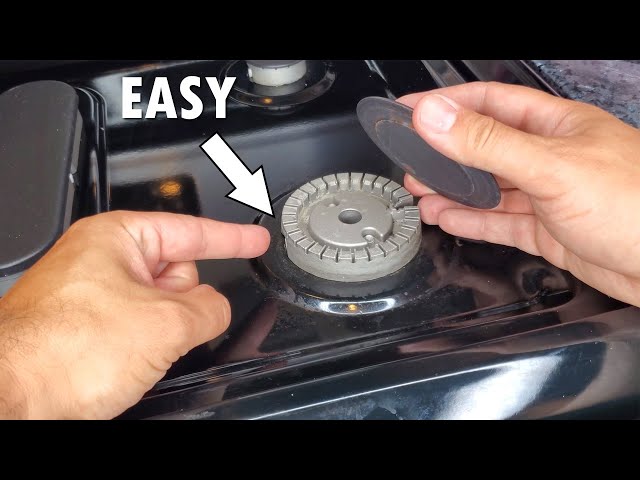
The burner cap must sit correctly on the burner base. If it shifts or is off-center, the gas flow changes. This misalignment stops the stove from lighting. Always place the burner cap carefully after cleaning. Make sure it fits snugly and evenly for proper gas release.
Dirty Igniter
The igniter creates the spark that lights the gas. Over time, it collects dirt and grime. A dirty igniter may fail to spark or spark weakly. Gently clean the igniter with a small wire brush or a soft cloth. Avoid damaging the igniter tip during cleaning. A clean igniter improves the chance of lighting the stove.
Gas Supply Issues
Sometimes the problem is the gas supply itself. The gas valve might be turned off or partly closed. Check the gas line connection for leaks or blockages. A weak or no gas flow stops the stove from lighting. If you smell gas or suspect a leak, turn off the gas immediately. Contact a professional technician for safety and repairs.

Credit: www.familyhandyman.com
Basic Cleaning Steps
Basic cleaning can often fix a gas stove that won’t light. Dirt and food debris block gas flow or spark ignition. Regular cleaning keeps burners working well and safe to use. Follow these simple steps to clean your stove and improve its performance.
Remove Burner Components
Start by turning off the gas supply to the stove. Remove the burner grate and the burner cap carefully. Take off the burner base if it is removable. Handle parts gently to avoid damage. Place the components on a clean surface for cleaning.
Clear Food Residue
Use a soft brush or cloth to wipe away crumbs and spills. Clean inside the burner holes with a toothpick or a small wire. Avoid pushing debris deeper into the holes. Remove grease and sticky spots with warm soapy water. Rinse and dry all parts thoroughly before reassembling.
Align Burner Cap Properly
Place the burner cap back on the burner base carefully. Make sure it fits snugly and sits flat. Misaligned caps block gas flow and prevent ignition. Check that the cap does not wobble or move easily. Proper alignment helps the stove light quickly and burn evenly.
Deep Cleaning Techniques
Deep cleaning your gas stove can solve many lighting problems. Dirt, grease, and food particles block gas flow or spark ignition. Careful cleaning restores normal function and safety. Follow simple steps to clean key parts thoroughly.
Unclog Burner Ports
Remove the burner cap carefully. Use a toothpick or small wire to clear each burner hole. Food and grease often block these tiny ports. Clean them gently to avoid damage. Clear ports allow gas to flow evenly for ignition.
Scrub The Igniter
Inspect the igniter for black or gray buildup. This carbon layer can stop the spark from working. Use a soft wire brush to clean the igniter tip. Scrub gently until it looks shiny. Clean igniters create a strong spark needed to light gas.
Ensure Complete Drying
After cleaning, dry all parts completely. Moisture can stop the igniter from sparking. Use a dry cloth or let parts air dry. Only reassemble once everything is dry. This prevents ignition failure and keeps the stove safe to use.
Quick Ignition Tips
Quick ignition tips can help fix your gas stove fast. Small issues often stop the stove from lighting. Simple steps can get your burner working again. This saves time and avoids frustration in the kitchen.
Blow Gently To Ignite
Try blowing gently near the burner. This can help move any trapped gas. Sometimes, gas flow is weak or blocked. A soft blow may clear small obstructions. It also helps the gas mix with air for ignition. Do not blow hard. Just a gentle puff is enough to assist lighting.
Check For Clicking Sound
Listen for the clicking sound when you turn the knob. This sound means the igniter is sparking. No click means no spark, so the stove won’t light. Check if the igniter is dirty or wet. Clean and dry it carefully to restore the spark. If you hear clicking but no flame, gas flow could be the problem.
Troubleshooting Electrical Issues
Electrical problems often cause a gas stove not to light. These issues can stop the igniter from sparking. Checking the electrical parts helps find the cause quickly. Simple fixes may restore your stove’s function. Take safety steps before starting any checks.
Inspect Igniter Wiring
Look closely at the igniter wiring. Wires can wear out or break over time. Check for cuts, burns, or loose ends. Damaged wires stop the spark needed to light the gas. Use a flashlight for a better view. Do not touch wires with wet hands. Replace or repair any faulty wiring carefully.
Secure Loose Connections
Loose connections cause power loss to the igniter. Find all wire connectors under the stove top. Gently push or twist to tighten them. Sometimes, just securing a loose wire restores the spark. Make sure all connections are clean and dry. Avoid forcing connectors, which can cause damage.
Credit: www.youtube.com
Gas Leak Safety
Gas leak safety is critical when dealing with a gas stove that won’t light. Gas leaks can cause fires or explosions. Knowing how to detect and respond quickly protects you and your home.
Detecting Gas Smell
A strong, rotten egg or sulfur smell signals a gas leak. This odor is added to natural gas to make leaks easy to detect. Never ignore this smell. Leave the area immediately and avoid using electrical switches or open flames.
Shut Off Gas Supply
Turn off the main gas valve right away. This stops gas flow and lowers the risk of fire or explosion. The valve is usually near the gas meter. Use a wrench if needed to close it tightly.
Ventilate The Area
Open windows and doors to let fresh air in. Ventilation helps remove gas from the room. Do not turn on fans or electrical devices as they can cause sparks. Wait until the area is fully aired out before returning.
When To Call A Professional
Knowing when to call a professional for a gas stove that won’t light is important. Some problems need expert help for safety and proper repair. Do not ignore signs that your stove may have a deeper issue. Acting early can prevent accidents and costly damage.
Persistent Ignition Problems
If your stove clicks but does not light after cleaning, call a pro. Persistent ignition problems could mean a faulty igniter or electrical issue. Experts have tools to diagnose and fix these safely. Trying to fix electrical parts without skill can be dangerous.
Suspected Gas Leaks
Smelling gas or hearing a hissing sound near your stove is serious. Turn off the gas supply immediately and leave the area. Contact a professional to inspect and repair any leaks. Gas leaks pose health risks and can cause fires or explosions.
Complex Repairs
Some stove problems involve complicated parts like valves or gas lines. If repairs go beyond cleaning or simple fixes, hire a technician. Professionals know how to handle complex repairs safely and efficiently. Avoid DIY attempts that may worsen the issue or void warranties.
Frequently Asked Questions
What Do You Do When Your Gas Stove Won’t Light?
Check the burner cap is aligned and clean the burner holes and igniter. Remove debris or blockages. Ensure the igniter sparks. If still unlit, inspect wiring. Smell gas? Turn off supply and call a professional immediately.
Why Is My Gas Stove Clicking But Not Igniting?
Your gas stove clicks but won’t ignite due to clogged burner holes, misaligned burner cap, dirty igniter, or loose wiring. Clean burner ports, align the cap, and dry the igniter. Check for gas supply issues. Call a professional if problems persist or you smell gas.
How Do You Unblock A Gas Stove Burner?
Remove the burner grate and cap. Clean burner holes with a toothpick. Wipe igniter gently. Ensure the burner cap sits correctly. Dry all parts before reassembling. Test the burner. Call a professional if it still won’t light or you detect gas smell.
How Do You Reset A Gas Stove?
Turn off the stove and gas supply. Remove burner parts and clean debris and burner holes. Ensure the burner cap fits correctly. Dry all parts before reassembling. Turn gas and stove back on. If it still won’t light, check wiring or call a professional.
Why Won’t My Gas Stove Burner Light At All?
The burner may be clogged, misaligned, or the igniter could be dirty or broken.
Conclusion
A gas stove that won’t light can be frustrating. Simple cleaning often solves the problem. Check the burner cap and clear any blockages carefully. Make sure the igniter is clean and dry before trying again. Loose wires might also cause issues.
Smelling gas means turn off the supply immediately. Safety comes first. When problems continue, calling a professional is the safest choice. Regular maintenance keeps your stove working well. Small steps can save time and money. Stay safe and enjoy cooking without interruption.