
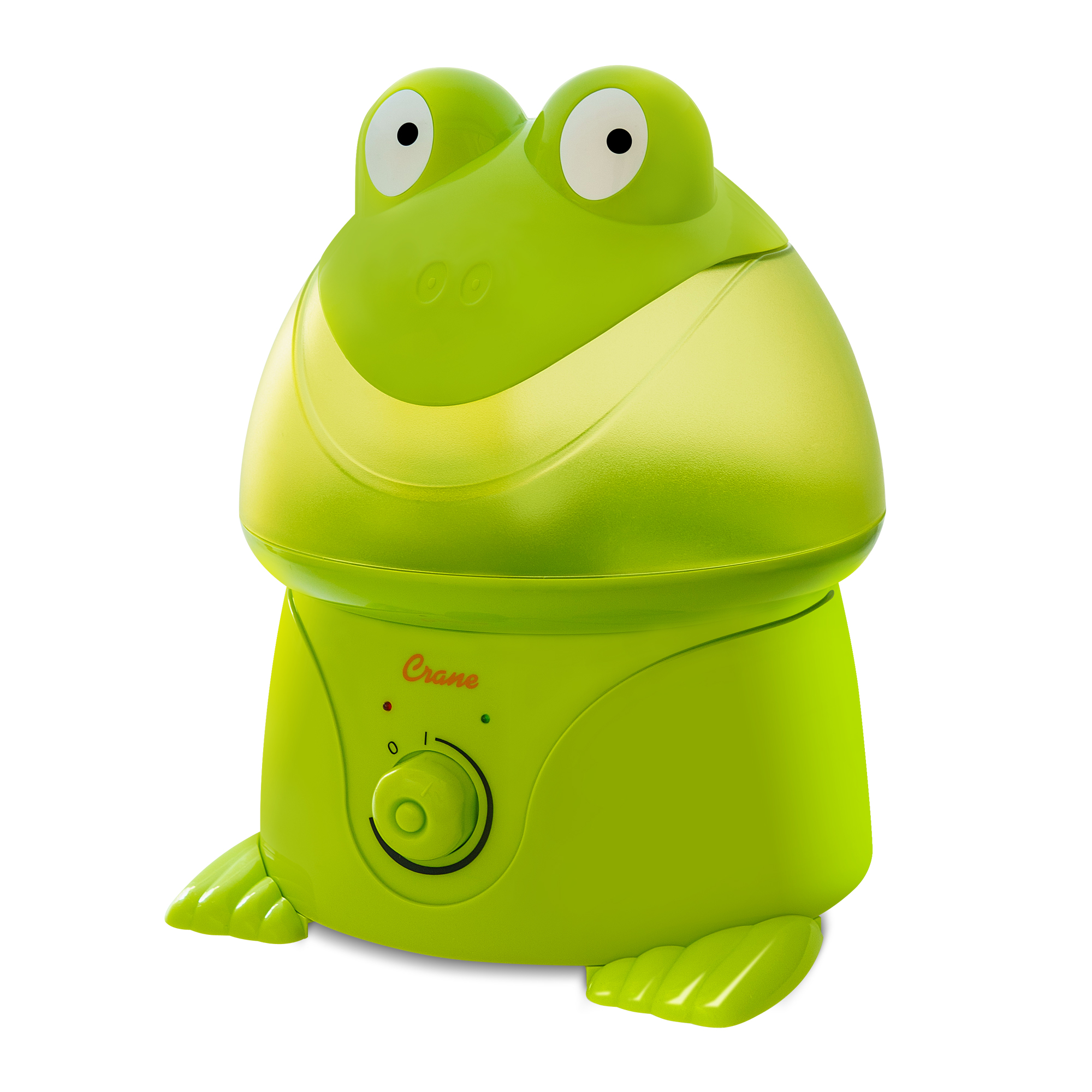
A frog humidifier can be a lifesaver, especially in dry seasons or for people with allergies. This cute, child-friendly device makes the air moist and comfortable. But what if your frog humidifier stops working? Suddenly, the room feels dry again, and you might worry about dust, allergies, or even your child’s sleep. This situation is frustrating and confusing. You may wonder, “Why did it stop?” or “Can I fix it myself?”
If you’re facing this problem, you’re not alone. Many users experience issues with frog humidifiers. The good news is, most problems have simple solutions. You don’t need to be an expert or call a technician right away. With the right steps, you can often get your humidifier working again in minutes.
In this article, you’ll learn how to troubleshoot your frog humidifier step by step. We’ll cover common reasons why it stops working, how to fix them, and what you can do to prevent future problems. You’ll also find helpful tables, practical tips, and answers to the most asked questions.
Whether you are a first-time humidifier user or someone who wants to avoid buying a new device, this guide is for you.
Understanding Your Frog Humidifier
Before you start fixing, it’s important to know how a frog humidifier works. Most frog humidifiers are cool mist ultrasonic humidifiers. They use a small metal plate that vibrates at high speed, turning water into tiny droplets. These droplets are released into the air, making your room feel more comfortable.
Here are the main parts you’ll find inside:
- Water tank: Holds the water you pour in.
- Base unit: Contains the ultrasonic plate, fan, and electronics.
- Mist outlet: Where the cool mist comes out (usually from the frog’s “mouth”).
- Power cord and control knob: Lets you turn the device on or off and adjust mist level.
If one part fails, the whole device might stop working or work poorly. That’s why checking each part is so important.
Common Reasons Your Frog Humidifier Is Not Working
Many things can cause a humidifier to stop working. Here are the most common issues people face:
- No power: The device does not turn on at all.
- No mist coming out: The lights are on, but there’s no visible mist.
- Weak mist: The mist is much less than before.
- Water is not decreasing: The water level stays the same, even after hours.
- Noise or unusual sounds: The device makes loud or strange noises.
- Leaking water: Water is coming out from places it shouldn’t.
- Bad smell: The mist smells musty or unpleasant.
Let’s look at each problem in detail, with solutions you can try at home.
Troubleshooting Steps For A Frog Humidifier Not Working
1. Check The Power Supply
Many humidifier issues start with power problems. Before opening the device, check these basics:
- Make sure the power cord is firmly plugged into both the wall socket and the humidifier.
- Try another electrical outlet. Sometimes, outlets stop working or have loose connections.
- Check if other devices work in the same outlet.
- If your model has a power indicator light, see if it turns on.
If you still have no power, inspect the power cord for damage. Frayed or exposed wires can be dangerous and stop the device from working.
2. Inspect The Water Tank
A dry water tank is a common reason for no mist. Modern frog humidifiers have a safety feature that shuts off the device when the tank is empty.
- Remove the tank and check the water level.
- Fill the tank with clean, cool water (not hot or distilled, unless the manual says so).
- Make sure the tank is seated correctly on the base. If the tank is not in place, the device may not start.
Sometimes, the tank cap or valve can become loose or blocked. Check for cracks, misalignment, or debris around the tank opening.
3. Clean The Ultrasonic Plate
The ultrasonic plate is the heart of your humidifier. If it’s dirty or coated with mineral deposits, mist output drops.
- Unplug the device and remove the water tank.
- Find the small metal plate in the base.
- Wipe it gently with a soft cloth or cotton swab. If you see white or brown buildup, use a little vinegar on the cloth to dissolve it.
- Rinse with water and dry before reassembling.
Never scrape the plate with hard objects. This can damage the delicate surface.
4. Look For Air Blockages
If the mist is weak or not coming out, there might be a blockage.
- Check the mist outlet for dust, hair, or small objects.
- Clean the outlet with a dry brush or compressed air.
- Make sure the humidifier is not placed against a wall or curtain, which can block airflow.
5. Examine The Float And Sensors
Most frog humidifiers have a float or water level sensor. If it gets stuck, the humidifier may think the tank is empty—even when it’s full.
- Look for a small plastic float inside the base. It should move up and down freely.
- If the float is stuck, clean around it and gently move it with your finger.
- Wipe sensors with a dry cloth to remove any water spots or dust.
6. Check For Leaks
Leaking water can damage electronics or cause the device to shut off.
- Remove the tank and inspect for cracks, especially around the cap and seams.
- Look for water under the device after running it.
- If you see leaks, replace the tank if possible.
Never use a cracked or leaking tank, as it can cause electric shock.
7. Clean The Whole Device
A dirty humidifier often stops working well. Mold, bacteria, and minerals can clog parts.
- Empty the water tank and base.
- Fill the tank with a mixture of 1 part white vinegar to 3 parts water.
- Let it soak for 30 minutes.
- Rinse well and dry.
- Wipe the base and mist outlet with a damp cloth.
Do this at least once a week to keep your humidifier working well and your air healthy.
8. Test The Control Knob
The control knob can wear out or get stuck.
- Turn the knob from “off” to “max” and back several times.
- If it feels loose or does not “click,” it may be broken.
- Some models allow you to replace the knob. If not, you may need a new unit.
9. Listen For Unusual Sounds
Humming, rattling, or loud noises can signal problems.
- Humming usually means the device is working but air or mist is blocked.
- Rattling can mean loose parts or debris inside.
- Loud buzzing can mean the ultrasonic plate is dirty or damaged.
Always unplug the device before inspecting inside.
10. Review The User Manual
Each frog humidifier model is a little different. Your manual often has troubleshooting steps specific to your device. If you lost the manual, search for the model number online.
Comparison: Frog Humidifier Problems Vs. Other Humidifiers
Understanding how frog humidifiers differ from other types can help you troubleshoot better. Here’s a comparison of common issues:
| Problem | Frog Humidifier (Ultrasonic) | Evaporative Humidifier | Warm Mist Humidifier |
|---|---|---|---|
| No Mist Output | Dirty ultrasonic plate, sensor issues | Clogged filter, fan issue | Heating element not working |
| Leaking Water | Cracked tank, loose cap | Overflow, filter overflow | Boiling over, loose seals |
| Bad Smell | Dirty tank, mold | Dirty wick, stagnant water | Burnt residue, dirty tank |
As you can see, ultrasonic humidifiers like the frog model have unique issues. Their main weak points are the ultrasonic plate and sensors, while other types may have filter or heating issues.

Credit: www.histamineintolerance.org.uk
Advanced Troubleshooting Tips
If basic steps don’t fix your humidifier, try these advanced tips. Sometimes, the issue is not obvious.
A. Test The Power Adapter And Fuse
Some models use an external adapter or have a fuse inside.
- Try a different adapter with the same voltage and polarity.
- Check for a blown fuse (look for a small glass tube inside the base).
- Replace with the same type if needed.
B. Inspect The Fan
The fan moves mist out of the device. If it fails, mist will not leave the unit.
- Listen for fan noise when the device is on.
- If silent, the fan may be stuck or broken.
- Dust and hair can block small fans. Clean gently.
C. Check For Electrical Problems
Loose wires or corroded connectors can stop the humidifier.
- Unplug and open the base (if safe and you are comfortable).
- Look for loose wires or green corrosion.
- Tighten and clean with care.
D. Reset The Device
Some modern frog humidifiers have a reset button or need to be unplugged for a few minutes to reset the sensors.
- Unplug for 10-15 minutes, then try again.
- Press the reset button if your model has one.
E. Look For Manufacturer Recalls
Sometimes, a whole batch of humidifiers has a defect. Search online for your model and “recall” or “known issues. ” If there’s a recall, you may get a free replacement.
When To Replace Your Frog Humidifier
No device lasts forever. If your humidifier is over 3 years old or has repeated problems, replacement may be better than repair.
Replace if:
- The ultrasonic plate is corroded or damaged.
- The water tank is cracked and cannot be sealed.
- The control knob or electronics are broken.
- Mold keeps coming back, even after cleaning.
A new humidifier is usually safer and may work better with less energy.
Preventing Future Problems
To avoid your frog humidifier breaking again, follow these tips:
- Use clean, room-temperature water. Distilled water is best if you have hard tap water.
- Change the water daily. Never let water sit for days.
- Clean the device weekly. This prevents mold and mineral buildup.
- Keep the device on a flat, stable surface. Avoid edges or wobbly tables.
- Do not overfill the tank. Follow the max fill line.
- Keep out of direct sunlight. Sunlight can cause algae to grow.
- Store dry when not in use. Empty and dry before putting away for the season.
These habits will help your humidifier last longer and keep your air healthier.
Cost Of Repair Vs. Replacement
Many users wonder if it’s worth fixing a broken humidifier. Here’s a quick cost comparison:
| Issue | DIY Repair Cost | Replacement Cost | Recommended Option |
|---|---|---|---|
| Dirty ultrasonic plate | $0 (vinegar, cloth) | $35-$50 | Repair |
| Cracked water tank | $0-$20 (new tank) | $35-$50 | Repair if tank available |
| Broken power cord | $5-$10 | $35-$50 | Repair |
| Corroded electronics | $30+ (difficult DIY) | $35-$50 | Replace |
Most simple issues are cheap to fix. Complex electronic problems usually mean it’s time for a new device.
What Beginners Often Miss
It’s easy to overlook these two points:
- Water quality matters: Hard water (full of minerals) can quickly coat the ultrasonic plate and sensors, causing issues. Using filtered or distilled water can prevent many problems before they start.
- Placement is important: Putting your humidifier too close to a wall or on a soft surface blocks airflow. Always place it in an open area for the best performance.
Real-world Example
Lisa, a mother of two, noticed her frog humidifier stopped making mist after a month. She tried refilling the water, but nothing changed. After reading her manual, she cleaned the ultrasonic plate with vinegar. The mist returned within minutes. Lisa now cleans her humidifier every week and uses filtered water.
She has not had a problem since.
Safety Tips
- Always unplug before cleaning or opening.
- Never use the device with a cracked tank or exposed wires.
- Keep out of reach of small children. Even though the frog design looks friendly, the inside contains electronics and water.
When To Call For Help
If you’ve tried all the steps and your humidifier still doesn’t work, it may be time for expert help. Contact the manufacturer or a qualified repair center. Give them your model number and a clear description of the problem.
Credit: crane-usa.com
Useful Resource
For detailed guides on humidifier care and troubleshooting, you can visit the official EPA Humidifier Safety Page.
Frequently Asked Questions
Why Is My Frog Humidifier Not Making Mist Even Though The Light Is On?
This usually means the ultrasonic plate is dirty or coated with minerals. Clean it with vinegar and a soft cloth. If the problem continues, check for sensor or float issues.
Can I Use Essential Oils In My Frog Humidifier?
Most frog humidifiers are not designed for essential oils. Oils can damage the ultrasonic plate and plastic parts. Always read the manual. If you want to use oils, buy a device made for them.
How Often Should I Clean My Frog Humidifier?
Clean your humidifier once a week with vinegar and water. If you use it daily or have hard water, clean more often. Always empty and dry before storage.
Is It Safe To Use Tap Water In My Frog Humidifier?
Tap water is safe, but filtered or distilled water is better. Tap water contains minerals that can build up and reduce performance. If you see white dust around the device, switch to distilled water.
My Frog Humidifier Smells Bad. What Should I Do?
A bad smell means mold or bacteria is growing inside. Clean all parts with vinegar and let them dry. Change the water daily. If the smell remains, check for hidden mold under seals or in the tank.
Conclusion
A working frog humidifier can make your home more comfortable and healthy. With these steps, you can solve most problems yourself and avoid buying a new device too soon. Remember, regular cleaning and good habits keep your frog humidifier running smoothly for years.

Credit: www.gemefindustries.com