
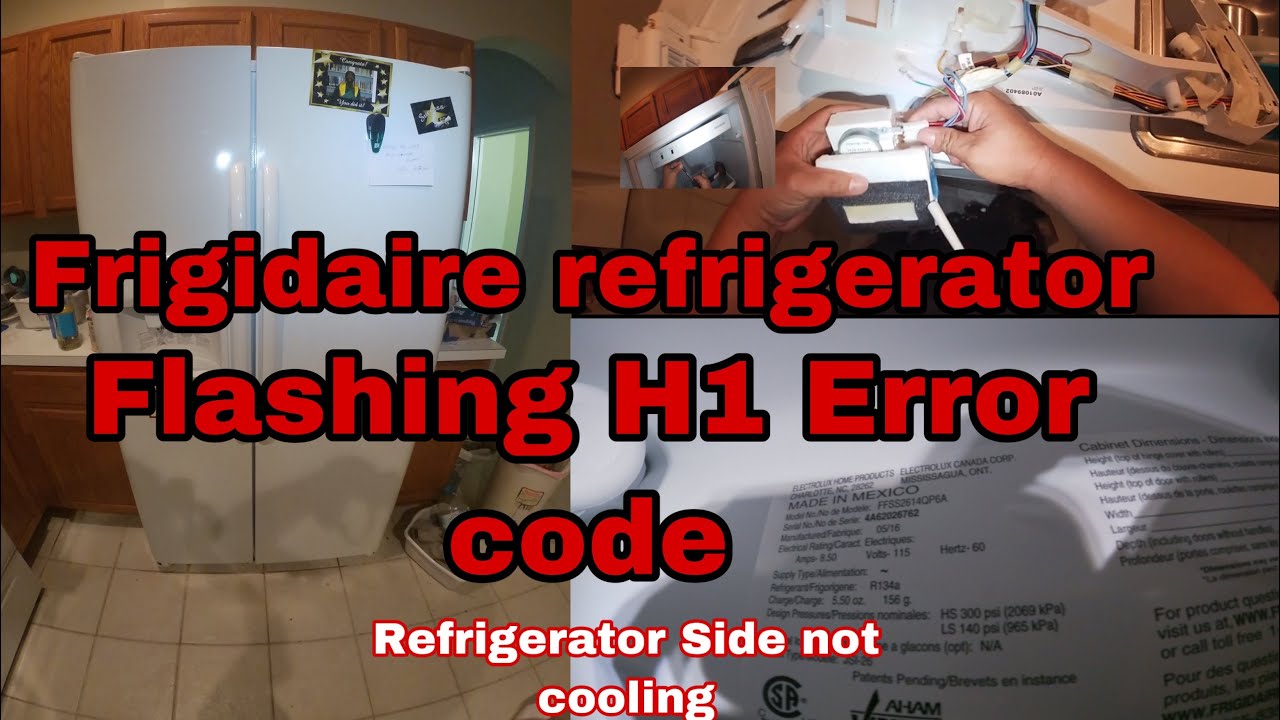
Is your Frigidaire refrigerator flashing an H1 code? If so, you’re likely wondering what it means and how to fix it before your food spoils.
That blinking H1 is a clear signal your fridge is facing a temperature problem that needs your attention. But don’t worry—understanding this error code is simpler than you think. You’ll learn exactly what the H1 code means, common causes behind it, and easy steps you can take to troubleshoot the issue yourself.
Keep reading to protect your groceries and get your refrigerator running smoothly again.
Credit: www.youtube.com
High Temp Alarm Causes
The Frigidaire refrigerator’s High Temp Alarm signals a rise in internal temperature. This alert helps prevent food spoilage by warning users early. Several issues can cause this alarm to activate. Understanding these causes can help diagnose and fix problems quickly.
Below are common reasons for the High Temp Alarm and how each affects your fridge’s performance.
Door Seal Issues
A damaged or dirty door seal lets warm air enter the fridge. The refrigerator works harder to cool down, raising the temperature inside. Check if the door closes fully and the gasket is clean. Replace the seal if it is cracked or torn.
Air Damper Problems
The air damper controls cold air flow from the freezer to the refrigerator. A stuck or blocked damper reduces airflow, causing the fridge to warm up. This issue triggers the High Temp Alarm. Inspect the damper and clear any obstructions. Replace it if faulty.
Faulty Thermistor
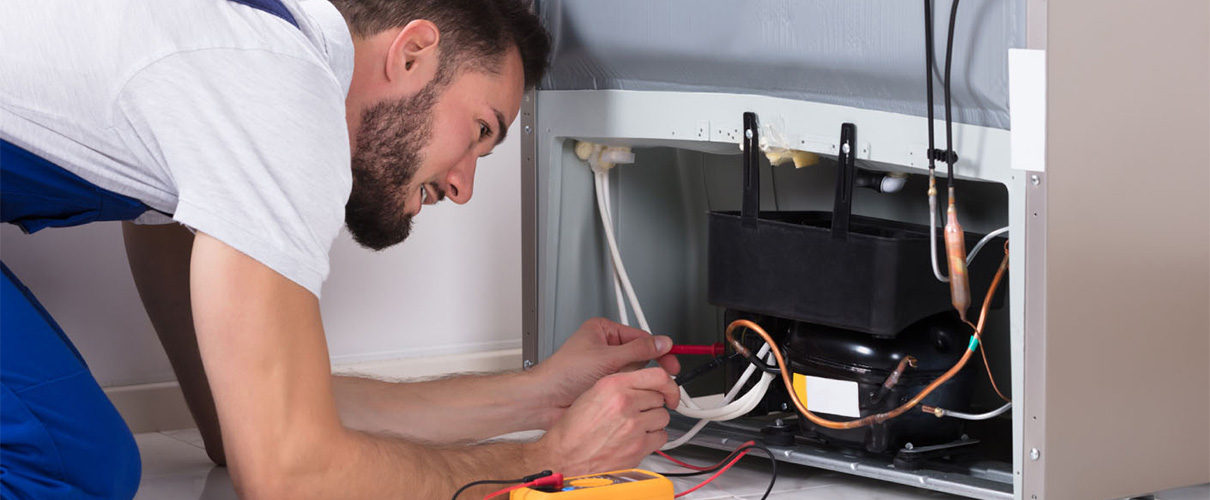
The thermistor measures the fridge’s temperature and sends data to the control board. A broken thermistor gives wrong readings, causing the alarm to sound. Test the thermistor with a multimeter and replace it if it shows errors.
Control Board Malfunctions
The control board manages temperature settings and sensor inputs. A malfunction can cause false alarms or improper cooling. Resetting the fridge may help temporarily. Persistent issues require a professional to diagnose and repair or replace the board.
Ice Buildup Effects
Ice can build up near the defrost sensor or vents. This buildup blocks cold air circulation and confuses temperature sensors. The fridge then triggers the High Temp Alarm. Manually defrost the fridge and clean vents to restore proper airflow.
Credit: appliance-medic.com
Basic Troubleshooting Steps
Basic troubleshooting steps help fix common Frigidaire refrigerator H1 code issues. These simple checks save time and avoid costly repairs. Following each step carefully improves the fridge’s performance and clears error codes. Try these tips before calling a technician.
Check Door Closure And Seals
Ensure the refrigerator door closes fully. A door left open or not sealed tight lets warm air inside. This raises the temperature and triggers the H1 code. Clean the door gaskets to remove dirt or debris. Damaged seals should be replaced to keep cold air inside.
Reset The Refrigerator
Unplug the fridge from power for about five minutes. This resets the electronic controls and can clear error codes. Plug it back in and watch if the H1 code disappears. Resetting often solves temporary glitches in the control board or sensors.
Manual Defrost Process
Ice buildup around sensors causes wrong temperature readings. Turn off the fridge and leave the doors open to melt ice. Use towels to catch water. This manual defrost helps clear frost blocking the defrost sensor. After defrosting, restart the fridge and check for the error code.
Inspect And Clean Vents
Blocked or dirty vents stop cold air from flowing properly. Locate the vents inside the fridge and freezer compartments. Remove dust, dirt, or ice buildup gently using a soft brush or cloth. Clean vents improve airflow and help the fridge maintain the correct temperature.
Replacing Faulty Components
Replacing faulty components in your Frigidaire refrigerator is key to fixing H1 error codes. This error often signals issues with parts that control temperature and airflow. Fixing these parts can restore your fridge’s performance quickly. Understanding which components to replace helps you address the problem without delay.
Common parts that fail include the air damper, thermistor, and control board. Each plays a vital role in keeping your fridge cold and running smoothly. Replacing these parts requires care but can save costly service calls.
Air Damper Replacement
The air damper controls cold air flow from the freezer to the fridge. A faulty or blocked air damper stops proper airflow. This causes uneven temperatures and triggers the H1 code.
To replace the air damper, unplug the fridge first. Remove the cover inside the fridge compartment. Take out the old damper carefully and install the new one. Test the fridge to ensure cold air moves properly.
Thermistor Replacement
The thermistor senses the fridge temperature and sends data to the control board. A broken thermistor sends wrong signals, causing the H1 error. Replacing it restores accurate temperature control.
Locate the thermistor inside the fridge or freezer. Unplug the fridge and disconnect the faulty sensor. Attach the new thermistor to the same connector and place it back securely. Power on the fridge and check if the error clears.
Control Board Repair
The control board manages all fridge functions, including temperature regulation. Damage or faults in the board can cause persistent H1 codes. Repairing or replacing the control board often fixes these issues.
Diagnose the control board visually for burn marks or loose wires. Repair minor damage or replace the board if needed. Reassemble the fridge components and test for proper operation. A working control board ensures stable fridge performance.

Credit: www.youtube.com
When To Call A Technician
Knowing when to call a technician for your Frigidaire refrigerator is important. Some problems need expert help to avoid damage. Simple fixes can be done at home, but complex issues require a professional.
Ignoring serious signs can lead to bigger repairs and higher costs. A technician has the tools and skills to diagnose and fix tricky problems safely and quickly.
Signs Of Complex Issues
Listen for unusual noises that do not stop. Check if the fridge does not cool properly. Error codes that stay on the display also mean trouble. Ice buildup inside can signal a defrost problem. If the door seal looks fine but the fridge is warm, it might be a control board issue. These signs show the problem is beyond simple fixes.
Finding Authorized Repair Services
Use authorized service centers for genuine parts and proper service. Check Frigidaire’s official website for a list of certified technicians. Choose technicians who specialize in your refrigerator model. Verify their credentials and read customer reviews. Authorized technicians follow manufacturer guidelines and protect your warranty. This ensures a reliable and safe repair job.
Preventive Maintenance Tips
Preventive maintenance keeps your Frigidaire refrigerator running smoothly. It helps avoid common problems that cause the H1 error code. Regular care saves you time and money. Follow these simple tips to maintain your fridge’s performance and extend its life.
Regular Door Seal Cleaning
Clean the door seals every month. Use a soft cloth and warm, soapy water. Dirt and debris can stop the door from sealing tightly. A poor seal lets warm air inside. This raises the fridge’s temperature and triggers the H1 code. Check seals for cracks or tears. Replace them if needed to keep the cold air inside.
Avoiding Ice Buildup
Ice buildup can block sensors and vents. This causes wrong temperature readings and the H1 error. Defrost your fridge regularly. Remove ice around the defrost sensor carefully. Use the manual defrost option if your model has one. Keep the freezer at the right temperature. Too cold causes excess ice. Too warm leads to thawing and refreezing.
Routine Vent Inspection
Check vents for blockages once a month. Dust, food crumbs, and ice can clog them. Blocked vents stop cold air from circulating. This causes uneven cooling and may show the H1 code. Use a soft brush or vacuum to clean vents gently. Make sure nothing inside the fridge blocks airflow. Proper airflow keeps the temperature steady.
Frequently Asked Questions
What Does H1 Mean On My Refrigerator?
H1 on your refrigerator indicates a high-temperature error. It means the fridge temperature is too warm, often due to door issues, blocked vents, or a faulty sensor. Check door seals, vents, and reset the fridge. Contact a technician if the error persists.
Why Is My Frigidaire Refrigerator Beeping And Saying Hi?
Your Frigidaire fridge beeps and says “Hi” to signal high temperature or door left open. Check door seals and close fully. Unplug and reset the fridge to clear temporary errors. Persistent issues may involve the air damper, thermistor, or control board; contact a technician.
What Is The Code 1h After Power Outage On A Frigidaire?
Code 1H on a Frigidaire after power outage signals a high-temperature warning. Check door seals, reset the fridge, and inspect the air damper. Persistent issues may need thermistor or control board repair by a professional technician.
What Is The H1 Error On A Thermostat?
The H1 error on a thermostat indicates a high temperature issue, often caused by a faulty thermistor or poor airflow. It signals the thermostat detects temperatures beyond safe limits. Check door seals, air dampers, and sensors to resolve the error or call a technician for repairs.
What Does The Frigidaire H1 Error Code Mean?
The H1 code signals the fridge temperature is too high, often due to airflow or sensor issues.
Conclusion
The Frigidaire refrigerator H1 code signals a temperature issue needing attention. Check the door seal and ensure it closes fully. Unplug the fridge briefly to reset its system. Clear any ice buildup and clean air vents to improve airflow. A faulty air damper or thermistor might cause the error.
If problems continue, seek help from a qualified repair technician. Taking these steps helps keep your fridge running smoothly and your food fresh. Simple care can avoid bigger issues later.