
If you’re relying on your Freightliner’s Optimized Idle feature to keep things running smoothly, nothing’s more frustrating than it suddenly not working. You expect it to save fuel, reduce emissions, and keep your cab comfortable without the engine running nonstop—but when it fails, it throws off your entire routine.
Maybe the engine won’t shut down as it should, or it just won’t start back up when needed. Whatever the case, understanding why your Freightliner Optimized Idle isn’t working is the first step to fixing it fast. You’ll discover simple checks, common issues, and clear solutions that put you back in control—so you can get your truck running efficiently again without guesswork or costly downtime.
Keep reading to find out how to troubleshoot and solve your Optimized Idle problems step by step.
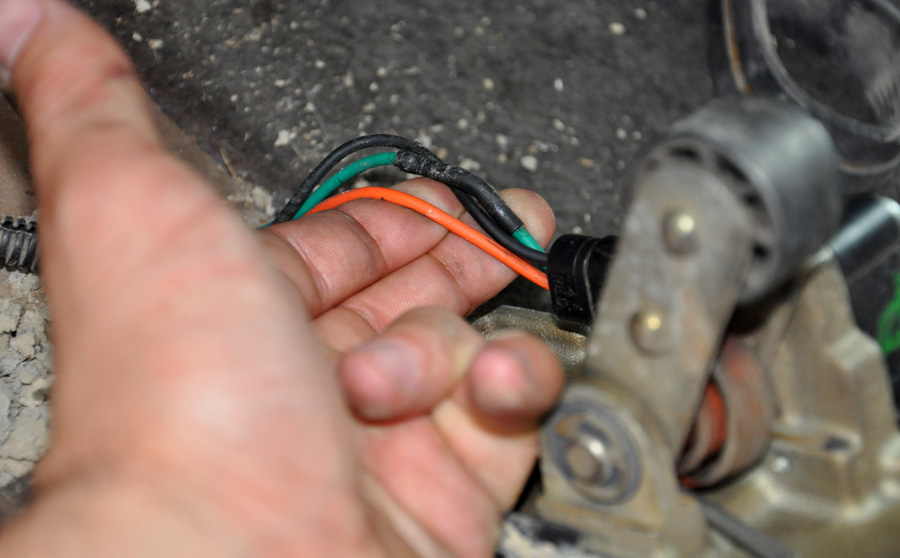
Credit: www.tenfourmagazine.com
Common Causes
Basic troubleshooting helps fix Freightliner Optimized Idle issues fast. It involves checking simple settings and system resets. These steps ensure the feature works as designed. Follow each step carefully for best results.
Check Safety Settings
Optimized Idle only works if safety rules are met. Confirm the parking brake is fully set. Make sure the truck is in neutral gear. Verify the hood is completely closed and latched. These safety checks prevent engine damage and ensure system activation.
Verify Hood And Parking Brake
Hood position affects the idle system’s function. An open hood stops Optimized Idle from starting. Inspect the hood latch for proper closure. The parking brake must be engaged firmly. Loose brakes can disable the idle optimization feature.
Reset System Power
Sometimes, the system needs a reset to fix glitches. Turn off the truck’s ignition completely. Wait for about one minute before restarting. This reset can clear errors or temporary faults. It helps the idle system start fresh and work correctly.
Enable Optimized Idle Properly
Enabling Optimized Idle requires correct steps through the controls. Use the steering wheel menu to find the idle settings. Select “Optimize Idle” and activate it. Set interior comfort options as needed to maintain cab temperature. Follow on-screen prompts carefully to complete activation.
Basic Troubleshooting
Advanced fixes for Freightliner Optimized Idle issues require technical steps. These solutions go beyond basic troubleshooting. They help restore proper idle function effectively. Follow each step carefully to avoid further problems.
These fixes involve software updates, sensor checks, diagnostic tools, and professional help. Applying these methods improves your truck’s idle performance and prevents downtime.
Update Or Reinstall Software
Outdated or corrupted software can cause Optimized Idle to fail. Download the latest software from Freightliner’s official source. Reinstall the system carefully to avoid errors. This update resets the idle settings and fixes bugs. It often solves hidden software glitches quickly.
Inspect And Replace Sensors
Sensors provide vital data to the idle system. Faulty sensors lead to incorrect idle behavior. Check battery voltage sensors, engine temperature sensors, and cab temperature sensors. Replace any sensor showing errors or inconsistent readings. Proper sensor function ensures accurate idle control.
Diagnostic Tool Usage
Use a diagnostic tool to scan the truck’s electronic control module (ECM). The tool reveals error codes and system faults. It helps identify specific issues with the Optimized Idle system. Clear any stored codes after repairs to reset the system. Regular diagnostics prevent future idle problems.
Dealer Intervention
Some issues require expert attention. Visit an authorized Freightliner dealer for advanced repairs. Dealers have specialized tools and knowledge for complex problems. They can update software, replace hard-to-access parts, and perform thorough system checks. Dealer support ensures safe and reliable idle operation.
Advanced Fixes
Setting up optimized idle on a Freightliner can improve fuel efficiency and reduce engine wear. Proper setup ensures the system works smoothly. Follow these tips to avoid common issues and keep your truck running efficiently.
Steering Wheel Controls
Use the steering wheel buttons to access the idle settings. Press the menu button and navigate to the optimized idle option. Confirm your selection by pressing “OK.” This activates the feature and allows further adjustments.
Ensure you complete each step carefully. Incorrect navigation may cause the system not to engage. Practicing these controls helps avoid setup errors.
Interior Comfort Settings
Turn on interior comfort settings like heating or air conditioning during optimized idle. This keeps the cabin comfortable without running the engine continuously. You can toggle this option in the idle menu.
Remember, disabling comfort features might stop the idle system. Keep these settings on if you want the truck to maintain climate control while idling.
Neutral Transmission Requirement
The truck’s transmission must be in neutral to activate optimized idle. This safety step prevents accidental movement. Always check the gear position before enabling the system.
If the truck is not in neutral, the system will not start optimized idle. Double-check this to avoid frustration and save time.

Credit: www.thetruckersreport.com
Optimized Idle Setup Tips
Preventive maintenance keeps your Freightliner’s Optimized Idle system working well. It avoids unexpected breakdowns and costly repairs. Regular care helps your truck run smoothly and saves fuel. Follow simple steps to maintain key parts and systems. This ensures the Optimized Idle feature operates as intended every time.
Regular Fluid Changes
Change engine oil and coolant at set intervals. Clean fluids reduce wear and prevent overheating. Fresh oil keeps engine parts moving smoothly. Coolant stops the engine from getting too hot. Check levels often and top up if low. Use fluids recommended by Freightliner for best results.
Check Electrical Components
Inspect battery connections and wiring regularly. Loose or corroded terminals cause power loss. Test sensors linked to the idle system for faults. Faulty sensors can stop Optimized Idle from working. Replace damaged wires and connectors immediately. Proper electrical health keeps the system reliable.
Fuel System Cleaning
Keep fuel injectors clean for smooth engine running. Dirty injectors cause rough idle and poor fuel efficiency. Use fuel additives designed for diesel engines. These help remove deposits and protect parts. Regular cleaning prevents clogging and maintains good fuel flow.
Hose And Wire Inspection
Check all hoses for cracks, leaks, or wear. Damaged hoses affect engine performance and idle control. Inspect wires for frays or breaks. Replace any parts showing damage or wear signs. Secure loose hoses and wires to avoid future problems. Well-maintained hoses and wires support stable idle function.
Preventive Maintenance
Climate control plays a key role in driver comfort during optimized idle. Problems with heating or cooling can make long stops uncomfortable. Addressing these issues quickly helps maintain a pleasant environment inside the cab.
Several factors affect climate control performance in Freightliner trucks. Understanding how these parts work together aids in troubleshooting. Below are important areas to check when facing climate control problems.
Sleeper Fan Activation
The sleeper fan moves air to regulate temperature while the engine is off. If the fan does not activate, the sleeper area may become too hot or cold. Check the fan switch and fuses first. Ensure the fan is getting power and is not blocked by debris.
Sometimes the fan motor can fail and need replacement. Testing the fan by applying direct power helps identify motor issues. A faulty relay can also prevent activation. Swap the relay with a known good one to test.
Bunk Thermostat Settings
The bunk thermostat controls temperature inside the sleeper area. Incorrect settings can cause climate control to work poorly. Verify the thermostat is set to a comfortable level. Adjust it slowly and wait to see if the temperature changes.
Dirty or stuck thermostats may give false readings. Cleaning or replacing the thermostat can improve accuracy. Wiring problems between the thermostat and control unit also cause trouble. Inspect wires for damage or loose connections.
Cab Heater Troubleshooting
Cab heaters warm the driver’s area during cold stops. If the heater fails, check the heater core and blower motor. A clogged heater core blocks hot coolant flow and reduces heat output. Flushing the cooling system may fix this.
The blower motor pushes warm air through the vents. If it does not run, test the motor and its fuse. The heater control valve regulates coolant flow to the heater core. Ensure the valve opens and closes properly. Faulty valves need replacement.
Dealing With Climate Control Issues
Knowing when to seek professional help for Freightliner Optimized Idle issues is crucial. Some problems require expert diagnosis and repair to avoid further damage. Acting too late can lead to costly repairs or unsafe driving conditions.
Simple troubleshooting steps may not fix every problem. Certain signs indicate the need for a technician’s attention. These signs often involve error codes, electrical faults, or issues after software updates.
Persistent Error Codes
When error codes keep appearing despite resets, it signals a deeper problem. Professionals have specialized tools to read and clear these codes accurately. Ignoring persistent codes might worsen engine or system performance.
Complex Electrical Problems
Optimized Idle depends on electronic control modules and sensors. Electrical issues can cause system failures or erratic behavior. A trained technician can test wiring, connectors, and components to find hidden faults.
After Software Updates
Software updates can sometimes cause unexpected glitches. If Optimized Idle stops working after an update, seek professional help. Experts can verify correct software installation and recalibrate the system as needed.

Credit: www.youtube.com
Frequently Asked Questions
How To Turn On Optimized Idle Freightliner Cascadia?
Set the parking brake, put transmission in neutral, and latch the hood. Use the steering wheel menu to select and enable Optimized Idle. Confirm interior comfort settings if needed.
What Is Optimized Idle Battery Mode?
Optimized idle battery mode automatically shuts off the engine to save battery and restarts it as needed to maintain charge and temperature.
How To Keep A Freightliner Running While Idling?
Set parking brake, shift to neutral, and latch the hood fully. Use the steering wheel menu to enable Optimized Idle mode. Turn off interior comfort if desired. Reset the system by turning the truck off and on if unresponsive. Check sensors and software if issues persist.
How To Fix Inconsistent Idle?
Fix inconsistent idle by checking spark plugs, fuel injectors, and hoses. Use fuel additives, ensure fluid changes, and inspect sensors regularly. Reset the system if needed, and consult a technician for diagnostic error codes.
What Causes Freightliner Optimized Idle To Stop Working?
Optimized idle may fail due to low battery voltage, engine temperature issues, or software glitches. Faulty sensors or incorrect settings can also cause problems.
Conclusion
Freightliner Optimized Idle helps save fuel and reduce emissions. Fix common issues by checking safety settings and system resets. Pay attention to software updates and sensor conditions. Keep HVAC settings correct for smooth operation. Persistent problems need a professional technician’s help.
Regular checks keep your truck running efficiently and safely. Stay proactive to avoid downtime and costly repairs. Simple steps can restore Optimized Idle function quickly.