
The Freightliner Cascadia is a popular truck among long-haul drivers, known for its comfort, reliability, and modern features. But even the best trucks can have problems, especially when it comes to keeping warm during cold nights on the road. One common issue drivers face is the bunk heater not working. When this heater fails, it can turn a restful sleep into a cold and miserable experience. This article will take you through all the reasons why a Freightliner Cascadia bunk heater might stop working, how to diagnose the problem, and what you can do to fix it. You’ll also learn some maintenance tips, get answers to common questions, and see how the Cascadia compares to other trucks for bunk heating comfort.
Understanding The Freightliner Cascadia Bunk Heater
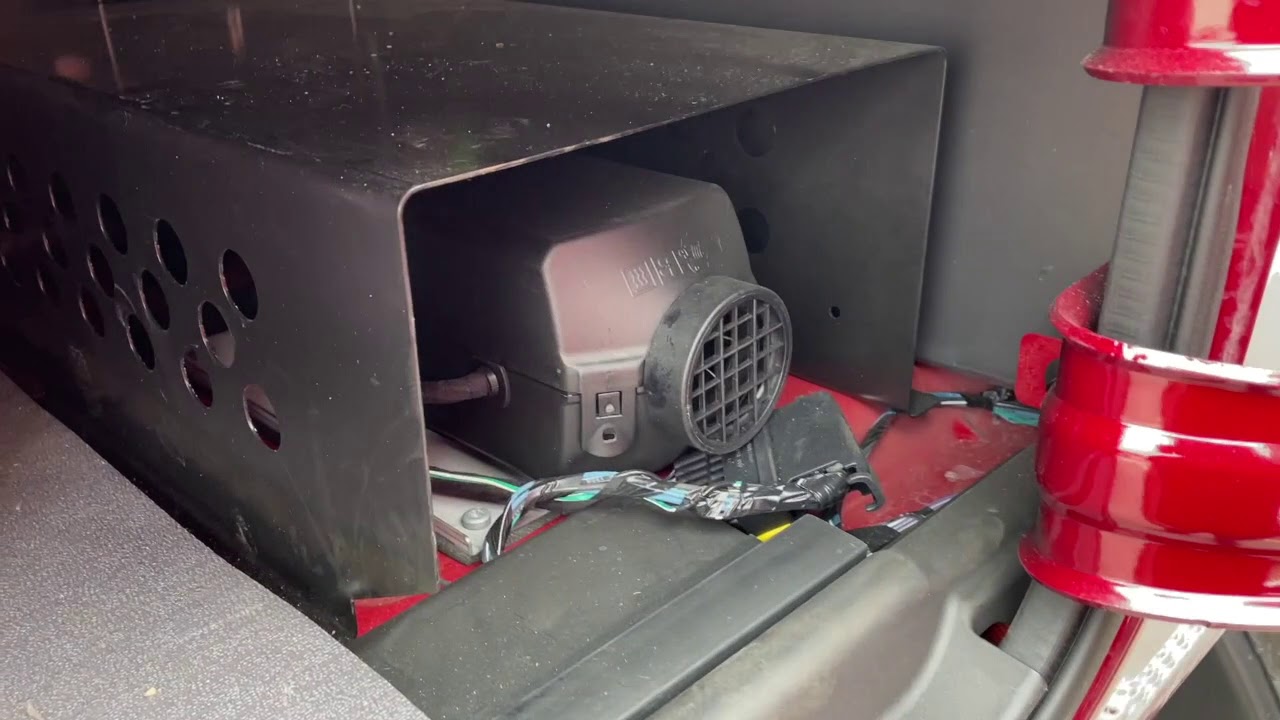
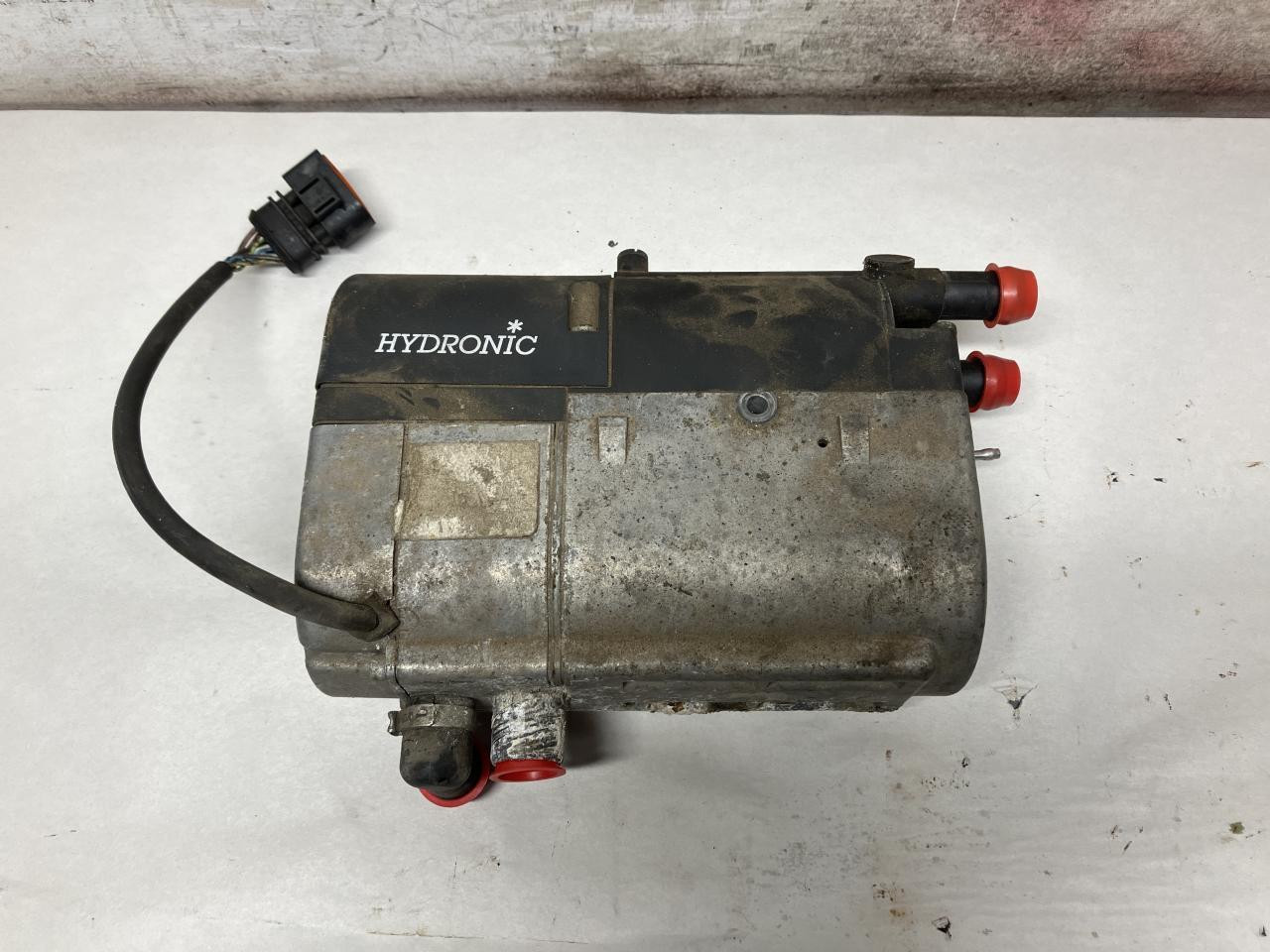
The bunk heater in the Freightliner Cascadia is designed to keep the sleeper cab warm without running the main engine. This saves fuel and reduces engine wear. Most Cascadia models use an auxiliary diesel-powered heater, often from brands like Espar or Webasto. These heaters pull a small amount of diesel from the truck’s tank and use it to heat air or coolant, which is then blown into the sleeper area.
The bunk heater is usually controlled by a simple panel near the sleeper bed. It can run independently for hours, making it a critical feature for drivers who spend nights in cold climates. But when it fails, drivers lose one of their most essential comforts.
Common Causes Of Bunk Heater Failure
Before fixing the problem, it helps to know what can go wrong. Here are the most common causes:
- No Power to the Heater: Sometimes, the heater doesn’t get any electricity. This could be from a blown fuse, a tripped breaker, or a wiring issue.
- Faulty Thermostat or Control Panel: The control switch or thermostat might be broken or not sending signals properly.
- Low Battery Voltage: The heater needs enough voltage to run. Weak or drained truck batteries can cause the heater to shut off or not start.
- Fuel Supply Problems: If there’s not enough diesel, or if the fuel line is clogged, the heater can’t run.
- Air Intake or Exhaust Blockages: The heater needs to take in air and vent exhaust safely. Blocked pipes cause shutdowns or error codes.
- Dirty or Faulty Glow Plug: The glow plug ignites the fuel. If it’s dirty, old, or worn out, the heater won’t start.
- Overheating or Safety Shutoff: If the heater gets too hot or senses a problem, it will shut down for safety.
- Clogged Filters: Air or fuel filters that are dirty can stop the heater from working efficiently.
- Internal Heater Faults: Problems with the circuit board, fan motor, or sensors may cause complete failure.
Each of these issues can show up as different symptoms, from the heater not turning on at all to blowing only cold air.
Symptoms: How To Tell Your Bunk Heater Is Not Working
When your bunk heater fails, you might notice:
- The heater doesn’t turn on when you press the switch.
- The heater starts but blows only cold air.
- There’s a strange smell, smoke, or noise from the heater.
- The control panel shows error codes or warning lights.
- The heater runs for a few minutes and then shuts off.
- The sleeper area never gets warm, even after running the heater for a while.
Understanding these symptoms can help you find the root cause faster.
Step-by-step Diagnosis: Finding The Problem
Let’s walk through how to diagnose a Freightliner Cascadia bunk heater not working. This process can help you avoid guessing and wasting time or money.
1. Check The Basics
- Make sure the truck’s main battery is charged.
- Ensure the fuel tank is at least 1/4 full (most heaters have a safety to prevent running dry).
- Confirm that the heater’s power switch is on.
- Look for blown fuses or tripped breakers in the panel.
2. Inspect The Control Panel
- Does the panel light up?
- Are there any error codes?
- Try adjusting the temperature or turning the heater off and on.
3. Listen For Sounds
- When you start the heater, do you hear the fan or a clicking sound?
- If it’s silent, it might be a power or control issue.
- If it tries to start but fails, it could be fuel, glow plug, or air/fuel mixture problems.
4. Check Air And Exhaust
- Look outside the truck for the heater’s intake and exhaust vents.
- Make sure they are clear of snow, ice, dirt, or debris.
5. Smell For Fuel
- If you smell unburned diesel, there might be a leak or the heater is failing to ignite.
6. Inspect For Warning Lights
- Some heaters have their own warning lights near the unit or on the control panel.
- Take note of any blinking patterns, as these can help you look up error codes.
7. Run A Self-test (if Available)
- Some newer heaters allow you to run a diagnostic self-test from the control panel.
8. Check Filters And Glow Plug
- Remove and inspect the air and fuel filters. Replace if dirty.
- Check the glow plug for signs of wear or carbon buildup.
9. Examine Wiring
- Look for loose, corroded, or damaged wires near the heater and control panel.
If you’ve checked all these areas and still can’t find the problem, it may be time to consult a professional or check your truck’s service manual.
Diy Fixes For Common Bunk Heater Issues
Many Freightliner Cascadia bunk heater problems are simple to fix. Here are the most common solutions you can try yourself:
Replacing A Blown Fuse
- Locate the truck’s fuse box (usually under the dash or sleeper area).
- Find the fuse labeled for the heater. Replace with a fuse of the same rating.
Resetting A Tripped Breaker
- If your heater has a reset button or circuit breaker, press it to reset.
Charging Or Replacing The Battery
- If the batteries are weak, charge them fully or replace if needed.
Cleaning Or Replacing Filters
- Remove air and fuel filters. Clean or replace them as recommended.
Clearing Air Intake/exhaust
- Remove any blockages from the intake or exhaust pipes.
Checking Fuel Line
- Inspect for kinks, leaks, or clogs in the fuel line going to the heater.
Cleaning Or Replacing The Glow Plug
- Remove the glow plug, clean off carbon with a wire brush, or replace if it looks worn.
Resetting The Control Panel
- Some heaters can be reset by holding down the power or reset button for several seconds.
Addressing Error Codes
- Look up the error code in your user manual or online. Many codes are easy to fix, like low voltage, overheat, or blocked exhaust.
When To Call A Professional
Not every problem can be fixed at home. Call a professional if:
- The heater still won’t work after basic checks and resets.
- You see fuel leaking around the heater or lines.
- There are electrical problems like burning smells, melted wires, or repeated blown fuses.
- The heater makes loud noises or gives off smoke.
- You’re not comfortable working with diesel systems or 12V wiring.
Professional truck shops and Freightliner dealers have diagnostic tools and experience that can save time and prevent bigger problems.
Preventive Maintenance Tips
Regular maintenance can prevent most bunk heater failures. Here’s what you should do:
- Run the Heater Regularly: Even in warm weather, run the heater for 10–15 minutes once a month. This keeps parts moving and prevents fuel gelling or carbon buildup.
- Check Filters: Inspect and replace air and fuel filters every few months or as needed.
- Inspect Air Intake and Exhaust: Make sure vents are always clear, especially before cold weather.
- Keep Fuel Tank Full: Don’t let your diesel tank go below 1/4, as most bunk heaters won’t draw fuel below this level.
- Clean the Glow Plug: Remove and clean the glow plug at least once per year.
- Check Battery Health: Weak batteries cause more heater problems than you might expect.
- Watch for Error Codes: Don’t ignore warning lights or codes; address them early.
- Use Additives in Winter: Diesel fuel can gel in extreme cold. Use anti-gel additives to keep fuel flowing to the heater.
Advanced Troubleshooting: Error Codes And Their Meanings
Many modern Freightliner Cascadia bunk heaters use electronic control units (ECUs) that display error codes. Understanding these can save you a lot of time.
Here is a comparison of common error codes and their likely causes for two popular heater models:
| Error Code | Espar Heater | Webasto Heater | Likely Cause |
|---|---|---|---|
| E01 | Overheat | Overheat | Blocked air/exhaust or dirty filter |
| E03 | No Start | No Flame Detected | Glow plug or fuel issue |
| E08 | Low Voltage | Low Battery | Weak truck battery |
| E10 | Fuel Supply | Fuel Pump Error | Clogged filter or fuel line |
Always check your heater’s manual for specific code meanings and suggested fixes.
Comparing Freightliner Cascadia Bunk Heater To Other Truck Models
How does the Cascadia’s bunk heater stack up against those in other popular trucks? Here’s a quick look:
| Truck Model | Heater Type | Average Runtime (Full Tank) | User Rating (1-5) |
|---|---|---|---|
| Freightliner Cascadia | Diesel Air Heater | 20–30 hours | 4.5 |
| Kenworth T680 | Diesel Air Heater | 20–28 hours | 4.4 |
| Volvo VNL | Diesel Coolant Heater | 18–25 hours | 4.3 |
| Peterbilt 579 | Diesel Air Heater | 19–27 hours | 4.2 |
The Cascadia’s heater is known for reliability and efficiency. However, like any diesel heater, it needs regular care.
Real-world Stories: What Drivers Experience
Many drivers have shared stories about their Freightliner Cascadia bunk heater not working. Here are a few examples:
- Frozen Night in North Dakota: One driver reported his heater wouldn’t start on a -10°F night. After checking, he found the air intake was packed with snow. Clearing it out fixed the problem in minutes.
- Repeated Shutoffs: Another driver had the heater shut off every 15 minutes. The cause was a weak battery. After replacing the truck batteries, the heater ran all night.
- Persistent Error Codes: A driver kept seeing a low voltage code even with a full battery. The issue was a corroded wire near the control panel, which was quickly fixed once found.
- Fuel Smell in the Cab: In one case, a fuel leak in the supply line not only stopped the heater but created a safety risk. This was fixed at a shop, but it taught the driver to check for smells regularly.
These stories show that most heater problems are simple but can become serious if ignored.
Non-obvious Tips Most Beginners Miss
Many new drivers or truck owners overlook a few important details:
- Don’t Ignore Small Problems: A minor error code or weird smell often means a bigger problem is coming. Early attention can prevent expensive repairs.
- Use the Correct Fuel: Some bunk heaters are sensitive to fuel quality. Always use clean, winter-grade diesel in cold weather to avoid gelling and starting problems.
- Keep Vents Clear Inside the Cab: It’s not just the outside vents; make sure nothing is blocking the air output inside the sleeper, like clothes or bags.
- Know Your Heater Model: Not all Cascadias use the same heater. Check which brand and model you have to get the right replacement parts or code meanings.
Cost Of Repair And Replacement
If your Freightliner Cascadia bunk heater needs professional repair, here’s what you might expect:
- Basic Diagnostic: $50–$150
- Fuse or Filter Replacement: $10–$40
- Glow Plug Replacement: $30–$100
- Wiring Repair: $100–$250
- Full Heater Replacement: $800–$2,000 (including labor)
Labor rates vary by location and dealer. Sometimes, fixing a simple issue yourself saves hundreds of dollars.
Choosing The Right Replacement Parts
When buying parts for your bunk heater, always:
- Check your heater’s brand and model number.
- Use OEM (original equipment manufacturer) parts when possible.
- Avoid cheap, generic parts from unknown sellers.
- If you buy online, make sure the seller is reputable.
- Keep your receipts and warranty information.
Many Freightliner dealers and big truck parts stores have experienced staff who can help you find the right part.
How Weather And Climate Affect Heater Performance
Cold weather puts extra strain on your bunk heater. Here’s how climate impacts performance:
- Extreme Cold: Heaters work harder and may shut off if diesel gels or intake/exhaust gets blocked by snow or ice.
- High Altitude: Some heaters need adjustments or special kits to run efficiently in thin air.
- Humidity: Moisture can cause internal corrosion or electrical shorts.
- Dusty Conditions: Dust can quickly clog air filters, reducing airflow and causing overheating.
Regular checks and preventive steps become even more important in harsh conditions.
Safety Warnings And Best Practices
Heaters that don’t work properly can be dangerous. Always follow these safety tips:
- Never use open flames or candles to heat the sleeper cab.
- If you smell fuel or see smoke, turn off the heater and get help.
- Keep all vents clear, inside and outside.
- Don’t sleep with the heater running if there are known electrical or fuel leaks.
- Install a carbon monoxide detector in your sleeper cab.
- Read and follow the safety section in your truck and heater manuals.
Staying safe is more important than comfort.
Upgrading Your Bunk Heater
If your old heater breaks often or isn’t powerful enough, consider an upgrade. Modern diesel bunk heaters are quieter, use less fuel, and have smart controls. Some popular upgrade features include:
- Programmable Timers: Start the heater before bedtime.
- Remote Controls: Adjust from your bunk.
- Self-Diagnostics: Easier troubleshooting with error codes.
- Lower Fuel Use: Some new models use as little as 0.1 gallons per hour.
Check with your dealer about what’s compatible with your Cascadia.

Freightliner Cascadia Vs. Aftermarket Bunk Heaters
Should you buy an OEM replacement or an aftermarket heater? Here’s a quick comparison:
| Feature | OEM Heater | Aftermarket Heater |
|---|---|---|
| Warranty | Yes, from Freightliner | Depends on brand |
| Compatibility | Perfect fit | May need modifications |
| Price | Higher | Lower |
| Features | Standard | More options (timers, remotes) |
| Ease of Installation | Plug-and-play | May require wiring |
For most drivers, an OEM heater is easier, but an aftermarket model might offer more features for less money.
Where To Find Help And Parts
If you need more help, try these resources:
- Your Freightliner dealer: They have trained techs and genuine parts.
- Truck stops with service shops: Many have experience with common heater issues.
- Online trucker forums: Drivers often share tips and fixes.
- Official heater brand websites: For manuals and troubleshooting guides.
A great place for technical info is Freightliner’s official Cascadia page.
Frequently Asked Questions
Why Does My Bunk Heater Keep Shutting Off After A Few Minutes?
Most often, this is caused by low battery voltage, blocked air intake, or overheating. Check your truck’s battery, clear any vent blockages, and make sure the air filters are clean.
Can I Run My Cascadia Bunk Heater All Night?
Yes, you can run the heater all night as long as you have enough diesel in the tank and your truck batteries are strong. Always check the heater and fuel level before sleeping to ensure safety.
What Does It Mean When I Smell Diesel Fuel In The Sleeper Cab?
A diesel smell usually means there is a leak in the fuel line, a loose fitting, or a failed heater seal. Turn off the heater and get it checked immediately to avoid health and fire risks.
How Often Should I Maintain My Bunk Heater?
Regular maintenance should be done every 3–6 months. This includes checking filters, running the heater for a few minutes each month (even in summer), and inspecting the fuel and electrical connections.
Are Bunk Heaters Safe For Overnight Use?
When properly maintained and installed, bunk heaters are very safe. However, you should always have a carbon monoxide detector in your sleeper, never ignore fuel smells, and keep all vents clear to prevent dangerous situations.
Keeping your Freightliner Cascadia bunk heater running is key for comfort and safety during cold nights. With the right knowledge and regular care, you can avoid most problems and enjoy a warm, restful sleep on the road.