
Is your freezer turning your food into solid ice blocks or building up thick layers of frost? When your freezer is too cold, it’s not just uncomfortable—it can ruin your groceries and even damage your appliance.
You might notice rock-hard ice cream that’s impossible to scoop or frozen liquids in your fridge section. These signs mean your freezer’s temperature needs attention right now. Don’t let this problem sneak up on you. Keep reading to discover how to spot when your freezer is too cold and what simple steps you can take to fix it before it causes bigger headaches.
Your food—and your wallet—will thank you.
Credit: allareaappliancellc.com
Signs Your Freezer Is Too Cold
Knowing the signs your freezer is too cold helps protect your food and save energy. A freezer set too cold can cause problems that reduce food quality and waste power. Watch for changes that show your freezer temperature is too low. Catching these signs early keeps your freezer running well and food fresh.
Excessive Ice Buildup
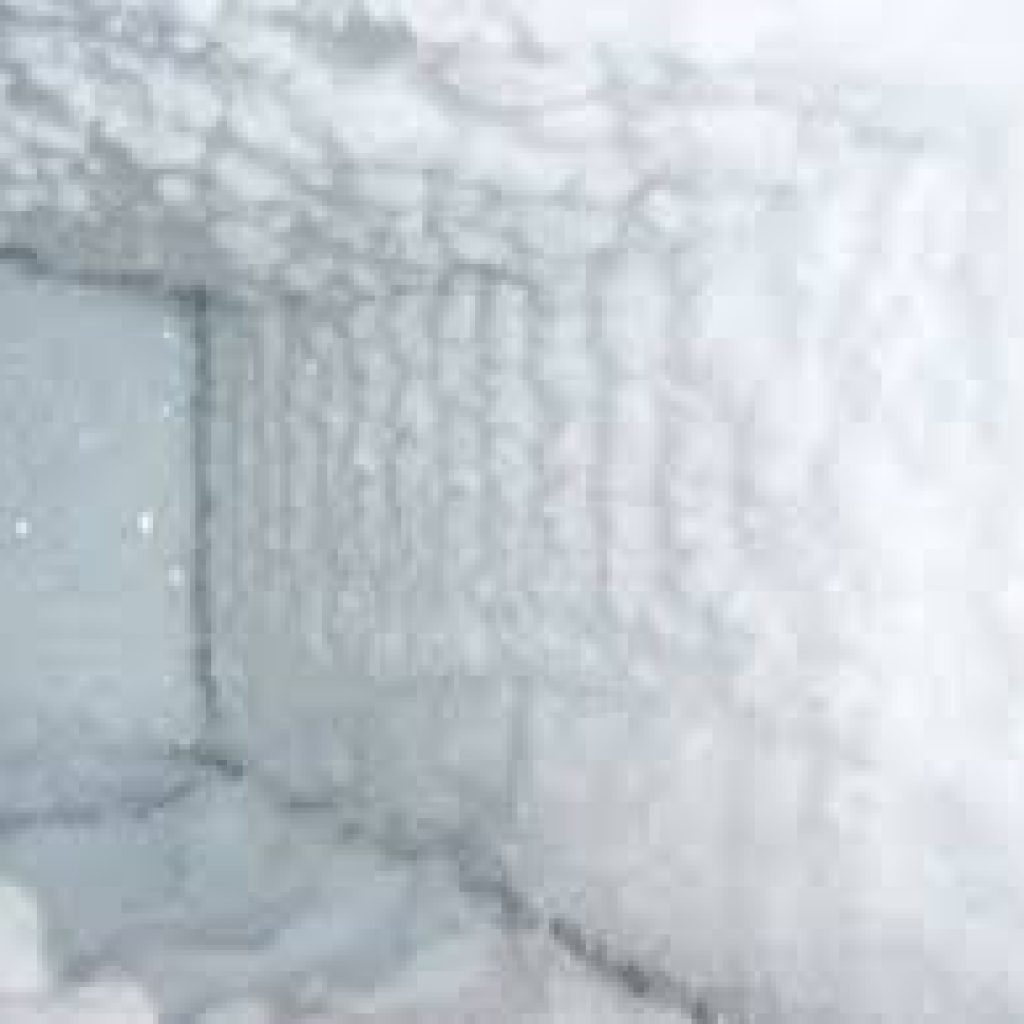
A small amount of frost is normal. Thick, heavy ice on walls or vents is a warning. It can block air flow and damage your freezer. This buildup often means the freezer is too cold or the defrost system has failed.
Freezer Burn On Food
Freezer burn looks like white or gray spots on food. It happens when cold, dry air removes moisture from food. This dries out the food and lowers its taste and texture. Too cold a freezer causes freezer burn faster.
Food Becoming Rock-hard
Some foods like ice cream should be soft enough to scoop. If your food is frozen solid and very hard, the freezer is likely too cold. This can make food difficult to use and less enjoyable.
Frozen Items In Refrigerator
Items in the fridge section freezing is a clear sign. Cold air from the freezer may be leaking into the fridge. This happens if the freezer temperature is set too low or vents are open too much.
Food Stuck To Freezer Walls
Food frozen to the freezer walls blocks air vents. This stops cold air from circulating properly. It causes uneven cooling and wastes energy. It also makes it hard to remove food without damage.

Credit: www.repairaid.co.uk
Adjusting Freezer Temperature
Adjusting the freezer temperature is a key step to fix a freezer that is too cold. A freezer set too low causes ice buildup and food freezing issues. Proper temperature control keeps food fresh and prevents damage.
Understanding how to adjust the temperature helps maintain the ideal cold level. Small changes can improve performance and save energy. Follow simple steps to find the right setting for your freezer.
Finding The Ideal Temperature
The ideal freezer temperature is usually around 0°F (-18°C). This keeps food frozen without making it too hard. Temperatures below this can cause frost and freezer burn.
Check your freezer manual for recommended settings. Some freezers have specific temperature guides. Use a freezer thermometer to measure the current temperature accurately.
Using The Temperature Control
Most freezers have a temperature control dial or digital panel. Turn the dial to a warmer setting to raise the temperature. Digital controls allow you to set the exact temperature.
Make small adjustments and wait 24 hours to see the effect. Avoid large changes at once, which can cause uneven freezing. Keep the door closed during this time to maintain steady conditions.
Manual Defrosting Tips
Manual defrosting helps fix freezers that are too cold. It removes excess ice buildup inside. Ice blocks airflow and makes the freezer work harder. This leads to very low temperatures and frozen food problems.
Defrosting also saves energy and keeps food fresh longer. Doing it safely protects your freezer from damage. Use these simple tips for best results.
When To Defrost
Defrost the freezer when ice is thicker than ¼ inch. Look for heavy frost on walls, shelves, or vents. Food stuck to freezer walls means ice buildup is too much. If food feels rock-hard or freezer burn appears, defrost soon. Also, defrost if your freezer runs constantly or smells musty.
Safe Defrosting Methods
Turn off the freezer and unplug it first. Remove all food and store in a cooler or another freezer. Leave the door open to let ice melt naturally. Place towels around to catch water from melting ice. Use a bowl of hot water inside to speed melting if needed.
Do not use sharp tools to chip away ice. This can damage the freezer walls or cooling elements. Avoid using hair dryers or heat guns as they may cause harm. After defrosting, clean the interior with a mild soap solution. Dry all surfaces before turning the freezer back on.
Inspecting And Maintaining Door Seals
Door seals play a crucial role in keeping your freezer at the right temperature. They stop cold air from escaping and warm air from entering. Poor door seals cause the freezer to work harder, often making it too cold inside. Regular inspection and maintenance of these seals help maintain proper freezer temperature and save energy.
Checking For Damage
Look closely at the door seals for cracks, tears, or worn spots. Damaged seals let cold air leak out. Run your fingers along the gasket to feel for rough or broken parts. Also, check if the seal has come loose from the door. Replace the seal if you find any damage to keep the freezer cold but not too cold.
Cleaning The Gasket
Dirt and food residue can build up on the gasket and stop it from sealing well. Use a soft cloth and warm soapy water to clean the gasket gently. Avoid harsh chemicals that may damage the rubber. Cleaning the gasket regularly keeps it flexible and effective at sealing cold air inside the freezer.
Ensuring Proper Closure
Make sure the freezer door closes fully and evenly. Check for any objects blocking the door from shutting tightly. Close the door slowly and listen for a tight seal sound. Test the seal by placing a piece of paper between the door and the freezer. If you can pull the paper out easily, the seal may need adjustment or replacement.
Preventing Airflow Blockages
Proper airflow inside the freezer keeps temperatures balanced. Blocked air stops cold air from circulating well. This causes some areas to get too cold. Avoid airflow blockages to keep food fresh and prevent ice buildup.
Avoiding Food Contact With Walls
Keep food from touching freezer walls. Items pressed against walls can freeze solid. This blocks air vents and cold air flow. Leave space between food and walls for air movement. Use containers or baskets to separate items. This simple step helps avoid cold spots and frost buildup.
Organizing Contents For Air Circulation
Arrange freezer contents to allow air to move freely. Do not overfill the freezer. Crowding stops cold air from circulating. Use shelves and bins to keep items organized. Place similar items together for easy access. Proper organization maintains even temperature inside. This reduces freezer burn and hard freezing problems.

Credit: www.repairaid.co.uk
Consulting Manufacturer Guidelines
Consulting manufacturer guidelines is the best step when your freezer is too cold. These guidelines provide exact information tailored for your model. They help you set the right temperature and avoid damage to food or the appliance. Following the manufacturer’s advice ensures proper use and prolongs freezer life.
Each freezer model has specific recommended settings. These settings keep the freezer cold enough to preserve food without causing ice buildup or freezer burn. The manual also offers tips for common problems and how to fix them safely.
Recommended Settings For Your Model
Check the temperature range suggested by the manufacturer. Most freezers work well between 0°F and 5°F (-18°C to -15°C). The manual will tell you the ideal setting for your unit. Adjust the controls carefully to match these settings. Avoid setting the freezer colder than recommended. This can cause excessive frost and damage your food.
Look for advice on how to measure the temperature inside the freezer. Some models have digital displays, while others need a separate thermometer. Follow the instructions to check and adjust the temperature regularly. This helps keep your freezer running efficiently.
Troubleshooting Specific Issues
Manufacturer guidelines include steps for fixing common problems. For example, if frost builds up quickly, the manual may suggest a manual defrost or checking the door seal. A weak door seal lets warm air in, causing the freezer to work harder and get too cold inside.
Some manuals list error codes or warning lights. These codes help identify problems like sensor failure or defrost system issues. Follow the guide to understand what each code means and how to respond. It may advise contacting customer support or a technician if the problem persists.
Always use the recommended cleaning and maintenance routines. Proper care prevents issues that cause the freezer to get too cold. Manufacturer guidelines help you keep your freezer in good condition safely and effectively.
Frequently Asked Questions
How Do You Know If Your Freezer Is Too Cold?
Excessive ice buildup, rock-hard or freezer-burned food, and frozen items in the fridge signal a too-cold freezer.
What Happens To Food If The Freezer Is Too Cold?
A freezer set too cold causes excessive ice buildup, freezer burn, rock-hard food, and freezing in the fridge section. It damages food quality and blocks airflow.
What If My Frigidaire Freezer Temperature Is Too Cold?
If your Frigidaire freezer is too cold, adjust the temperature to the recommended setting. Defrost manually if ice builds up. Check door seals for tight closure to prevent cold air leaks. Consult the user manual for model-specific guidance. Excessive cold can cause freezer burn and frozen fridge items.
What Are The Signs Of A Failing Freezer?
Signs of a failing freezer include excessive ice buildup, freezer-burned food, rock-hard items, and frozen food in the refrigerator section. Door seal damage and unusual noises also indicate problems.
Why Is My Freezer Too Cold And Freezing Food?
A freezer set too low or a broken thermostat can cause excessive cold and freeze food.
Conclusion
A freezer that is too cold can cause many problems. Ice buildup and freezer burn damage your food’s quality. Frozen items in the fridge show the temperature is off. Adjust the thermostat to the right level first. Defrost the freezer if ice keeps growing.
Check door seals to stop cold air leaks. Follow the user manual for specific advice. Keeping the freezer at the proper temperature saves energy and food. Regular checks help avoid costly repairs later on. Simple steps make your freezer work just right.