
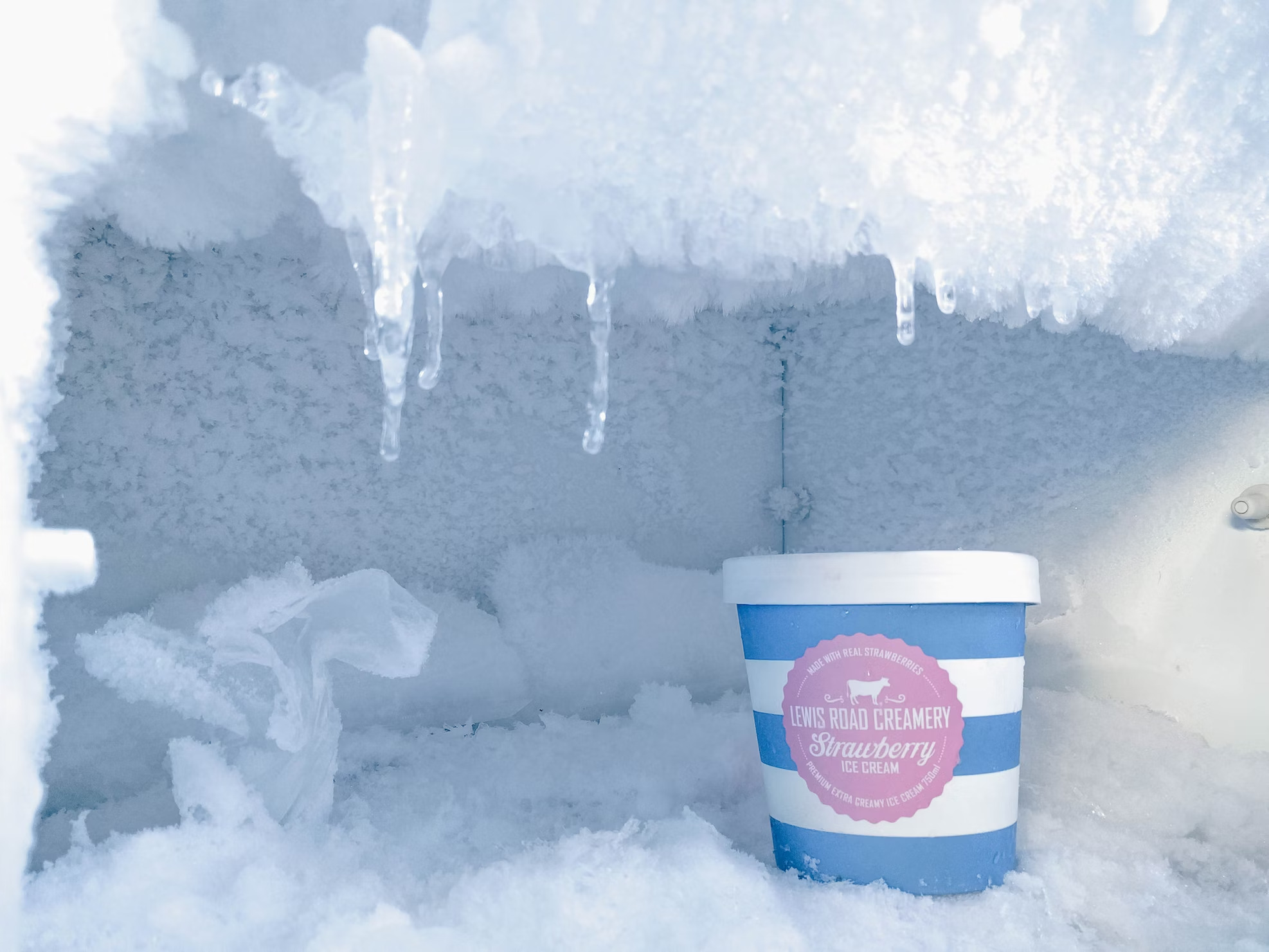
Is your freezer building up frost faster than you expected? If you’ve noticed thick ice layers forming inside your freezer, you’re not alone—and it can be frustrating.
That frost buildup not only eats up your freezer’s space but can also make it work harder, increasing your energy bills and risking food spoilage. But don’t worry—understanding why frost forms and how to tackle it can save you time, money, and stress.
You’ll discover simple, effective ways to stop frost from piling up and keep your freezer running smoothly. Keep reading to learn how to quickly and safely defrost your freezer and prevent frost from coming back.
Causes Of Frost Build-up
Frost build-up in a freezer can cause several problems. It reduces storage space and makes the freezer work harder. Understanding what causes frost to form helps prevent it. Small issues can lead to frost quickly. Here are common causes of frost build-up.
Door Seal Issues
Damaged or worn door seals let warm air enter the freezer. This causes moisture to condense and freeze inside. Check seals for cracks or gaps. A tight seal keeps cold air in and moisture out.
Frequent Door Opening
Opening the freezer door often lets warm air inside. This increases moisture, which turns into frost. Keep door openings short and limit how often you open it. This reduces frost build-up over time.
Temperature Fluctuations
Setting the temperature too low or too high causes frost. When the freezer is too warm, moisture forms inside. If it is too cold, frost builds quickly. Keep the temperature steady, usually around 0°F (-18°C).
Blocked Defrost Drain
The defrost drain removes water during defrost cycles. If it gets blocked, water pools and freezes. This causes frost to build up inside the freezer. Clean the drain regularly to keep water flowing out.
Credit: habcomfg.com
Preparing For Defrosting
Preparing for defrosting is an important step to clear frost buildup in your freezer. Taking the right actions before starting helps protect your food and appliance. It makes the defrosting process safer and faster.
Follow simple steps to get ready. This ensures no mess or damage while melting the ice inside the freezer.
Unplugging The Freezer
First, unplug your freezer from the power outlet. This stops the cooling system and prevents accidents. If your freezer has a defrost setting, switch to it instead. Make sure the appliance is fully off before you start removing ice.
Removing Food Safely
Take out all the food items carefully. Place them in coolers with ice packs to keep them frozen. Avoid leaving food out too long to prevent spoilage. Organizing the food ahead helps you work faster during defrosting.
Protecting The Area
Put towels or old cloths on the floor near the freezer. These absorb water as the frost melts. Cover the bottom of the freezer interior with towels too. This stops water from pooling and keeps your kitchen clean.
Quick Defrosting Methods
Freezers often build up frost that needs quick removal to keep them working well. Fast defrosting helps avoid long waits and keeps food safe. There are simple ways to melt ice quickly without hurting the freezer. Using common household items can speed up the process and make defrosting easier.
Using Hot Water Bowls
Place bowls of hot water inside the freezer shelves. Close the door to trap the steam. The steam softens the ice faster than air alone. Change the water when it cools to keep melting ice quickly. This method uses heat safely without tools or chemicals.
Employing Fans Or Hairdryers
Use a box fan to blow air into the freezer. Warm air helps melt ice without direct contact. A hairdryer on low heat also works well. Keep the dryer moving and at a distance. Avoid high heat to protect plastic and wiring inside the freezer.
Avoiding Sharp Tools
Never use knives, screwdrivers, or metal tools. Sharp objects can damage cooling tubes inside the freezer walls. Damage may cause leaks or stop the freezer from working. Use safe methods like steam or warm air instead. This protects your appliance and saves repair costs.
Removing Loose Ice Chunks
As the ice softens, chunks may loosen naturally. Use a plastic or wooden spatula to gently lift these pieces out. Place ice chunks in a bucket or sink. Removing ice early helps speed up defrosting. Handle ice carefully to avoid scratching freezer surfaces.

Credit: www.prolineappliance.com
Cleaning And Drying After Defrost
Cleaning and drying after defrost is a vital step to keep your freezer running well. It removes leftover frost and stops new ice from building up quickly. Proper cleaning helps keep your food fresh and your freezer efficient.
Using Mild Soap Or Baking Soda
Use mild soap or baking soda mixed with warm water. This mixture cleans without harming the freezer’s surface. Avoid strong chemicals that can leave harmful residues or damage the interior. Wipe all walls, shelves, and door seals gently with a soft cloth or sponge. Baking soda also helps remove odors and keeps the freezer smelling fresh.
Thorough Drying Techniques
Dry the freezer completely after cleaning. Use a clean towel or microfiber cloth to remove all moisture. Leaving water inside can cause frost to return faster. Open the freezer door for a few minutes to air dry. Make sure no water pools remain in corners or crevices.
Checking Defrost Drain
Check the defrost drain for any clogs or blockages. This drain carries melted water out of the freezer. Use a pipe cleaner or a small brush to clear any debris. A blocked drain can cause water to pool and freeze again. Keeping the drain clear helps prevent future frost buildup.
Preventing Future Frost Build-up
Preventing future frost build-up in your freezer extends its life and keeps food fresh longer. Simple habits and regular checks reduce frost formation. Consistent care stops ice from piling up again.
Small changes in daily use make a big difference. Focus on door seals, how often the door opens, and temperature settings. These steps help maintain a frost-free freezer.
Inspecting And Replacing Door Seals
Check door seals for cracks or gaps. Damaged seals let warm air enter, causing frost. Press the seal all around the door to find weak spots.
Replace worn or broken seals quickly. New seals close tightly, stopping moisture from coming inside. This lowers frost build-up and saves energy.
Minimizing Door Opening
Open the freezer door only when needed. Each opening lets warm air in, increasing frost formation. Plan ahead to grab all items at once.
Teach family members to close the door gently and quickly. Avoid leaving the door open for long periods. This simple habit helps keep frost away.
Maintaining Consistent Temperature
Keep the freezer temperature steady, ideally at 0°F (-18°C). Fluctuating temperatures cause moisture to freeze inside. Use a freezer thermometer to monitor it regularly.
Do not overload or underload the freezer. Proper airflow around food keeps the temperature even. This reduces frost and keeps food fresh longer.
When To Call A Professional
Knowing when to call a professional for frost buildup in your freezer is crucial. Some issues can be fixed at home. Others require expert help to avoid damage and costly repairs.
Ignoring serious problems can make frost buildup worse. It can also harm your freezer’s cooling system. Below are key signs that show you need a professional technician.
Persistent Frost Issues
If frost keeps returning quickly, despite defrosting, call a professional. This may indicate a problem with the freezer’s defrost system. A technician can test and fix defrost heaters or timers.
Repeated frost buildup wastes energy and reduces freezer efficiency. Professionals find the root cause and prevent ongoing problems.
Damaged Cooling Lines
Cooling lines carry refrigerant to keep the freezer cold. If you see frost growing behind walls or hear strange noises, cooling lines might be damaged. This issue needs immediate professional repair.
Damaged lines cause poor cooling and can lead to total freezer failure. Only trained technicians should handle refrigerant and line repairs safely.
Complex Repairs
Some frost problems need complex repairs beyond simple defrosting. Issues with fans, thermostats, or sensors affect frost buildup. These parts require expert diagnosis and repair.
Attempting complex fixes without knowledge can worsen the issue. A professional has the right tools and skills to restore your freezer correctly.

Credit: diy.stackexchange.com
Frequently Asked Questions
How Do I Fix Frost Build-up In My Freezer?
Turn off and unplug the freezer. Remove all food and place towels inside. Use hot water bowls or a fan to melt ice. Avoid sharp tools. Clean and dry thoroughly. Check and fix door seals before restarting the freezer.
What Does It Mean When Your Freezer Starts Frosting Up?
Frosting in a freezer means moisture has frozen due to warm air entering. It often signals a faulty seal or frequent door opening.
Why Is Snow Building Up In My Freezer?
Snow builds up in your freezer due to warm air entering, faulty door seals, frequent opening, or a clogged defrost drain.
Will Freezer Frost Go Away On Its Own?
Freezer frost will not go away quickly on its own. You must defrost it manually to remove buildup effectively.
Why Is My Freezer Building Up Frost Inside?
Frost builds up when warm, moist air enters the freezer and condenses on cold surfaces.
Conclusion
Frost buildup in your freezer can cause problems and waste energy. Regularly defrosting keeps it working well. Use simple methods like hot water and gentle tools to remove ice safely. Always dry the freezer completely to stop new frost from forming.
Check door seals often to keep cold air inside. Taking these steps helps your freezer stay efficient and your food fresh longer. Small efforts make a big difference in freezer care.