
When it comes to choosing the right impact wrench, you might find yourself stuck between electric and air-powered options. Which one fits your needs better?
Are you looking for raw power or the freedom to move around without cords and hoses? Understanding the key differences can save you time, money, and frustration on your projects. Whether you’re working in a busy garage or tackling DIY repairs at home, knowing how electric and air impact wrenches perform will help you make the smart choice.
Keep reading to discover which tool matches your work style and delivers the results you want.
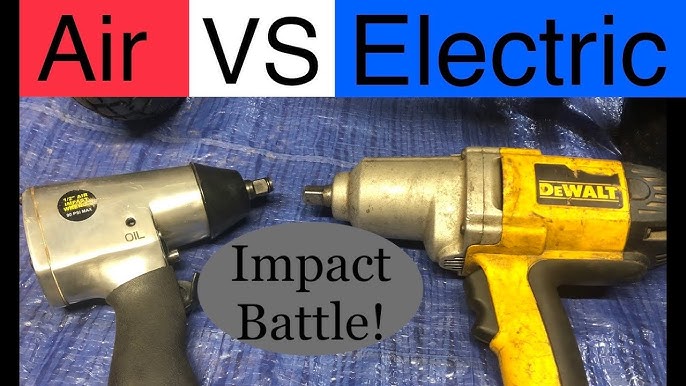
Credit: www.youtube.com
Air Impact Wrench Benefits
Air impact wrenches provide several key benefits that suit many professional and home users. These tools use compressed air to deliver strong, reliable power. They excel in tasks that require high torque and long-lasting performance. Many mechanics and technicians prefer air impact wrenches for their strength and durability. The following sections explain the main advantages of using air impact wrenches.
High Torque Output
Air impact wrenches generate more torque than many electric models. This power comes from the air pressure supplied by the compressor. High torque helps loosen or tighten tough bolts quickly. It makes these tools perfect for heavy-duty jobs in automotive repair and industrial work. The strong force reduces user effort and speeds up tasks.
Lower Tool Cost
The initial cost of an air impact wrench is usually lower than electric versions. This makes them budget-friendly for workshops and garages. Although you need an air compressor, the wrench itself is often cheaper. This cost-effectiveness helps businesses equip their teams without spending too much. Users get great value without sacrificing power.
Durability And Longevity
Air impact wrenches have a simple design with fewer moving parts. This reduces the chance of breakdowns or wear over time. Their robust build withstands harsh work environments and heavy use. Many users find that these tools last for years with proper maintenance. The strong materials and design ensure long-term reliability.
Consistent Performance
These wrenches maintain steady power as long as air pressure is stable. This consistency helps in completing repetitive tasks quickly and accurately. Unlike battery-powered tools, air impact wrenches do not lose power during use. The continuous airflow ensures smooth operation without interruptions. This makes them ideal for busy workshops and production lines.
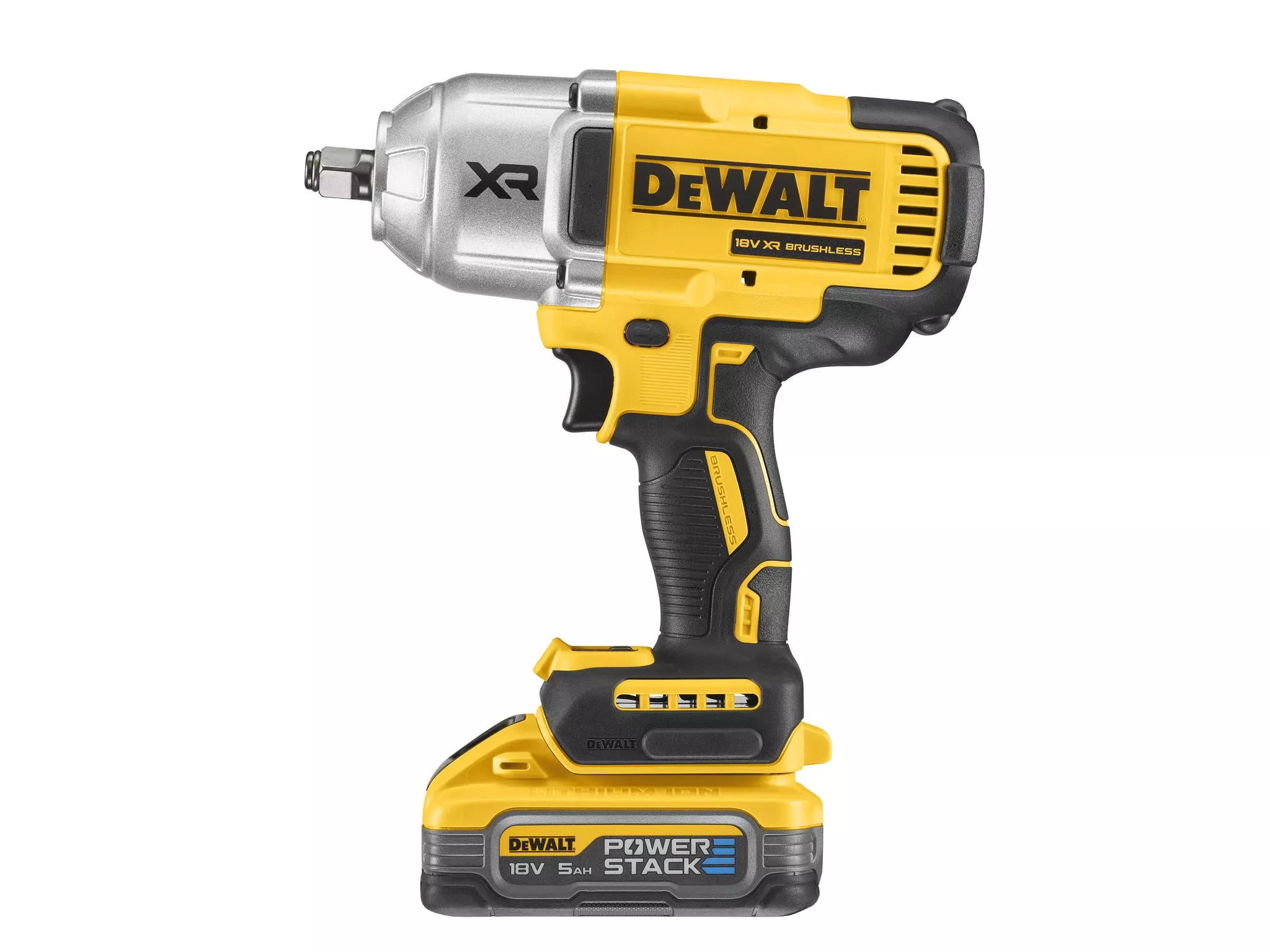
Credit: www.careytools.com
Air Impact Wrench Drawbacks
Air impact wrenches are strong and reliable. Many professionals use them for tough jobs. Still, these tools have some drawbacks. Understanding these limits helps you choose the right wrench for your work.
Limited Mobility
Air impact wrenches need an air compressor. This setup limits where you can work. The hose can get tangled or caught. Moving far from the compressor is hard. This reduces freedom on the job.
Loud Operation
Air impact wrenches are noisy tools. The air motor creates a high level of sound. Long use can cause hearing discomfort. Using ear protection is often needed. This noise may not suit quiet environments.
Maintenance Needs
These wrenches require regular care. The air compressor and hose need checks. Moisture in the air line can cause damage. Lubrication is essential to keep parts working. Skipping maintenance shortens the tool’s life.
Pressure Drop Issues
Air pressure can drop during use. This weakens the wrench’s power. Long hoses or multiple tools increase pressure loss. Low pressure means less torque on fasteners. Monitoring air pressure is necessary for best results.
Electric Impact Wrench Advantages
Electric impact wrenches offer several benefits that suit many users. They work without the need for an air compressor or hoses. This makes them a great choice for people who want mobility and easy handling. Their design focuses on convenience and usability.
These wrenches perform well in various settings, especially where space is limited. Their lightweight build helps reduce user fatigue during long tasks. Maintenance is simpler compared to air-powered models. These features make electric impact wrenches a practical tool for many projects.
Superior Portability
Electric impact wrenches are cordless and compact. You can carry them easily to any job site. No heavy air compressor is needed, which saves space and effort. This portability allows for quick job completion in different locations. It fits perfectly for mobile mechanics and DIY users.
Ease Of Setup And Use
Electric models start instantly with the push of a button. There is no need to connect hoses or check air pressure. This saves time and reduces setup steps. Their controls are simple and user-friendly. Beginners and professionals can use them without hassle.
Ideal For Tight Spaces
These wrenches have a smaller, more ergonomic design. They fit into narrow or hard-to-reach areas easily. This helps in automotive repair, construction, and home projects. You can work comfortably without needing extra tools or adjustments. The compact size improves job speed and precision.
Reduced Maintenance
Electric impact wrenches require less upkeep than air-powered ones. There are no air filters or compressors to maintain. Fewer moving parts lower the chance of breakdowns. This means less downtime and fewer repair costs. Users save money and effort over time.

Credit: maxprocorp.com
Electric Impact Wrench Limitations
Electric impact wrenches offer many benefits but also face certain limitations. Understanding these limits helps choose the right tool for your needs. This section highlights the main drawbacks of electric models compared to air-powered ones.
Lower Torque Compared To Air
Electric impact wrenches often produce less torque than air-powered tools. This reduces their ability to handle very tight or rusted bolts. Heavy-duty tasks may require the stronger force of an air impact wrench. The torque difference can affect work speed and efficiency on tough jobs.
Battery Life Constraints
Electric wrenches rely on batteries that drain over time. Long or continuous use may stop the tool until recharged. Battery life limits work duration, especially on large projects. Carrying spare batteries or chargers becomes necessary for extended tasks.
Higher Initial Price
Electric impact wrenches usually cost more upfront than air-powered models. The cost includes batteries and chargers, adding to the price. For some users, this higher initial investment can be a barrier. Air impact wrenches require compressors but often have cheaper tool costs.
Increased Weight
Electric impact wrenches tend to be heavier due to batteries and motors. This extra weight can cause fatigue during long use. Handling and maneuverability may suffer compared to lighter air-powered tools. Weight is an important factor for comfort and control.
Performance Comparison
Comparing the performance of electric and air impact wrenches helps buyers pick the right tool. Each type has strengths and weaknesses in power, noise, and durability. Understanding these differences improves your tool choice for specific tasks.
This section breaks down their performance across key areas. You will find clear facts to help decide which wrench fits your needs.
Torque And Power Tests
Air impact wrenches usually deliver higher torque than electric ones. This makes them better for tough jobs like loosening rusted bolts. The power depends on air pressure and compressor strength.
Electric impact wrenches have improved. Many models now reach enough torque for most tasks. Their power comes from strong batteries and efficient motors. However, they may run out of charge during long jobs.
Noise Level Differences
Air impact wrenches tend to be louder. The air motor and exhaust noise can be disruptive in small spaces. Hearing protection is often needed.
Electric wrenches operate more quietly. Their electric motors produce less noise. This makes them ideal for indoor or residential work. Less noise also means less worker fatigue.
Durability Assessments
Air impact wrenches have fewer electronic parts. This usually means fewer breakdowns and longer life. They handle heavy use well in professional shops.
Electric impact wrenches have more sensitive electronics and batteries. These parts can wear out or fail after heavy use. Still, quality models last long with proper care and charging.
Best Use Cases
Choosing the right impact wrench depends on the task and environment. Both electric and air impact wrenches have strengths that suit different jobs. Understanding their best use cases helps in selecting the right tool for efficiency and ease.
When To Choose Air Impact Wrench
Air impact wrenches deliver strong torque ideal for tough jobs. Use them in professional garages or workshops with access to air compressors. They handle heavy-duty tasks like loosening rusted bolts or working on trucks. These tools run cooler and last longer under constant use. They are perfect when power and durability matter most. Cost of the tool is usually lower than electric versions. Air impact wrenches need a compressor, so they suit stationary work areas.
When To Opt For Electric Impact Wrench
Electric impact wrenches shine in portability and convenience. Cordless models remove the need for hoses or compressors. They fit best in mobile repairs, home projects, or tight spaces. These wrenches are lighter and easier to handle for beginners. Battery technology offers decent runtime for most DIY jobs. Electric impact wrenches start instantly and require little maintenance. Choose them for quick jobs or when you move between locations often.
Cost And Maintenance Considerations
Choosing between an electric and an air impact wrench means understanding the cost and maintenance involved. These factors affect long-term use and overall satisfaction. Both types have different expenses and upkeep needs. This section breaks down these important points clearly.
Tool And Setup Costs
Air impact wrenches usually cost less than electric ones. The tool itself is simpler and cheaper to make. However, an air wrench requires an air compressor. The compressor adds a big expense to the setup. It also needs space and power to run. Electric impact wrenches are more expensive upfront. Their batteries and motors cost more. But they do not need extra equipment. You can use them right out of the box. This makes electric wrenches ideal for small jobs or places without air supply.
Ongoing Maintenance Efforts
Air impact wrenches need regular oiling to keep parts working well. The air compressor also requires maintenance. Filters, hoses, and tanks must be checked often. Neglect can cause damage or reduce power. Electric impact wrenches need less upkeep. Battery care is important to maintain runtime. Motors may need occasional cleaning or brush replacement. Overall, electric tools need fewer service steps. This saves time and reduces running costs.
Portability And Convenience
Portability and convenience play a big role in choosing between electric and air impact wrenches. Both types serve different needs. Electric impact wrenches run on batteries, which means no cords or hoses limit movement. Air impact wrenches need a compressor, making them less portable but often more powerful.
Understanding how each tool performs in tight spaces and on the move helps pick the right one for the job. Let’s explore these points in detail.
Working In Confined Spaces
Electric impact wrenches excel in confined areas. Their cordless design means no air hoses get in the way. This allows easy access to tight spots in vehicles or machinery. The compact size helps users maneuver tools with less effort. Air impact wrenches need hoses, which can tangle or restrict movement. This makes them harder to use in cramped spaces. Electric models often weigh less, reducing user fatigue during long tasks.
Mobility For Fieldwork
Electric impact wrenches offer excellent mobility. Battery power allows work in places without air compressors. This suits roadside repairs or remote job sites. Air impact wrenches require a compressor and hose setup, limiting where they can be used. Transporting the compressor adds extra bulk. Electric tools only need charged batteries, making setup quick and simple. Workers can move freely without worrying about air supply or cords. This flexibility saves time and increases productivity on the job.
Frequently Asked Questions
Which Is Better, An Electric Or Air Impact Wrench?
Air impact wrenches deliver higher torque and cost less but need an air compressor. Electric wrenches offer portability, ease, and lower maintenance, ideal for mobile or DIY tasks. Choose air for power and electric for convenience.
Are Electric Impact Wrenches Any Good?
Electric impact wrenches offer excellent portability and ease of use without an air compressor. They suit DIY and mobile tasks well. While they provide less torque than air-powered models, they require less maintenance and work efficiently in tight spaces.
Are Corded Impacts More Powerful?
Corded impact wrenches usually deliver higher, consistent torque than cordless models. They suit heavy-duty, stationary tasks requiring more power.
How Many Psi Do I Need To Run An Air Impact Wrench?
You need around 90 to 120 psi to run an air impact wrench effectively. Maintain steady pressure for optimal torque and performance.
What Are The Main Differences Between Electric And Air Impact Wrenches?
Electric wrenches are cordless and portable; air wrenches need a compressor but offer more torque.
Conclusion
Choosing between electric and air impact wrenches depends on your needs. Air wrenches give strong, steady power for heavy tasks. They work well in shops with compressors. Electric wrenches offer freedom to move and are easy to use. They suit DIY projects and quick jobs better.
Consider where you work and the tool’s convenience. Both types have clear strengths and limits. Pick the one that fits your work style and budget best. Simple and practical choices lead to better results.