
When your Electric Nose Frida stops working, stress can quickly set in—especially if your baby is uncomfortable and congested. Parents everywhere rely on this electric nasal aspirator for quick, hygienic relief from stuffy noses. But like any device, it can sometimes fail, leaving you searching for answers in the middle of the night. Understanding why your Electric Nose Frida is not working, and how to fix it, is the key to keeping your child comfortable and your peace of mind intact. This guide provides a practical, in-depth look at troubleshooting, repair, and maintenance for the Electric Nose Frida, so you never have to feel helpless again.
How The Electric Nose Frida Works
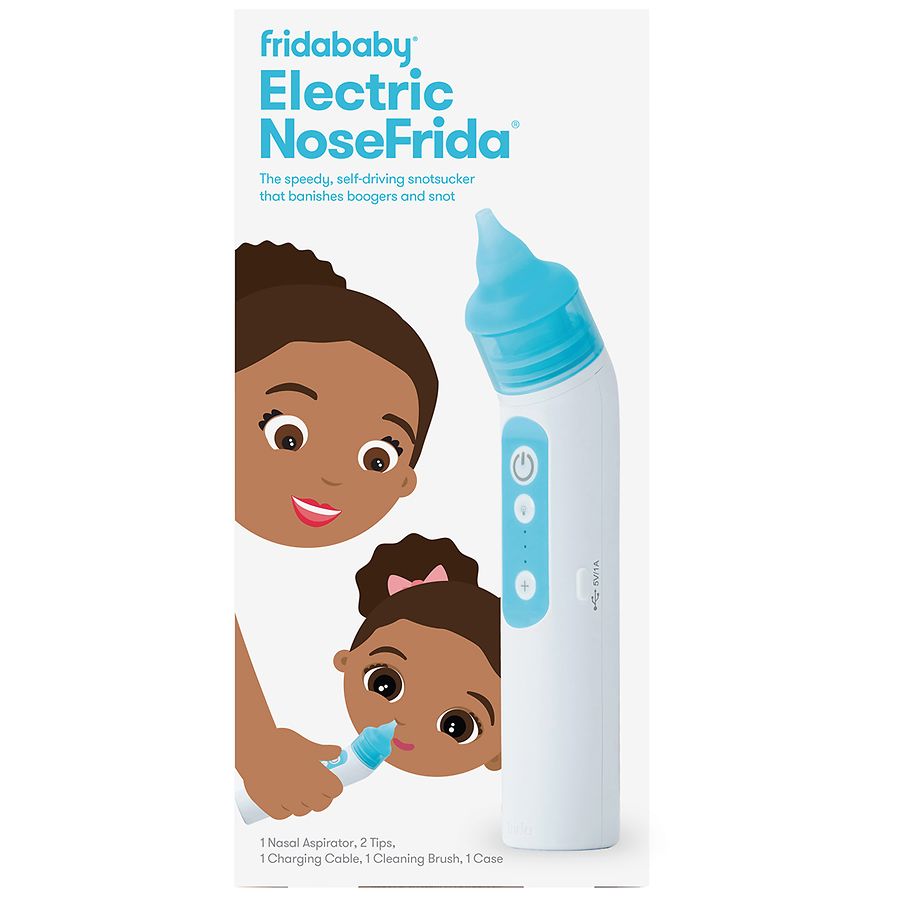
Before diving into solutions, it’s helpful to know how your Electric Nose Frida functions. This device is a battery-powered nasal aspirator designed to gently remove mucus from babies’ noses. It uses a small motor to generate suction, pulling mucus into a removable collection cup. The system has several parts: the power button, suction tip, collection cup, filter, and main body, which houses the motor and batteries.
A key insight many parents miss: Even small issues—like a poorly seated filter or loose collection cup—can stop the device from working. A second common oversight: The device’s suction depends not only on the motor, but also on a tight seal between all parts. If any part is loose or not assembled correctly, suction drops significantly.
It’s also helpful to know how the airflow works. When you turn on the device, the motor creates a gentle but steady suction. This airflow travels from the suction tip, through the filter, into the collection cup, and finally through the internal tubing past the motor and out.
If any part of this path is blocked or leaking, the suction weakens or disappears. For example, a tiny crack in the suction tip or a filter that’s not fully dry can cause a big drop in performance. Many parents only realize this after trying several other fixes, so always check the entire pathway for blockages and leaks.
Another detail: the collection cup is designed with small ridges to catch mucus and prevent it from going further. If these ridges get packed with dried mucus, the airflow is reduced. Cleaning these ridges thoroughly is often skipped, but makes a big difference in suction power.
Common Reasons Your Electric Nose Frida Is Not Working
When your device stops working, the cause is usually one of a handful of issues. Understanding these typical problems can save you time and frustration.
1. Dead Or Weak Batteries
The most common cause is weak or dead batteries. The motor needs a steady supply of power to create strong suction. When the batteries are low, the device may sound weak, work intermittently, or not turn on at all. Some parents notice the sound changes—if the whirring gets slower or stops and starts, it’s usually battery-related.
2. Loose Or Misaligned Parts
If the collection cup, tip, or filter is not attached correctly, the device will not create a proper vacuum. Even a slight misalignment can break the seal and stop suction. It’s easy to miss a small gap, especially when assembling the device in a hurry.
Try taking the device apart and reassembling it slowly, making sure each piece clicks or fits snugly.
3. Clogged Suction Path
Mucus, dust, or dried residue can clog the suction pathway. This usually happens if the device is not cleaned thoroughly after each use. Sometimes, parents find that even a small piece of tissue or lint can get stuck inside, especially if the device was left open.
If suction is weak despite everything being assembled correctly, a clog is likely.
4. Dirty Or Wet Filter
The filter blocks mucus from reaching the motor. If it’s clogged, wet, or damaged, airflow can be blocked. A saturated filter often causes the device to lose power or stop working. Filters are cheap and quick to replace, so don’t hesitate to use a new one if in doubt.
5. Broken Motor Or Internal Damage
Sometimes, the internal motor fails. While less common, this is possible—especially if the device has been dropped or exposed to moisture. A broken motor may make a buzzing sound or none at all. Most devices are not built to be repaired at home, so this often means replacement.
6. Power Button Malfunction
A stuck or faulty power button can prevent the device from turning on, even if the batteries are new. This can happen if something sticky gets under the button or if the button is pressed too hard.
7. Electrical Contact Issues
Corrosion or residue on the battery contacts can stop power from reaching the motor. This can happen if batteries have leaked or if the device was stored in a humid place. The contacts should always look shiny and clean.
Credit: www.walgreens.com
Step-by-step Troubleshooting Guide
Diagnosing and fixing your Electric Nose Frida is often easier than expected. Follow these steps in order, as most issues are simple to solve.
1. Replace Or Recharge The Batteries
Start with the basics. Open the battery compartment (usually on the back or bottom of the device). Remove the old batteries, check for corrosion, and insert new, high-quality batteries. Make sure they are inserted in the correct direction.
If the device works after this step, you’ve solved the problem. If not, continue to the next step.
A helpful trick: try batteries from another working device (like a TV remote) to rule out battery issues quickly. Also, check if the battery springs are clean and not bent—sometimes, a battery may not touch the contact fully.
2. Check Assembly And Seals
Disassemble the device according to the manual. Reassemble carefully, making sure:
- The suction tip is pushed in firmly
- The collection cup snaps into place
- The filter is seated flat and snug
A common mistake is leaving the filter slightly off-center, which breaks the seal. Listen for any hissing sounds when the device is on; this usually means air is escaping.
If you’re not sure about your assembly, watch an official video or review the manual photos. Sometimes seeing the correct alignment makes a big difference.
3. Clean The Suction Path
Take apart the collection cup and tip. Rinse with warm, soapy water, and use a small brush if available. Let the parts dry completely before reassembly. Never immerse the motor section in water.
If you notice a bad odor or visible residue, repeat cleaning or soak plastic parts (not the motor) in a mix of water and vinegar for 10 minutes.
Some parents find that blowing gently through the suction tip (with everything off and clean) can help clear out small blockages or bits of dried mucus. Just be sure to clean everything again afterwards.
4. Inspect And Replace The Filter
Remove the filter and inspect it. If it’s wet, discolored, or clogged, replace it with a new, dry filter. These filters are usually sold in packs. Never run the device without a filter—this protects the motor.
If you are running low on filters, you can order them online or pick them up at most baby stores. Using homemade filters (like cotton balls) is risky, as they may not fit tightly and could affect airflow.
5. Test The Power Button
Press the power button several times. If it feels stuck or unresponsive, gently clean around the button with a dry cloth. Do not use water or sprays. If the button remains stuck, contact customer service.
Some parents find that pressing the button at different angles helps, which may mean the button is wearing out. If so, keep your purchase receipt in case you need a warranty replacement.
6. Examine Battery Contacts
Remove the batteries and look at the metal contacts inside the compartment. If you see white powder or rust, clean it gently with a cotton swab and a tiny bit of vinegar. Dry fully before inserting new batteries.
If cleaning doesn’t help, the contacts may be too corroded to work well. In this case, replacement is usually necessary.
7. Listen To The Motor
With the device assembled, turn it on. If you hear the motor working but there’s no suction, the problem is likely a seal or filter issue. If the motor is silent or buzzing, it may be damaged.
You can also try gently shaking the device (while off) to listen for any loose parts inside, which could mean something has broken or shifted.
8. Check For Internal Damage
If the device has been dropped or gotten wet, internal parts may be damaged. In this case, contact the manufacturer or consider replacing the device. Electric Nose Frida devices are not designed for home repair beyond cleaning or filter changes.
If the device was dropped, inspect the plastic for tiny cracks—these can be hard to see but may cause air leaks.
When To Replace Vs. Repair
It’s tempting to keep fixing a device that’s not working, but sometimes replacement is the smartest choice. Knowing when to let go saves time and avoids frustration.
Signs It’s Time To Replace:
- The motor is silent, even with new batteries and a new filter
- There is visible cracking or warping of the plastic body
- The power button is broken or loose inside the device
- You see water or battery leakage inside the motor compartment
- Repeated cleaning doesn’t restore suction
If your device is still under warranty (usually one year), contact the manufacturer. They may send a replacement or repair it for free.
Sometimes, the cost of buying several replacement parts adds up to the price of a new device. If you’ve already replaced filters, batteries, and tips with no luck, it’s probably time to move on.
When Repair Makes Sense
If the issue is a clogged filter, dirty contacts, or a loose tip, repair is quick and effective. Filters and tips are inexpensive and often sold as replacements.
Some parents find that keeping a spare manual aspirator on hand is useful, so you have a backup while waiting for repairs or replacements.
Comparing Electric Nose Frida To Manual Nosefrida
Many parents wonder if switching to the manual NoseFrida is better when the electric version fails. Both have their pros and cons.
| Feature | Electric Nose Frida | Manual NoseFrida |
|---|---|---|
| Suction Power | Consistent (if working) | Depends on user’s suction |
| Noise Level | Louder (motor sound) | Silent |
| Ease of Use | One-button operation | Requires mouth suction |
| Cleaning | More parts to clean | Simple design, easy to clean |
| Battery Needed | Yes | No |
Key insight: The manual NoseFrida almost never breaks down, but some parents dislike the idea of mouth suction—even with a filter. The electric version is easier for solo use, but needs more maintenance.
A non-obvious tip: the manual version can be helpful as a backup if your electric one fails in the middle of the night. It’s lightweight and fits in most diaper bags, so you’ll never be caught without a way to help your baby breathe.
Preventing Problems: Maintenance Tips
Regular care extends the life of your Electric Nose Frida and keeps it ready for use. Here’s how to keep it working smoothly.
- Change filters after every use. This prevents mucus from reaching the motor.
- Clean all removable parts with warm, soapy water. Dry fully before reassembly.
- Store the device in a dry, cool place. Avoid leaving it in a bathroom or diaper bag where moisture can build up.
- Inspect batteries monthly. Remove batteries if you won’t use the device for a long time.
- Check for cracks or damage before each use.
- Follow the user manual. This contains important cleaning and assembly instructions.
It’s smart to set a reminder to check your device every few weeks, especially during cold season. This way, you’re never caught off guard when your child needs relief most.
Maintenance Schedule Example
| Task | Frequency | Notes |
|---|---|---|
| Filter Change | After each use | Essential for motor safety |
| Cleaning Removable Parts | After each use | Prevents buildup |
| Battery Check | Monthly | Replace as needed |
| Inspect for Damage | Each use | Check seals, tips, body |
If you live in a humid climate, consider storing the device with a small silica gel pack nearby to absorb moisture. This extra step can help prevent battery corrosion and mold.
Real-world Examples And Mistakes To Avoid
Many parents have faced the same frustration you’re experiencing now. Here are real examples and important lessons:
- Leaving the filter out “just once”: One parent reported skipping the filter when they ran out. Mucus entered the motor, causing a total breakdown.
- Storing the device wet: Dry all parts completely. A damp device can grow mold or short-circuit the motor.
- Not seating the collection cup fully: Even a slight gap means no suction.
- Using rechargeable batteries: Some models do not work well with rechargeables, since these batteries can deliver lower voltage.
Some parents also report accidentally swapping the suction tip with a similar-looking piece from another device, which can lead to poor suction or air leaks. Always use the correct parts for your model.
Non-obvious tip: Always keep a spare filter and tip on hand. Many breakdowns happen in the middle of the night, when stores are closed.
Another insight: If your device works for a second and then stops, it’s often a sign of a wet or saturated filter—not a broken motor.
Should You Try Diy Repairs?
You might find advice online about opening the device to repair the motor or circuit. For most parents, this is not recommended. The Electric Nose Frida is not designed for home repair, and opening it can void the warranty or make it unsafe.
If basic troubleshooting doesn’t work, contact the manufacturer instead.
If you’re technically skilled and want to experiment, do so only with a device that’s out of warranty and not needed urgently. Remember, small parts inside can be easy to lose or damage.

Credit: www.babylist.com
Where To Get Replacement Parts
Filters, suction tips, and collection cups are available from major retailers and the manufacturer’s website. Always use official parts—off-brand parts may not fit properly and can reduce suction or damage the device.
If you’re unsure which part you need, check the user manual or the official website for part numbers and compatibility. Some sets offer multipacks, which are useful for busy parents.
Contacting Customer Support
If your Electric Nose Frida is still not working after all the steps above, it’s time to reach out for professional help. Have your purchase information, model number, and warranty details ready. Most companies respond quickly, especially if the device is under warranty.
You can find support information on the official Frida Baby website or through retailers like Amazon. For more on product recalls or safety alerts, check the U.S. Consumer Product Safety Commission.
When contacting support, be ready to describe what you’ve tried. Take photos if you see damage or leaks—this often speeds up the process.

Credit: frida.com
Alternatives To Electric Nose Frida
If you can’t fix your device or want a backup, here are some alternatives:
- Manual NoseFrida: Reliable, no batteries needed, but requires mouth suction.
- Bulb syringe: Basic, cheap, but can be harder to clean and less gentle.
- Other electric aspirators: Brands like OCCObaby, Braun, or Watolt offer similar devices.
- Saline drops and tissue: For mild congestion, saline drops can loosen mucus before suction.
Having a backup method is a smart move, especially during cold and flu season when your baby may need frequent relief.
Comparing Electric Nasal Aspirators
Not all electric nasal aspirators are the same. Here’s a comparison of the Electric Nose Frida and two other popular models:
| Model | Suction Modes | Noise Level | Cleaning Ease | Price Range |
|---|---|---|---|---|
| Electric Nose Frida | Single | Moderate | Easy | $$ |
| OCCObaby Aspirator | Multiple | Low | Easy | $$$ |
| Watolt Aspirator | Multiple | Moderate | Moderate | $$ |
Tip: If noise bothers your child, choose a model with a quieter motor.
Some electric aspirators also offer different tip sizes for different ages, so check the product details to find the best fit for your baby.
Electric Nose Frida: Safety Reminders
Always use the device as directed. Never force the tip into the nostril—this can cause injury. If your child seems uncomfortable or resists, stop and try again later. Clean the device thoroughly after each use to prevent bacteria growth.
If your child has a fever, bloody nose, or seems in pain, consult your pediatrician before using any nasal aspirator.
Another tip: Always supervise use around babies and toddlers. Curious children may try to play with the device, which can be dangerous if left unattended.
Frequently Asked Questions
Why Does My Electric Nose Frida Have Weak Suction Even With New Batteries?
Weak suction is usually caused by a loose tip, dirty filter, or poor assembly. Double-check all parts are tightly connected and the filter is clean and dry. If everything is in place and you still have weak suction, there may be internal damage.
Another thing to check is the type of batteries you’re using. Some off-brand batteries don’t deliver enough power, so stick with well-known brands for best results.
Can I Use The Electric Nose Frida Without A Filter?
No. Running the device without a filter can allow mucus to reach the motor, causing damage and voiding the warranty. Always use a new, dry filter for each use.
If you’re out of filters, it’s better to use a manual aspirator until you can get replacements.
How Often Should I Clean The Device?
Clean removable parts after each use with warm, soapy water. Let them dry completely before reassembly. Change the filter every time. The main body should be wiped with a dry or slightly damp cloth—never submerged in water.
What Should I Do If The Device Got Wet Inside?
If water enters the motor or battery area, remove the batteries immediately. Let the device dry for at least 24 hours in a warm, dry place. Do not use until fully dry. If it still does not work, contact customer support.
To help it dry faster, you can place the device (with batteries out) near a fan or in a dry room. Never use a hairdryer or direct heat, as this could damage the plastic.
Is The Electric Nose Frida Safe For Newborns?
Yes, when used as directed. The device is designed for gentle suction and has a soft tip. Always use the correct size tip and filter, and never force the device into your baby’s nose.
For very young babies, go slowly and use gentle, short bursts of suction rather than long pulls.
Conclusion
When your Electric Nose Frida isn’t working, frustration is normal—but most problems can be solved at home with a little care and patience. By understanding how the device works, following step-by-step troubleshooting, and maintaining it properly, you’ll keep your baby breathing easy and your nerves calm. And if you ever feel stuck, remember: you’re not alone, and help is always available from the manufacturer or other parents who have been there.