
Is your electric fireplace turning on but not heating your room like it used to? That can be frustrating, especially when you’re counting on it to keep you warm and cozy.
If you’re asking yourself, “Why is my electric fireplace not heating? ” you’re not alone—and the good news is, this problem often has simple fixes. You’ll discover easy steps to troubleshoot your fireplace, from checking power sources to resetting the unit.
By the end, you’ll know exactly what to do to get your electric fireplace heating again, so you can relax and enjoy its warmth without worry. Keep reading to find the solutions that work for your home.
Credit: www.gr8fires.co.uk
Common Causes
Electric fireplaces offer warmth and ambiance but sometimes fail to heat properly. Understanding common causes helps identify the problem quickly. Many issues are simple and easy to fix without professional help.
Power Supply Issues
Electric fireplaces need a steady power source to work well. Check if the unit is plugged in securely. Avoid using extension cords or surge protectors that may cause power drops. Inspect your circuit breaker for any tripped switches. A tripped breaker can cut power to the fireplace. Reset it and test the fireplace again.
Blocked Air Vents
Air vents allow heat to circulate effectively. Dust, dirt, or objects blocking these vents reduce heating performance. Clean the air intake and outlet vents regularly. Use a vacuum or soft brush to remove dust. Ensure nothing is placed near the vents that could block airflow. Proper airflow helps the fireplace heat a room evenly.
Faulty Thermostat
The thermostat controls the heat output. A broken or miscalibrated thermostat can stop the fireplace from heating correctly. Test the thermostat by setting different temperatures. If the fireplace does not respond, the thermostat may need replacement. Consult the user manual for thermostat troubleshooting or seek professional help.
Remote Control Problems
Many electric fireplaces use remote controls for convenience. Weak or dead batteries can stop the remote from working. Replace batteries regularly to ensure proper function. Check for physical damage to the remote. Sometimes the remote’s signal receiver on the fireplace may be blocked or dirty. Clean the sensor area gently to restore communication.
Quick Reset Steps
Quick reset steps can often fix an electric fireplace that is not heating. These simple actions help restore power and clear small issues. Follow each step carefully to ensure your fireplace works again. This guide uses clear, easy instructions for quick results.
Unplug And Inspect
Turn off the fireplace. Unplug it directly from the wall outlet. Check the power cord for damage or loose connections. Look for any visible signs of wear or burning. This step prevents electrical hazards and prepares the unit for reset.
Clean Air Intake And Vents
Use a vacuum or a soft brush to clean the air intake and vents. Dust and dirt block airflow and reduce heating efficiency. Keep these areas clear for better performance. A clean fireplace heats more effectively and lasts longer.
Replace Remote Batteries
Remove the batteries from the remote control. Replace them with fresh ones. Weak batteries may stop the remote from working properly. This simple fix often restores control to the fireplace quickly.
Plug Into Wall Outlet
Plug the fireplace directly into a wall outlet. Avoid using extension cords or surge protectors. These devices can cause power issues. A direct connection ensures steady power supply to the fireplace.
Turn On And Test
Switch on the electric fireplace. Test the heating function and other controls. Listen for any unusual sounds. Watch for the heat to start flowing. If the fireplace still does not heat, repeat the steps or check for deeper problems.
Advanced Troubleshooting
Electric fireplaces sometimes stop heating due to simple issues. Basic checks may not fix every problem. Advanced troubleshooting helps find hidden faults. These steps target electrical and mechanical problems carefully. Follow each step clearly to improve your fireplace’s performance.
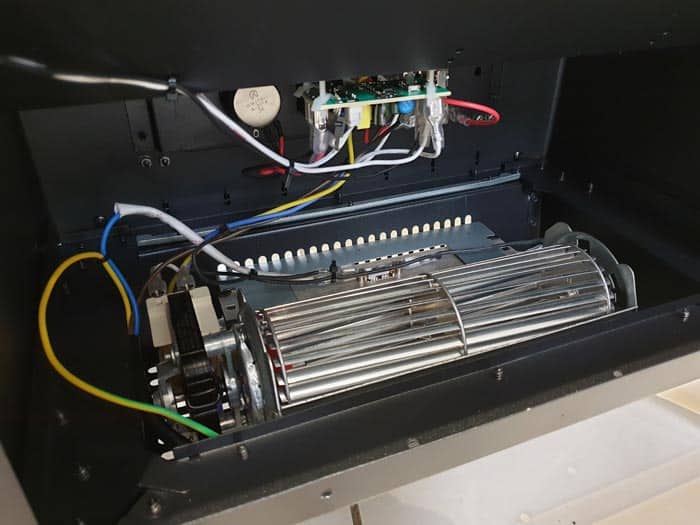
Work slowly and safely. Unplug the fireplace before checking parts. Use a flashlight to see inside vents and panels. Keep tools nearby for adjustments or resets.
Try Different Outlet
Plug the fireplace into another wall outlet. Sometimes outlets lose power or have loose wiring. Test outlets in different rooms to confirm power supply. Avoid using extension cords or power strips. These can cause voltage drops and stop heating.
Changing the outlet can solve many power-related issues fast. If the fireplace heats up in a new outlet, the original outlet may be faulty. Consider calling an electrician to fix that outlet safely.
Reset Circuit Breaker
Check your home’s electrical panel for tripped breakers. A breaker may trip if the fireplace draws too much power. Flip the breaker off and then back on to reset it. This restores power to the fireplace safely.
Make sure the breaker matches the fireplace’s power requirements. If it trips again quickly, this signals a wiring issue or a short circuit. Avoid using the fireplace until a professional inspects it.
Locate And Use Reset Button
Many electric fireplaces have a reset button for safety shutdowns. Find this button on the back or inside an access panel. Check your user manual for exact location and instructions.
Press and hold the reset button for a few seconds. This clears minor faults and restarts the system. If the button does not work, the unit may have a deeper fault requiring service.
Check For Error Codes
Modern fireplaces display error codes on their control panel. These codes reveal specific problems like sensor failures or overheating. Write down any code shown before resetting.
Look up the code in your user manual for detailed troubleshooting steps. Follow the suggested actions carefully. If the code stays, contact customer support for help. Ignoring error codes can worsen the issue.
Credit: fireplaceuniverse.com
When To Call A Professional
Knowing when to call a professional for your electric fireplace can save time and prevent damage. Some problems need expert attention beyond simple fixes. Understanding the signs helps you decide when to seek help.
Persistent Heating Issues
If your electric fireplace keeps failing to heat after resets, it may need a professional. Repeated troubles often point to internal parts wearing out. Technicians can diagnose and fix heating elements or wiring problems safely.
Electrical Safety Concerns
Any smell of burning or sparks requires immediate expert help. Faulty wiring inside the fireplace can cause fire hazards. A professional electrician ensures repairs meet safety standards and protects your home.
Manufacturer Support
Check your warranty before opening the unit yourself. Many manufacturers advise calling authorized service centers for repairs. They provide trained technicians and original parts to keep your fireplace working well.
Maintenance Tips
Proper maintenance keeps your electric fireplace working well and heating your space effectively. Simple steps prevent common issues like no heat. Follow these tips to maintain your fireplace’s performance and safety.
Regular Cleaning
Dust and debris block vents and reduce heating. Clean the air intake and outlet vents often. Use a soft brush or vacuum cleaner to remove dust. Keep the glass and surrounding areas free from dirt. Regular cleaning helps the heater run smoothly.
Inspect Wiring And Components
Check the power cord and plug for damage. Look inside the unit for loose wires or worn parts. Damaged wiring can stop the fireplace from heating. Turn off and unplug before inspecting. Repair or replace faulty components to avoid hazards.
Avoid Extension Cords
Plug the fireplace directly into a wall outlet. Extension cords may cause power loss or overheating. This reduces the heater’s performance and can be unsafe. Use a dedicated outlet to ensure stable power supply and proper heating.
Proper Ventilation
Keep the fireplace area clear and well-ventilated. Blocked vents cause overheating and shut down the heater. Ensure furniture or curtains do not cover air vents. Proper airflow improves heating efficiency and extends the unit’s life.
Replacement Considerations
Deciding to replace your electric fireplace involves careful thought. Many factors influence whether a unit should be repaired or replaced. Understanding these points saves time and money. Replacement considerations help you make a smart choice for your home comfort.
Signs Unit Needs Replacement
Some signs show your fireplace may need replacement. If it stops producing heat despite resets, that is a clear sign. Frequent malfunctions or strange noises also suggest serious issues. Visible damage to the heating elements or wiring can be dangerous. An old unit that uses too much power may be less efficient. If repairs become too frequent, replacement might be better.
Cost Vs Repair
Compare the cost of repairs to buying a new fireplace. Small fixes are usually cheaper and worth trying. Major repairs or parts replacement can be costly. Calculate how much you would spend on repairs over time. New models often have better energy efficiency and warranties. A new unit can save money on electricity and repairs in the long run.
Choosing A New Fireplace
Selecting a new electric fireplace involves more than price. Consider size and style to fit your room decor. Look for features like adjustable heat settings and flame effects. Energy efficiency ratings help reduce electricity bills. Safety certifications ensure the unit meets standards. Check customer reviews for reliability and performance. Choose a model that offers easy installation and low maintenance.

Credit: www.portablefireplace.com
Frequently Asked Questions
How Do You Reset An Electric Fireplace?
Unplug the electric fireplace from the wall outlet. Clean air vents and replace remote batteries if used. Plug it back in directly, then turn it on. If it doesn’t reset, try a different outlet, check for a reset button, or consult the manual for specific instructions.
Why Is My Fireplace Not Putting Out Much Heat?
Your fireplace may emit low heat due to chimney blockages, poor ventilation, or negative air pressure inside your home. Clean the flue and ensure proper airflow for better heat output.
How Do You Fix An Electric Heater That Won’t Heat?
Unplug the heater and check the power source. Clean air vents and replace remote batteries. Reset the circuit breaker or press the reset button. Test a different outlet. Consult the manual or contact a professional if it still won’t heat.
Is It Worth Repairing An Electric Fireplace?
Repairing an electric fireplace is worth it if the cost is lower than replacement. Small issues often fix easily, saving money and extending life.
Why Is My Electric Fireplace Not Producing Heat?
The heater may be off, the thermostat low, or the unit needs resetting.
Conclusion
Electric fireplaces sometimes stop heating due to simple issues. Check power connections and reset the unit carefully. Clean air vents to ensure good airflow and avoid blockages. Test different outlets or reset your circuit breaker if needed. Refer to the user manual for error codes and troubleshooting tips.
Persistent problems may require professional help to keep your fireplace safe. Following these steps can restore warmth and comfort to your home quickly. Don’t ignore small signs; timely action prevents bigger repairs. Stay warm and enjoy your electric fireplace’s cozy heat again.