
Is your dryer making that annoying squeaking noise every time it runs? That constant sound isn’t just frustrating—it could signal a problem that might get worse if ignored.
You want your laundry routine to be smooth and hassle-free, right? Understanding why your dryer squeaks and knowing how to fix it quickly can save you time, money, and stress. You’ll discover simple steps to identify the cause and stop that squeak for good.
Keep reading, and you’ll have your dryer running quietly again before you know it!

Credit: www.youtube.com
Common Squeak Causes
Squeaking noises from your dryer often signal worn or damaged parts. Identifying the common causes helps fix the issue quickly. Regular use can wear down components, causing friction and noise. Understanding these causes prevents further damage and keeps your dryer running smoothly.
Worn Dryer Belt
The dryer belt wraps around the drum and motor pulley. Over time, it can crack, stretch, or fray. A worn belt slips or rubs against parts, creating a squeaking sound. Replacing the belt restores smooth rotation and stops the noise.
Idler Pulley Issues
The idler pulley keeps tension on the dryer belt. If its bearings wear out, the pulley may squeak or grind. Dirt or lack of lubrication can also cause stiffness. Cleaning or replacing the idler pulley stops the unwanted noise.
Drum Roller Wear
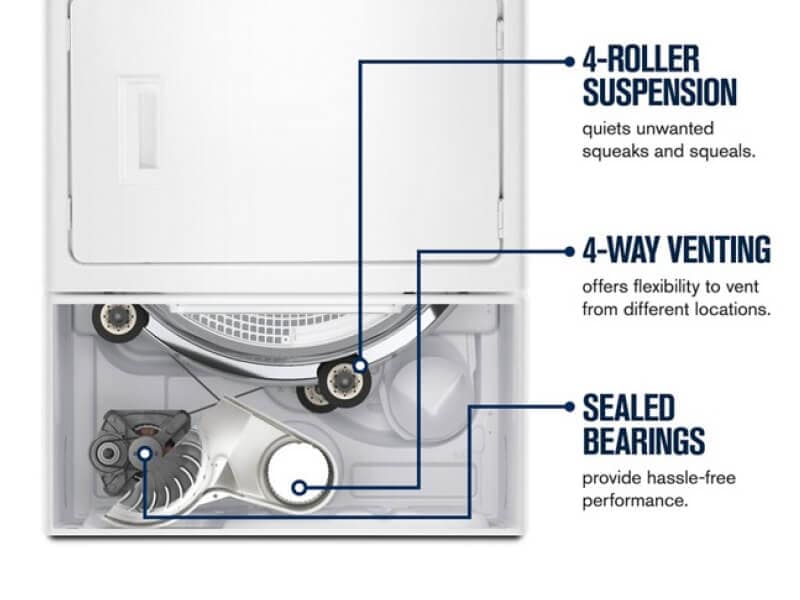
Drum rollers support the rotating drum. Worn rollers cause the drum to wobble and squeak. They may have flat spots or lose their smooth surface. Changing the rollers ensures steady drum movement and silence.
Foreign Objects Inside
Small items like coins or buttons can get trapped inside. These objects hit moving parts, causing squeaking or rattling sounds. Removing foreign objects protects the dryer from damage and stops the noise quickly.
Initial Inspection Steps
Start your dryer squeaking fix by performing an initial inspection. This helps identify the source of the noise before any repairs. Follow these simple steps carefully to ensure safety and accuracy. Each step targets common causes of squeaks in dryers.
Unplug And Safety First
Always unplug the dryer before inspection. This prevents electrical shock or injury. Safety is the top priority. Avoid working on the dryer while it is connected to power.
Check Belt Condition
Inspect the dryer belt for cracks, fraying, or stretching. A worn belt can cause squeaking sounds. Replace the belt if you notice damage. A healthy belt ensures smooth drum rotation.
Examine Pulley And Rollers
Look closely at the idler pulley and drum rollers. They support the belt and drum movement. Check for stiffness, wear, or noise when spinning. Lubricate or replace parts if needed to stop squeaks.
Look For Loose Screws
Loose screws and bolts can cause parts to rub and squeak. Check all visible screws and tighten any that are loose. Secure components reduce unwanted noise and improve dryer function.
Lubrication Tips
Proper lubrication reduces dryer squeaking and extends its life. Regularly oiling key parts keeps the dryer running smoothly. Use the right lubricant and apply it carefully. Avoid common mistakes that cause belt damage or dirt buildup. Follow these lubrication tips to quiet your dryer effectively.
Choosing The Right Lubricant
Select a high-temperature lubricant made for dryers. Avoid general household oils that can burn or gum up. Silicone-based or lithium grease works well for dryer parts. Check the product label to ensure it withstands heat and friction. Using the correct lubricant prevents wear and noise.
Applying To Pulley Shaft
Locate the idler pulley shaft where the belt loops. Clean the shaft with a dry cloth before applying lubricant. Apply a small amount of grease directly on the shaft. Rotate the pulley by hand to spread the lubricant evenly. Too much oil can drip and cause dirt buildup.
Lubricating Roller Shafts
Dryer drum rollers support the drum and reduce friction. Remove lint and dust from the roller shafts first. Add lubricant to the center of each roller shaft. Spin the roller to distribute the grease inside the bearing. Repeat for all rollers to stop squeaks and ensure smooth drum rotation.
Avoiding Belt Contamination
Keep lubricant away from the dryer belt and drum surface. Oil or grease on the belt causes slipping and damage. Use a clean cloth to shield the belt during lubrication. If grease touches the belt, clean it immediately with a mild detergent. Preventing belt contamination keeps your dryer safe and quiet.
Credit: www.maytag.com
Leveling And Stability
Leveling and stability play a key role in stopping dryer squeaks. A dryer that sits unevenly can wobble and create noise. Ensuring the machine is stable helps reduce vibrations and prevents parts from rubbing. Simple adjustments often fix the problem quickly and save repair costs. Follow these steps to check and improve your dryer’s stability.
Using A Level Tool
A level tool shows if your dryer is perfectly flat. Place it on top of the dryer in different spots. Check the bubble inside the level to see if it is centered. This tells you if the dryer is leaning to one side or the other. Correct leveling stops the dryer from rocking and squeaking during use.
Adjusting Dryer Legs
Most dryers have adjustable legs at the bottom. Turn these legs to raise or lower each corner of the dryer. Make small adjustments and recheck with the level tool. The goal is to have all legs touch the floor evenly. This keeps the dryer steady and prevents parts from rubbing together and making noise.
Ensuring Firm Floor Contact
Each dryer leg must sit firmly on the floor. Check for wobbling by gently shaking the dryer. If it moves, adjust the legs again. Avoid placing the dryer on soft mats or uneven surfaces. Hard, flat floors provide the best support and reduce noise. Firm contact stops the dryer from shifting and squeaking.
Replacing Parts
Replacing parts in a dryer is a key step to stop squeaking sounds. Worn or damaged components often cause noise. Changing these parts can restore smooth operation. This process saves money and extends the dryer’s life. Focus on the belt, idler pulley, and drum rollers. Each plays a role in the dryer’s movement and noise control.
When To Replace Belt
The dryer belt wraps around the drum and motor pulley. It spins the drum during a cycle. Signs of a bad belt include cracking, fraying, or stretching. A worn belt may slip or break. If you hear squeaking or the drum stops turning, check the belt. Replace it if it shows visible damage or wear. Use a belt made for your dryer model. Always unplug the dryer before starting this repair.
Idler Pulley Replacement Guide
The idler pulley keeps tension on the dryer belt. It also guides the belt around the motor. A worn pulley can cause squeaks or belt slippage. Look for stiffness or rough spinning. Check the pulley wheel and shaft for damage. To replace it, first unplug the dryer. Remove the belt and old pulley. Install the new pulley in the same position. Refit the belt and test the dryer. Lubricate the pulley shaft if it squeaks but spins freely.
Changing Drum Rollers
Drum rollers support the dryer drum as it turns. They spin on shafts and can wear out over time. Worn rollers cause squeaking or rumbling noises. To replace them, unplug the dryer and remove the front panel. Slide out the drum carefully. Take off the old rollers and clean the shafts. Install new rollers and secure them tightly. Reassemble the dryer and test for noise. Smooth spinning rollers help stop squeaks and improve drum rotation.
Cleaning And Maintenance
Regular cleaning and maintenance keep your dryer running smoothly and quiet. Dirt and small debris cause most squeaks. Simple steps help prevent damage and avoid costly repairs. Follow these easy tips to maintain your dryer and reduce noise.
Removing Lint Buildup
Lint buildup causes the dryer to overheat and squeak. Clean the lint screen after every use. Use a vacuum or brush to clear lint from inside the dryer vent. Remove the vent hose and check for blockages. This improves airflow and prevents friction noises.
Clearing Foreign Debris
Small objects can fall inside the dryer and cause squeaks. Unplug the dryer before cleaning. Check around the drum and under the lint filter for coins, buttons, or fabric pieces. Remove any debris carefully. This stops parts from rubbing and making noise.
Securing Panels Properly
Loose panels and screws cause rattling and squeaking sounds. Turn off and unplug the dryer first. Tighten all screws on the front, back, and sides. Make sure the panels fit snugly without gaps. Properly secured panels reduce vibrations and noise during operation.
Testing After Fixes
After fixing a squeaky dryer, testing is essential to confirm the problem is solved. This step helps you avoid repeated noise and potential damage. Careful testing ensures your dryer runs smoothly and quietly. Follow these simple steps to check your work and decide if further action is needed.
Running The Dryer Quietly
Start by plugging the dryer back in. Run it on a normal cycle without clothes. Listen carefully for any unusual sounds. A quiet, steady hum means the fix worked well. If the squeak returns, the issue might still be there. Try running the dryer for several minutes. This helps identify noises that appear only after some use.
Rechecking For Squeaks
Check all parts you repaired once the dryer stops. Touch the drum, belt, and rollers gently. Feel for any loose or rough spots. Tighten screws or bolts if needed. Spin the drum by hand to detect resistance or noise. A smooth turn means the parts move freely. Repeat the test cycle to confirm the dryer stays quiet over time.
When To Call A Professional
Some squeaks need expert help. If noise persists after your fixes, call a technician. Complex parts or hidden damage may cause the problem. A pro can find issues you might miss. They have tools to fix parts safely. Avoid forcing repairs that could cause more damage. Professional service saves time and protects your dryer.

Credit: hutchpaving.com
Frequently Asked Questions
How Do I Stop My Dryer From Squeaking?
Unplug the dryer and check the belt, idler pulley, and drum rollers for wear. Lubricate pulley and roller shafts with high-temp lubricant. Tighten loose screws and level the dryer. Replace worn parts to stop squeaking effectively.
Is A Squeaking Dryer Safe To Use?
A squeaking dryer may still work but can worsen if ignored. Inspect and fix worn parts promptly to ensure safe use.
Why Is My Dryer Making A High Pitched Squealing Sound?
A high-pitched squealing dryer usually indicates worn or damaged belts, idler pulleys, or drum rollers. Lubricate pulley shafts and rollers, check for loose parts, and replace any worn components to stop the noise.
Is It Worth Fixing A Squeaky Dryer?
Fixing a squeaky dryer is worth it to prevent further damage and improve performance. Regular maintenance saves costly repairs.
Why Is My Dryer Making A Squeaking Noise?
A squeak usually comes from worn belts, idler pulleys, or drum rollers needing inspection or lubrication.
Conclusion
A squeaking dryer can disrupt your daily routine. Regular checks help catch issues early. Inspect belts, pulleys, and rollers often. Lubricate moving parts to keep noise low. Tighten loose screws and level the dryer. Small fixes prevent bigger, costly repairs.
Stay attentive to sounds your dryer makes. Quiet operation means longer appliance life. Simple maintenance keeps your dryer running smoothly.