
Is your dryer getting too hot to touch or shutting off unexpectedly? When your dryer overheats, it’s not just inconvenient—it can be dangerous and damage your clothes or appliance.
You might wonder why this is happening and what you can do to fix it quickly. The good news is that many causes of overheating are simple to identify and often easy to solve. You’ll discover the most common reasons your dryer is overheating, how to spot the warning signs, and practical steps you can take to keep your dryer running safely and efficiently.
Keep reading to protect your home and your laundry routine!
Common Causes Of Overheating
Overheating in a dryer can cause safety risks and damage the appliance. Understanding common causes helps prevent problems and keeps the dryer running smoothly. Several issues may lead to overheating by blocking airflow or causing the dryer to heat too much. Identifying these problems early can save time and money on repairs.
Lint Buildup
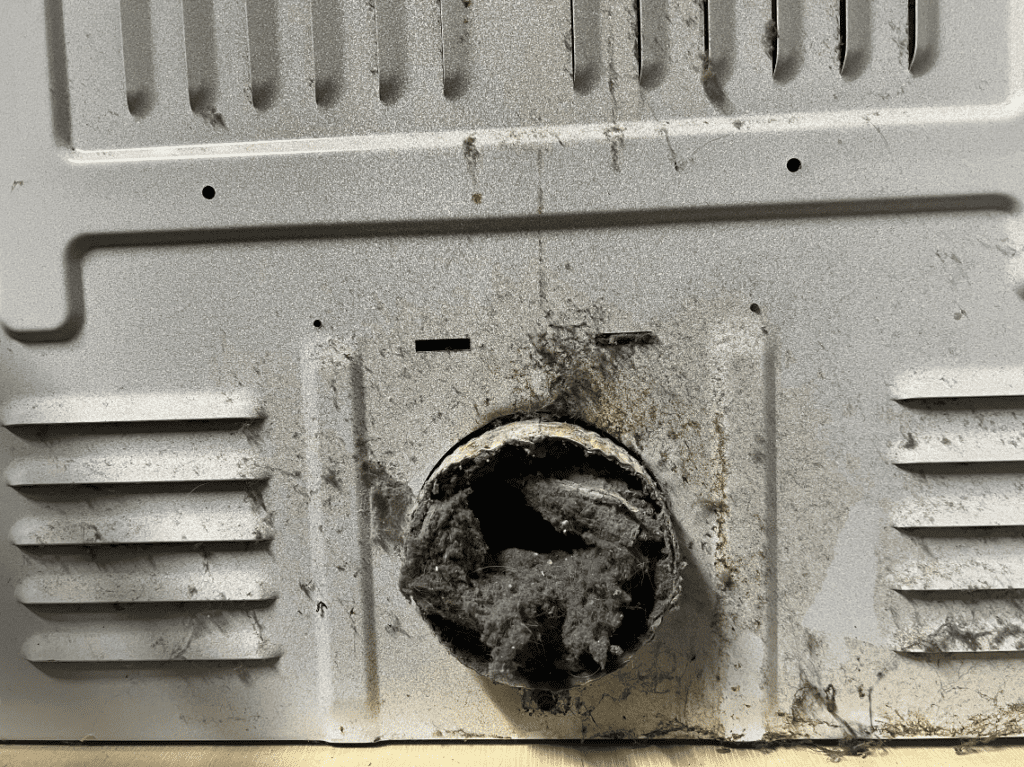
Lint buildup is the leading cause of dryer overheating. Lint blocks airflow and traps heat inside the dryer. Cleaning the lint filter after each use reduces this risk. Also, removing lint from vents and ducts keeps air flowing freely. Ignoring lint buildup can cause the dryer to overheat and even start a fire.
Blocked Vent Hose
A blocked vent hose stops hot air from escaping the dryer. This causes heat to build up inside the machine. Common blockages include crushed hoses, lint clogs, or animal nests. Regularly inspecting and cleaning the vent hose ensures proper airflow. A clear vent hose helps maintain safe dryer temperatures.
Faulty Thermostat
The thermostat controls the dryer’s temperature. A faulty thermostat may fail to turn off the heat at the right time. This causes the dryer to stay too hot for too long. Replacing a broken thermostat restores safe temperature control. Testing the thermostat can diagnose overheating issues.
Damaged Blower Wheel
The blower wheel pushes hot air through the dryer and vent. A damaged or clogged blower wheel reduces airflow. Poor airflow traps heat inside the dryer drum. Inspecting the blower wheel for damage or lint buildup helps maintain airflow. Repairing or replacing a faulty blower wheel can stop overheating.
Worn Drum Seal
The drum seal keeps hot air inside the dryer drum. A worn or torn seal lets air escape. This forces the dryer to work harder, raising internal temperatures. Checking the drum seal for wear and replacing it when needed improves efficiency. A good seal helps prevent the dryer from overheating.

Credit: www.reddit.com
Cleaning And Maintenance Tips
Proper cleaning and maintenance keep your dryer running safely. Overheating often results from poor airflow and lint buildup. Regular care stops this problem before it starts.
Follow these simple steps to maintain your dryer. Each step helps avoid overheating and improves drying efficiency.
Clean Lint Filter After Every Load
Remove lint from the filter after each drying cycle. A clogged lint filter blocks airflow and causes heat to build up. Cleaning it is quick and prevents fire hazards.
Clear Entire Vent System
Clean the vent hose and ducts regularly. Disconnect the hose and remove lint using a vacuum or brush. Blocked vents trap heat inside the dryer, raising its temperature.
Ensure Proper Air Circulation
Check that air flows freely around the dryer. Avoid tight spaces and keep vents unobstructed. Good circulation helps cool the dryer and stops overheating.
Keep Dryer Area Uncluttered
Clear items away from the dryer’s sides and back. Clutter restricts airflow and traps heat. A clean area around the dryer helps it run safely and efficiently.
Inspecting Dryer Components
Inspecting the components of your dryer is a key step to stop overheating. Each part plays a role in keeping the dryer cool and working well. A small problem in one area can cause heat to build up quickly. Check each component carefully to find hidden issues. This helps improve airflow and dryer safety.
Check Vent Hose For Kinks And Blockages
Look at the vent hose behind your dryer. Make sure it is not bent or twisted. Kinks block the air from moving out. Also, clear any lint or debris inside the hose. Blockages reduce airflow and cause the dryer to overheat. Straight and clean hoses keep air flowing freely.
Examine Exterior Vent Flap
Go outside and find the vent flap where air leaves the dryer. The flap should open easily when the dryer runs. Check for stuck leaves, dirt, or nests that block the flap. A stuck flap traps hot air inside the dryer. Clean the area and make sure the flap moves without trouble.
Inspect Blower Wheel Condition
Open the dryer cabinet to see the blower wheel. This wheel pushes hot air through the vent hose. Check if it is clogged with lint or damaged. A dirty or broken blower wheel cannot move air well. Clean the wheel gently or replace it if broken. Proper airflow stops the dryer from getting too hot.
Look For Drum Seal Wear
Drum seals keep hot air inside the drum and help airflow. Check the seal around the drum edges for cracks or missing parts. Worn seals let air escape, causing the dryer to work harder and heat up. Replace damaged seals to keep the dryer running safely and cool.

Credit: www.callahansappliance.com
Testing And Replacing Parts
Testing and replacing parts in your dryer is essential to fix overheating issues. This process helps identify faulty components causing the problem. It also ensures safe and efficient dryer operation. Follow these steps to check key parts carefully.
Test Thermostat With Multimeter
Start by unplugging the dryer for safety. Remove the back panel to access the thermostat. Set your multimeter to the continuity setting. Place the probes on the thermostat terminals. A reading means the thermostat is good. No reading means it needs replacement.
Check Heating Element Function
Locate the heating element inside the dryer. Inspect it for breaks or burn marks. Use a multimeter to test continuity across the element. No continuity suggests the element is faulty. Replace the heating element if it does not pass the test.
Evaluate Timer Motor
The timer motor controls drying cycles. Listen for unusual noises during operation. Test the motor with a multimeter for continuity. Lack of continuity means the timer motor is defective. Replace the timer motor to prevent overheating caused by timing errors.
When To Call A Professional
Some repairs need expert skills and tools. Call a professional if you feel unsure or unsafe. Also seek help for complex parts replacement. Professionals ensure proper diagnosis and fix problems quickly. Avoid risks by hiring a qualified technician.
Preventive Measures To Avoid Overheating
Preventing dryer overheating starts with simple, consistent habits. These steps help keep your dryer safe and working well. Following a routine keeps problems away and extends your dryer’s life. Use these tips to avoid heat build-up and ensure your dryer runs smoothly every time.
Regular Maintenance Schedule
Clean the lint filter after every load. Lint buildup blocks airflow and causes heat to rise. Clear the vent system at least twice a year. Disconnect the hose and remove lint inside. Check the dryer’s drum and seals for wear. Replace parts that look worn or damaged to keep air flowing.
Avoid Overloading Dryer
Do not put too many clothes in the dryer at once. Overloading stops air from moving inside the drum. Clothes need room to tumble and dry evenly. When airflow is blocked, heat builds up and can cause damage. Dry smaller loads to keep your dryer safe and efficient.
Use Appropriate Dryer Settings
Choose the right setting for the type of fabric. Heavy fabrics need more time but low heat. Use lower heat for delicate items to avoid damage. Avoid using high heat for all loads. Proper settings prevent overheating and save energy. Follow the manufacturer’s guide for best results.
Keep Dryer Vents Clear Outdoors
Check the outside vent flap regularly. Remove leaves, dust, or nests that block airflow. Make sure the flap opens fully when the dryer runs. Clear any debris that may trap heat inside. Proper vent clearance helps hot air escape quickly and safely. This stops heat build-up and protects your dryer.
Credit: dryerdoctors.com
Frequently Asked Questions
How To Stop A Dryer From Overheating?
Clean the lint filter after every load and clear vent pipes regularly to maintain airflow. Check for blockages, damaged blower wheels, or faulty thermostats. Ensure enough space around the dryer for air circulation. Inspect seals and internal parts if overheating continues.
Unplug before any internal inspection.
How To Tell If A Dryer Thermostat Is Bad?
A bad dryer thermostat causes overheating or no heat. Test continuity with a multimeter. Replace if it shows no continuity or irregular readings.
Can A Dryer Stop Working If It Gets Too Hot?
A dryer can stop working if it overheats to prevent damage. Overheating often results from lint buildup or blocked vents. Regularly cleaning filters and vents ensures proper airflow and prevents shutdowns. Faulty thermostats or damaged parts may also cause the dryer to stop working due to excessive heat.
Is Your Dryer Supposed To Be Hot To The Touch?
A dryer’s surface can feel warm but should not be hot to the touch. Excess heat may indicate airflow issues or a faulty thermostat. Clean lint filters and vents regularly to prevent overheating and ensure safe operation.
Why Is My Dryer Overheating During A Cycle?
Dryer overheating often happens due to blocked vents or lint buildup reducing airflow.
Conclusion
Dryer overheating can cause damage and safety risks. Keep the lint filter clean after every use. Regularly clear vents to maintain good airflow. Check for blockages and ensure the vent flap works properly. Inspect parts like the blower wheel and drum seal for damage.
Test the thermostat and heating element if problems continue. Always unplug the dryer before any inspection. Taking these steps helps your dryer work safely and last longer. Stay attentive to avoid costly repairs and hazards.