
Is your dryer taking forever to dry clothes, or worse, not drying them at all? If you’ve noticed your laundry piling up or your energy bills creeping higher, chances are your dryer is struggling with airflow problems.
When air can’t move freely through your dryer, it not only slows down drying time but can also cause overheating and even damage your appliance. Don’t ignore these signs—your dryer’s airflow is key to its performance and your safety. Keep reading to discover how to spot airflow issues, what causes them, and simple fixes you can do yourself to get your dryer running efficiently again.

Credit: www.reddit.com
Common Dryer Airflow Issues
Dryers need proper airflow to work efficiently. Poor airflow causes longer drying times and higher energy use.
Several common problems block the air from moving through the dryer. These issues reduce performance and may cause damage.
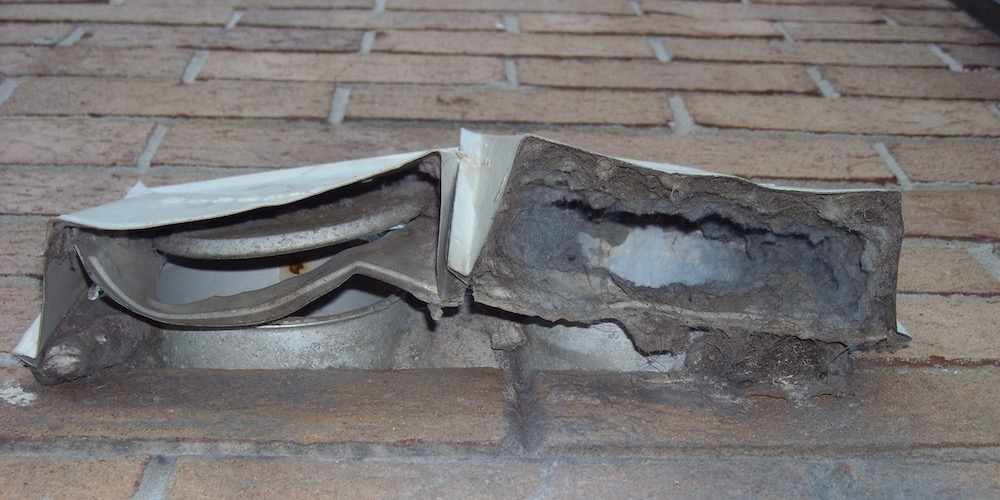
Lint Buildup Effects
Lint can collect in the lint screen, exhaust hose, or vent. This buildup blocks air and traps heat inside the dryer.
Clothes take longer to dry. The dryer may overheat or shut off unexpectedly. Cleaning lint regularly improves airflow and safety.
Crushed Or Blocked Exhaust Hose
The exhaust hose pushes hot air outside. If it is crushed or bent, air cannot flow freely.
Blockages in the hose trap heat and moisture. Check the hose for kinks and clear any obstructions for better airflow.
Vent Connection Problems
Loose or disconnected vents leak air and reduce dryer efficiency. Proper vent connections keep air flowing outside the home.
Inspect the vent joints and tighten any loose fittings. A secure vent prevents lint buildup and improves dryer performance.
Dryer Overheating Signs
Overheating is a warning of airflow problems. The dryer may feel very hot, shut off mid-cycle, or give a burning smell.
Monitor your dryer’s temperature and stop using it if overheating occurs. Fix airflow issues to protect your dryer and home.
Credit: www.energyvanguard.com
Quick Checks For Airflow
Airflow is vital for your dryer to work well and dry clothes fast. Poor airflow causes longer drying times and can even damage your machine. Simple checks can spot airflow problems early. These easy steps help keep your dryer running smoothly.
Cleaning The Lint Screen
The lint screen traps fibers from clothes. A dirty screen blocks air and slows drying. Remove the lint screen after every load. Use your hand or a soft brush to clean it fully. Washing the screen with soap and water once a month clears stubborn lint.
Examining The Exhaust Hose
The exhaust hose vents hot air outside. A bent or crushed hose reduces airflow. Pull the dryer away from the wall to inspect the hose. Straighten any kinks or replace damaged sections. Also, check inside the hose for lint buildup and clean it out.
Inspecting The Vent Opening
Check the vent opening outside your home. It should be free of blockages like leaves or dirt. The flap or cover must open easily when the dryer runs. Clean any debris around the vent to ensure air flows freely. A blocked vent causes heat and moisture buildup inside.
Checking Dryer Placement
Place your dryer with enough space behind it. Tight spaces can squash the vent hose and block airflow. Leave at least five inches of clearance from the wall. Avoid storing items behind or around the dryer. Good placement helps air move freely and keeps your dryer safe.
Testing Dryer Airflow
Testing dryer airflow is a key step to find out why your clothes take too long to dry. Poor airflow reduces the dryer’s efficiency and raises energy use. Checking airflow helps spot problems early and keeps your dryer working well.
Diy Airflow Sound Test
Listen to your dryer while it runs. A strong, steady whooshing sound shows good airflow. If the sound is weak or choked, airflow may be blocked. Check the vent and duct for bends or lint. Clear any blockages to restore airflow.
Using An Airflow Meter
An airflow meter gives exact airflow readings. Insert the meter into the vent or duct. The meter shows how much air passes through. Low readings mean the vent is clogged or restricted. Use this tool to confirm airflow issues before cleaning.
Spotting Airflow Restriction
Look for signs of airflow problems around your dryer. Clothes take longer to dry or feel damp. The dryer gets very hot or smells burnt. Lint builds up near the vent opening. These signs often mean airflow restriction. Clean the vent and ducts to fix it.
Simple Fixes To Boost Airflow
Improving dryer airflow can fix many drying problems quickly. Simple steps often clear blockages and restore proper air movement. These fixes help your dryer work better and use less energy. Follow these easy tips to boost airflow and dry clothes faster.
Removing Lint Blockages
Lint buildup blocks air and reduces dryer efficiency. Clean the lint screen before every load. Check inside the dryer drum for hidden lint. Use a vacuum or brush to clear lint from vents and ducts. Regular lint removal prevents overheating and fire risks.
Straightening Exhaust Hose
A bent or crushed exhaust hose limits airflow. Pull the dryer away from the wall to inspect the hose. Straighten any kinks or folds carefully. Replace damaged hoses with smooth, rigid vent pipes for better airflow. Proper hose alignment helps hot air exit quickly.
Securing Vent Connections
Loose vent connections cause air leaks and poor drying. Check where the hose meets the dryer and wall vent. Tighten clamps or screws to seal gaps firmly. Use metal foil tape to reinforce connections if needed. Secure vents keep air flowing through the right path.
Relocating Dryer For Better Venting
Dryers placed too close to walls can block airflow. Move the dryer at least a few inches from the wall. Avoid tight corners or enclosed spaces. Position the dryer near an outside vent for faster air exit. Better placement improves drying speed and dryer life.
Preventing Future Airflow Problems
Preventing future airflow problems in your dryer keeps it working efficiently. Good airflow helps dry clothes faster and reduces energy use. It also lowers fire risks linked to lint buildup. Small, regular care steps can avoid big issues later. Focus on keeping vents clear and parts clean. Watch the dryer’s performance for early signs of trouble.
Regular Lint Screen Cleaning
Clean the lint screen after every load. Lint blocks airflow and can cause overheating. Remove all visible lint before starting the dryer. Use water and a soft brush to clean the screen monthly. A clean screen improves drying speed and safety.
Scheduled Vent Cleaning
Dryer vents fill with lint over time. Schedule vent cleaning at least once a year. Use a vent cleaning brush or hire a professional service. Clear vents let hot air escape easily. This reduces drying time and prevents airflow problems.
Avoiding Vent Kinks
Check the vent hose for bends or kinks. Kinks block airflow and strain the dryer motor. Make sure the hose is straight and not crushed. Use rigid or semi-rigid vent pipes for better airflow. Keep the vent path short and smooth.
Monitoring Dryer Performance
Notice changes in drying time or heat. Longer drying or hot dryer surfaces may signal airflow issues. Listen for unusual noises or check for lint near vents. Early detection helps fix problems before damage occurs. Regular checks keep your dryer running well.
When To Call A Professional
Knowing when to call a professional for dryer airflow problems saves time and prevents damage. Some issues are simple and safe to fix alone. Others require expert tools and skills. Acting quickly avoids bigger problems and keeps your dryer working well.
Persistent Airflow Errors
Errors that keep showing up need a professional’s help. Cleaning the lint screen and vent might not fix the problem. A technician can find hidden blockages or damaged parts. They test airflow with special tools to spot hard-to-see issues. Persistent errors may also signal worn-out components. Experts replace or repair parts safely and properly.
Complex Vent Repairs
Vent problems can be tricky and risky. Crushed or broken vents reduce airflow and cause overheating. Fixing vents inside walls or ceilings is hard for most homeowners. Professionals have the right tools and know local codes. They ensure vents are clear and correctly installed. This keeps your dryer safe and efficient. Complex vent repairs are best left to experts to avoid fire hazards.
Sensor And Electrical Issues
Airflow problems might be caused by faulty sensors or wiring. These parts control dryer cycles and heat. Electrical issues can stop the dryer or cause errors. Testing and fixing electrical parts needs experience. Professionals handle wires and sensors without risk. They make sure your dryer runs smoothly and safely. Avoid DIY electrical repairs to prevent shocks or damage.
Frequently Asked Questions
What Are Potential Symptoms Of Improper Air Flow In A Dryer?
Symptoms of improper dryer airflow include longer drying times, burning smells, overheating, lint buildup near vents, and increased energy bills.
How Do I Fix The Airflow In My Dryer?
Clean the lint screen and dryer vent thoroughly. Straighten or replace crushed exhaust hoses. Ensure the dryer has enough space from the wall. Remove any lint buildup near vent connections. Regular maintenance improves airflow and prevents overheating.
Why Does My Dryer Keep Saying Air Flow?
Your dryer shows “air flow” due to lint buildup blocking vents or ducts. Clean the lint filter, exhaust vent, and ducts to restore airflow and prevent overheating.
How To Test Air Flow In Dryer?
To test dryer airflow, turn on the dryer and hold your hand near the vent outside. Strong, steady air indicates good airflow. Check for weak or no airflow, which signals blockages or lint buildup needing cleaning.
What Causes Poor Air Flow In Dryers?
Poor air flow often results from clogged lint filters, blocked vents, or crushed exhaust hoses.
Conclusion
Poor dryer airflow causes longer drying times and higher energy use. Clean the lint screen and vent regularly to keep air moving. Check the exhaust hose for clogs or crushing that blocks airflow. Proper airflow prevents overheating and keeps your dryer working well.
Small fixes can save money and avoid bigger repairs later. Keep an eye on airflow to maintain dryer safety and efficiency. Regular care helps your clothes dry faster and your dryer last longer.