
Have you just finished painting your door only to find it stubbornly sticking every time you try to close it? It’s a common and frustrating problem that can turn your fresh paint job into a daily headache.
But don’t worry—you’re not alone, and there are simple, effective ways to fix this. You’ll discover why your door is sticking after painting and how to quickly get it sliding smoothly again. Keep reading, because a little know-how can save you time, money, and keep your door looking perfect for years to come.
Causes Of Door Sticking After Painting
Doors can stick after painting for several reasons. Understanding these causes helps fix the problem quickly. Sticking doors create frustration and affect the smooth use of your home. Below are common causes that make doors stick after a fresh paint job.
Paint Seal On Edges
Paint often creates a seal where the door meets the frame. This dried paint acts like glue. It binds the door and frame together, stopping smooth movement. The seal forms when paint overlaps on both the door edge and the frame. This seal can trap the door, making it hard to open or close.
Swollen Or Warped Wood
Wood absorbs moisture from paint and the air. This causes the wood to swell or warp. Swollen wood expands, tightening the fit between the door and frame. Warping changes the door’s shape, causing it to rub against the frame. Both swelling and warping lead to sticking.
Hinge Issues
Hinges may cause sticking if they are loose or rusty. Loose hinges make the door sag. Rusty hinges create resistance when the door moves. Misaligned hinges change the door’s position, causing it to catch on the frame. Proper hinge maintenance keeps the door moving freely.
Environmental Factors
Humidity and temperature changes affect doors after painting. High humidity makes wood absorb moisture and swell. Cold or dry weather can shrink wood, causing gaps or misalignment. Seasonal changes cause the door and frame to expand or contract. This movement may result in sticking.
Tools Needed For Quick Fixes
Fixing a door that sticks after painting requires simple tools. These tools help you open the door without damage. They also prepare the door for smooth operation again. Keep these handy for quick, easy fixes.
Utility Knife
A utility knife cuts through the dried paint seal. Score along the edges where the door meets the frame. This breaks the paint that binds the door to the frame. Use a sharp blade for clean cuts. Be careful to avoid scratching the wood.
Putty Knife
Use a thin putty knife to gently pry the door open. Insert it where the paint is scored by the utility knife. Slowly and carefully work it in to loosen the door. This tool prevents damage while freeing the door from the frame.
Sanding Block
A sanding block smooths thick paint or swollen wood areas. Sand only the spots where the door sticks. Do this gradually and test the door often. This prevents removing too much material and keeps the door fitting well.
Lubricants And Wax
Lubricants like silicone spray or wax reduce friction. Apply them to the door edges and hinges. This stops future sticking and helps the door close smoothly. Wax also protects wood from moisture and swelling.
Breaking The Paint Seal
Fresh paint often creates a seal between the door and frame. This seal causes doors to stick tightly. Breaking the paint seal is the first step to free the door. The goal is to separate the paint without damaging the door or frame. Using simple tools and gentle care helps avoid extra work or repairs.
Scoring Paint Along Door Edges
Use a sharp utility knife to score the paint along the door edges. Focus on the top, bottom, and sides where the door touches the frame. Cut carefully to break the dry paint seal. This step stops the paint from holding the door closed. Take your time to avoid scratching the wood underneath.
Gently Prying The Door Open
After scoring, use a thin putty knife or pry bar to open the door. Insert the tool into the scored line between the door and frame. Slowly and gently pry the door open. Avoid forcing it, which could damage the paint or wood. Repeat scoring and prying if the door still sticks tight.

Credit: www.reddit.com
Sanding Sticking Points
Sanding sticking points is a key step to fix a door that sticks after painting. It helps remove excess paint or swollen wood blocking the door. This process requires care and patience to avoid damaging the door or frame. Proper sanding ensures smooth opening and closing without scraping.
Identifying Paint Scrapes
Look closely at the door edges and frame for fresh paint scrapes. These scrapes show where the door rubs against the frame. Mark these spots as areas needing sanding. Checking both the door and frame helps find all sticking points. This step prevents missing hidden trouble spots.
Gradual Sanding Techniques
Use a sanding block with fine-grit sandpaper for better control. Sand small amounts at a time to avoid removing too much paint or wood. After each sanding, test the door to check movement. Focus on marked sticking points and smooth rough areas. Repeat sanding and testing until the door moves easily.
Cleaning And Repainting Edges
After sanding, clean dust and debris from the door edges. Use a damp cloth and let the wood dry completely. Apply primer to bare wood to protect it from moisture. Then repaint the edges with matching paint. This step restores the door’s look and prevents future sticking.
Lubricating Door And Frame
Lubricating the door and frame helps prevent sticking after painting. It reduces friction where the door meets the frame. This simple step allows the door to open and close smoothly. Proper lubrication also protects the wood and paint from damage. Choose the right lubricant for best results.
Using Paraffin Wax And Crayons
Paraffin wax and crayons work well to lubricate door edges. Rub the wax or crayon gently along the door frame where it sticks. The wax creates a thin, slippery layer that reduces friction. It is safe for painted surfaces and easy to apply. This method is affordable and lasts for a long time.
Applying Silicone Or Teflon Spray
Silicone or Teflon sprays provide excellent lubrication for doors and frames. Spray a small amount on the door edges and hinges. These sprays dry quickly and do not attract dust. They create a smooth surface that helps the door move freely. Use these sprays in well-ventilated areas for safety.
Avoiding Petroleum-based Oils
Petroleum-based oils can damage painted doors and frames. They may cause paint to soften or peel over time. These oils also attract dirt and dust, making the door stick more. Avoid using motor oil, WD-40, or similar products. Choose waxes or silicone sprays for longer-lasting lubrication.
Preventing Future Sticking
Preventing a door from sticking after painting saves time and effort later. Proper care during and after painting keeps doors functioning smoothly. Simple steps can reduce swelling, misalignment, and friction that cause sticking.
Following these tips will help maintain the door’s ease of use and appearance for a long time.
Proper Drying Times Before Closing
Allow paint to dry completely before closing the door. Closing too soon traps moisture and causes the wood to swell. Swollen wood increases friction between the door and frame. Check the paint can for recommended drying times. Wait at least 24 hours in most cases. Good airflow speeds up drying and prevents sticking.
Maintaining Door Alignment
Check the door’s alignment regularly. Hinges can loosen or shift over time. Misaligned doors rub against the frame and stick. Tighten hinge screws to keep the door straight. Use a level to confirm proper alignment. Adjust hinges or strike plates if the door does not close smoothly.
Regular Lubrication
Lubricate door hinges to reduce friction and wear. Use a silicone spray or light machine oil for best results. Apply lubricant at least twice a year. Open and close the door several times to spread the lubricant evenly. Lubrication helps the door swing freely and prevents squeaks and sticking.
Handling Hinge-related Sticking
Hinge-related sticking is a common cause of doors jamming after painting. Hinges can get stiff or misaligned, making the door hard to open or close. Handling these issues quickly helps keep the door working smoothly and prevents damage to the frame or paint.
Oiling Hinges
Oiling hinges is a simple way to fix sticking doors. Use a few drops of lubricant on each hinge pin. Open and close the door several times to spread the oil inside the hinge. This reduces friction and helps the door move freely again. Choose a light oil or spray made for door hinges. Avoid thick greases that can attract dirt.
Adjusting Or Replacing Hinges
Sometimes hinges may need adjustment or replacement to stop sticking. Check if the screws are loose or the hinge is bent. Tighten loose screws with a screwdriver. If the hinge is damaged or worn, replace it with a new one of the same size. Adjusting the hinge position can realign the door and stop it from rubbing against the frame. Use a level to ensure the door hangs straight after adjustment.
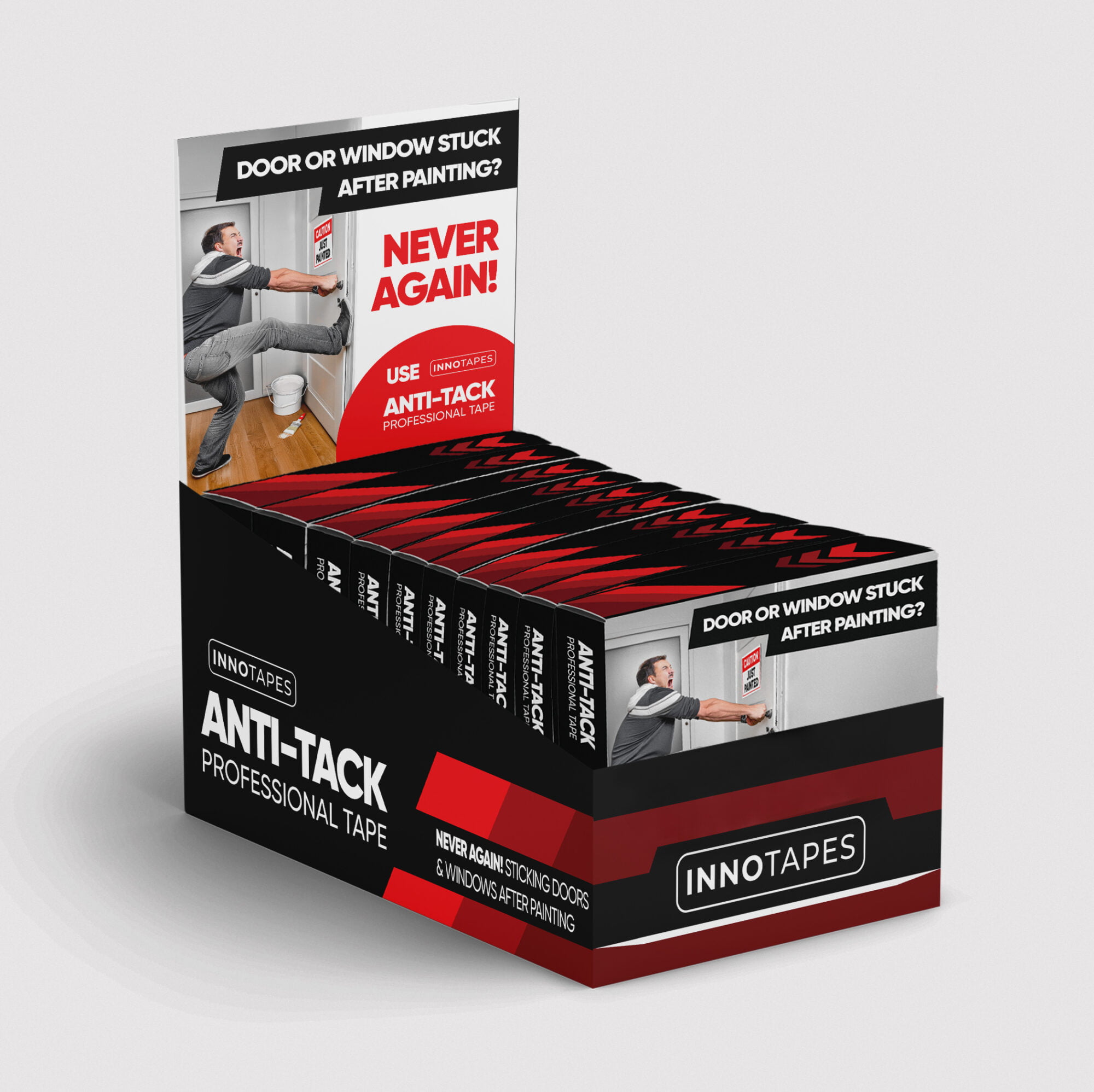
Credit: innotapes.com
When To Seek Professional Help
Knowing when to seek professional help for a door sticking after painting saves time and frustration. Some door problems need expert skills beyond simple fixes. Recognizing these signs ensures your door works smoothly without damage.
Persistent Sticking Despite Diy Efforts
Trying to fix the door with sanding or scoring but it still sticks? This could mean the problem is deeper. Professionals have tools and experience to handle stubborn issues effectively.
Visible Damage To Door Or Frame
Warped wood, cracked paint, or damaged frames need careful repair. Incorrect handling can worsen these problems. Experts can restore the door and frame without causing further harm.
Difficulty Aligning The Door
If the door does not close properly after adjustments, the hinges or frame might be misaligned. Professionals can realign the door correctly for smooth operation.
Complex Paint Or Finish Problems
Thick or uneven paint layers often cause sticking. Removing or fixing these layers requires skill. A pro can refinish the door to prevent future sticking.
Time Constraints Or Lack Of Tools
Fixing a sticking door can take time and special tools. Hiring a professional saves effort and guarantees a quality job done quickly.
Frequently Asked Questions
What Is The Best Way To Fix A Sticking Door?
Score paint along door edges with a utility knife, gently pry open, then sand sticking spots. Apply lubricant like paraffin wax or silicone spray to prevent future sticking.
How To Unstick A Newly Painted Door?
Score the paint along the door edges with a utility knife. Gently pry open using a thin putty knife. Sand swollen areas if needed. Apply paraffin wax or silicone spray to prevent future sticking.
Why Are My Doors Still Sticky After Painting?
Doors stay sticky after painting due to thick paint layers or swollen wood. Score edges with a utility knife, sand sticking spots, then lubricate edges to prevent sticking.
How Long Should You Wait To Close A Door After Painting It?
Wait at least 24 hours before closing a freshly painted door to allow proper drying and avoid sticking. For oil-based paints, wait 48 hours. Ensure edges are dry and not tacky to prevent damage and sticking issues.
Why Does My Door Stick After Painting?
Fresh paint can swell wood or create a seal, causing the door to stick in its frame.
Conclusion
A door sticking after painting is a common problem. Careful steps can fix it quickly and easily. Score the paint along the edges with a utility knife. Gently pry the door open using a thin putty knife. Sand any swollen or thick paint areas little by little.
Test the door often to avoid over-sanding. Clean the dust, then repaint the sanded edges. Let the paint dry fully before closing the door. Finally, apply lubricant to the door edges and frame. This helps prevent sticking in the future.
Simple care keeps your door working smoothly.