
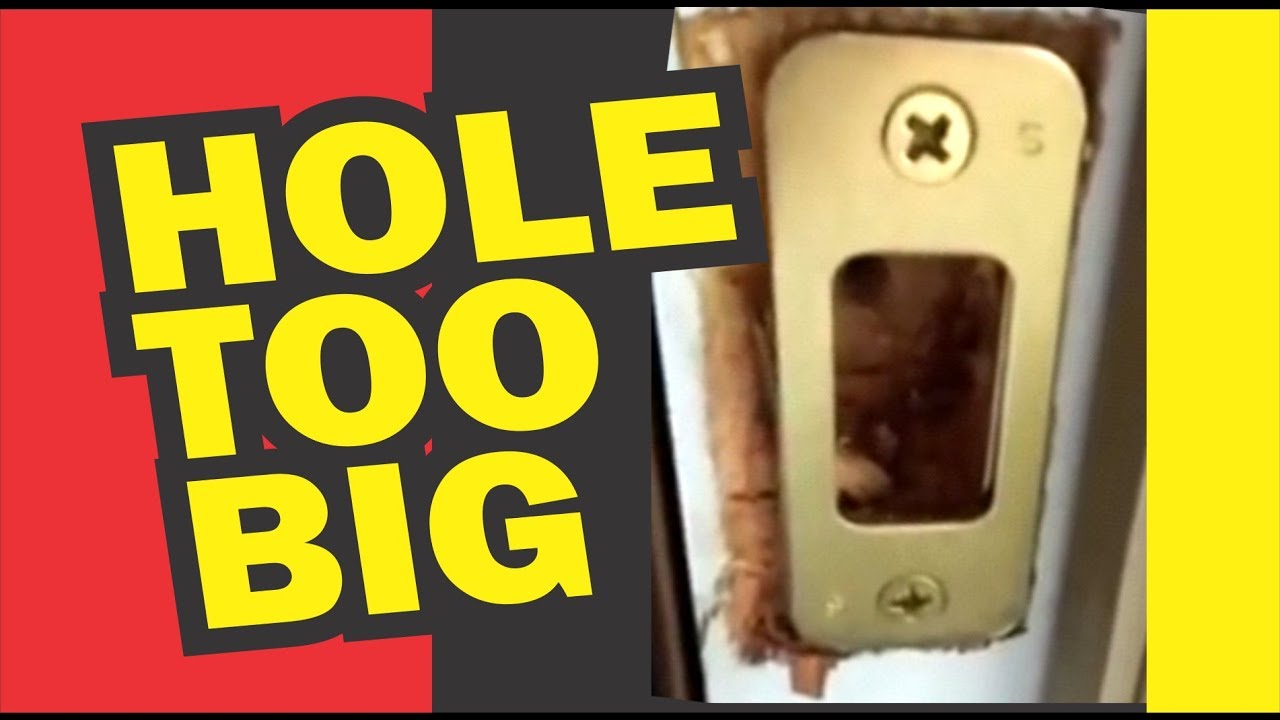
Is your door knob hole too big, making it impossible to secure your doorknob properly? You’re not alone—this common issue can be frustrating, especially if you want your door to look neat and function smoothly.
But don’t worry, you don’t have to replace the entire door or call a costly professional. With a few simple tricks and easy-to-find materials, you can fix that oversized hole quickly and restore your door’s perfect fit. Keep reading, and you’ll discover practical solutions that save you time, money, and hassle—so your door looks and works like new again!
Causes Of Oversized Door Knob Holes
Oversized door knob holes can cause issues like loose knobs and reduced security. Understanding the causes helps prevent damage and guides proper fixes. Several common reasons lead to bigger-than-normal holes in doors.
Wear And Tear Over Time
Repeated use causes the hole to widen slowly. The knob and latch move slightly with each use. This movement wears away wood around the hole edges. Older doors often show this kind of damage. The hole becomes larger as the material breaks down.
Incorrect Installation
Drilling the hole too large from the start is common. Using the wrong size drill bit creates oversized holes. Sometimes, installers guess the size without measuring. Poor alignment can also force the hole to expand. This mistake leads to unstable door knobs and hardware.
Upgrading Door Hardware
Replacing old knobs with bigger models may require bigger holes. New hardware sometimes does not fit existing holes properly. Drilling to enlarge holes can make them too big. This leaves gaps and weakens the door structure. Upgrades must match hole sizes for a snug fit.

Credit: www.reddit.com
Tools And Materials Needed
Fixing a door knob hole that is too big requires the right tools and materials. Having these ready makes the repair easier and more effective. This section covers the basics you will need for the job.
Wood Glue And Wooden Plugs
Wood glue is essential for filling and sealing the oversized hole. It bonds the wooden plugs firmly inside the hole. Wooden plugs come in various sizes to match the hole diameter. They provide a solid base to re-drill and install the door knob securely.
Hole Saws And Drill Bits
Hole saws help cut clean, round plugs or enlarge the door knob hole carefully. Drill bits are necessary for making pilot holes for screws. Using the right size drill bits prevents further damage to the door. Sharp tools make the process smooth and precise.
Sandpaper And Clamps
Sandpaper smooths rough edges and levels the wooden plug with the door surface. Use fine-grit sandpaper for a neat finish. Clamps hold the wooden plug tightly in place while the glue dries. This ensures a strong, lasting repair without gaps or looseness.
Simple Wooden Plug Repair
Fixing a door knob hole that is too big can be simple with a wooden plug repair. This method fills the oversized hole with a piece of wood. It restores strength and prepares the door for a new knob installation. The process requires basic tools and some patience.
This repair is perfect for older doors or when the existing hole has worn out. It stops loose knobs and improves door function. Follow the steps carefully for a neat, lasting fix.
Removing Door Hardware
Start by removing the door knob and latch. Use a screwdriver to take off screws holding the hardware. Keep all parts safe for later use. Cleaning the hole area helps the plug fit better. Ensure the hole is clear of dust and debris.
Cutting And Shaping The Plug
Find a piece of wood slightly larger than the hole. A hardwood scrap or dowel works well. Cut the wood to size using a saw. Shape the edges so the plug fits snugly into the hole. Test the fit and trim as needed. The plug should sit flush with the door surface.
Gluing And Securing The Patch
Apply wood glue around the plug and inside the hole. Insert the plug carefully and press firmly. Clamp or hold the plug in place until the glue dries. This step ensures the patch stays secure. Avoid moving the plug during drying time.
Sanding And Finishing
Once the glue is dry, sand the plug smooth with the door surface. Use fine-grit sandpaper for a clean finish. Wipe away dust with a cloth. Paint or stain the patched area to match the door. This hides the repair and protects the wood.

Credit: www.workshop.bunnings.com.au
Using Larger Hole Saw For Resizing
Using a larger hole saw for resizing a door knob hole offers a clean, precise way to fix holes that are too big. This method helps create a new, properly sized hole that fits your hardware perfectly. It avoids messy patches and makes the door look neat and professional.
Choosing The Right Hole Saw Size
Pick a hole saw that matches the size of your new door knob. Measure the knob’s diameter carefully. The hole saw should be slightly larger than the existing hole to cover any damage. Avoid a hole saw that is too big, or the problem will get worse.
Drilling A Centered Hole
Mark the center point of the current hole. Use a pencil or marker to ensure accuracy. Hold the hole saw steady and drill slowly. This helps keep the hole centered and prevents splintering. Use a drill guide if possible for better control.
Preparing For New Hardware Installation
After drilling, clean the edges of the hole with sandpaper. Remove any rough or splintered wood. Test fit the new door knob to check the size. Make small adjustments if needed. Proper preparation ensures the hardware fits well and works smoothly.
Fixing Screw Holes That Are Too Large
Fixing screw holes that are too large is a common problem with door knobs. Large holes prevent screws from holding the knob tightly. Loose knobs can make doors hard to use or cause damage over time. This section explains simple ways to fix oversized screw holes. These methods restore the strength needed to keep your door knob secure.
Using Toothpicks And Wood Glue
Fill the large hole with toothpicks coated in wood glue. Push them inside until the hole is fully packed. Let the glue dry completely. Cut off the excess toothpicks so they are flush with the door surface. Sand the area smooth. This method creates a solid base for the screw to grip again.
Inserting Wood Dowels
Find a wood dowel slightly bigger than the hole. Apply wood glue around the dowel. Insert it into the hole and tap gently until it fits tightly. Allow the glue to dry fully. Trim and sand the dowel flush with the door. This fills the hole with strong wood, making it easy to screw back in.
Re-drilling Pilot Holes
After filling the hole, mark the spot for the screw. Use a drill bit smaller than the screw to make a pilot hole. This guides the screw and prevents wood from splitting. Screw in slowly to ensure a firm hold. Re-drilling pilot holes helps secure the knob firmly in place.
Tips For Securing Loose Door Knobs
Loose door knobs can cause frustration and reduce security. Fixing them quickly improves door function and safety. Here are simple tips to secure loose door knobs effectively. Use these methods to stabilize your door knob and enjoy smooth operation again.
Tightening Screws Properly
Start by checking all screws on the door knob. Use a screwdriver to tighten them firmly. Avoid over-tightening which might strip the screws. Tight screws hold the knob securely in place. Repeat this step periodically to maintain stability.
Adding Washers Or Spacers
When screws do not tighten well, add washers or spacers. These fill extra space caused by a big hole. Place washers between the knob and the door surface. This prevents wobbling and improves grip. Spacers help align the knob properly.
Using Thread Lockers
Apply thread locker to screws for a stronger hold. Thread lockers prevent screws from loosening over time. Use a small amount on the screw threads before tightening. This keeps the knob secure during daily use. Choose a removable thread locker for easy future repairs.
Preventing Future Hole Damage
Preventing future damage to door knob holes keeps doors strong and secure. Small holes can grow bigger if not treated well. Careful choices and regular checks help avoid costly repairs. Follow these simple steps to protect your door from extra wear.
Choosing Quality Door Hardware
Select door knobs made from strong materials like metal or solid brass. Cheap knobs can loosen and widen holes fast. Quality hardware fits snugly, reducing stress on the door. Pick knobs that match the door’s thickness and style for better support.
Proper Installation Techniques
Measure the hole size before installing a new knob. Use the right tools to avoid making holes bigger. Tighten screws evenly to keep the knob stable. Avoid forcing parts into the hole. Follow the product instructions carefully to prevent damage.
Regular Maintenance Checks
Inspect your door knobs every few months. Look for loose screws or wobbling knobs. Tighten any loose parts quickly to stop holes from enlarging. Clean hardware to prevent rust, which can weaken the door. Early care saves time and money later.
Credit: www.youtube.com
Frequently Asked Questions
How To Fix Door Handle Holes That Are Too Big?
Fill the oversized hole with wooden dowels and wood glue. Let dry, sand smooth, then drill a new pilot hole. Reattach the handle securely.
How To Fix Oversized Holes?
Fill oversized holes with a wood dowel and wood glue. Let dry, sand smooth, then drill a smaller pilot hole for the screw. Reattach hardware securely.
How To Resize A Door Knob Hole?
To resize a door knob hole, fill the existing hole with wood filler or a glued wooden plug. Sand it smooth, then drill a new hole matching the knob size. Use a hole saw for enlarging. Ensure the hole aligns properly before installing the new knob.
What Does Wrapping A Rubber Band Around Your Doorknob Mean?
Wrapping a rubber band around a doorknob prevents it from turning easily. This simple trick adds extra security against unwanted entry.
How To Fix A Door Knob Hole That Is Too Big?
Fill the hole with wood filler or toothpicks and glue, then sand smooth before reinstalling the knob.
Conclusion
A door knob hole that is too big can cause problems. Fixing it quickly keeps your door secure and functional. Simple tools and materials often solve the issue at home. Filling the hole and re-drilling creates a tight fit for the knob.
Taking care of this small repair saves money and stress. A properly sized hole ensures smooth door operation every time. Don’t ignore the problem—address it to keep your door working well. Small fixes make a big difference in home safety and comfort.