
Are you wondering if your electric convection oven really needs a hood? Whether you’re cooking at home or running a busy commercial kitchen, this question matters more than you might think.
While electric convection ovens don’t produce harmful gases like gas ovens do, they can still create smoke, odors, and heat that affect your indoor air quality. You might be tempted to skip installing a hood to save money or space, but is that the smart choice?
Keep reading to discover when a hood is essential, when it’s just a recommendation, and how local rules and oven types can change the game. By the end, you’ll know exactly what your setup needs to keep your kitchen safe, clean, and comfortable.
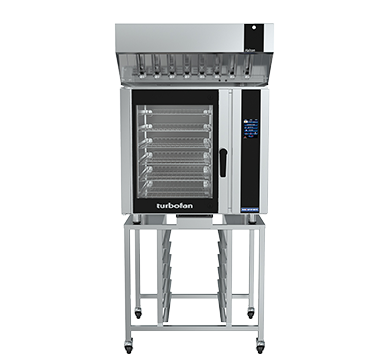
Credit: m.moffatusa.com
Hood Requirements For Residential Ovens
Hood requirements for residential ovens vary based on oven type and usage. Electric convection ovens used at home usually do not require a hood for basic operation. Building codes and safety standards often exempt small residential ovens from mandatory hood installation.
Still, many homeowners consider adding a hood to improve kitchen air quality and reduce cooking odors. Understanding when a hood is needed and the benefits it offers helps make the right choice for your kitchen setup.
When A Hood Is Not Needed
Residential electric convection ovens typically do not need a hood. These ovens produce minimal smoke and grease compared to commercial appliances. They run cleaner and have lower heat output.
Local building codes usually do not require a hood for home ovens. The oven’s user manual may also confirm if a hood is unnecessary. If the oven is ventless or has built-in filtration, a hood is rarely needed.
Benefits Of Using A Hood At Home
A hood helps remove smoke, steam, and odors from cooking. It keeps the kitchen air fresh and improves comfort. Ventilation reduces grease buildup on walls and cabinets.
Using a hood can also protect your home from excess moisture, which may cause mold. It helps maintain a cleaner cooking environment and can extend the life of kitchen finishes.

Credit: prolinerangehoods.com
Commercial Oven Hood Regulations
Commercial oven hood regulations play a crucial role in kitchen safety and air quality. These rules guide when and what type of hood must be installed over commercial ovens. They aim to remove smoke, grease, and heat effectively. Following these regulations helps prevent fire hazards and maintains a healthier work environment.
Local Code Variations
Local building and fire codes differ by city and state. Some areas require a hood for all commercial ovens. Others allow exceptions based on the oven type or usage. Always check with your local authority before installation. Compliance avoids fines and safety risks.
Manufacturer Guidelines
Oven manufacturers provide specific installation instructions. These often include hood requirements to keep warranties valid. Some ovens need Type I hoods due to grease production. Others may be approved for ventless use. Follow these guidelines closely for safe operation.
Types Of Required Hoods
Type I hoods are common for ovens producing grease and smoke. They have filters to trap grease and connect to a ventilation system. Type II hoods are for ovens that emit heat or steam but no grease. Choosing the correct hood type is vital for safety and code compliance.
Ventless Oven Alternatives
Ventless ovens use built-in filters to clean air. They do not need traditional hoods or ductwork. These ovens suit locations where hood installation is difficult. They still require regular maintenance to keep filters effective. Ventless options provide flexibility in commercial kitchens.
Air Quality And Ventilation
Air quality and ventilation play a key role in kitchens using electric convection ovens. Even though these ovens produce less smoke than traditional ovens, they still release odors and small particles during cooking. Proper ventilation helps keep the air fresh and reduces indoor pollution. Understanding the impact of air quality and ventilation can guide decisions about installing a hood with your convection oven.
Smoke And Odor Removal
Electric convection ovens can emit smoke, especially when cooking at high temperatures. This smoke contains tiny particles that can irritate the eyes and throat. Without proper ventilation, these particles linger in the kitchen air. A hood helps capture and remove smoke quickly. It also reduces strong cooking odors that can spread throughout the home. Removing smoke and odors improves comfort and cleanliness.
Maintaining Clean Indoor Air
Good ventilation prevents the buildup of harmful gases and airborne grease. It lowers humidity levels that rise from cooking steam. This helps reduce mold and mildew growth. A well-ventilated kitchen supports healthier breathing for everyone inside. Installing a hood or using other ventilation systems ensures the air stays fresh. Clean indoor air protects your family’s health and keeps your kitchen environment pleasant.
Safety Considerations
Safety is a key factor when using an electric convection oven. Proper ventilation helps reduce risks linked to heat, smoke, and grease. Understanding safety needs can protect your kitchen and everyone in it.
Grease And Fire Hazards
Convection ovens can produce grease particles during cooking. These particles may collect in the air and on surfaces. Without proper ventilation, grease buildup increases fire risk. A hood helps capture grease and prevents it from settling. This lowers chances of a grease fire starting in the kitchen.
Smoke and heat also rise from ovens. A hood removes these by pulling air upwards. This keeps the cooking area cleaner and safer. It stops smoke from irritating eyes and lungs. The hood acts as a barrier to reduce fire hazards linked to hot air and grease.
Fire Code Compliance
Local fire codes may require a hood for commercial ovens. These rules aim to keep kitchens safe and prevent fires. Check local regulations before installing your oven. They may specify the type and size of hood needed.
Hoods must meet certain standards to pass fire inspections. This includes proper ventilation flow and fire suppression systems. Ignoring these codes can lead to fines or forced shutdowns. A compliant hood ensures your kitchen meets safety laws and protects your business.
Electric Oven Emissions
Understanding electric oven emissions helps decide if a hood is necessary. Electric convection ovens produce different types of emissions than gas ovens. These differences affect ventilation needs. Emissions mainly depend on how the oven heats food and what by-products it creates.
No Carbon Monoxide Production
Electric ovens do not burn fuel. This means they do not produce carbon monoxide. Carbon monoxide is a harmful gas found in gas oven emissions. Without combustion, electric ovens emit no carbon monoxide. This makes them safer for indoor use. Ventilation is less critical for removing toxic gases.
How Electric Ovens Heat Food
Electric ovens use heating elements to warm the air inside. The air circulates, cooking the food evenly. This process does not create smoke unless food burns. Burning food or grease can cause odors and some smoke. A hood can help remove these smells but is not always needed. Electric heat is cleaner and produces fewer pollutants than gas heat.
Ovens That Don’t Need A Hood
Ovens that do not need a hood offer flexible installation options. These models reduce the need for complex ventilation systems. They suit kitchens with limited space or where hood installation is difficult.
Such ovens often use advanced technology to control smoke and odors internally. This helps maintain air quality without extra ventilation equipment. Understanding these ovens helps decide if a hood is necessary for your setup.
Hoodless Commercial Oven Models
Some commercial ovens are designed to operate without a hood. They include built-in filtration systems that capture smoke and grease. These ovens meet strict safety and health standards. They work well in small kitchens or places with strict ventilation rules. Choosing these models can save installation costs and space.
Combi And High-speed Ovens
Combi ovens combine steam and convection cooking methods. They produce less smoke and grease than traditional ovens. High-speed ovens cook food quickly and often have filters to reduce odors. Both types often qualify as hoodless under local codes. Their design minimizes the need for external ventilation.
Pros And Cons Of Convection Ovens
Convection ovens have grown popular for faster and even cooking. They use a fan to circulate hot air around food. This method offers several benefits but also some drawbacks. Understanding these pros and cons helps decide if a convection oven suits your kitchen needs.
Cooking Performance
Convection ovens cook food more evenly. Hot air circulation reduces hot spots and cold spots. This results in better browning and crisping, especially for baked goods and roasted items. Cooking times often decrease, saving energy and time. Some foods, like delicate cakes, may need recipe adjustments. The fan can dry out certain dishes if not monitored carefully.
Challenges
Learning to use a convection oven can take practice. Recipes may require temperature or time changes. Not all cookware works well; some materials block air flow. The fan may cause lighter foods to shift or splatter. Cleaning can be tougher because grease spreads more evenly. Noise from the fan can be distracting in quiet kitchens.
Cost Considerations
Convection ovens typically cost more than conventional ovens. The initial price is higher due to added technology. Operating costs might be lower thanks to shorter cooking times. Repairs and parts can be more expensive. Energy savings vary depending on usage habits. Balancing upfront and long-term costs is important for buyers.
Frequently Asked Questions
Does An Electric Convection Oven Need A Hood?
An electric convection oven doesn’t require a hood for residential use. A hood improves air quality by removing smoke and odors. Commercial ovens often need a hood due to regulations and grease production. Always check local codes and the manufacturer’s guidelines before installation.
What Ovens Do Not Require A Hood?
Ovens that do not require a hood include residential electric convection ovens and ventless commercial ovens with built-in filtration. Some combi ovens and high-speed cooking ovens also operate without a hood, depending on local codes and manufacturer guidelines. Always verify specific model requirements.
What Is The Downside Of A Convection Oven?
A convection oven may overcook food if time and temperature aren’t adjusted. Some baked goods don’t rise well. It costs more upfront.
Do Electric Ovens Let Off Carbon Monoxide?
Electric ovens do not emit carbon monoxide because they use electricity, not combustion. They are safer indoors without gas risks.
Does A Residential Electric Convection Oven Need A Hood?
No, a hood is not required for residential ovens but is recommended to remove smoke and odors.
Conclusion
A hood is not always required for an electric convection oven. It helps remove smoke, odors, and grease, improving kitchen air quality. Residential ovens usually work fine without a hood but may benefit from one. Commercial ovens often need a hood due to local rules and grease production.
Always check your oven’s manual and local codes before installation. Ventless models offer another option without a traditional hood. Choosing the right setup keeps your kitchen safe and comfortable.