
Is your dishwasher not heating up like it used to? If your dishes aren’t coming out clean and dry, the problem might be right under your nose—a faulty heating element.
You rely on your dishwasher to save time and effort, so when it stops heating, it can throw your whole routine off. But don’t worry, this isn’t always a sign you need a new machine. In fact, many heating issues are fixable with a few simple steps.
Keep reading to discover why your dishwasher isn’t heating, how to check the common causes, and easy ways you can get it working efficiently again—without spending a fortune or calling a repair technician. Your next perfectly clean and dry load could be just a few fixes away!
Credit: www.reddit.com
Common Causes
Diagnosing a dishwasher that is not heating requires careful checking of key components. Each part plays a role in ensuring the water reaches the right temperature for cleaning. Start by focusing on the heating element, thermostat, fuse, and wiring. These checks help find the exact cause and guide the repair process.
Testing The Heating Element
The heating element warms the water inside the dishwasher. Use a multimeter to test its continuity. Disconnect the dishwasher from power first. Remove the heating element access panel. Set the multimeter to the lowest resistance setting. Touch the probes to the element terminals. A reading close to zero means the element is good. No or infinite reading means it is faulty and needs replacement.
Checking Thermostat And Fuse
The thermostat controls the water temperature. Locate it near the heating element. Test it with a multimeter for continuity. The fuse acts as a safety device to prevent overheating. Find the high-limit fuse and test it too. Replace any part that shows no continuity. These parts help maintain safe and proper heating.
Inspecting Wiring Connections
Loose or damaged wiring can stop the heating function. Unplug the dishwasher before checking wires. Look for burnt, broken, or disconnected wires near the heating element and control board. Secure any loose wires and replace damaged ones. Proper wiring ensures the heating element and thermostat receive power to work well.

Credit: www.youtube.com
Diagnosing The Problem
Knowing when to replace parts in your dishwasher saves time and money. Parts wear out due to heat and water exposure. Replacing faulty components keeps your dishwasher working well. Early detection prevents bigger issues and expensive repairs. Focus on key parts like the heating element, thermostat, and fuse. Each part plays a role in heating and drying dishes properly. Watch for clear signs to decide if replacement is necessary.
Signs Heating Element Needs Replacement
The heating element heats water for cleaning and drying. Look for visible damage like cracks or breaks. If dishes remain wet after a cycle, the element might be failing. Use a multimeter to test for electrical continuity. No continuity means the element is broken. Strange odors or burning smells during a cycle can also signal a bad element. Replace the heating element promptly to restore dishwasher performance.
Thermostat Replacement Indicators
The thermostat controls water temperature inside the dishwasher. If the dishwasher never heats up, the thermostat may be faulty. Test the thermostat using a multimeter for proper resistance levels. A thermostat that always shows open or closed circuits needs replacement. Irregular heating cycles or overheating also point to thermostat issues. Replace it to ensure the dishwasher heats water evenly and safely.
Fuse Replacement Tips
The fuse protects the dishwasher from electrical faults. A blown fuse stops the heating element from working. Check the fuse for visible signs of damage or burning. Test it with a multimeter to confirm if it is blown. Replace the fuse with the exact model recommended by the manufacturer. Always disconnect power before replacing the fuse to avoid shocks. A good fuse keeps your dishwasher safe and functional.
Quick Fixes
Fixing a dishwasher that is not heating can be done at home. Simple tools and careful steps help solve this issue. Replacing the heating element is a common DIY repair that improves dishwasher performance. Follow the tips below to repair safely and effectively.
Safety Precautions
Always unplug the dishwasher before starting repairs. Turn off the water supply to avoid leaks. Use gloves to protect your hands from sharp edges. Work in a dry area to prevent electric shock. Read the user manual for any model-specific warnings.
Tools Needed
You will need a screwdriver, multimeter, and pliers. A replacement heating element is essential. Have a towel or small container ready to catch water. Use a flashlight for better visibility inside the dishwasher. Keep all tools within reach before you begin.
Step-by-step Heating Element Replacement
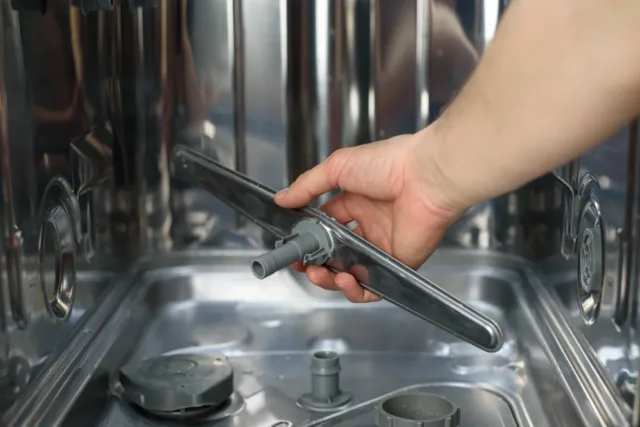
First, pull out the dishwasher from under the counter carefully. Next, disconnect the power cord and water lines. Remove the bottom rack and spray arm for better access. Use a screwdriver to unscrew the panel covering the heating element. Carefully disconnect the wires attached to the element. Take out the old heating element and compare it with the new one. Install the new element by securing it with screws. Reconnect the wires firmly to avoid loose connections. Replace the panel, spray arm, and bottom rack. Reconnect power and water supply. Run a short cycle to test the repair and check for leaks.
When To Replace Parts
Considering the costs involved in fixing a dishwasher not heating helps you make smart choices. Expenses vary based on the problem’s cause, parts needed, and labor costs. Understanding these factors aids in planning your budget effectively.
Part Costs
The heating element is the most common part to replace. It usually costs between $20 and $60. Other parts like thermostats or fuses may cost less but can add up. Buying genuine parts ensures better performance and longer life. Prices can vary depending on the dishwasher brand and model.
Professional Repair Vs Diy
Hiring a professional can cost from $100 to $300, including labor and parts. A skilled technician ensures the repair is done right and safely. Doing it yourself saves money but needs basic tools and knowledge. Simple repairs like replacing a heating element are manageable for many homeowners. Always disconnect power before starting any repair to avoid accidents.
When To Consider New Dishwasher
Replace your dishwasher if repair costs exceed half the price of a new one. Older machines may have multiple issues making repairs costly and less reliable. New models use less water and energy, saving money long-term. Frequent breakdowns and poor cleaning performance are signs to upgrade. Compare repair quotes with new dishwasher prices before deciding.
Diy Repair Tips
Maintaining the heat inside your dishwasher is key to getting clean and dry dishes every time. The heating element warms the water, helping to remove grease and kill bacteria. It also aids in drying dishes after the wash cycle. Keeping this system working well saves energy and extends your dishwasher’s life.
Regular Cleaning
Keep the dishwasher clean to help it heat properly. Food scraps and grease can build up and block heat. Clean the filter and spray arms often. Wipe down the heating element gently if it is accessible. Clean parts allow hot water to circulate freely and improve heating efficiency.
Avoiding Overloads
Do not overload the dishwasher. Too many dishes block water flow and reduce heating effectiveness. Place items with space between them. This lets hot water reach all surfaces. Overloading makes the dishwasher work harder and can cause the water to stay cooler.
Routine Inspections
Check the heating element and thermostat regularly. Look for signs of wear, damage, or corrosion. Test the heating element with a multimeter if you can. Replace faulty parts immediately to keep the dishwasher heating well. Routine checks catch problems early and prevent costly repairs.
Credit: www.smartappliance.co.za
Frequently Asked Questions
Why Is My Dishwasher Not Getting Hot?
Your dishwasher may not get hot due to a faulty heating element, broken thermostat, blown fuse, or damaged wiring. Check these parts first.
Is It Worth Fixing A Dishwasher Heating Element?
Replacing a dishwasher heating element is usually worth it. The part is affordable, the repair is simple, and it restores cleaning and drying. Choose replacement if the dishwasher works well otherwise. Consider a new unit if the appliance is old or has multiple faults.
How To Tell If A Dishwasher Heating Element Is Broken?
Check for no heat during wash cycles and poor drying. Test the element’s continuity with a multimeter. Look for visible damage or burns.
Why Is My Dishwasher Not Heat Drying Anymore?
Your dishwasher may not heat dry due to a faulty heating element, broken thermostat, or damaged wiring. Check these parts first.
Why Is My Dishwasher Not Heating Water Properly?
A broken heating element or faulty thermostat often causes the dishwasher not to heat water.
Conclusion
A dishwasher not heating can cause poor cleaning and wet dishes. Simple checks like testing the heating element and thermostat help find the issue. Replacing a faulty heating element is often affordable and doable at home. Always unplug the dishwasher before starting any repair for safety.
If problems persist, professional help can save time and effort. Keeping the dishwasher in good shape ensures better cleaning and longer appliance life. Small fixes can make a big difference in daily kitchen chores. Don’t ignore heating issues to avoid bigger problems later.