
Is your dishwasher humming but refusing to fill with water? It’s frustrating when you load your dishes, start the cycle, and nothing happens.
Without water, your dishwasher can’t clean, leaving you stuck with dirty dishes and wasted time. But don’t worry—you’re not alone, and this problem is often fixable without calling a repairman. You’ll discover the most common reasons why your dishwasher isn’t filling with water and easy steps you can take to troubleshoot and solve the issue yourself.
Keep reading, and you’ll have your dishwasher running smoothly again before you know it.

Credit: www.reddit.com
Check Water Supply
Checking the water supply is the first step when your dishwasher does not fill with water. The dishwasher needs a steady water flow to operate properly. Without water, dishes will remain dirty and the appliance may make humming noises. Start by making sure water can reach the dishwasher without any blockages or interruptions.
Open The Water Valve
Find the water valve connected to your dishwasher, usually under the sink. Turn the valve handle counterclockwise to open it fully. A closed or partially closed valve stops water from entering the dishwasher. Confirm the valve is open to let water flow freely.
Inspect The Supply Hose
Trace the supply hose from the water valve to the dishwasher. Look for any visible damage or leaks along the hose. A damaged hose can block or reduce water flow. Replace the hose if you find cracks, holes, or worn areas.
Look For Kinks Or Freezes
Check the supply hose for any sharp bends or kinks that could block water. Straighten any bent sections carefully. In cold weather, the hose may freeze and block water flow. Thaw the hose gently if frozen to restore water supply.
Inspect Inlet Valve
The inlet valve controls water flow into your dishwasher. It opens to let water in during the cycle. A faulty valve or blocked screen can stop water from filling the dishwasher. Inspecting the inlet valve is a key step in fixing this issue.
Check the valve carefully to find any blockages or damage. This part often causes water flow problems. Follow simple steps to inspect and fix the valve safely.
Unplug The Dishwasher First
Always unplug the dishwasher before any repairs. This prevents electric shock or injury. Safety is the first priority when working with appliances.
Locate the power cord and disconnect it from the outlet. Double-check that the dishwasher is off before starting any work.
Clean The Valve Screen
The inlet valve has a small mesh screen to catch debris. Dirt or mineral buildup can block water flow. Remove the water supply hose from the valve carefully.
Use a soft brush or cloth to clean the screen gently. Rinse it with water to remove all particles. Reattach the hose securely after cleaning.
Replace Faulty Valve
If cleaning does not fix the problem, the valve may be broken. A faulty valve cannot open properly to let water in. Test the valve for electrical or mechanical faults.
Buy a replacement valve that matches your dishwasher model. Follow the manufacturer’s instructions to install it correctly. Reconnect the water supply and power, then test the dishwasher.
Examine The Float Assembly
The float assembly in a dishwasher controls the water level inside the tub. It acts as a sensor to stop water from overfilling. If the float is stuck or blocked, the dishwasher will not fill with water. Checking the float assembly can help find the cause quickly. Simple steps can fix most float-related problems.
Locate The Float Inside Tub
Open the dishwasher door and look at the bottom of the tub. The float is a small, round or cylindrical piece that moves up and down. It usually sits near the front or side of the tub. Make sure you can see it clearly for the next steps.
Test For Stuck Float
Gently lift the float straight up. It should move freely without resistance. If it feels stuck or does not move smoothly, it may be blocking the water flow. A stuck float tells the dishwasher the tub is full, stopping water from entering.
Clear Debris Around Float
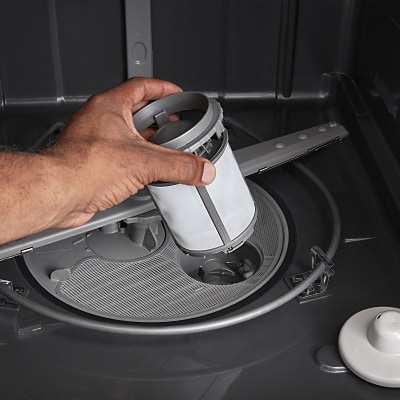
Check for dirt, food particles, or soap scum around the float. Clean any debris with a soft cloth or a small brush. Ensure the float moves freely after cleaning. Clearing debris can restore normal water filling and improve dishwasher performance.

Credit: www.youtube.com
Check Door Latch
Checking the door latch is an important step when the dishwasher is not filling with water. The door latch ensures the dishwasher door is fully closed and locked. Without a secure latch, the dishwasher will not start the water filling process. A faulty or loose door latch can stop the dishwasher from working properly.
Focus on the door latch to see if it is damaged or misaligned. Sometimes, the latch looks fine but does not engage correctly. This can cause the dishwasher to think the door is open. As a safety feature, the dishwasher will not fill with water if the door latch is not engaged.
Ensure Proper Door Closure
Make sure the dishwasher door closes firmly. Push the door gently but firmly until you hear a click. This click means the latch has caught properly. If the door does not close fully, check for any objects blocking it. Clean the edges of the door and the latch area to remove dirt or debris.
Check the door hinges for any damage or looseness. Damaged hinges can stop the door from aligning correctly. If you notice the door is sagging or uneven, tighten the screws or replace the hinges if needed. A well-aligned door helps the latch work as it should.
Verify Latch Engagement
Look closely at the latch to see if it moves when the door closes. The latch should snap into place and stay secure. If it feels loose or stuck, it may need repair or replacement. Test the latch several times by opening and closing the door to confirm it engages every time.
Use a flashlight to inspect the latch mechanism for broken parts or wear. Sometimes small plastic pieces inside the latch break over time. If the latch does not catch or release properly, the dishwasher may not fill with water. Replace the latch if it is damaged.
Reset Control Board
Resetting the control board can fix many dishwasher issues, including no water filling. The control board manages water flow and other functions. Sometimes it needs a reset to clear errors or glitches. This process is simple and may save a service call.
Turn Off Breaker Briefly
Find the circuit breaker that powers your dishwasher. Turn it off to cut power completely. Wait about 30 seconds to 1 minute. This pause helps clear any temporary errors in the control board memory. Then, switch the breaker back on.
Restart Dishwasher
After restoring power, open and close the dishwasher door. Press the start button to begin a new cycle. Watch if the dishwasher now fills with water. A successful reset often restores normal function and water flow. If it still does not fill, try the next step.
Consider Professional Repair
If resetting the control board does not work, the problem may be deeper. The control board or water inlet valve might be faulty. Calling a professional technician ensures safe and accurate diagnosis. They can replace damaged parts and restore your dishwasher’s performance.
Credit: www.whirlpool.com
Listen For Humming Sounds
Listening for humming sounds helps diagnose dishwasher water fill problems. A humming noise often signals the dishwasher is trying to draw water. This sound can guide you to the source of the issue quickly. Pay close attention to where the humming is coming from. It may reveal if parts inside the dishwasher are working or stuck. This simple step saves time and frustration in troubleshooting.
Identify Humming Source
Start by standing near the dishwasher door. Listen carefully during the fill cycle. The humming usually comes from the bottom front of the machine. This area houses the water inlet valve and motor. If the sound is soft and steady, the valve may be trying to open. A louder or irregular hum could mean a mechanical problem. Pinpointing the exact place helps focus your next steps.
Relate Humming To Valve Issues
The water inlet valve controls water flow into the dishwasher. When humming occurs without water filling, the valve might be stuck. Dirt or debris can block the valve’s screen, stopping water from passing. The valve tries to open but cannot, causing the humming noise. Checking and cleaning the valve screen often solves this problem. If cleaning does not help, the valve may need replacement. Recognizing this humming pattern points directly to valve troubles.
Frequently Asked Questions
How Do You Fix A Dishwasher That Won’t Fill With Water?
Check the water supply valve under the sink is fully open. Inspect and clean the inlet valve screen. Ensure the float moves freely and isn’t stuck. Verify the water supply hose isn’t kinked. Replace the faulty water inlet valve if necessary.
Why Is My Dishwasher Humming But No Water?
A humming dishwasher with no water often means a blocked inlet valve screen, closed water supply valve, or stuck float switch. Check the water supply valve, hose for kinks, clean the inlet valve screen, and ensure the float moves freely.
Replace faulty parts if needed.
How Do I Know If My Dishwasher Water Inlet Valve Is Bad?
A bad dishwasher water inlet valve causes no water fill and humming sounds. Check for blockages, stuck float, or faulty valve needing replacement.
How To Fix No Water Going Into The Dishwasher?
Check that the water supply valve is fully open and the hose is not kinked. Unplug the dishwasher, clean the inlet valve screen, and ensure the float moves freely. Replace a faulty inlet valve or repair the door latch if needed.
Why Is My Dishwasher Not Filling With Water?
A blocked inlet valve, closed water valve, or stuck float switch often causes no water fill.
Conclusion
A dishwasher not filling with water can disrupt your routine. Simple checks often solve the problem quickly. Start by ensuring the water supply valve is open. Inspect hoses for kinks or blockages. Clean the inlet valve screen if needed. Test the float to ensure it moves freely.
Addressing these points usually restores water flow. Regular maintenance helps avoid future issues. Taking these steps saves time and repair costs. Stay patient and methodical for best results. Your dishwasher will work well again soon.